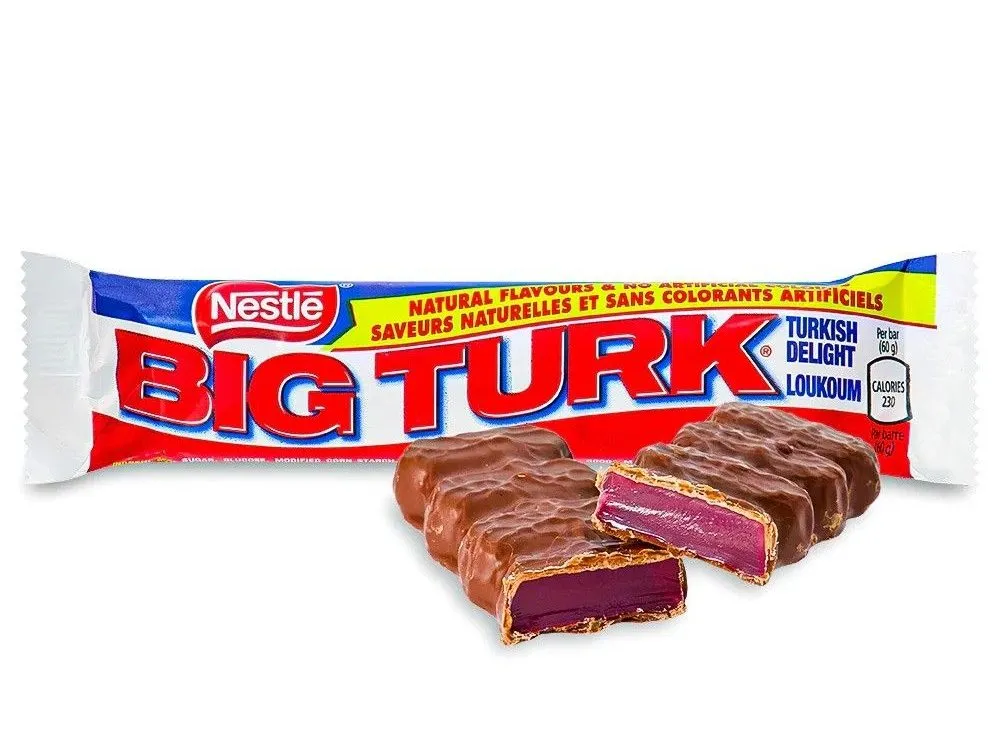
Skip to Content Subscribe Our Offers My Account Manage My Subscriptions FAQ Newsletters Canada Canadian True Crime Canadian Politics Health World Israel & Middle East Financial Post NP Comment Longreads Puzzmo Diversions Comics NP News Quiz New York Times Crossword Horoscopes Life Eating & Drinking Style Sponsored Play for Ontario Travel Travel Canada Travel USA Travel International Cruises Travel Essentials Culture Books Celebrity Movies Music Theatre Television Business Essentials Advice Lives Told Tails Told Shopping Buy Canadian Home Living Outdoor Living Kitchen & Dining Tech Style & Beauty Personal Care Entertainment & Hobbies Gift Guide Travel Guide Amazon Prime Day Deals Savings National Post Store More Sports Hockey Baseball Basketball Football Soccer Golf Tennis Driving Vehicle Research Reviews News Gear Guide Obituaries Place an Obituary Place an In Memoriam Classifieds Place an Ad Celebrations Working Business Ads Archives Healthing Epaper Manage Print Subscription Profile Settings My Subscriptions Saved Articles My Offers Newsletters Customer Service FAQ Newsletters Canada World Financial Post NP Comment Longreads Puzzmo Diversions Life Shopping Epaper Manage Print Subscription HomeCultureA Canadian delight, Big Turk bar’s roots go back centuries“It’s an irresistible cultural blend of east-meets-west and qualified successor to the Reese Peanut Butter Cup"Last updated 30 minutes ago You can save this article by registering for free here. Or sign-in if you have an account.Nestle adds a thin layer of chocolate, but leaves out some of the stronger flavours favoured by antiquity, such as rosewater or bergamot, and accoutrements like nuts and dates, much to the delight of Canadians such as ’90s rocker Danko Jones. Photo by NestleWe independently select everything we recommend. Buying through us may earn us a commission, which supports our work.Nestle is tight-lipped about its Big Turk candy bar.Enjoy the latest local, national and international news.Exclusive articles by Conrad Black, Barbara Kay and others. Plus, special edition NP Platformed and First Reading newsletters and virtual events.Unlimited online access to National Post.National Post ePaper, an electronic replica of the print edition to view on any device, share and comment on.Daily puzzles including the New York Times Crossword.Support local journalism.Enjoy the latest local, national and international news.Exclusive articles by Conrad Black, Barbara Kay and others. Plus, special edition NP Platformed and First Reading newsletters and virtual events.Unlimited online access to National Post.National Post ePaper, an electronic replica of the print edition to view on any device, share and comment on.Daily puzzles including the New York Times Crossword.Support local journalism.Create an account or sign in to continue with your reading experience.Access articles from across Canada with one account.Share your thoughts and join the conversation in the comments.Enjoy additional articles per month.Get email updates from your favourite authors.Create an account or sign in to continue with your reading experience.Access articles from across Canada with one accountShare your thoughts and join the conversation in the commentsEnjoy additional articles per monthGet email updates from your favourite authorsSign In or Create an AccountorIts features and benefits officially include a “delightful combination of Turkish delight and chocolate” and the fact that at 230 calories and 34 grams of sugar, it packs “60 per cent less fat than the average chocolate bar.” ’Nuff said.That’s despite being heavier than other indulgences: Big Turks weigh 60 g if the packaging is to be believed, deliciously thick compared to Snickers at 48 g, Wunderbar at 49 g, Twix at 50 g, and Oh Henry!’s barely believable 58 g. Mr. Big bars also weigh 60 g but 14 g of that is fat, compared to Big Turk’s claimed 3.5 g per bar.Not so big after all.You can add to its benefits the fact that Big Turk is only available in Canada, born 1867 — but Turkish delight’s roots are actually only a year shorter than those of our neighbour to the south. Haci Bekir Effendi opened a confection shop in what was then Constantinople in 1777, according to BBC Travel.He created loukoum by combining wheat flour with honey or dried fruit. When cornstarch was developed, it replaced flour as the binding agent, a change that Snackhistory.com credits with the chewy texture we’re familiar with.Refined sugar, likewise, took its place in the recipe when it reached the region at the end of the 19th century, according to Britannica.com.Nestle adds a thin layer of chocolate, but leaves out some of the stronger flavours favoured by antiquity, such as rosewater or bergamot, and accoutrements like nuts and dates, much to the delight of Canadians such as ’90s rocker Danko Jones.He said his Grade 5 teacher introduced him to the treat (some Canadian Grade 5 students had an Australian teacher on exchange and got to try Vegemite, it’s fine) in a column for HuffPost in 2013.“It’s an irresistible cultural blend of east-meets-west and qualified successor to the Reese Peanut Butter Cup,” the Lovercall singer cooed. “You might be pleasantly surprised.” Join the Conversation This website uses cookies to personalize your content (including ads), and allows us to analyze our traffic. Read more about cookies here. By continuing to use our site, you agree to our Terms of Use and Privacy Policy.
A Canadian delight, Big Turk bar’s roots go back centuries
Big Turk's features and benefits officially include a “delightful combination of Turkish delight and chocolate” with 60 per cent less fat.
840 words~4 min read