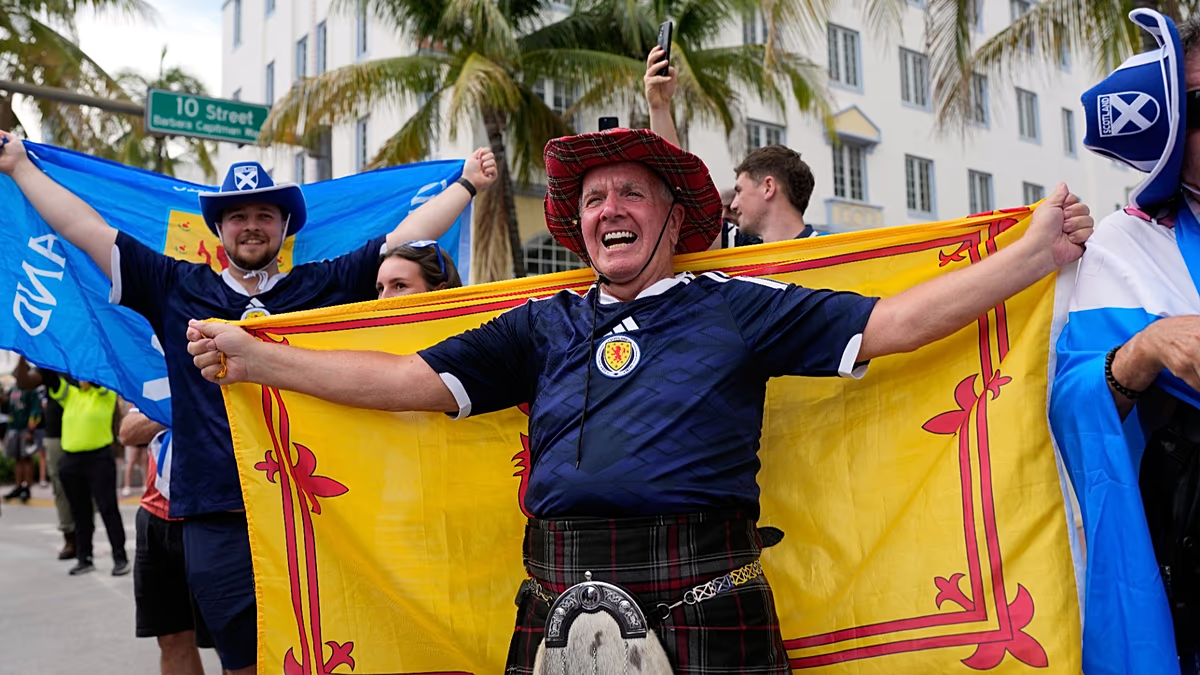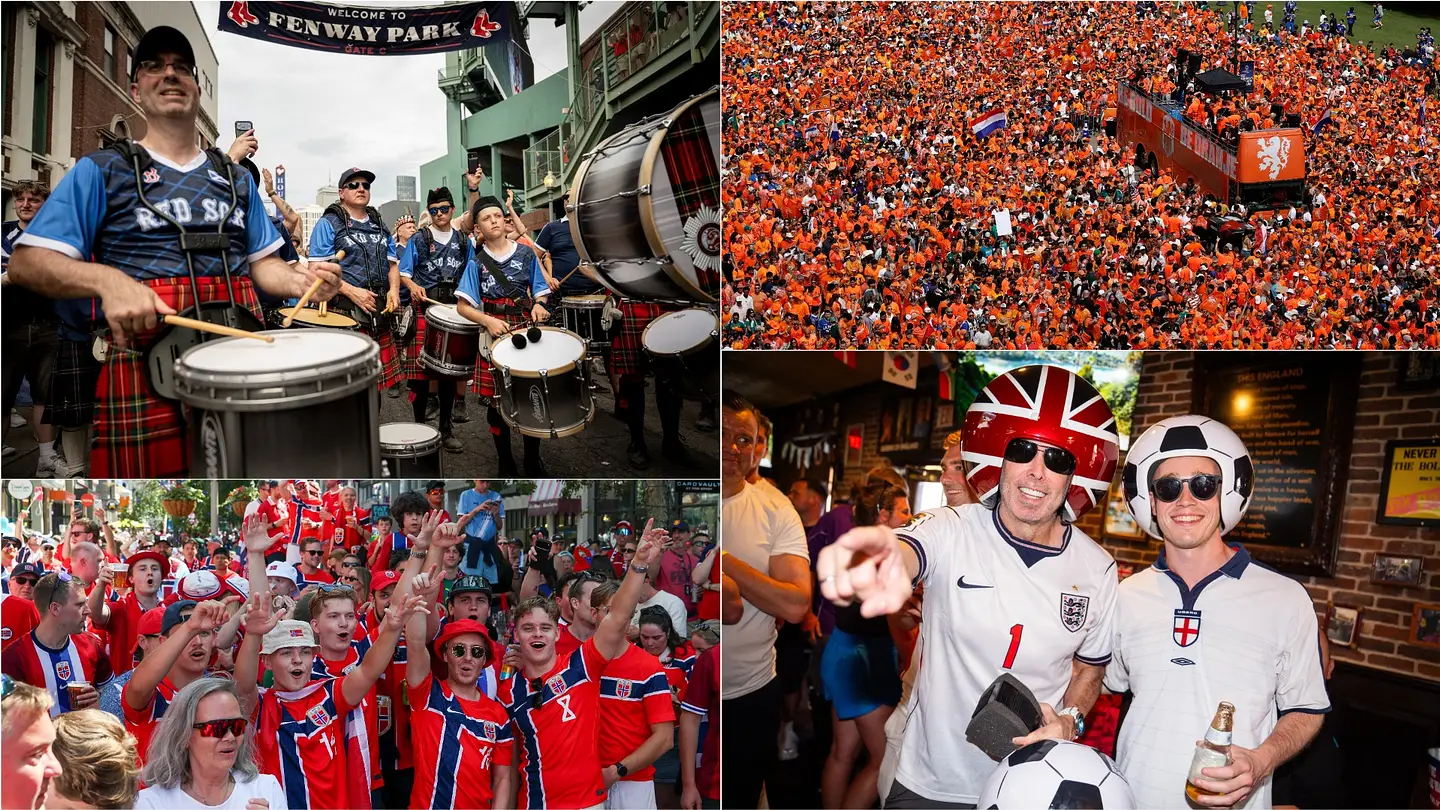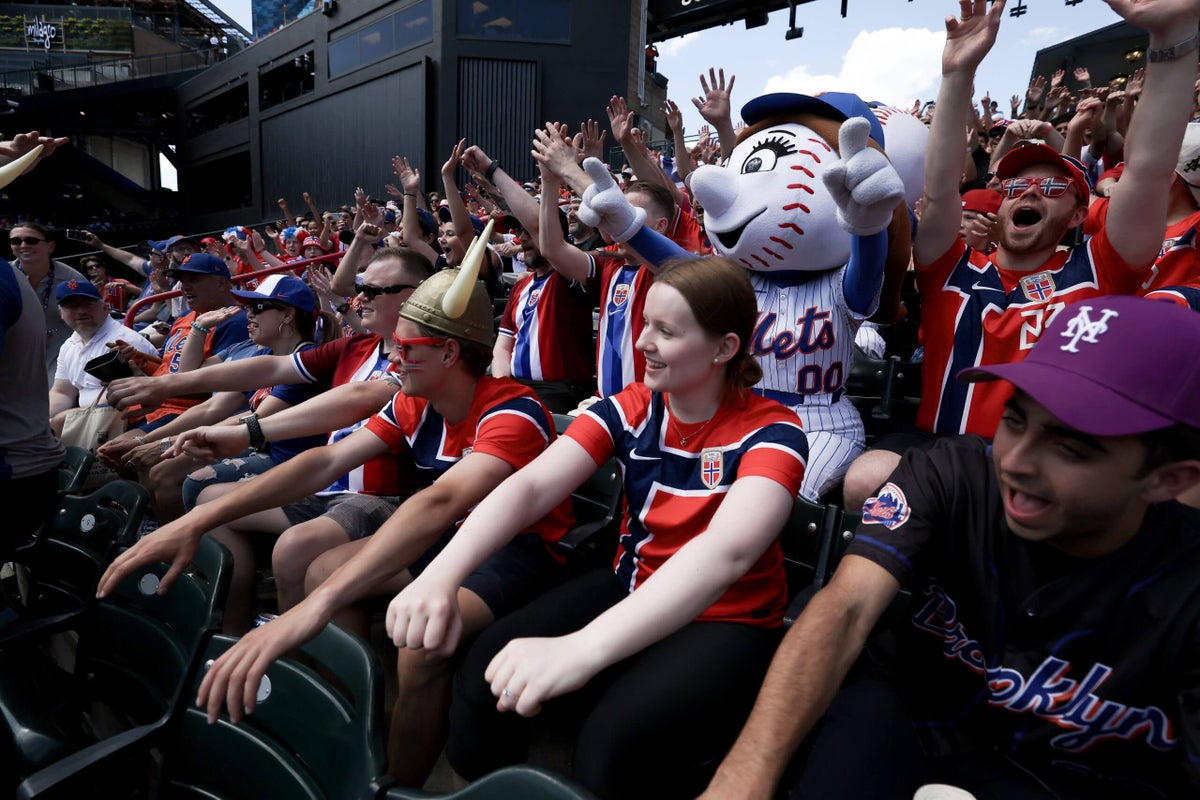
Nearly seven months before the World Cup descended on Boston and the Scottish Tartan Army began its parade through the bricked streets surrounding Fenway Park, team employees began preparing.There were conversations within the club’s business side. There were meetings with other entities in the city to discuss how to best handle the spectacle.During all that planning and preparation, it is unlikely Travis Pollio — the senior director of ticketing strategy and promotions for the Red Sox — could have envisioned all this leading where it did.On June 14, Pollio exited Fenway Park just before the gates opened. He went to meet the march of Scottish fans heading to Fenway. He wanted to help prepare for the larger-than-usual influx of people 90 minutes before the game.The next thing he knew, Pollio was in the middle of the parade, alongside those wearing kilts and playing bagpipes.“I almost felt like I was sort of the parade leader here, waving the baton,” Pollio said.Pollio estimated the Red Sox hosted between 5,000 and 6,000 Scottish fans. But judging from the videos and clips that circulated around the internet, it felt like an even bigger takeover.“Those 30,000 other fans that were here just loved it,” Pollio said. “The experience, the vibe. People compared it to a playoff atmosphere for a game in early June against a non-division team.”The Tartan Army has been perhaps the most gregarious group highlighting a larger trend. At cities across the MLB universe, the World Cup is providing a boost in attendance and pageantry.At a weekend homestand earlier in June, the Miami Marlins averaged an attendance of 12,427 over three games. When the Tartan Army was in town, the attendance shot to 20,008, making it the most attended Monday night Marlins game since 2017.In Seattle, when the Mariners hosted the Baltimore Orioles for the first two games of their June 16-18 series, they drew roughly 28,000 fans each night. For the third game, Thursday’s Stars and Stripes Soccer Jersey giveaway day, they drew 43,053, some of them fans in town for the USA-Australia matchup the following night.For the clubs near World Cup host cities — the Blue Jays, Braves, Red Sox, Rangers, Astros, Royals, Dodgers, Angels, Marlins, Yankees, Mets, Phillies, Mariners and Giants — these events have been more than spontaneous occurrences. They have come as a result of months of outreach and planning.Miami rarely sees pregame crowds like those that packed the areas outside loanDepot park earlier this month. (Sam Navarro / Getty Images)Back in the fall, MLB and these clubs began hosting video calls to share ideas and best practices. The calls ramped up around the holidays.Jim Cochrane, the chief business officer for the Texas Rangers, said league marketing gurus encouraged clubs to make sure their games would come up if a fan from another country simply Googled, “Top 10 things to do” in their given metro area.
Is baseball getting a World Cup bump? As fans flood host cities, MLB sells them on America’s game
MLB clubs have spent months planning promotions tied to the World Cup to court soccer fans, resulting in a number of attendance spikes.
1,331 words~6 min read