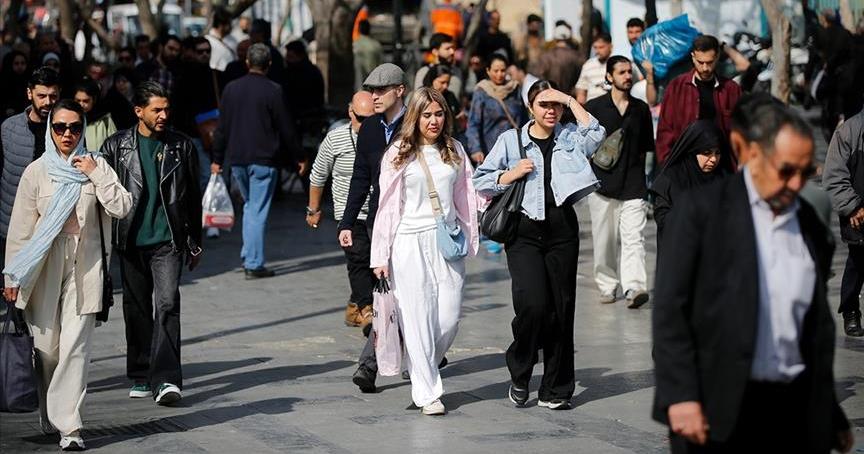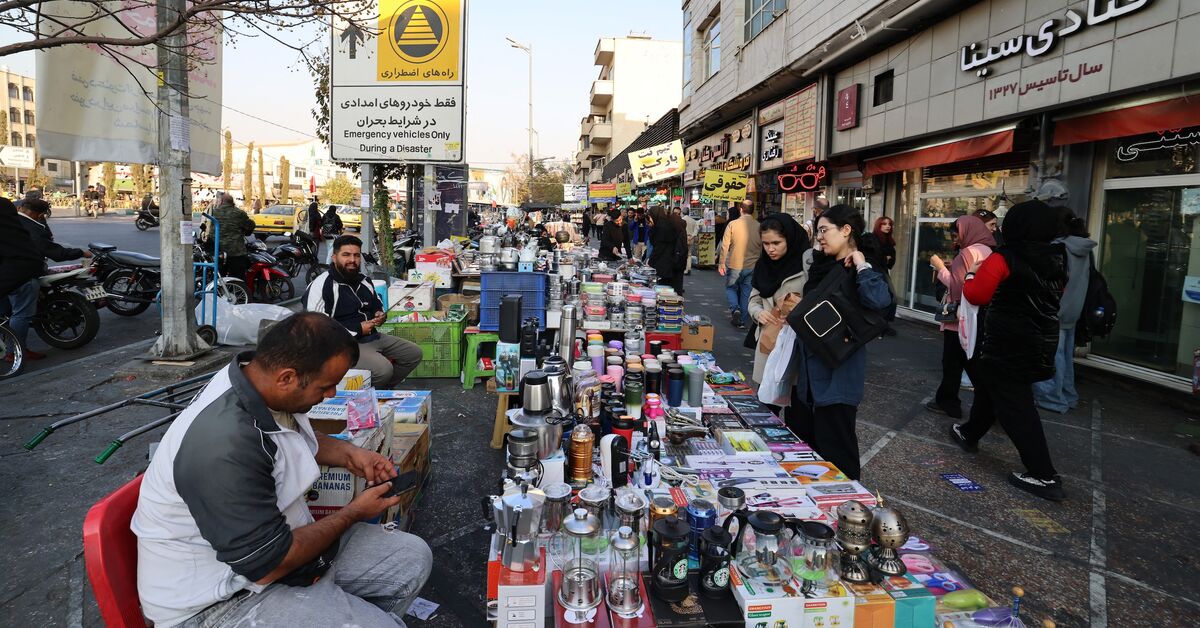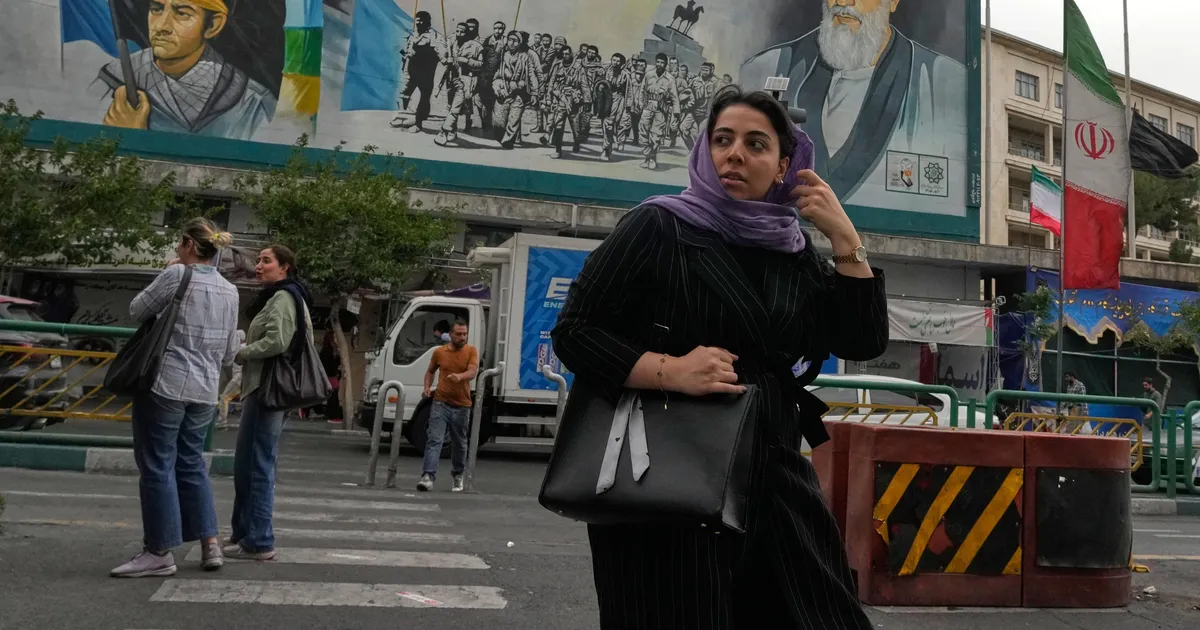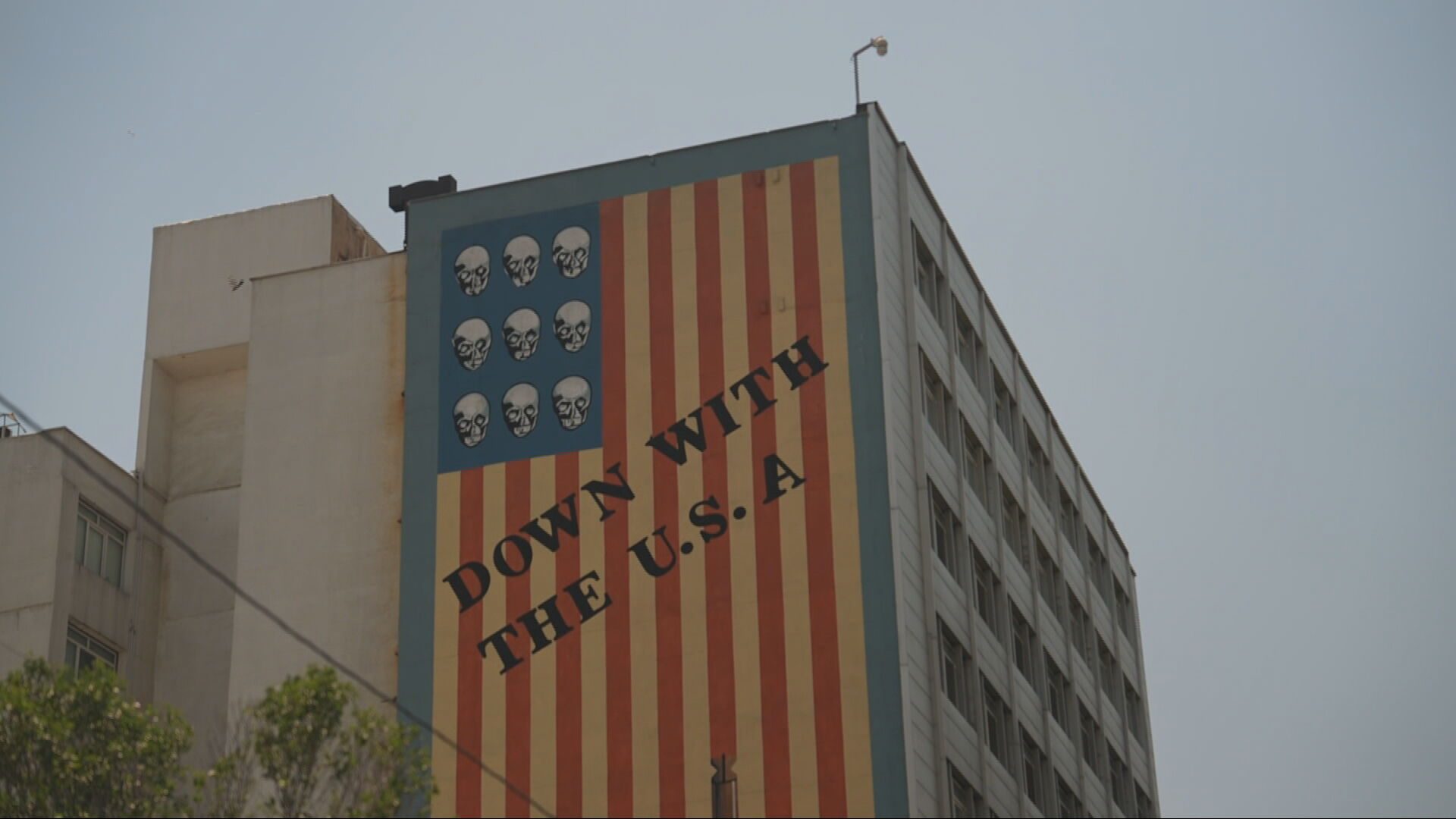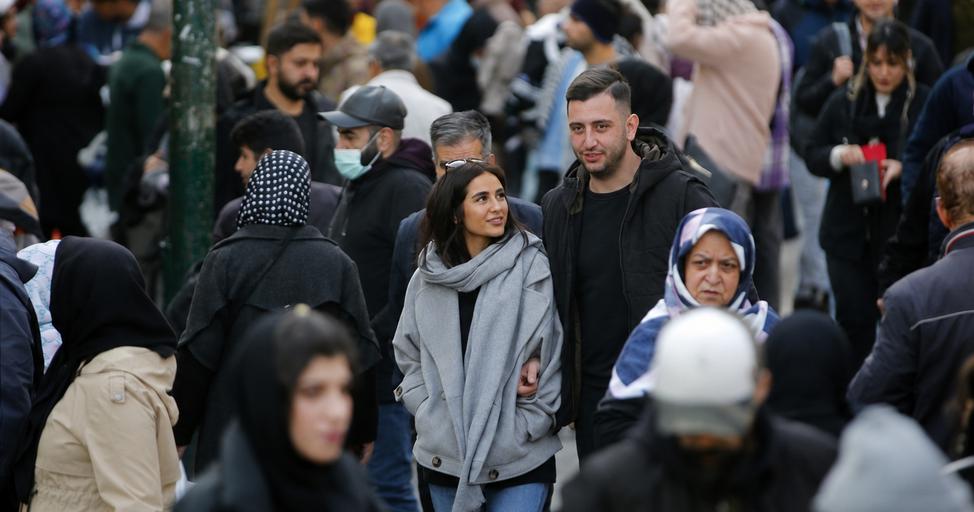
When the doors to homes open, behind every official statistic lies a raw story of daily life. The Monitoring Center of Iran’s Ministry of Interior reached out to 85,000 people; pollsters went door-to-door to gauge the pulse of society across three areas: social capital, social harms, and geography. The results of this national survey from 2025 are now on the table. However, to truly understand these numbers, one must listen to the people of this very city, those who live these statistics in their flesh and bones.
A Decade of Erosion: From Conditional Hope to Tangible Despair
If we plot the social capital chart over the past decade, we see a steep downward slope. The index has plummeted from 43.5 in 2016 to 36.6 in 2026. The major difference between today and the past is that conditional hope has been replaced by structural despair, recording a stark 60% absolute hopelessness.
Agha Jalal, 58, a retiree currently working for ride-hailing apps: “In the early 2000s, we thought everything would get fixed. We took out loans and made plans. Nowadays, out of every ten passengers who get into my car, nine are talking about tomorrow’s dollar rate or leaving the country. No one says things will get better anymore; they ask how we are supposed to survive. Society is no longer waiting for a miracle.”