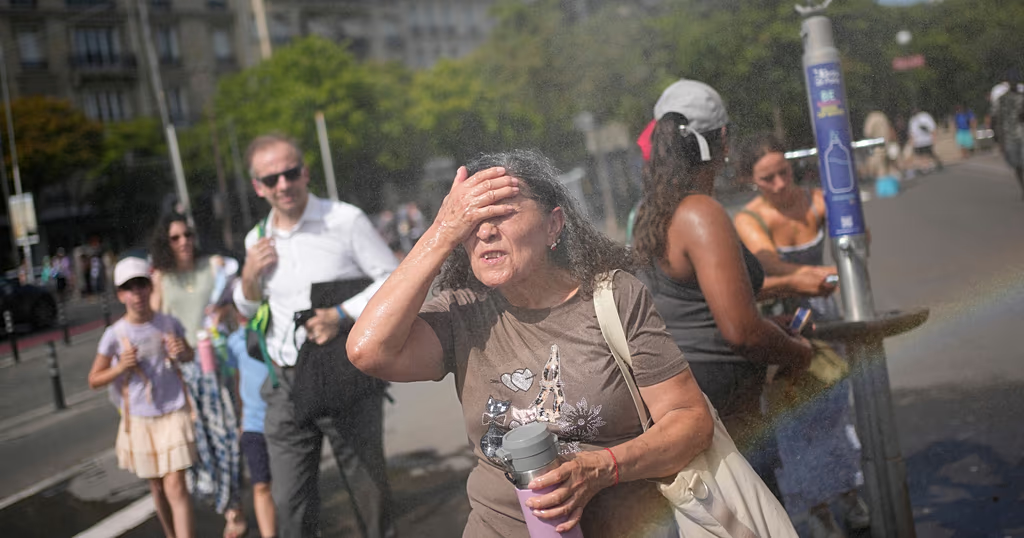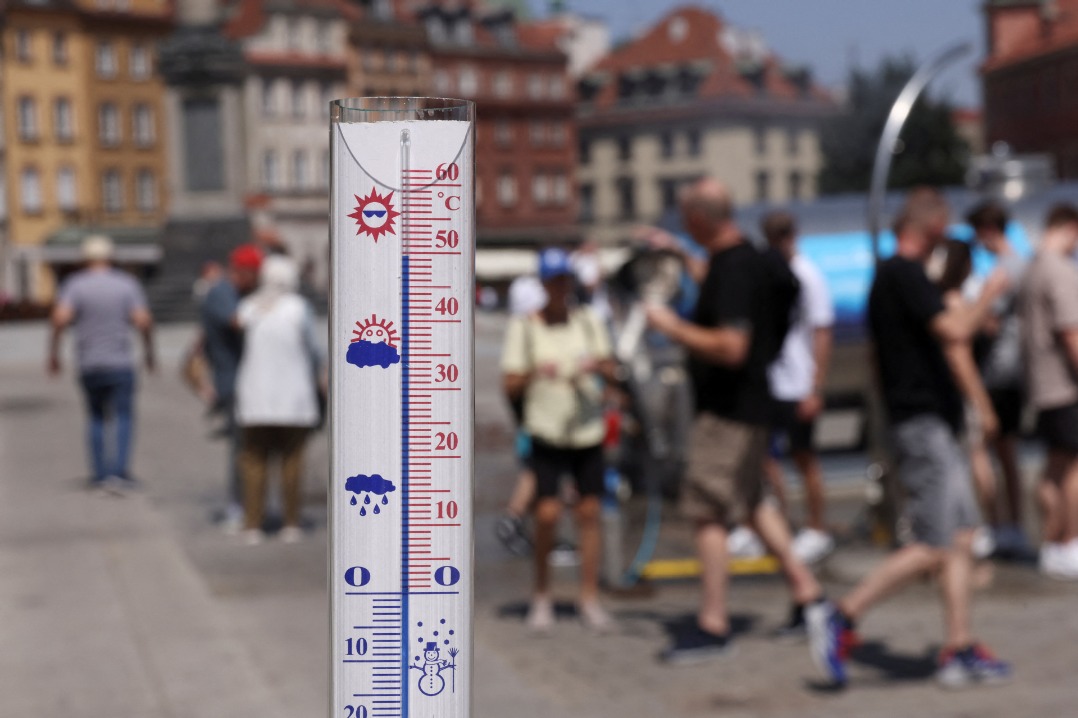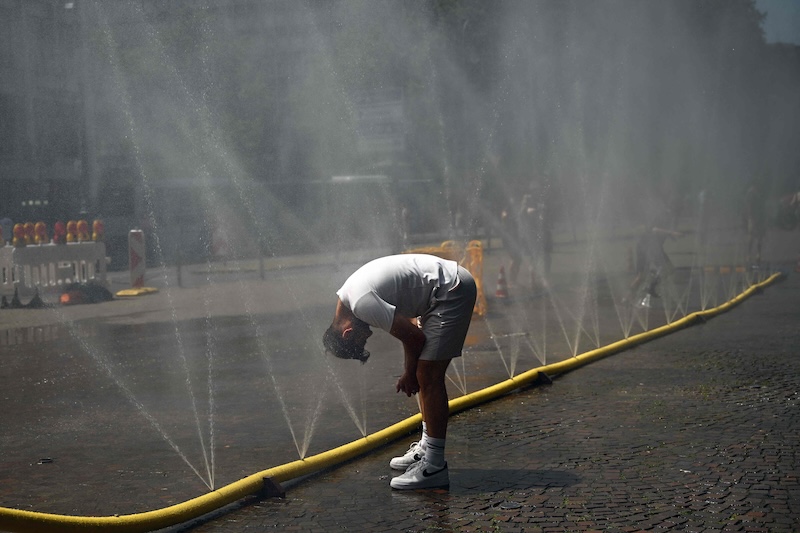
Over 1,300 excess deaths have been recorded in Europe since June 21 amid the record-breaking heatwave, the World Health Organisation (WHO) has said10:11, 29 Jun 2026Updated 10:16, 29 Jun 2026Over 1,300 excess deaths have been recorded in Europe since June 21 in connection with the record-breaking heatwave that has swept across the continent, the World Health Organisation (WHO) has said.More than 191 million people in Europe faced temperatures of at least 35C over the past week, with Germany, the Czech Republic, Poland and Hungary all reaching record temperatures of more than 40C on Sunday.The UK broke its June temperature record for three consecutive days, culminating in 37.3C recorded at Santon Downham in Suffolk on Friday. A number of other weather stations also exceeded the previous record of 35.6C, set on June 28, 1976, and June 29, 1957.At least three hospitals in England declared critical incidents as large parts of the country were placed under a rare red warning for extreme heat.University Hospital Southampton said on Thursday that the extreme heat was "placing significant pressure" on its services and added that a number of planned operations and some outpatient appointments have been cancelled as a result.Queen Alexandra Hospital in Portsmouth and Norfolk and Norwich University Hospitals NHS Foundation Trust both declared critical incidents on Wednesday.Across Europe, "more than 1,300 excess deaths have been recorded since 21 June linked to high temperatures in Europe", WHO chief Tedros Adhanom Ghebreyesus wrote on X."Heat stress is often called the 'silent killer' - and European homes, workplaces and schools were not built for these temperatures," he said.French health officials said on Sunday that there had been around 1,000 more deaths than expected in the country since Wednesday alone. France recorded its hottest day ever on a national scale on Tuesday, with temperatures in Pissos, south-west France, reaching 44.3C.The French public health agency said most of the heat-related fatalities involved older people and warned the number is expected to rise as more information becomes available from care homes and private homes.Article continues belowTedros said the climate change-driven "phenomenon of the 'once-in-a-generation' heatwave is now occurring nearly annual", adding: "Europe is the fastest-warming continent on Earth, heating at twice the global average."The WHO chief said the United Nations health agency was "working with its Member States and partners to address the health threats posed by extreme heat through focusing on preparedness, prevention and stronger health system responses".He called on European countries to "implement heat health action plans" as part of efforts to protect public health in the face of climate change.
Over 1,300 deaths linked to record-breaking European heatwave, WHO says
Over 1,300 excess deaths have been recorded in Europe since June 21 amid the record-breaking heatwave, the World Health Organisation (WHO) has said
424 words~2 min read