Illustration generated by AI
Looking ahead to China's economy in the second half, robust exports are expected to remain an important driver of economic growth, while domestic demand will generally remain stable. PPI inflation is expected to remain elevated, while CPI inflation is likely to stay moderate. As prices continue to recover, the full-year GDP deflator is expected to reach 1.1 percent.
GDP growth is expected to dip before recovering in the second to fourth quarters, with expansion forecast at 4.5 percent, 4.6 percent and 4.8 percent, respectively. We forecast China's full-year real GDP growth at 4.7 percent, with nominal GDP growth at 5.8 percent. USD/CNY could hover around 6.7-6.8 this year, supported by China's current account surplus and stronger corporate willingness to convert foreign-exchange receipts.
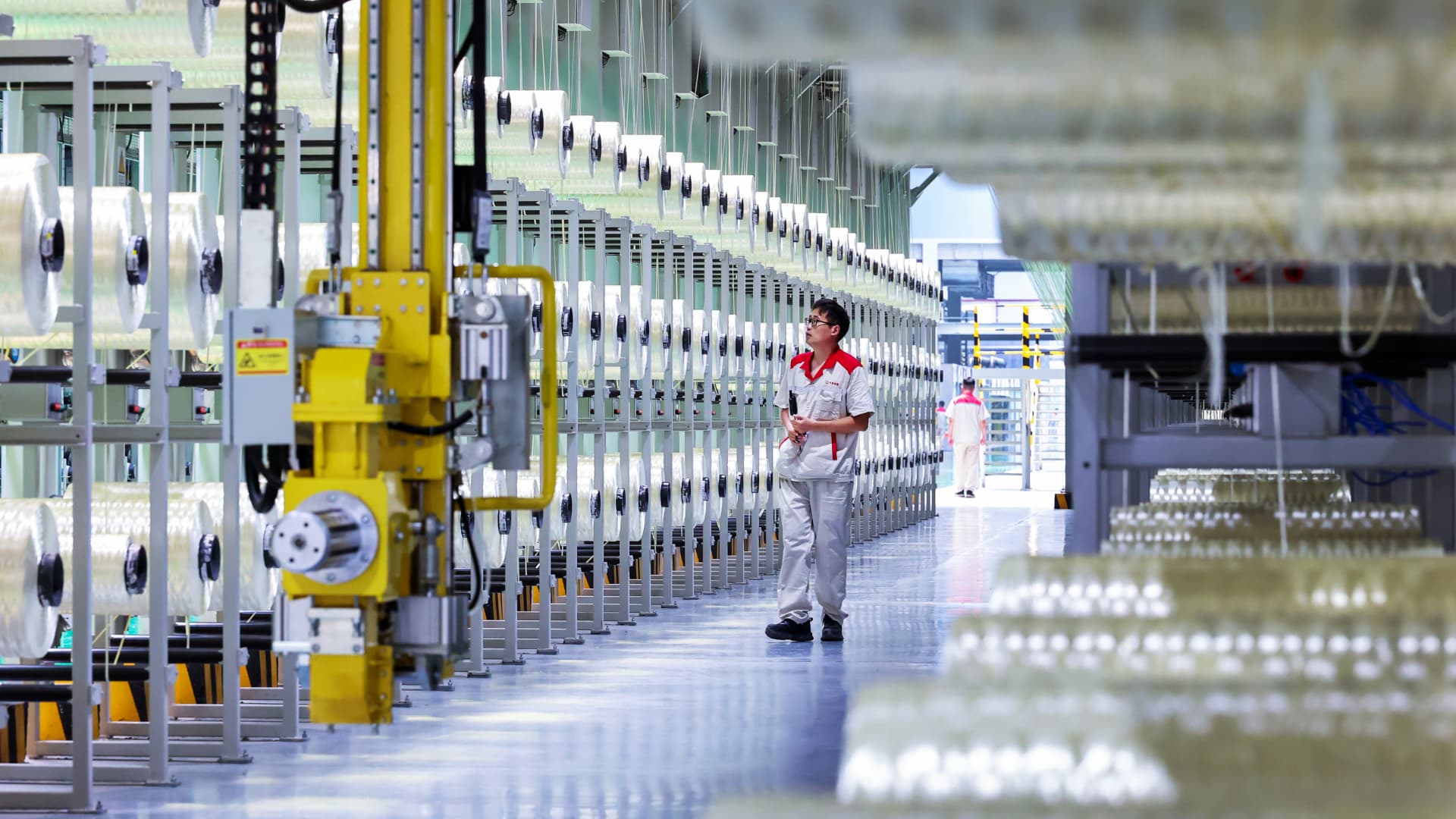
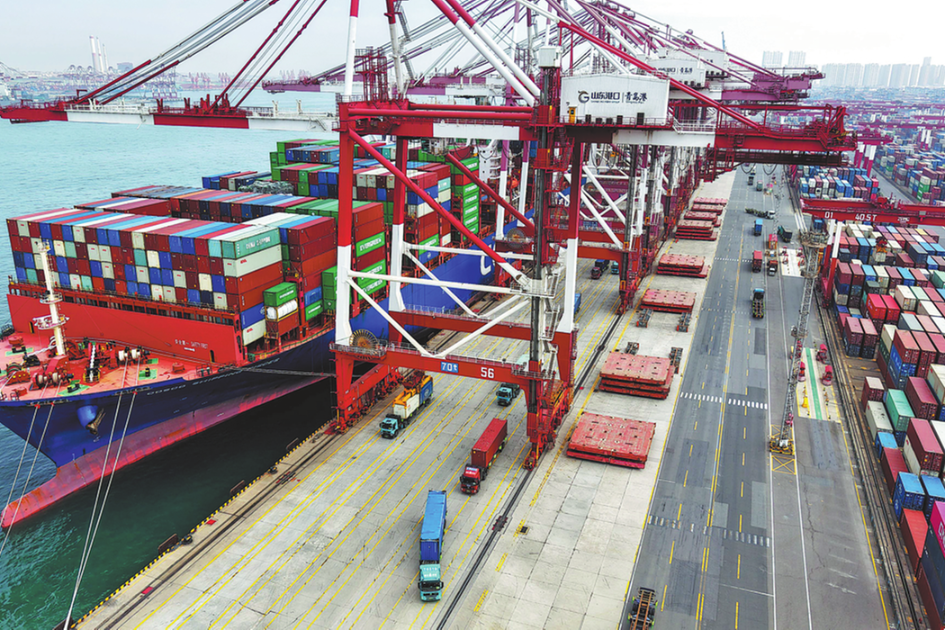
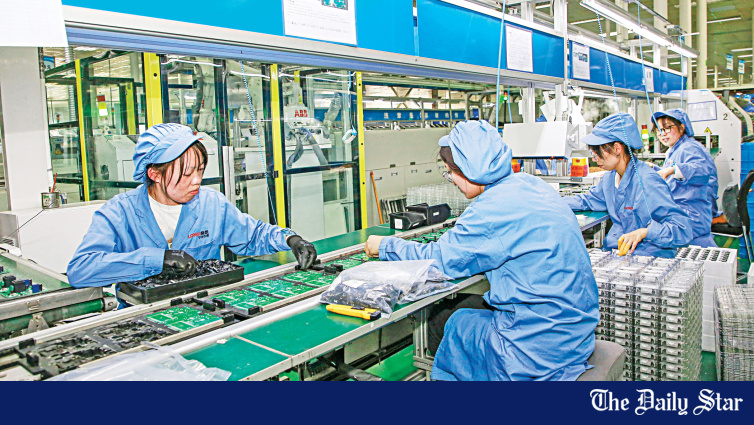
On the domestic macro front, imports and exports remain key drivers of growth. We expect China's foreign trade to stay resilient in the second half of 2026, supported by multiple factors including the global AI investment cycle. First, the continued capital spending cycle among overseas cloud providers is turning computing-power-related goods into an increasingly important driver of China's trade growth. According to China customs statistics, China's integrated circuit exports rose 83.7 percent year-on-year in the first four months, making a notable contribution to overall trade growth. We expect this support to persist in the second half. Second, elevated crude oil and natural gas prices caused by the Middle East conflict are likely to further boost global demand for new energy products. As a major producer of photovoltaic products, electric vehicles and lithium batteries, China continues to benefit from this trend. Third, China's relative cost advantages in manufacturing are set to widen. With oil and gas accounting for a lower share of its energy mix than in the European Union, Japan, South Korea and ASEAN economies, China is relatively less vulnerable to energy-price shocks, which could further strengthen the cost competitiveness of its manufacturers. Fourth, import growth is also expected to remain elevated in the second half, supported by stronger semiconductor supply-chain imports driven by rising AI computing demand, as well as higher import values for upstream commodities such as nonferrous metals, oil and gas amid price gains. Overall, we forecast China's full-year export and import growth in 2026 at around 13.2 percent and 15.5 percent, respectively.