in History, Nature | June 29th, 2026 Leave a Comment
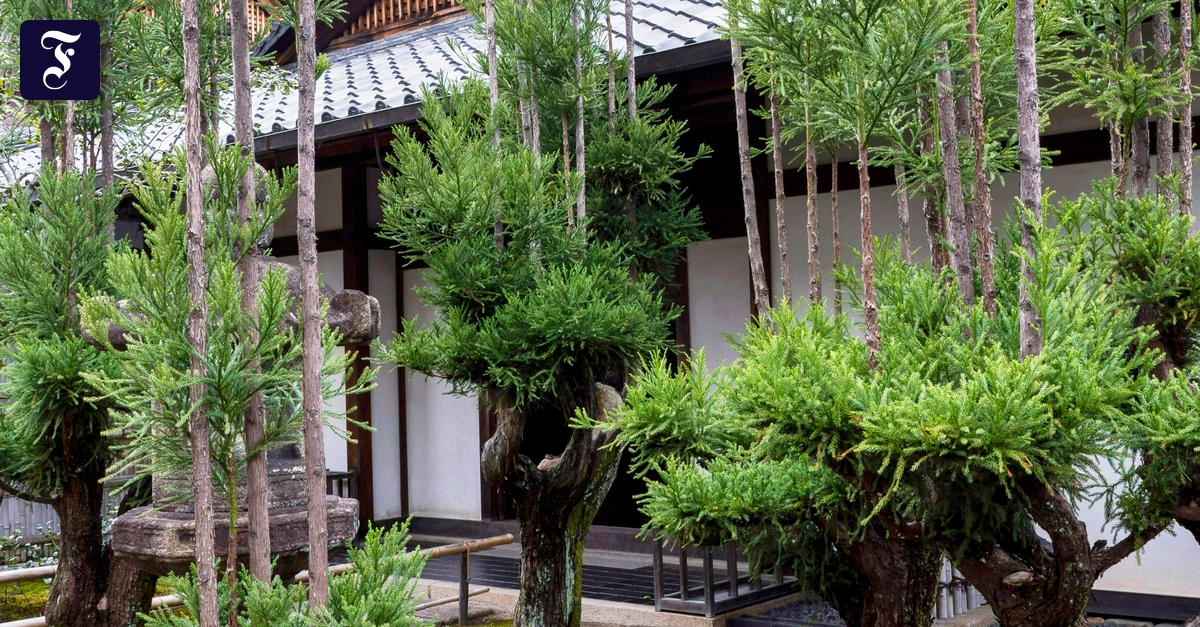
Ask anyone, of most any age and in most any society, how we get wood, and you’ll hear one answer: by cutting down trees. It’s therefore natural that any method of lumber production that leaves trees standing will get a lot of attention. Such has been the case with daisugi, the 600-year-old Japanese technique we’ve previously featured here on Open Culture. The Leaf of Life video above explains just what it involves: “Specially planted cedar trees are pruned heavily. Think of it as a giant bonsai.” While these operations take place biennially, “harvesting takes 20 years, and old tree stock grows up to 100 shoots at a time,” producing a stronger and more flexible wood to boot.
Such an unusual method of cultivation, you may imagine, must have arisen in unusual circumstances. As the video explains, daisugi was originally invented in the western Japanese region of Kitayama, well south of the Osaka-Kyoto-Nara conurbation.
Working under a shortage of seedlings and flat terrain, the arborists of Kitayama developed this method of foresting that made it possible to “reduce the number of plantations, make the harvest cycle faster, and produce denser wood as well.” More than a little of the demand for it owed to the fourteenth-century elite vogue for sukiya-zukuri, an elegant form of residential architecture much expanded from the traditional Japanese tea house.