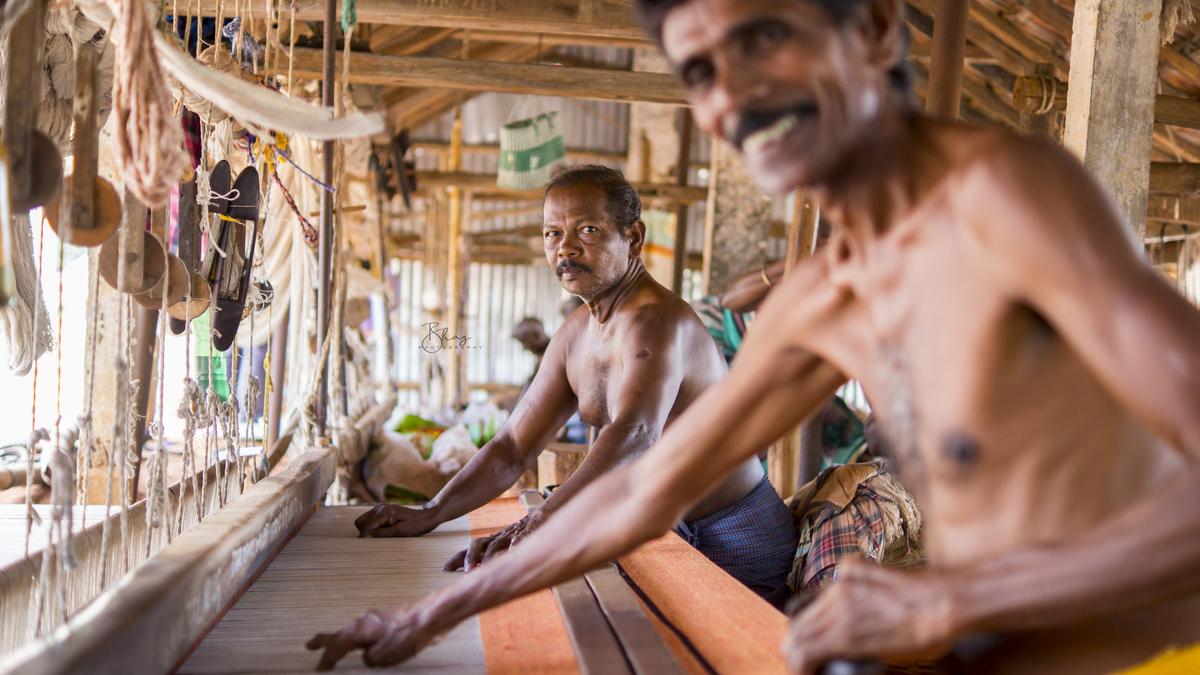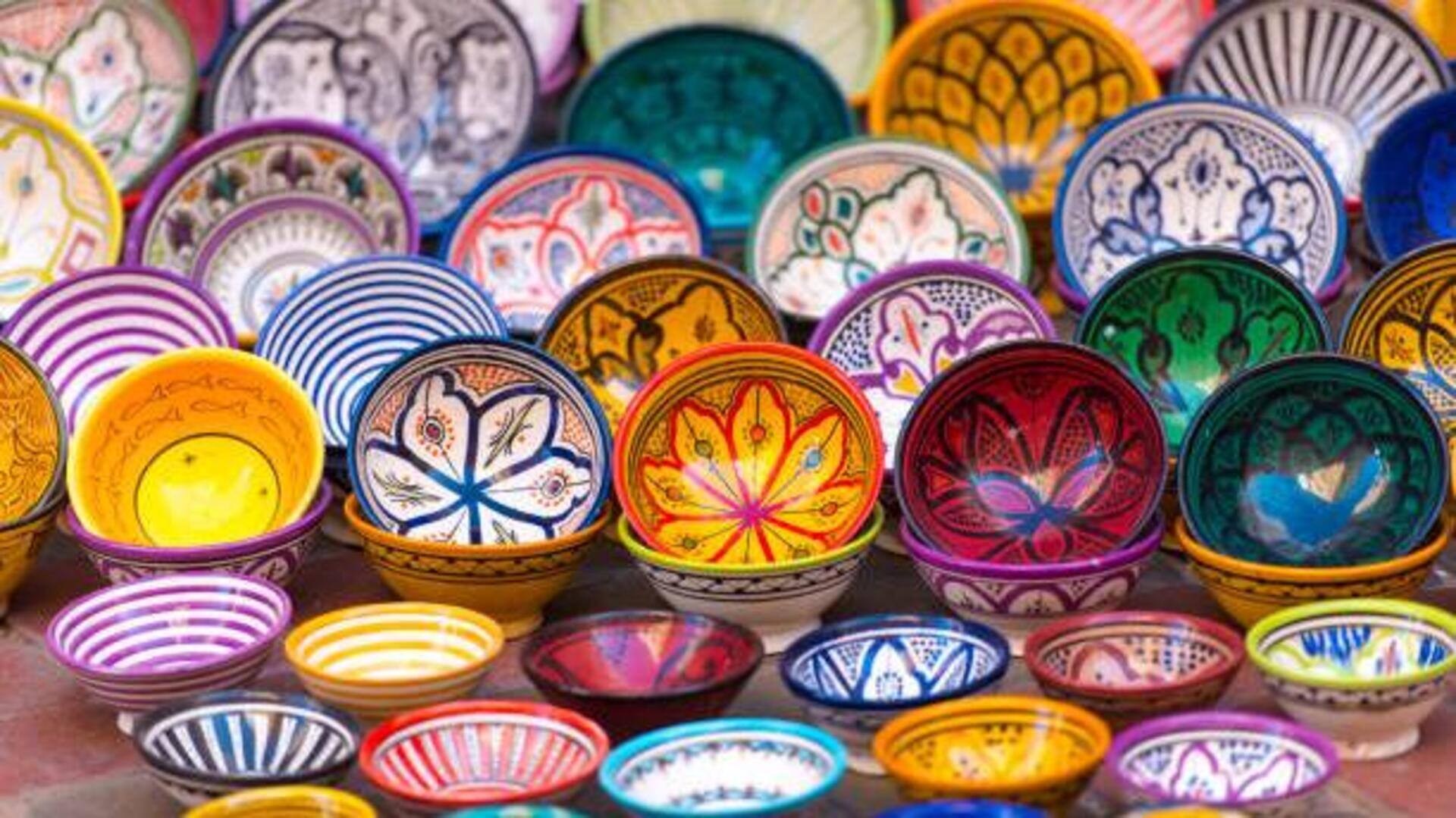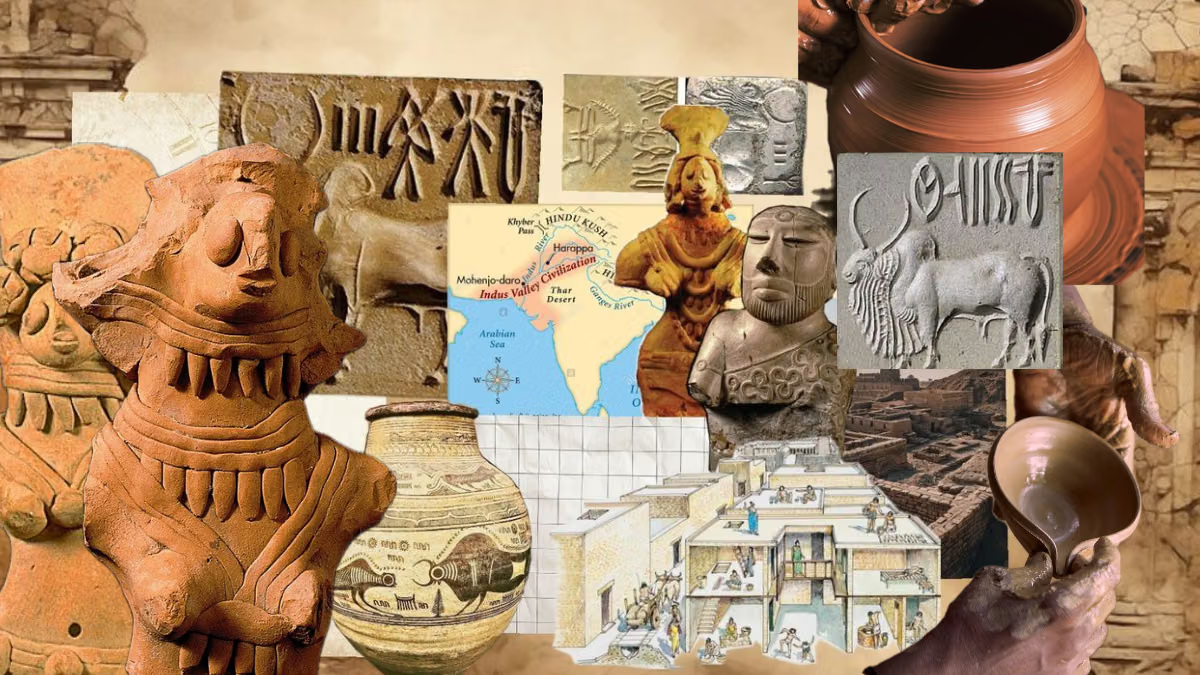
To be an archaeologist is to see traces of the past in the ordinary and the everyday. Archaeology is not confined to what lies buried beneath the ground, it is also embedded in the mundane living traditions, practices and artistic expressions. Craft traditions in particular reveal a remarkable capacity to endure, not by remaining unchanged, but by adapting to new social and economic realities while preserving generations of skill and technical knowledge. These living practices are more than cultural heritage; they are invaluable for understanding the past.
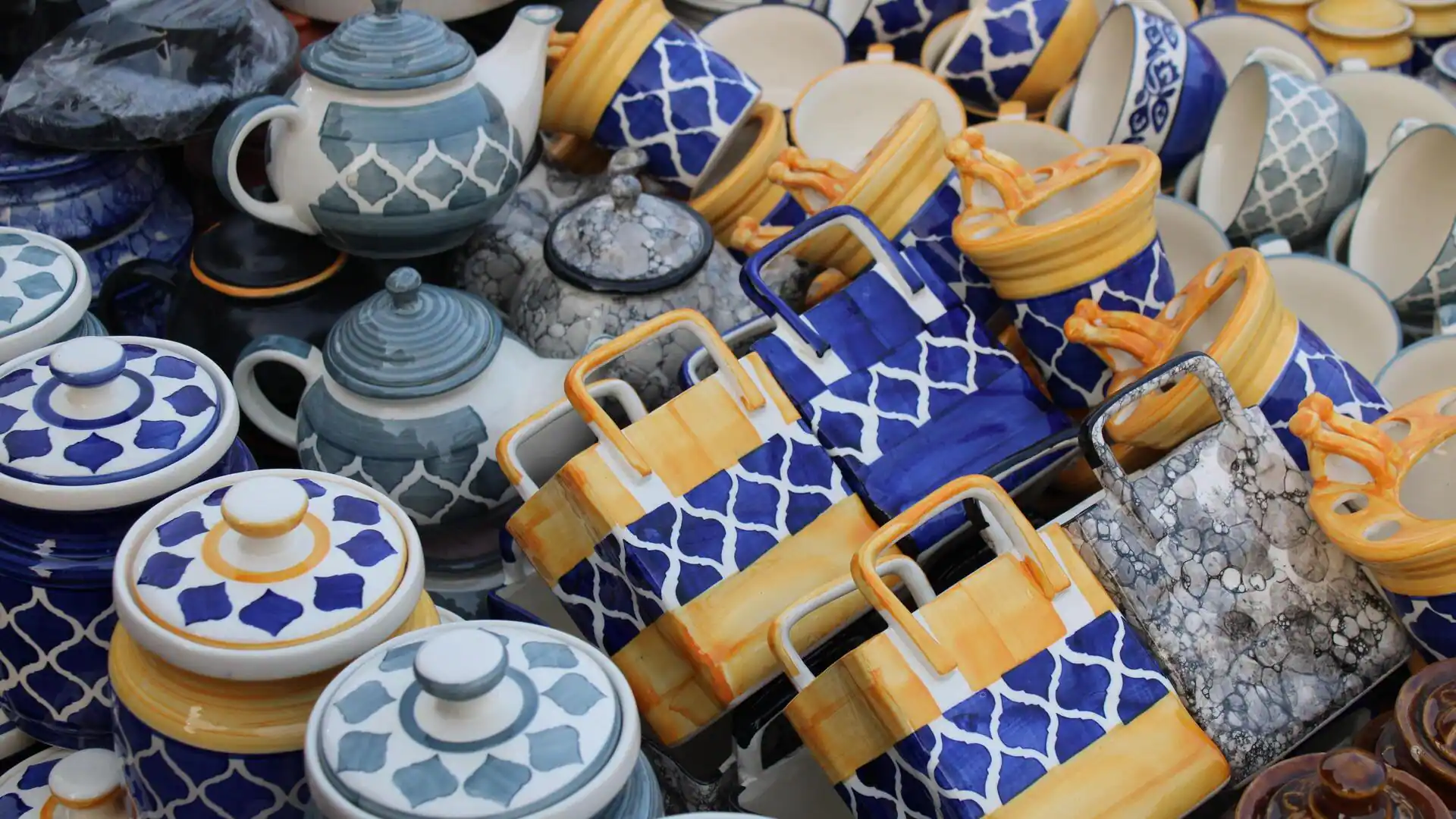
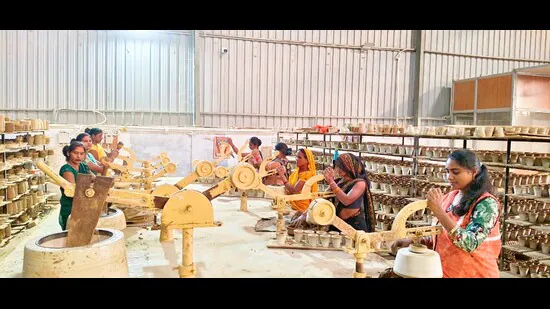
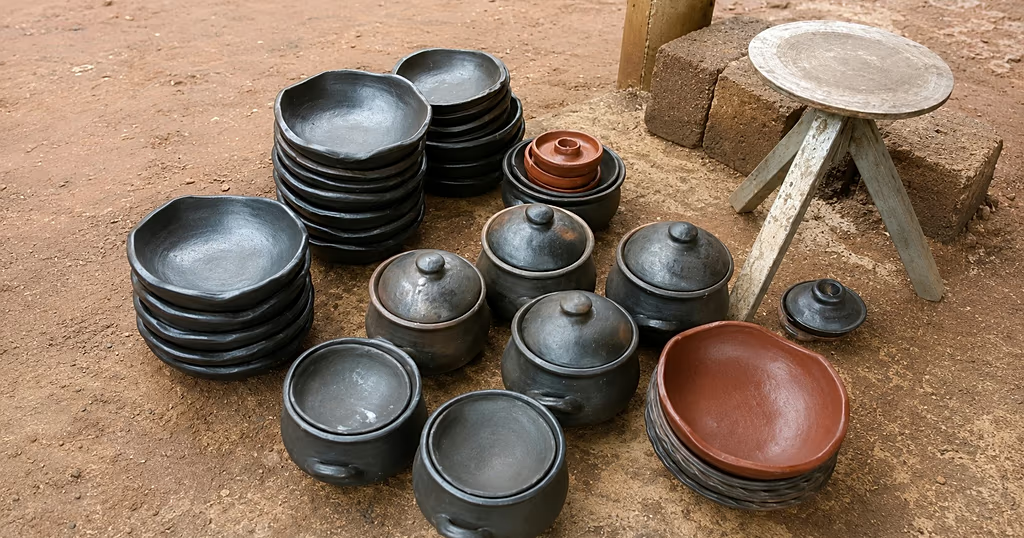
One such encounter unfolded at a contemporary craft enterprise in Ahmedabad, where the making of pottery became an unexpected lesson in ethnoarchaeology. The workshop does more than produce terracotta vessels, it reveals how ancient techniques continue to thrive through adaptation. It is also a story of migration, of craft travelling across regions from Tamil Nadu to Gujarat, of artisans finding new opportunities far from their place of origin, and of traditional skills being sustained through the vision and commitment of those determined to keep both craft and its practitioners alive.This is the story of Rajka Pottery, an initiative that gave Ayyanar artisans the space, patronage and creative freedom to practise their traditional craft in a new setting. In doing so, it has become a 21st-century example of how continuity and change can co-exist, and where pottery traditions are not simply preserved, but continually reimagined for a new market and a new generation.