(Getty Images Bank)
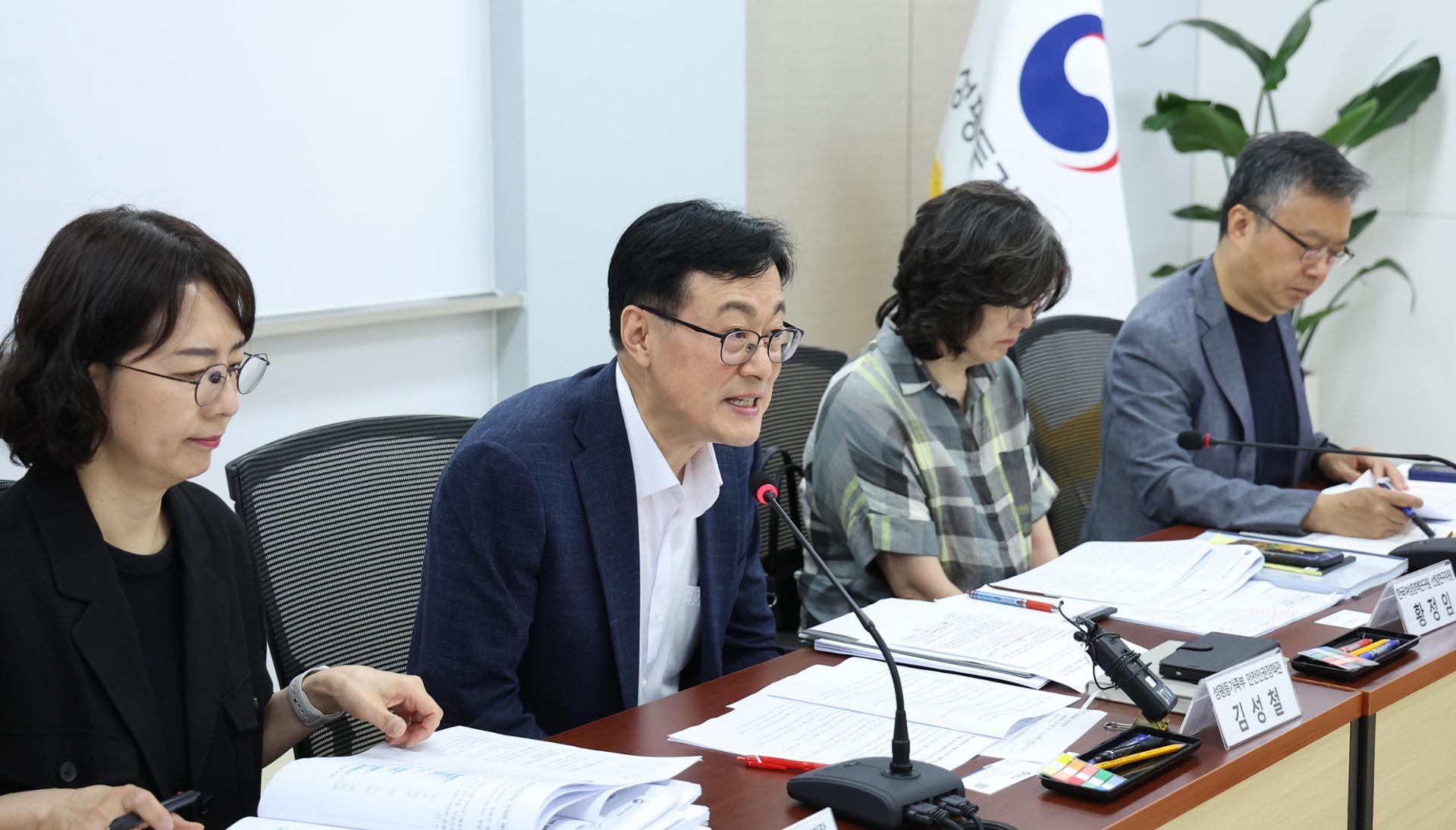
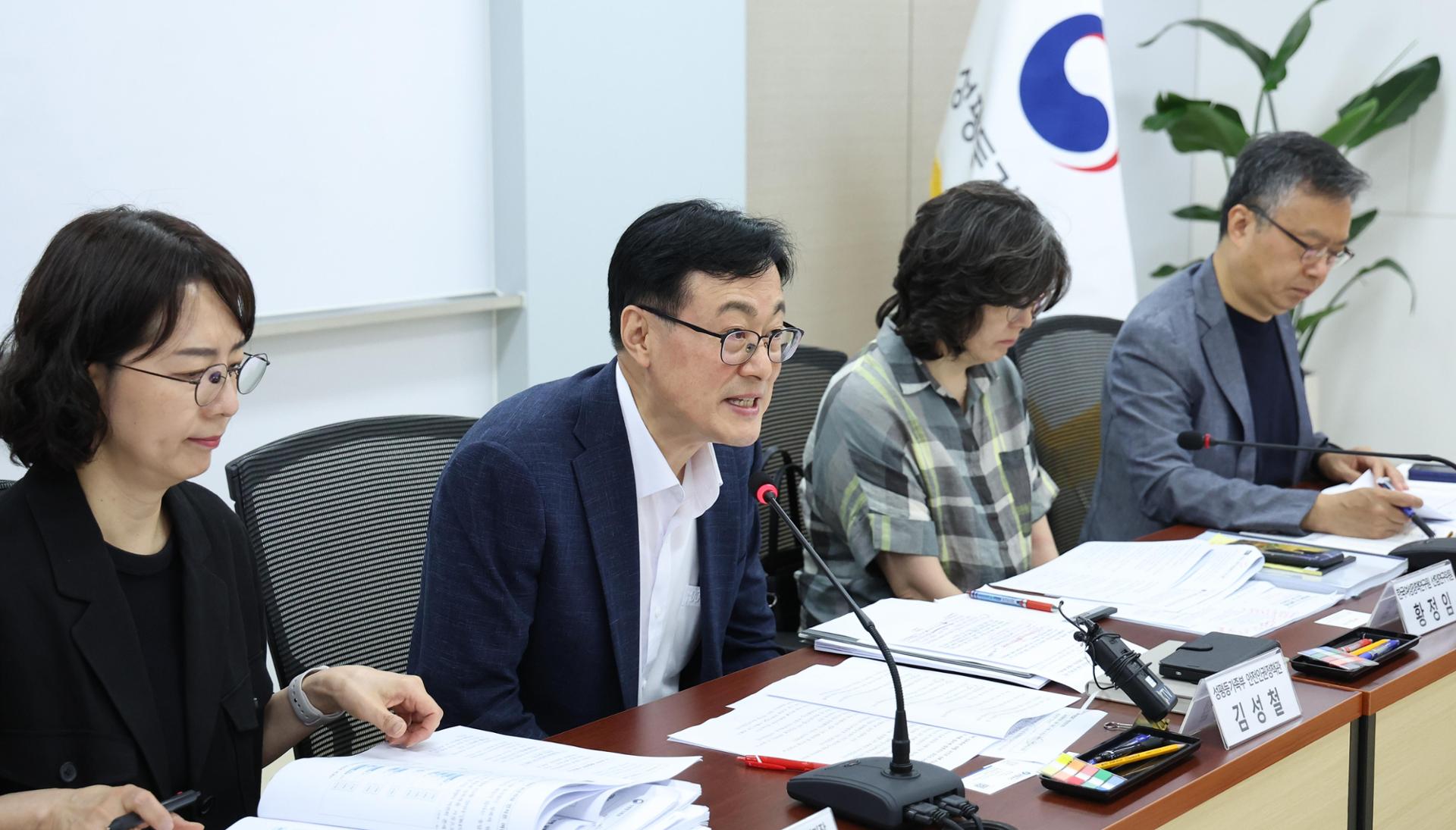
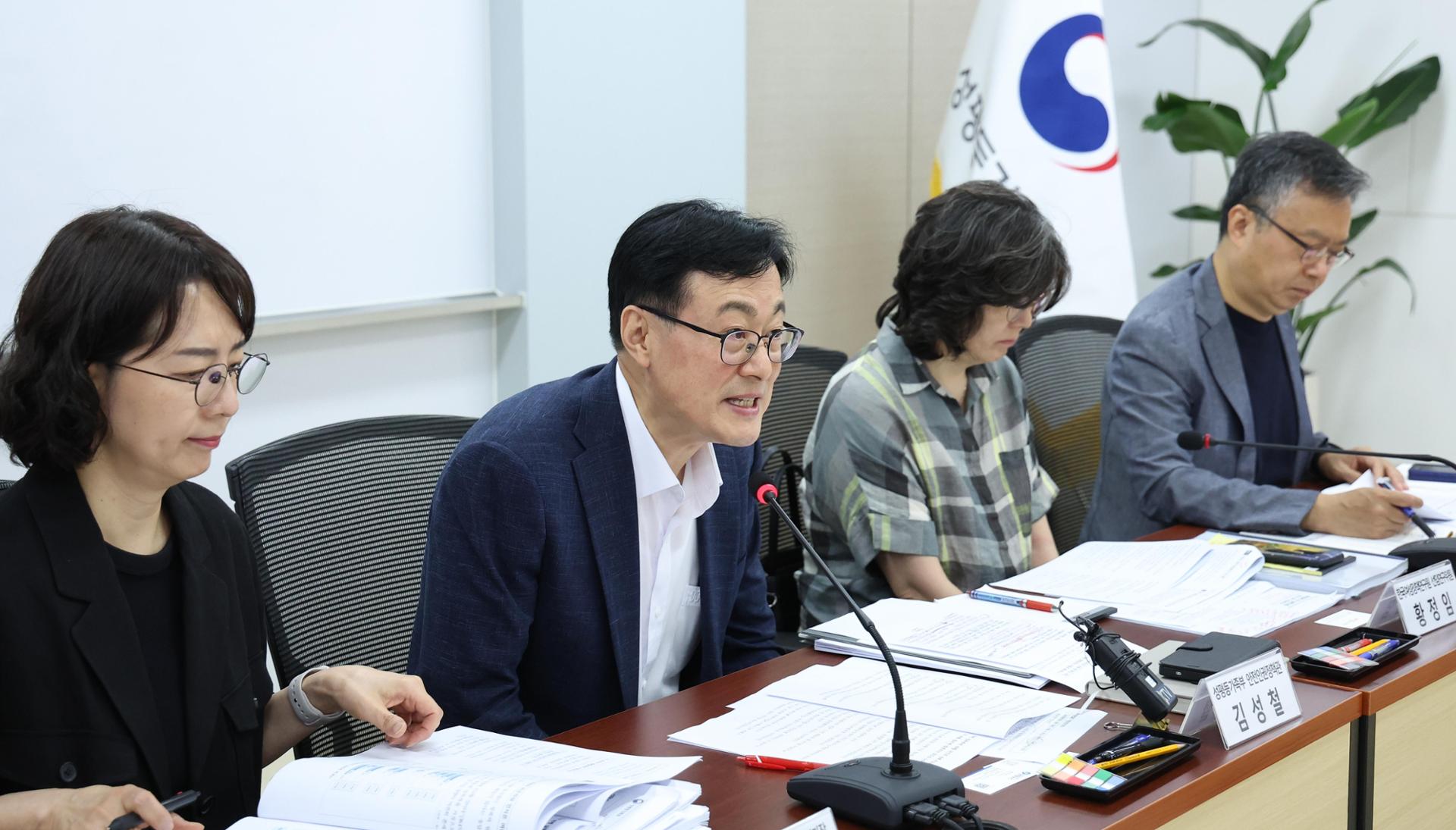
Among Korean women who have experienced illegal filming or deepfake sexual abuse, 4 in 10 said the perpetrator was a former romantic partner, according to a new government survey, a threefold increase from three years ago.Cases involving current partners and spouses have also risen, highlighting a growing trend of technology-facilitated abuse within intimate relationships.The Ministry of Gender Equality and Family on June 22 released the findings of its 2025 survey on sexual violence and safety. Conducted every three years since 2007, the study was carried out between April and December last year and surveyed 10,151 men and women aged 19 to 64.Among women who reported experiencing image-based abuse in the form of illegal filming or sexualized deepfakes, 42.5% identified a former boyfriend or partner as the perpetrator, with respondents allowed to select multiple answers. In the previous survey conducted in 2022, only 13.8% named an ex-partner as the offender.Victimization by current partners also increased, rising from 10.3% to 18.1%, while cases involving spouses more than doubled from 6.0% to 13.4%.By contrast, the proportion of victims who said the perpetrator was a complete stranger dropped sharply, from 47.6% in 2022 to 14.6% this year.Kim Seong-cheol, the director general for safety and human rights policy at the ministry, said the trend appears to reflect a combination of “desires to retaliate against former partners or inflict sexual humiliation after a relationship ends, and changes in the technological environment, such as generative AI.”The survey also found a significant shift in how victims became aware that illicit images or deepfake content of themselves had been distributed.Among female victims, 34.1% said they learned about the distribution through people they knew, while 32.3% said they became aware of it after receiving threats from the perpetrator. In the 2022 survey, no respondents reported discovering the abuse through threats from the offender, while 75.1% said they learned of it through people they knew.Experts say the change is closely linked to the growing share of cases involving former romantic partners.Choi Ran, the deputy director of the Korea Sexual Violence Relief Center, said the findings suggest an increase in former partners threatening to distribute illegal recordings or deepfake content as a means of intimidation, and in some cases carrying out those threats.“The results indicate that violence occurring within intimate relationships is becoming more severe,” Choi said.The survey also shed light on the circumstances surrounding cases of rape and attempted rape.When asked about the circumstances of their rape or attempted rape, respondents most often identified coercion as a contributing factor, with 84.4% saying they had been pressured into sexual acts. This was followed by deception (47.7%), threats (47.6%), verbal abuse (42.0%), persuasion or manipulation (31.1%), and physical violence (25.5%).In the 2022 survey, coercion was cited by only 38.6% of relevant respondents, meaning the proportion more than doubled over the past three years.The findings are likely to fuel calls for legislation recognizing non-consensual sex as rape, regardless of whether physical violence or threats were used.Under current South Korean law, rape is defined as sexual intercourse achieved “by means of violence or intimidation.” Courts generally require proof that the violence or threats were severe enough to make resistance effectively impossible.Potential amendments to the law would instead focus on the absence of consent, enabling sexual acts carried out without consent to be punished as rape even in cases where violence or threats were not involved.Choi argued that the survey demonstrates a disconnect between the legal definition of rape and the realities experienced by victims.“The findings confirm that violence and intimidation, as currently defined in laws related to rape, do not fully reflect the reality of sexual violence,” she said.Minister of Gender Equality and Family Won Min-kyong has also repeatedly emphasized the need to consider legislation defining non-consensual sex as rape.Kim said many victims subjected to coercion and similar forms of abuse are not adequately protected under existing law.“As reflected in the survey results, there are cases in which victims of coercion are not protected by the current legal framework,” he said. “We are discussing the issue of legislation on non-consensual sex as rape with experts and relevant government agencies and will work to find the best solution.”By Son Ji-min, staff reporterPlease direct questions or comments to [english@hani.co.kr]