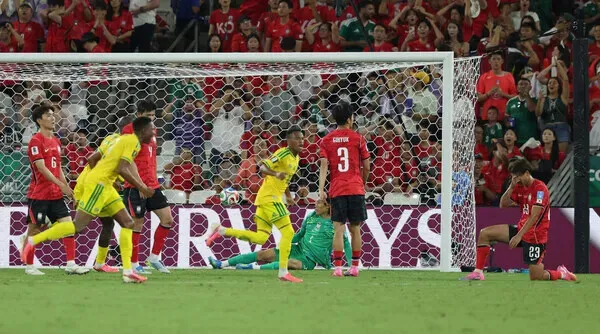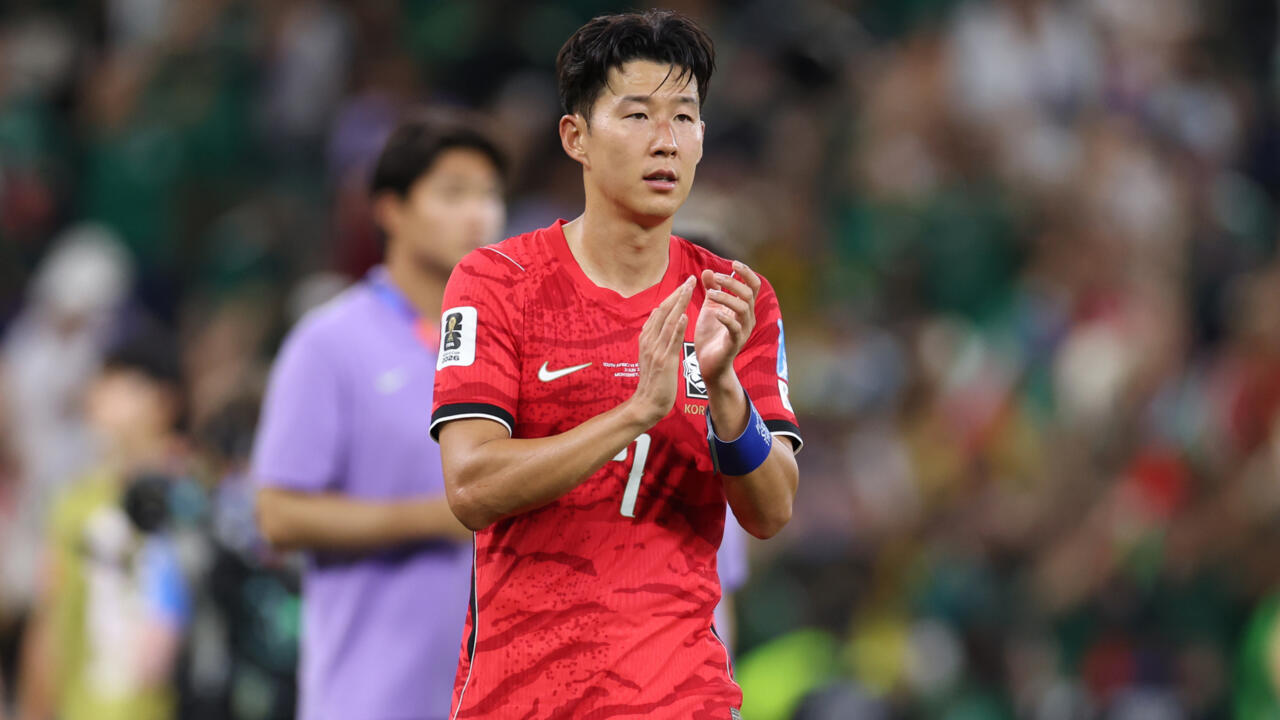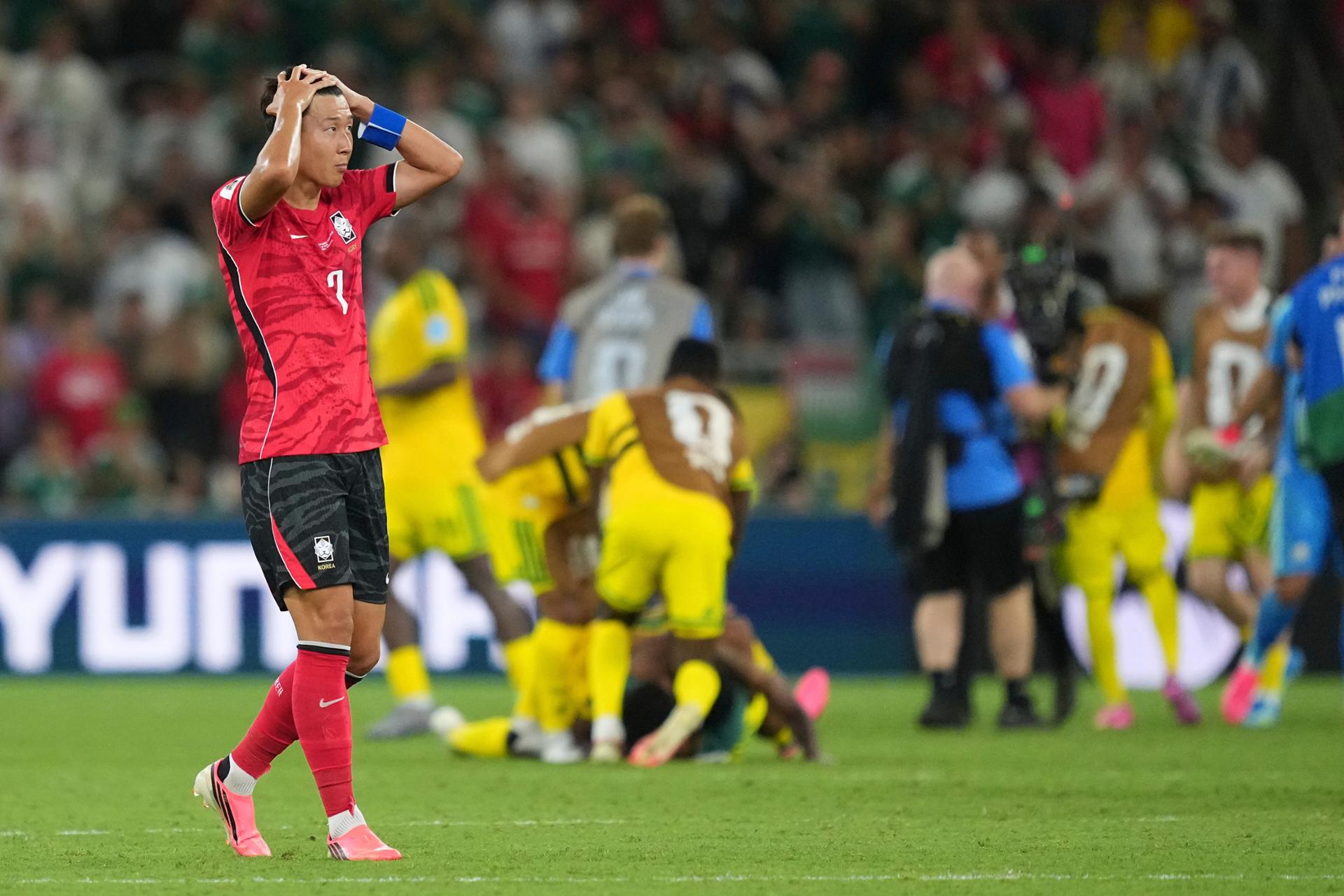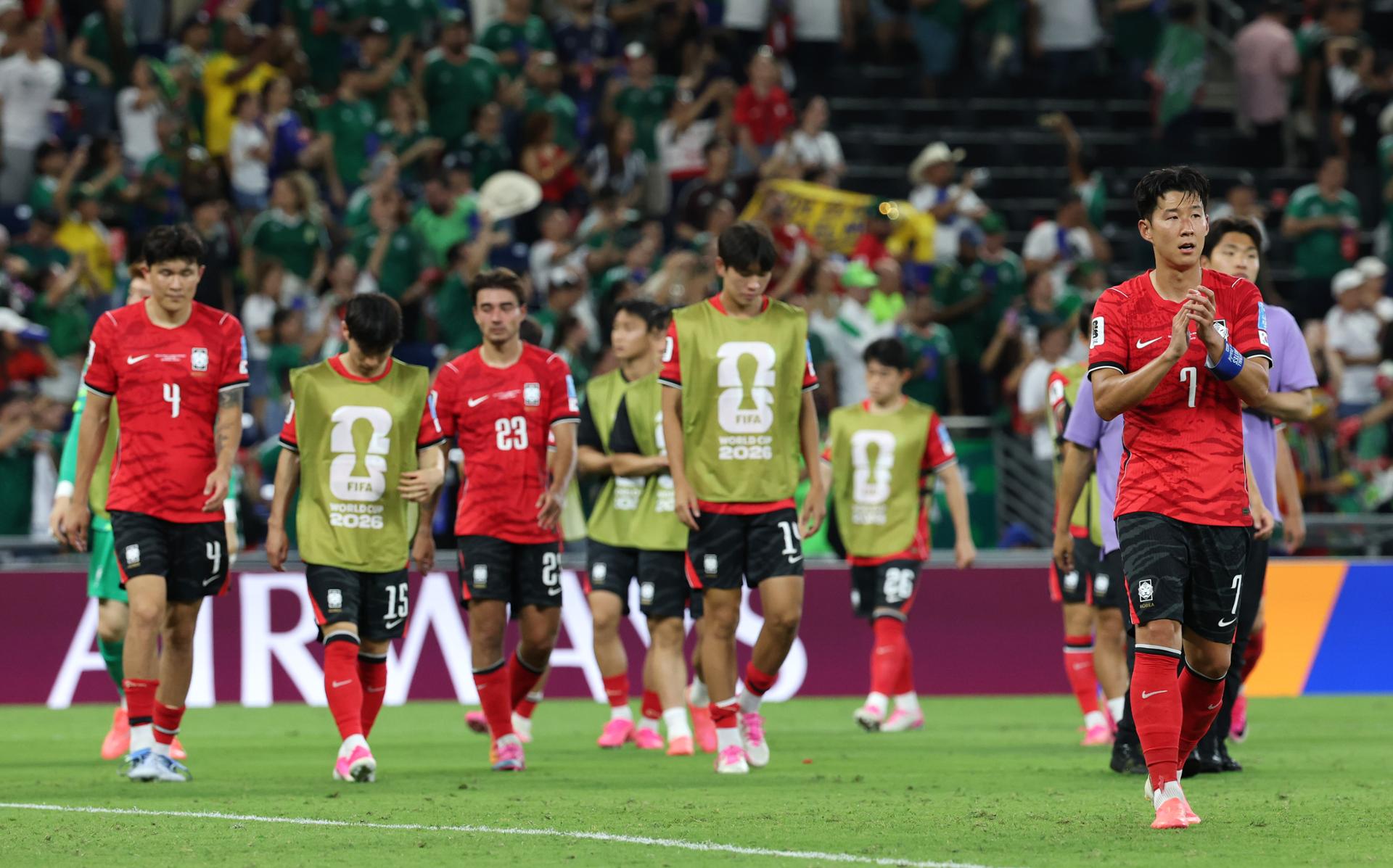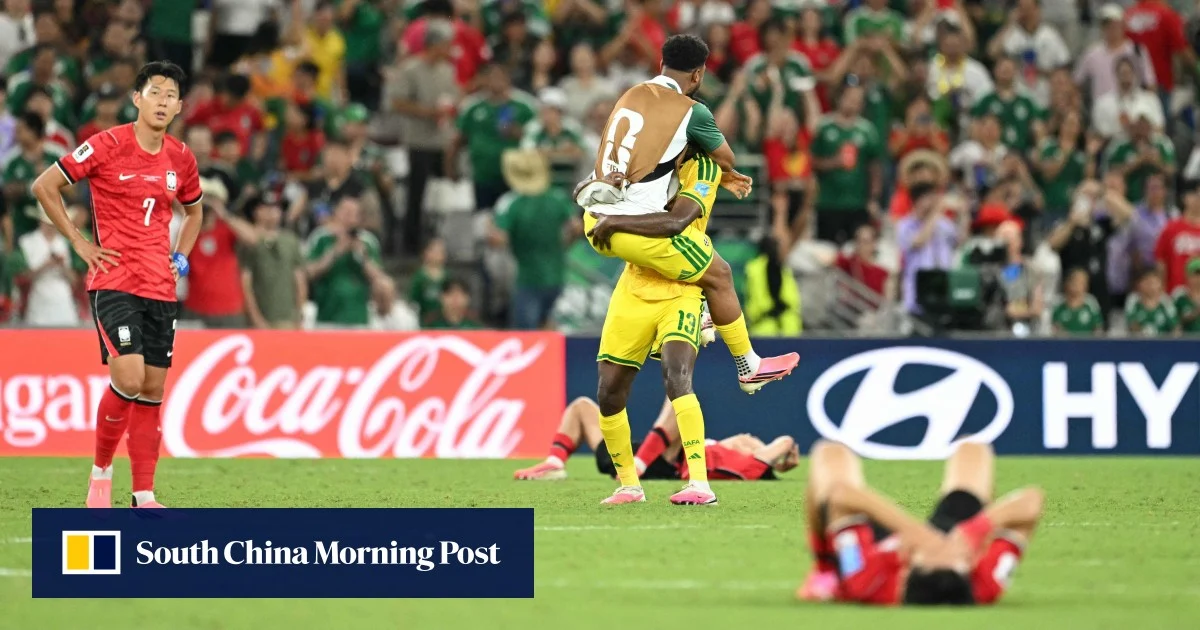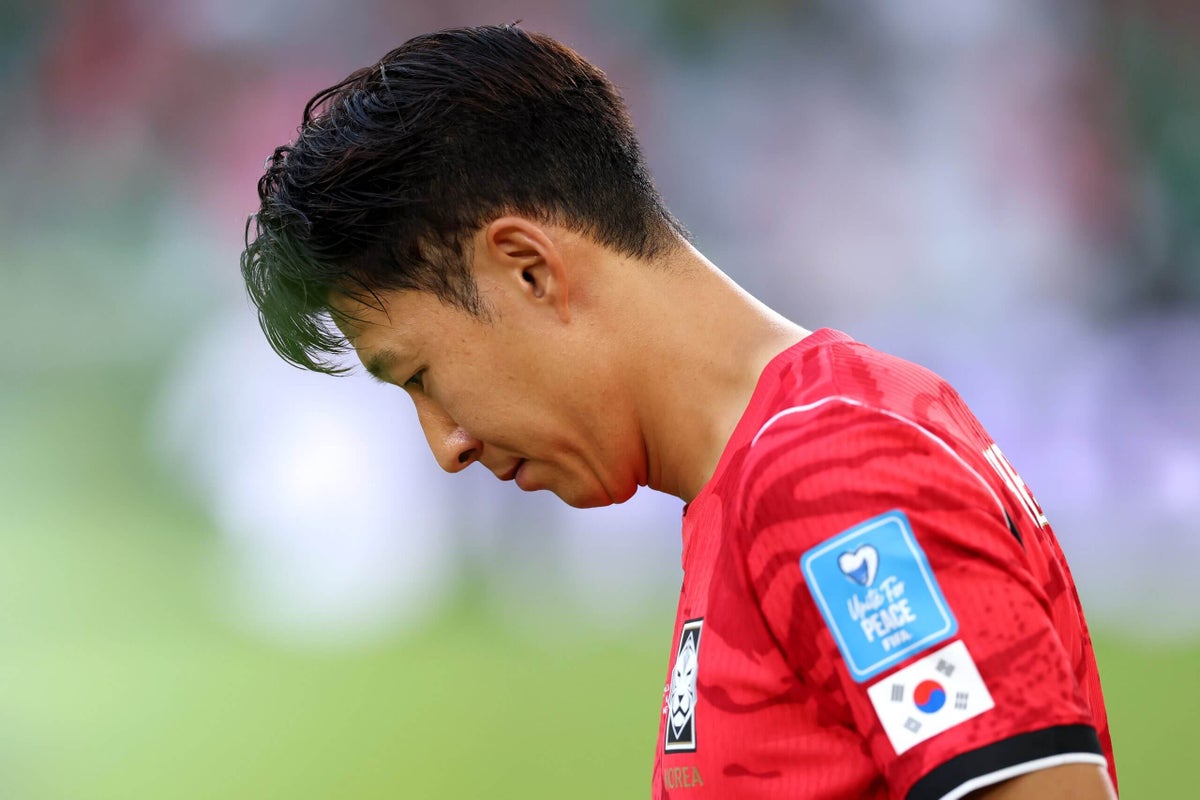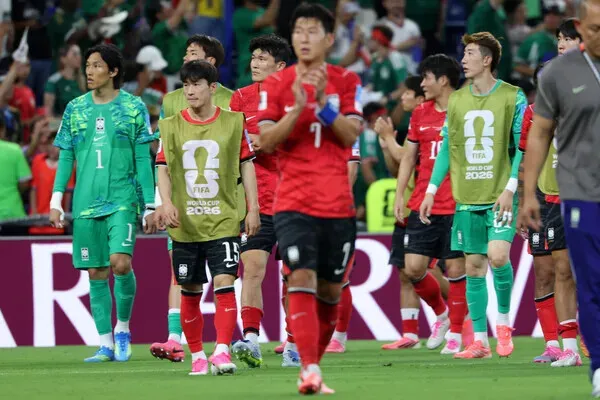
Song Heung-min and the rest of Team Korea react to their loss to South Africa in their final match of the group stage at the World Cup in Monterrey, Mexico, on June 25, 2026 (Korea time). (Kim Young-won/Hankyoreh)
Korea’s elimination from this year’s FIFA World Cup was an agonizing exercise in false hope. Fans were dejected after Wednesday’s 1-0 upset loss to South Africa in their final Group A game, but over the next three days, they monitored the tournament’s other results given that Korea was eligible for a berth through the third-place bracket. In the end, they learned a harsh truth of the unforgiving world of competitive sports: You’re only as good as your last performance. So how exactly did things turn out this way?
Korean fans celebrate after their team’s win against the Czech Republic in the first game of group play in the World Cup at the Guadalajara Stadium in Mexico on June 11, 2026 (local time). (Kim Young-won/Hankyoreh)
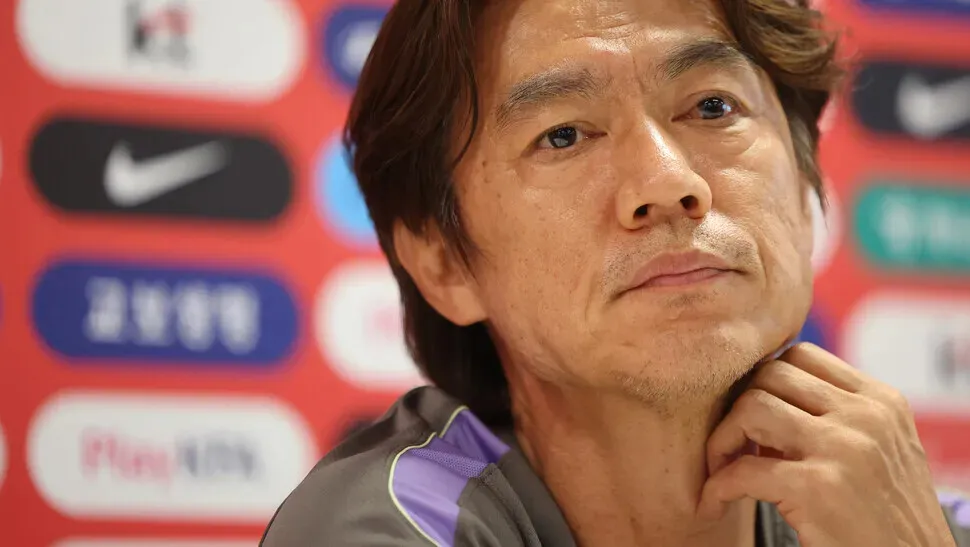
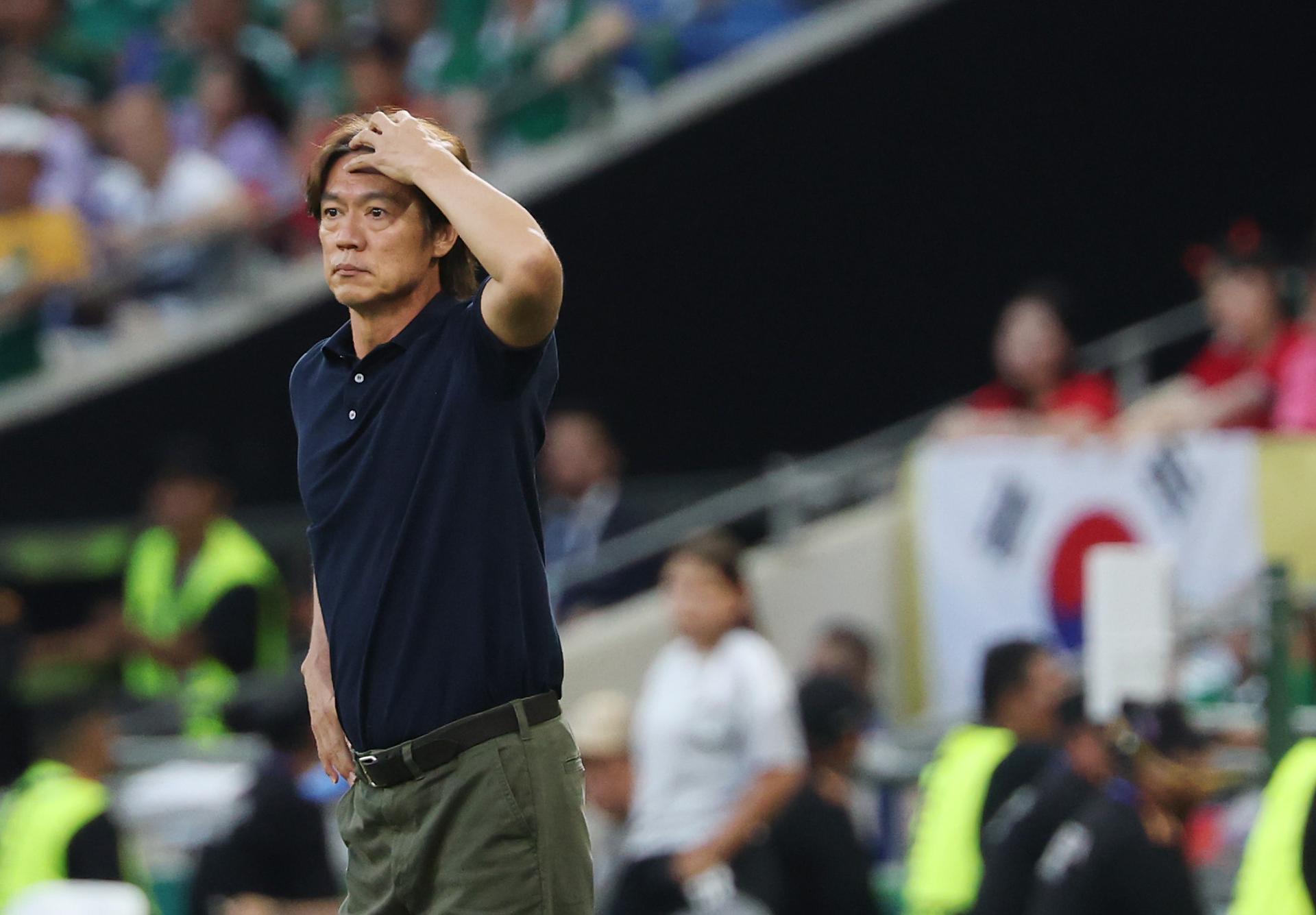
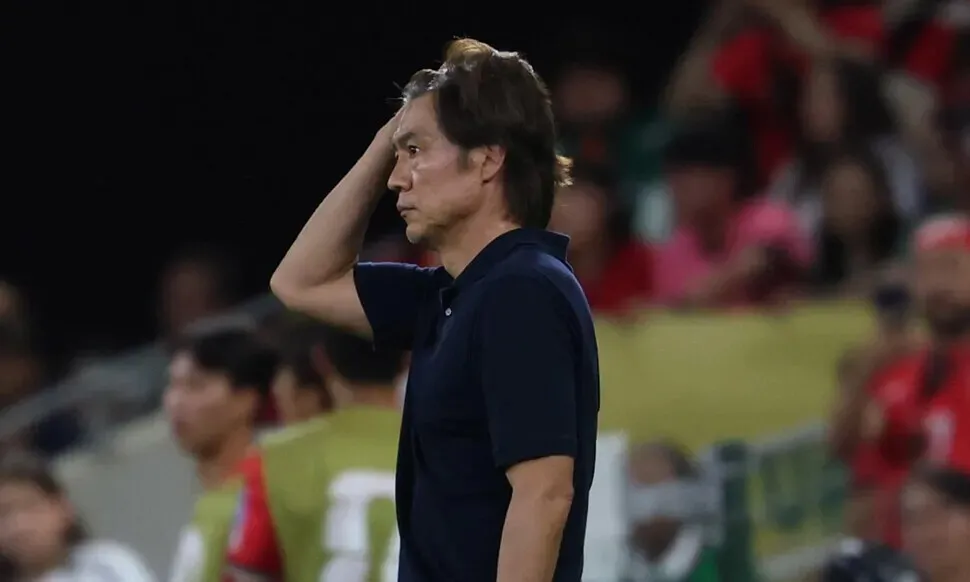
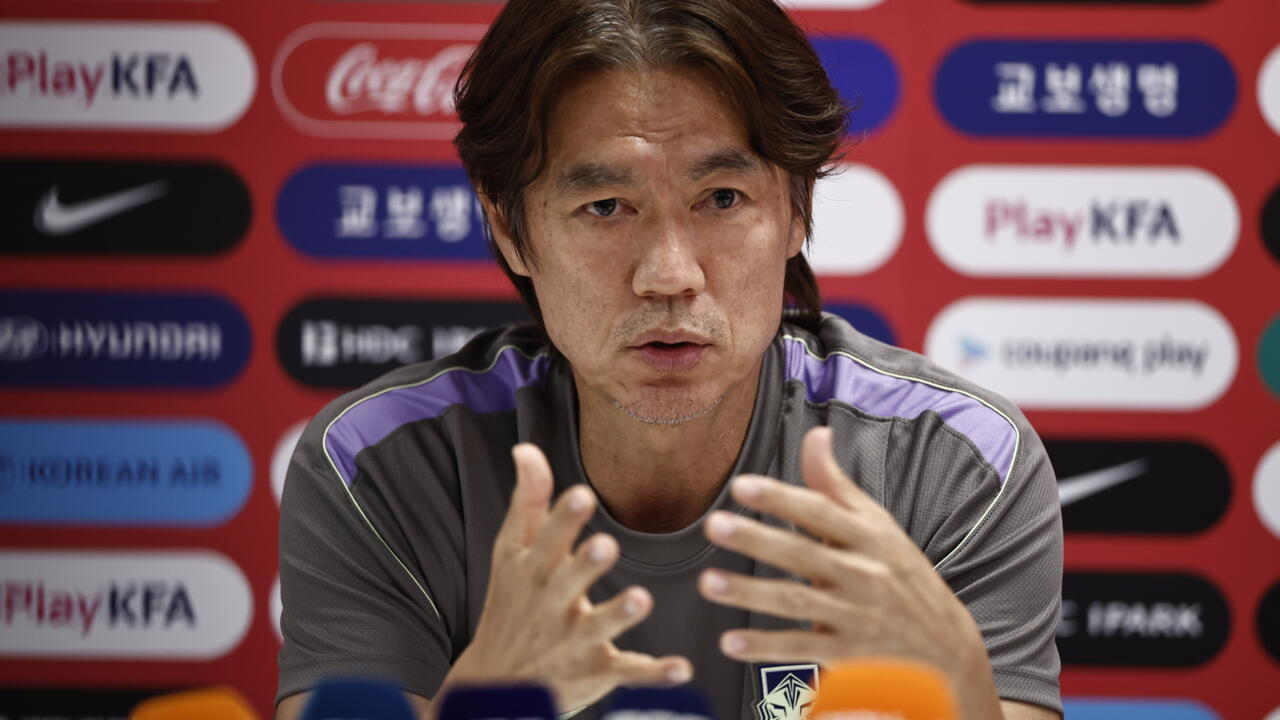
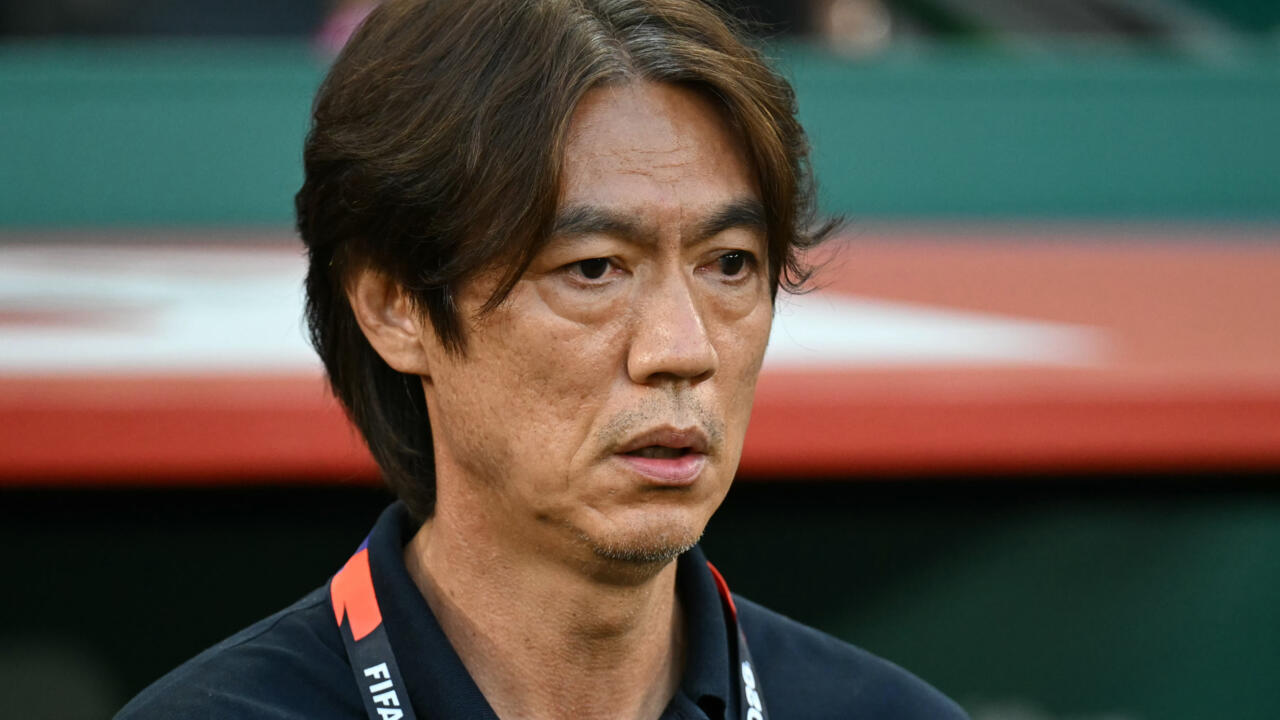
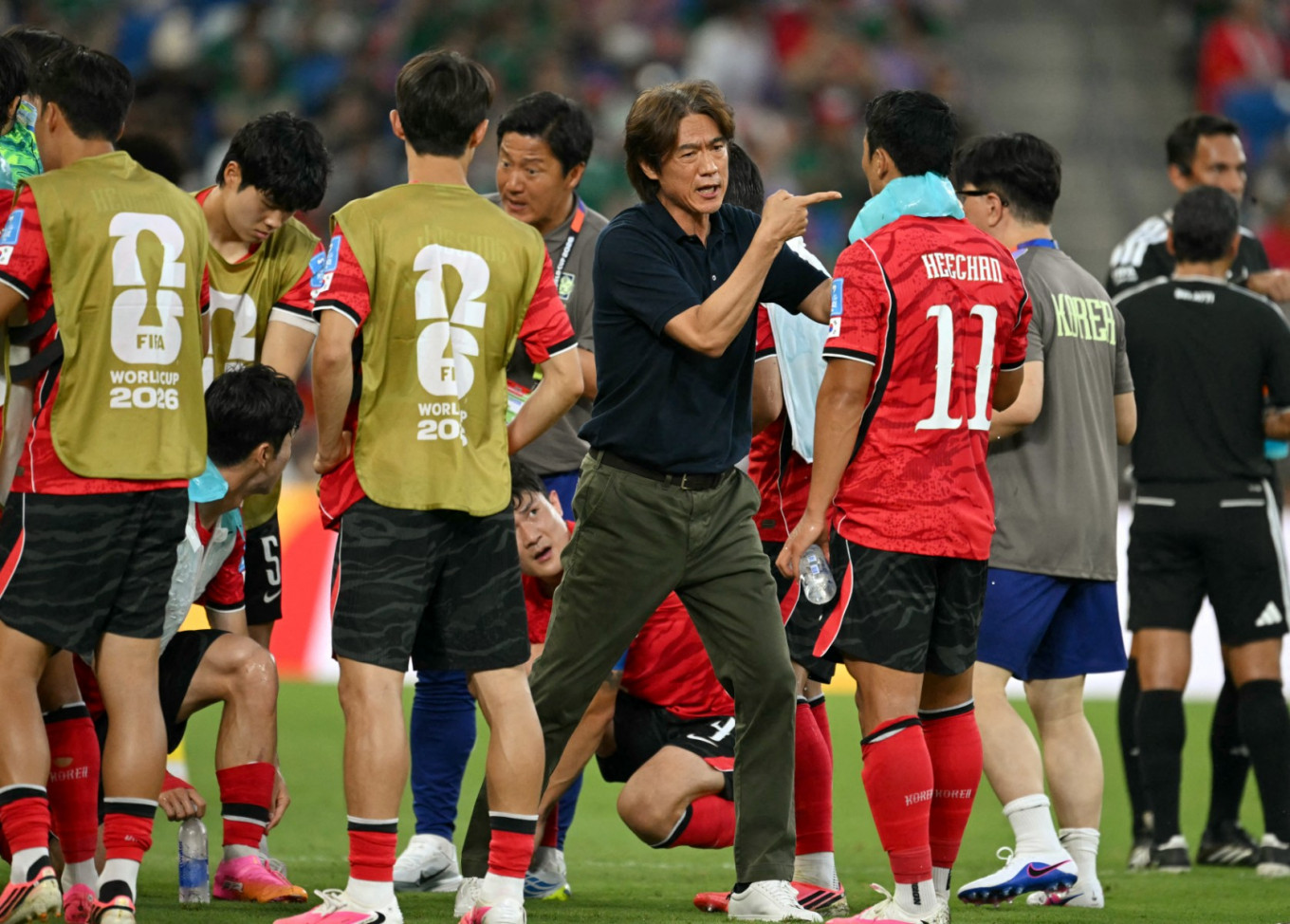
Coach’s tactical misstepsThe appointment of Hong Myung-bo as head coach for this World Cup, despite his previous disaster of a draw and two losses at the 2014 edition in Brazil, stemmed from the hope that the lessons from his past experience would enable him to succeed this time around. Indeed, he is known to have devised a pragmatic, results-oriented strategy as his playbook to avoid repeating the same mistakes. With no easy opponents among the 48-team field, Hong’s plan was to focus on defense and secure wins by a margin of one or two goals. Against South Africa, however, his excessively cautious approach led to catastrophe.When Korea gave up the opening goal, it should have shifted to attacking mode. Instead of fearing conceding another score, the team could have used its offensive firepower to tie and even put in the go-ahead goal. Missing that decisive chance was a huge letdown for fans, who expected spectacular play from Korean stars.Kim Dae-gil, a veteran soccer commentator for the cable channel KBS N, said that the team “expended too much energy in its first two group games.” But ultimately, the coach is responsible for getting the players to run more.