Thursday 25 June 2026 5:59 am
| Updated:
Monday 29 June 2026 9:53 am
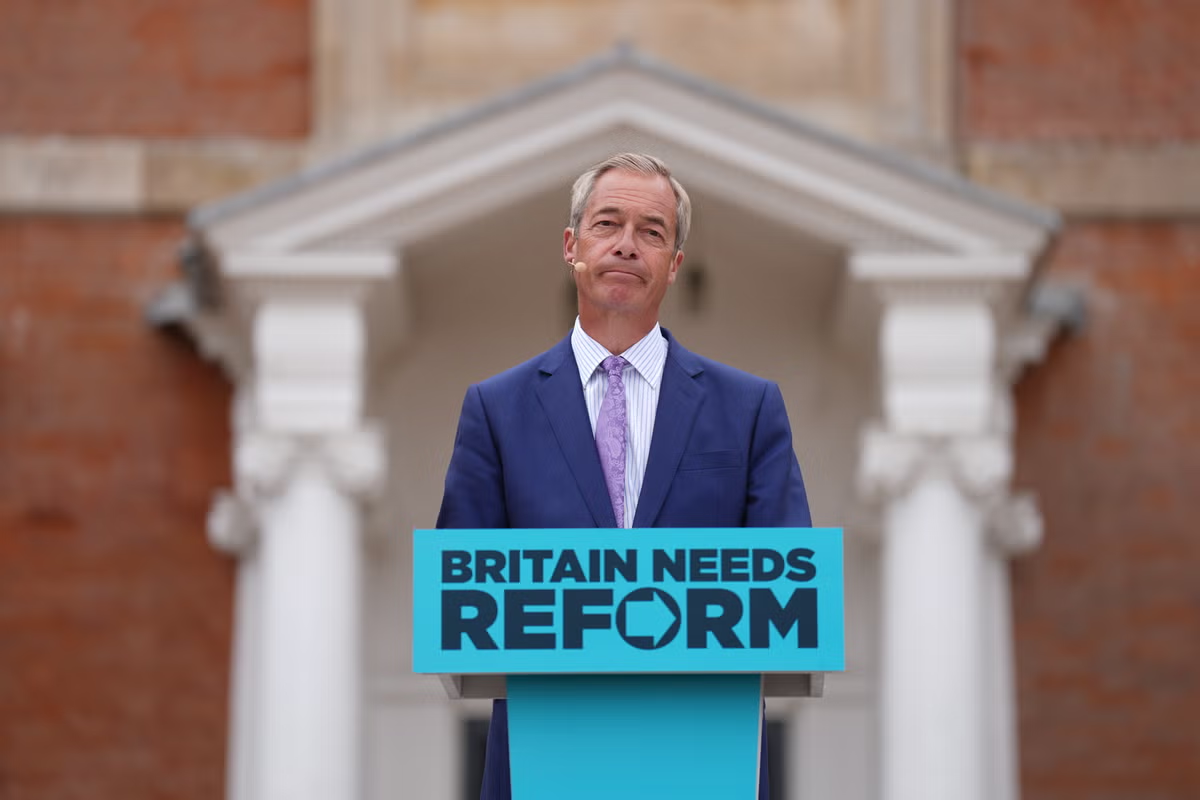
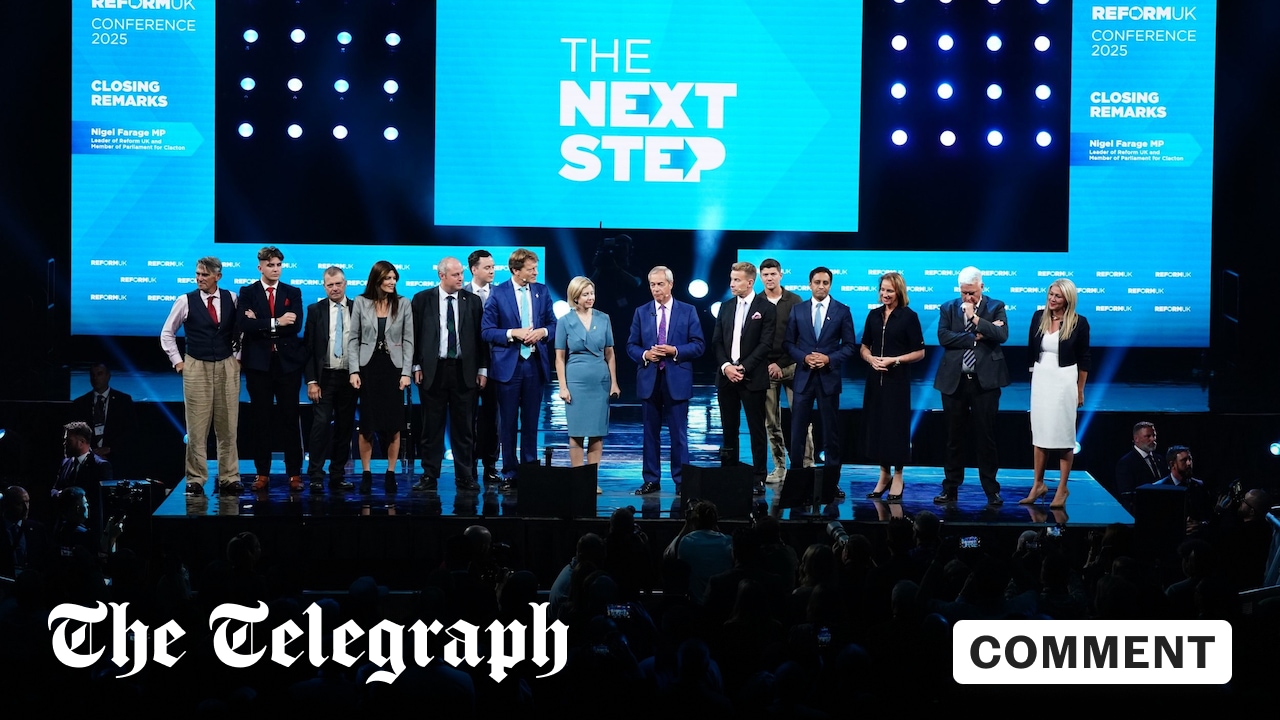
Reform announced its 'shadow cabinet' on Tuesday. (Image: PA).
They may be dominating all the opinion polls, but have Reform hit a wall? James Ford considers if the party has peaked.Something is going very badly wrong for Reform UK. They are supposed to be the next big thing. The coming men. The heirs apparent. The real opposition. Yet, while they still top every opinion poll, their lead is shrinking and they don’t seem to be able to win by-elections anymore. Reform’s top brass is having increasingly nervous conversations about the party’s future. The idea that Reform has peaked is being actively discussed across Westminster.The 2025 Runcorn and Helsby by-election – where reform overturned a Labour majority of nearly 15,000 – feels like a long time ago yet it was actually only a little more than a year ago. Since then, there have been the Caerphilly contest, Gorton and Denton, and now Makerfield. All were seats that, on paper, Reform could have won. But they were pipped to the post in every one. In particular it cannot be understated how bad the Makerfield result is for Reform. It was the party’s sixth most winnable seat and they had won 24 out of 25 seats on the local council in the local elections mere weeks before the people went to the polls to elect a new MP. It is tempting to conclude that Reform simply has a candidates problem. In Gorton and Denton and Makerfield, the Reform candidates were both revealed to have a history of being outspoken on social media (though in rather different ways). Maybe a bit more vetting by party HQ will solve this and prevent it becoming an ongoing problem, but this has been a long-running issue for the party. And it doesn’t look like something that the party can fix in time for a possible snap election. They simply may not have 650 potential MPs without problematic twitter feeds. Expectation managementIf it’s not the candidates (or the lack of robust vetting), then perhaps Reform has an expectation management problem. In each of three recent by-elections that they could have won, they acted like the result was a forgone conclusion in their favour from the off. Older, wiser political parties know that it is important to manage the public’s expectations – and your opponents – by talking down your prospects during the campaign. If you think you are going to win, you say that it is really close. If you think you may lose, say you are braced for an even worse result. That way, when the result is in, you can always manage to confound – and ideally exceed – expectations. But I think Reform UK has a bigger problem. Electing Reform is less of a priority for the public than stopping them. Stopping Reform has become a tangible, palpable motive for the electorate. It may be that ‘Stop Reform’ is now the most powerful force in British politics. It crosses party lines, unifies left and right, and makes for strange, unspoken alliances. The Caerphilly, Gorton and Denton, and Makerfield by-elections were each won by different parties, but ‘Stop Reform’ was the real winner in each of them.