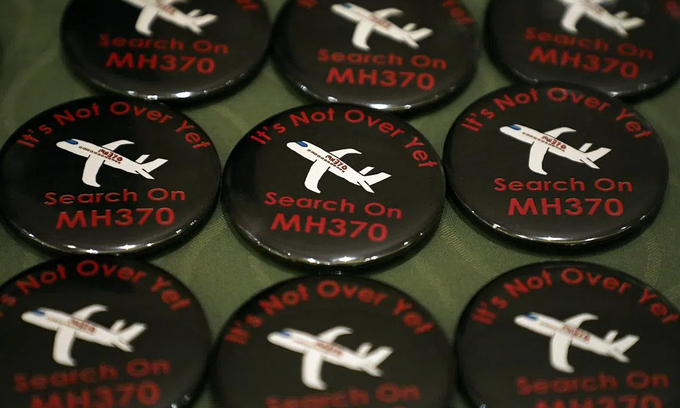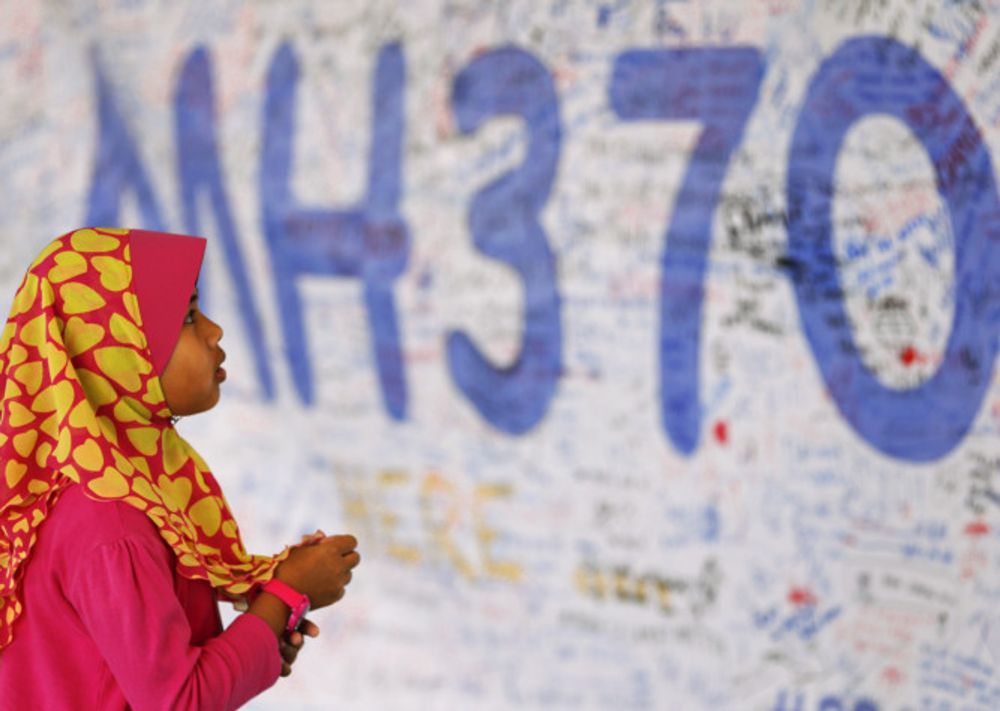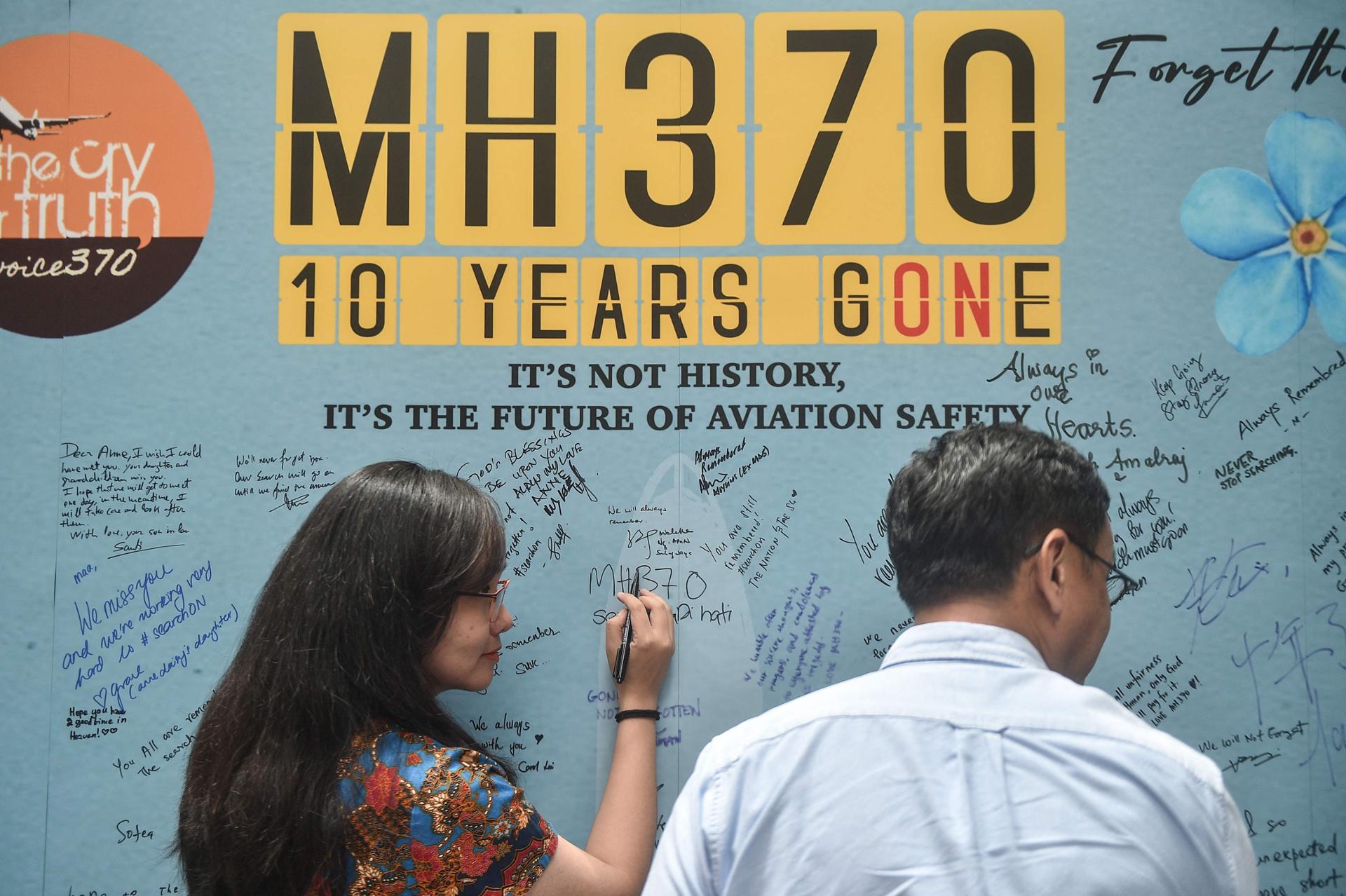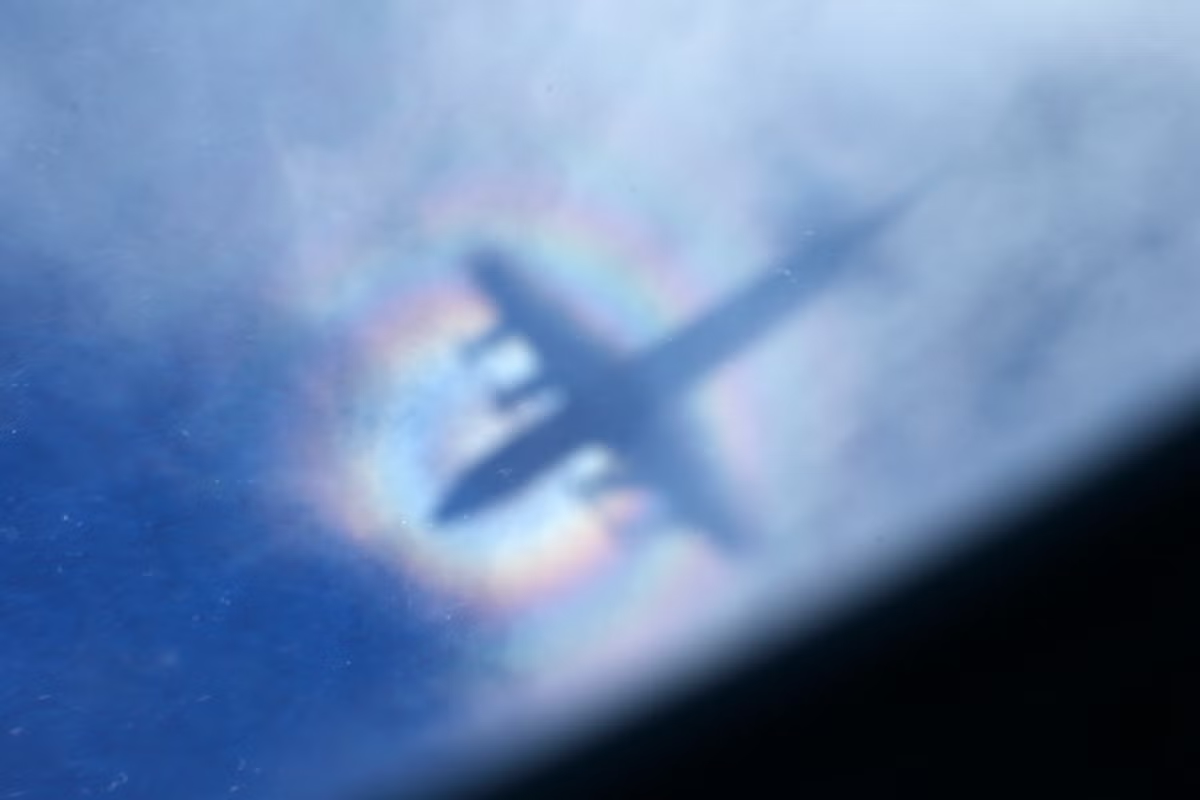
Malaysia has extended its agreement with deep-sea exploration firm Ocean Infinity by one year to continue the underwater search and solve the mystery of missing Malaysia Airlines flight MH370. The Boeing 777 aircraft, carrying 227 passengers and 12 crew, vanished en route from Kuala Lumpur to Beijing in 2014, becoming one of the world's most enduring aviation mysteries. Previous search operations in the southern Indian Ocean have proved fruitless.Ocean Infinity had previously conducted searches for the plane until 2018. Last year, the firm signed a new deal with Malaysia to resume the hunt across a 15,000 sq km (5,792 sq miles) area, with payment of $70 million contingent on finding the wreckage.The extension, announced by Transport Minister Anthony Loke, will run for 12 months from 1 July this year, pushing the search timeline until 30 June 2027. Mr Loke said: "This decision is a manifestation of the government's continuous and unwavering commitment to provide a closure for the next of kin of the passengers aboard flight MH370."Flight officer Rayan Gharazeddine scans the water in the southern Indian Ocean off Australia from a Royal Australian Air Force AP-3C Orion during a search for the missing Malaysia Airlines Flight MH370 on March 22, 2014 (AP)The additional time is intended to allow Ocean Infinity to fully complete the search of a remaining area of 7,428.54 sq km. This extension also accounts for Ocean Infinity's new commercial contract commitments, which will necessitate the temporary redeployment of the search's primary assets to another location between November 2026 and April 2027.What happened to flight MH370?The last transmission from the plane was about 40 minutes after it took off from Kuala Lumpur for Beijing. Captain Zaharie Ahmad Shah signed off with “Good night, Malaysian three seven zero”, as the plane entered Vietnamese airspace.Shortly thereafter, its transponder was turned off, which meant it could not be easily tracked.Military radar showed the plane left its flight path to fly back over northern Malaysia and Penang Island, and then out into the Andaman Sea towards the tip of the Indonesian island of Sumatra. It then turned south and all contact was lost.Analysis of communication “pings” indicated that the plane flew for a further six hours before running out of fuel and crashing into the southern Indian Ocean, according to a report made in 2017,Malaysian investigators previously did not rule out the possibility that the aircraft was deliberately diverted from its course.More than 30 pieces of suspected aircraft debris have been collected along the coast of Africa and on islands in the Indian Ocean, but only three wing fragments were confirmed to be from MH370.Most of the debris was used in drift pattern analysis in the hopes of narrowing down the aircraft’s possible location.
Search for missing flight MH370 extended for another year as mystery baffles experts
A $70 million has been put on the missing plane
453 words~2 min read