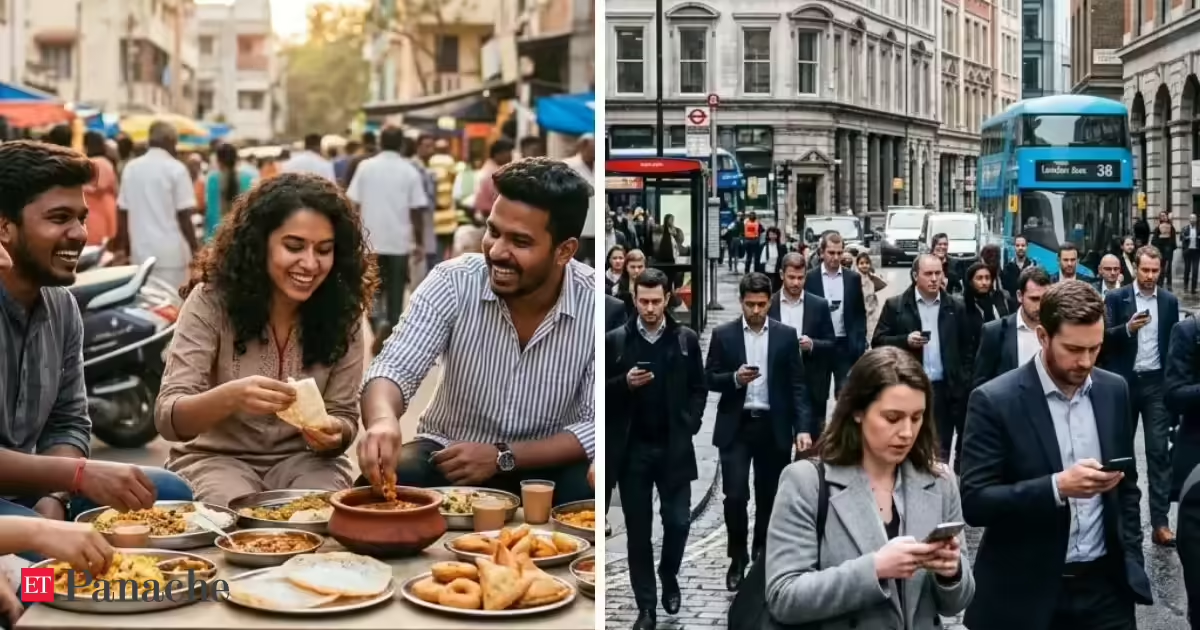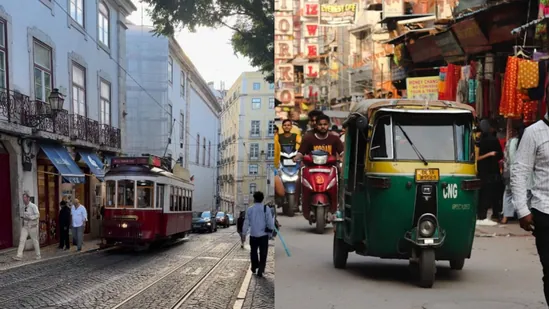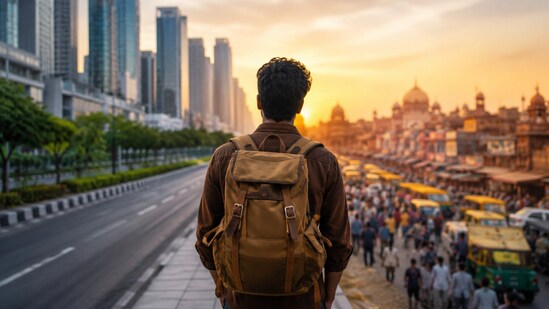
How do different countries balance structure with everyday convenience? This is the question a post on X has led many users to reflect on. The discussion comes from observations shared across 14 countries, where Vineeth K compares process-driven systems abroad with the more flexible approach often seen in India. His post also notes that both systems come with their own strengths as well as trade-offs.A traveller shares insights from life across 14 countries. (Representative Image)Process-driven systems abroad versus everyday flexibility in IndiaIn the caption, Vineeth K wrote, “No country has everything perfect. The US and Europe have built highly process-driven societies. Traffic rules are followed, systems work, public services are predictable, and most jobs offer a stable baseline income. That discipline keeps the system running smoothly. But every strength has a trade-off. During my travels across 14 countries, I have consistently noticed that strong processes often reduce convenience.If you need something after 9 or 10 pm, most shops are closed. If you reach a restaurant close to closing time, you may be refused service. If a table is for four, adding an extra chair is not always allowed. Doctor appointments often need to be booked weeks in advance. Even small tasks like installing an air conditioner in parts of Europe may require approval from housing or local authorities.(Also Read: DU History graduate scores 84%, hears this from placement cell: 'No companies for humanities students')India, on the other hand, faces its own issues with traffic, civic discipline and uneven public systems. However, it offers more flexibility in daily life. You can often find a doctor on the same day. Late night groceries are usually available. Home changes can be done without multiple layers of permission. Every country, in its own way, optimises either order or flexibility. The ideal system may lie somewhere in between, where discipline does not remove ease of living and convenience does not weaken basic civic order.”Take a look:How social media reactedOne user wrote that the perspective ignores those who provide such services, saying, “You are looking at convenience from the point of view of the one receiving it, not the one providing it. Ask doctors seeing multiple patients an hour or delivery workers after 9 pm what they would prefer.”Another comment pointed out that convenience can come at a cost, adding, “Much of this is supported by low wages and lack of affordable healthcare access, which is why services remain available late or on short notice.”(Also Read: San Francisco couple sues landlord who increased their rent by 71%: ‘We were shocked’)Some users also highlighted regulatory concerns, noting that fewer approvals for home changes can lead to unsafe or illegal construction.Others offered a middle ground, suggesting that countries like India could benefit from combining stronger systems with practical flexibility, creating a more balanced approach to daily life.(Disclaimer: This report is based on user-generated content from social media. HT.com has not independently verified the claims and does not endorse them.)
'The US has order, India has convenience’: Traveller compares life across 14 countries
A post on X shares observations from travelling across 14 countries, comparing structured systems abroad with the flexibility often seen in India. | Trending
491 words~2 min read