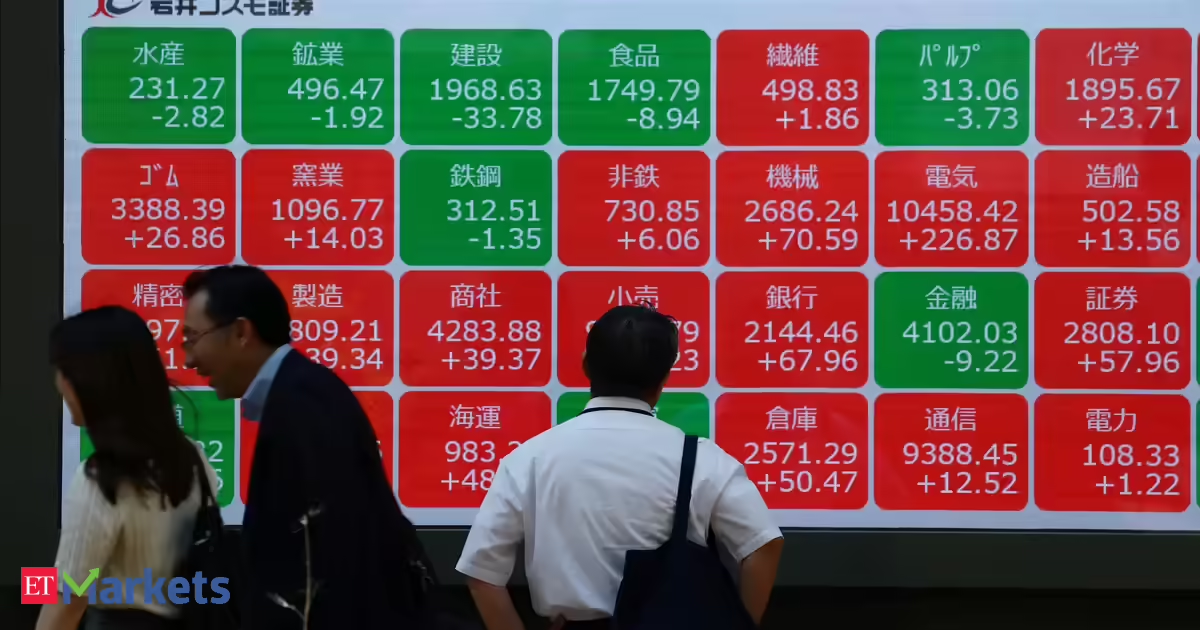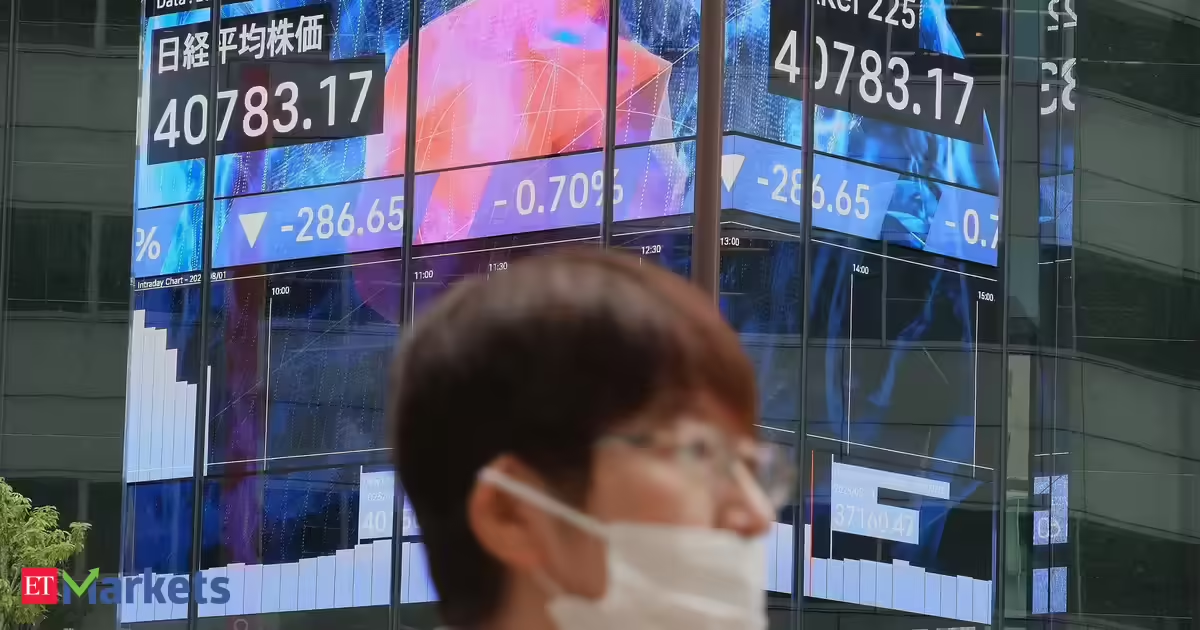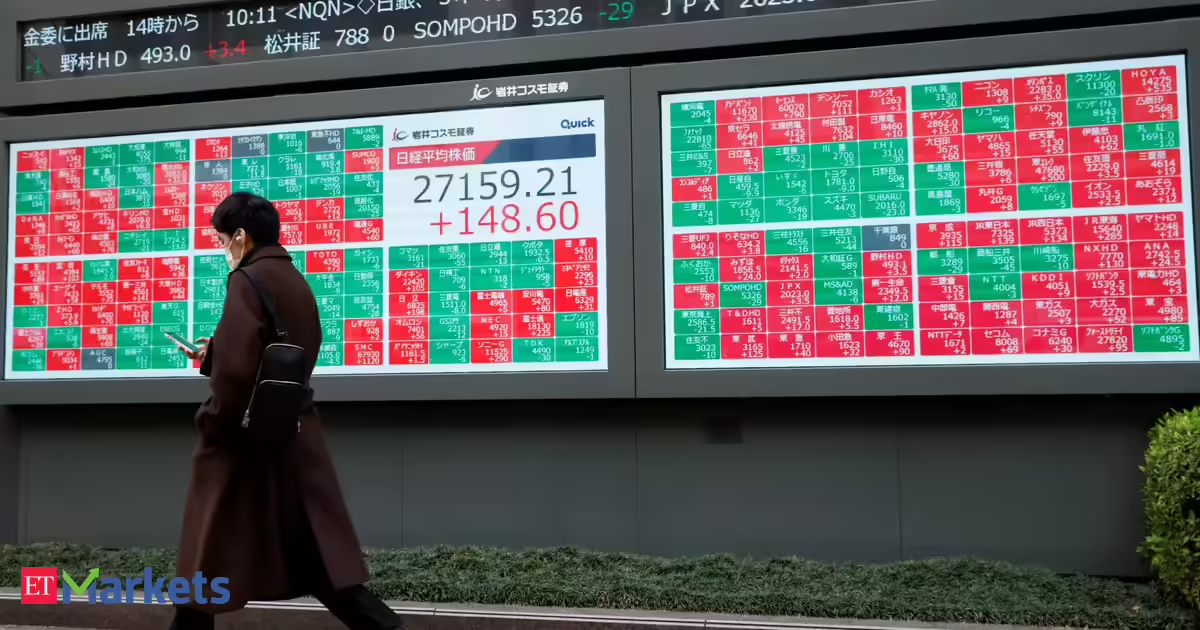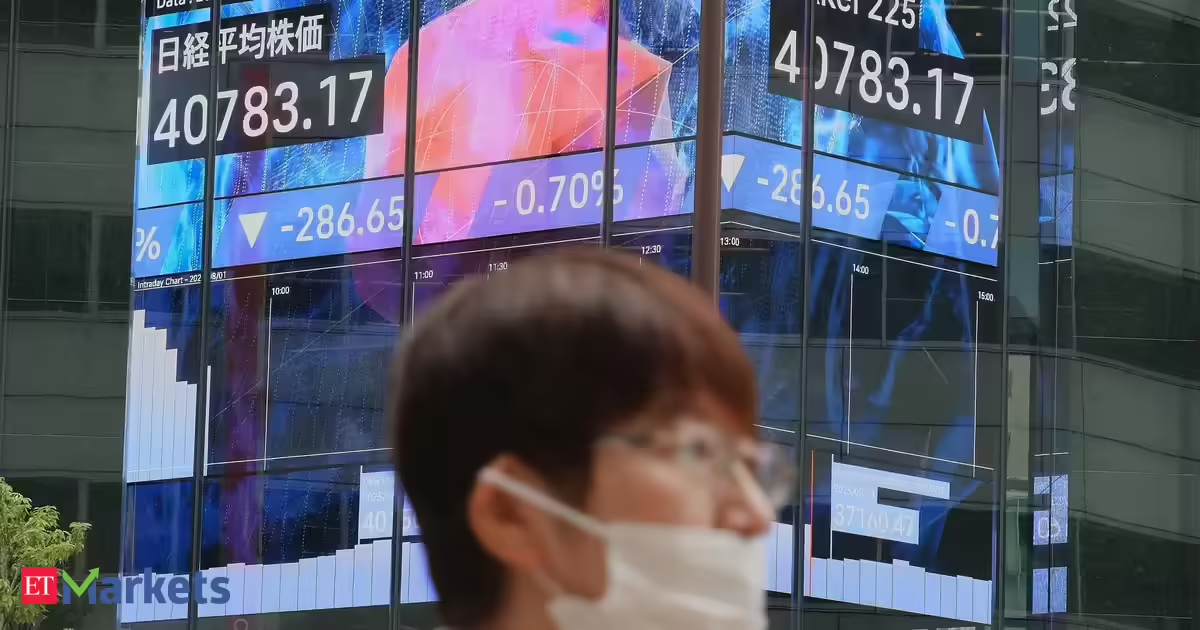
Japan's Nikkei share average reversed course to end higher on Monday, as chip-related stocks cut losses after South Korea rolled out sweeping chip and AI mega-projects. The Nikkei closed 0.15% higher at 69,468.11, after falling as much as 1.97% earlier in the session. The broader Topix rose 0.47% to 3,982. South Korean President Lee Jae Myung said the world's two largest memory chipmakers, Samsung Electronics and SK Hynix, would invest some $520 billion with suppliers to build two new chip fabrication sites in the country. "What pushed the Nikkei lower were chip-related shares, and what made the Nikkei reverse the loss were also chip-related shares," said Kazuaki Shimada, chief strategist at IwaiCosmo Securities. Memory chipmaker Kioxia narrowed its early loss, ending 4.5% lower. Chip-testing equipment maker Advantest fell 1.51%. Chip-making equipment maker Tokyo Electron rose 2.44%. Those shares declined in early trade after the Philadelphia SE semiconductor index's 5.3% fall on Friday. The decline underscores recent volatility among AI-related chipmakers that have fuelled much of Wall Street's gains in recent years. On Monday, investors rotated out of AI-related stocks to beaten-down shares, said Shuutarou Yasuda, a market analyst at Tokai Tokyo Intelligence Laboratory. "There was a concern in the market that memory chip prices have risen too much," he said. Game maker Nintendo, whose profits have been squeezed by rising memory chip prices, jumped 5.25%, while Sony Group rose 3.13%. The fragility of the U.S.-Iran interim peace deal has not become a market-moving cue in Japan, said Yasuda. Energy-related shares, which typically react positively to war tensions, fell on Monday. The mining sector lost 1.83% and oil refiners fell 1.07%. Of the more than 1,500 stocks trading on the Tokyo Stock Exchange's prime market, 69% rose, 26% fell and 2% traded flat.
Japan's Nikkei reverses course to end higher as chip-related shares cut losses
Japan's Nikkei index staged a remarkable comeback, closing higher after significant early losses. This reversal was driven by chip-related stocks, which recovered following South Korea's announcement of massive investments in chip and AI mega-projects. Investors shifted focus, boosting companies like Nintendo and Sony, while energy stocks experienced a downturn. The market sentiment reflected a complex interplay of global tech developments and economic concerns.
TL;DRAI
South Korea announced $520 billion in memory-chip investments from Samsung and SK Hynix, reversing the Nikkei's 1.97% morning loss. Rising memory-chip prices and AI saturation spark rotation toward semiconductor supply-chain positioning over overvalued chip equities.
292 words~1 min read