in Film | June 29th, 2026 Leave a Comment
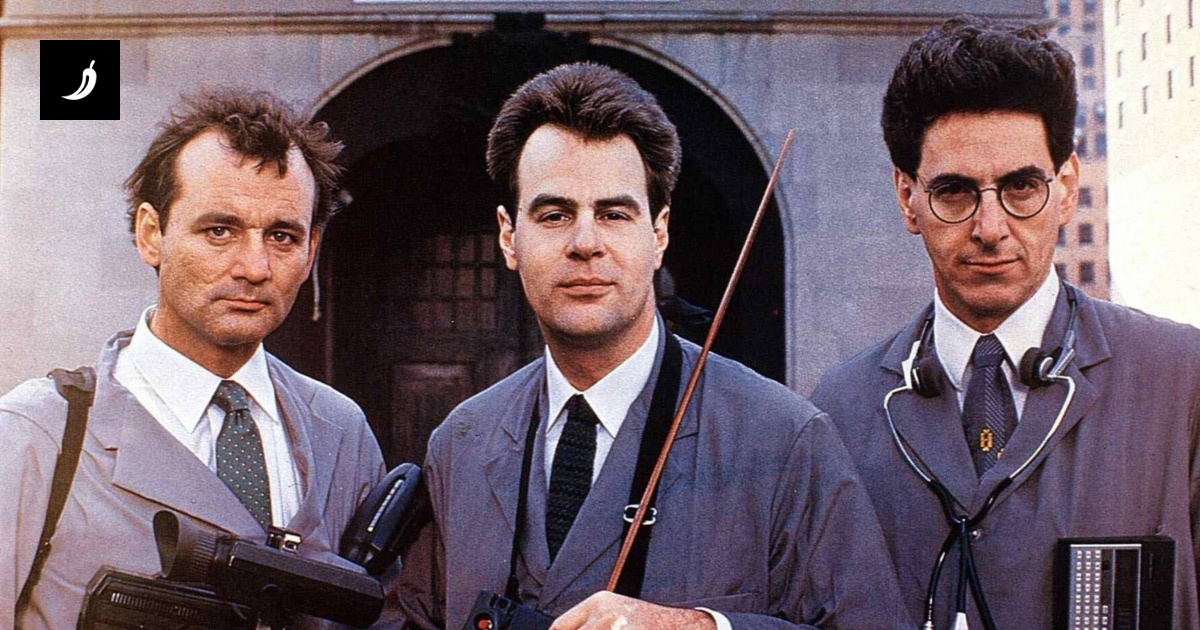
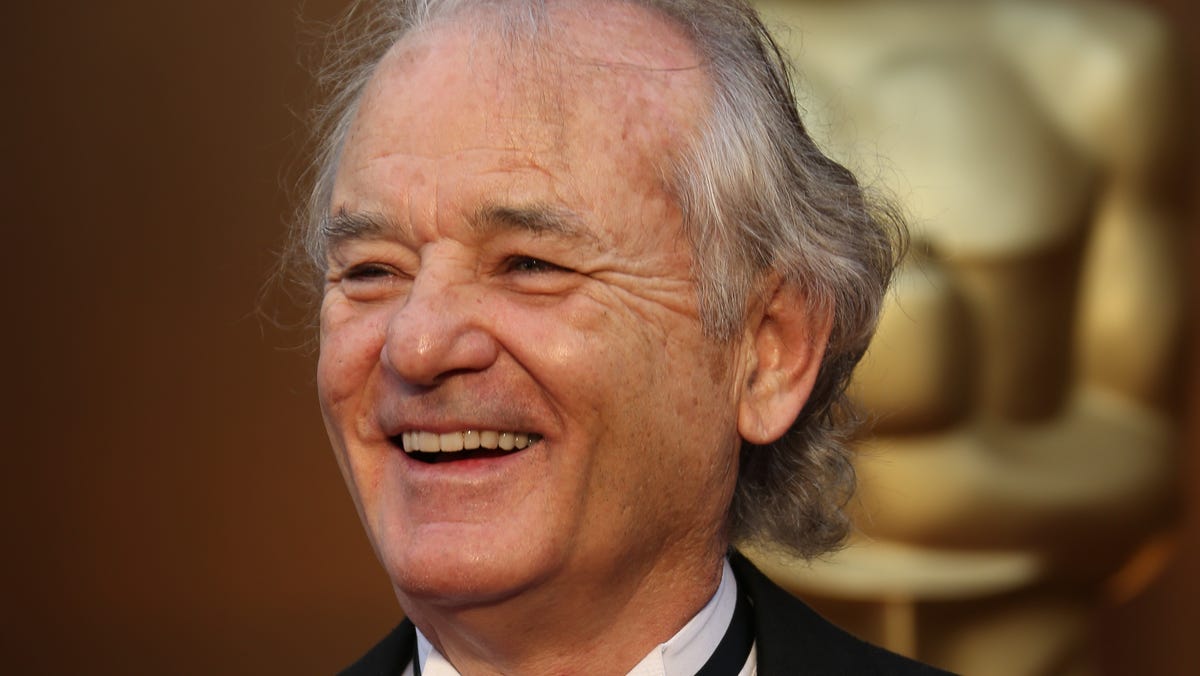
In summer of 1984, American popular culture was dominated by Ghostbusters, a blockbuster that combined sharp comedy and spectacular visual effects on a scale — and in an unlikely harmony — moviegoers had never seen before. Its great success advanced the careers of everyone involved, not least that of Bill Murray. Having already been an early (if not immediately beloved) Saturday Night Live cast member and given much-praised performances in comedies like Caddyshack, Stripes, and Tootsie, he brought his famously detached sensibility to the role of the ghost-busting Dr. Peter Venkman and thereby became the most in-demand comic actor in Hollywood. When, less than six months later, The Razor’s Edge opened with Murray in the starring role, fans bought tickets in hopes of more laughs.
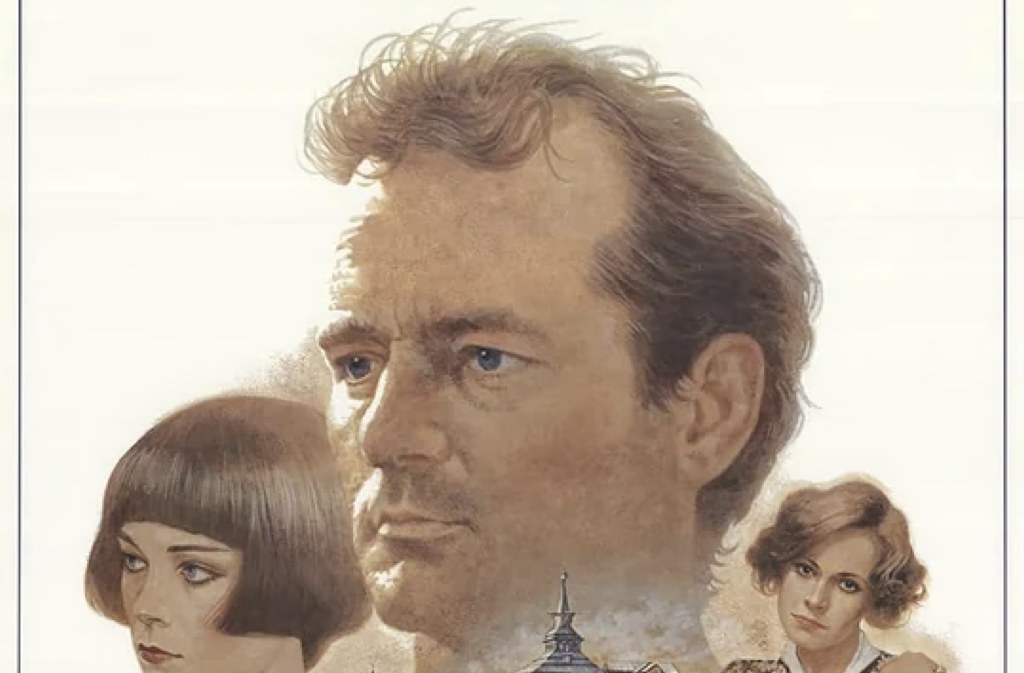
It’s not as if they hadn’t been warned. The Razor’s Edge was adapted from a novel by W. Somerset Maugham, a popular writer in his day, but hardly a straightforward humorist. On the promotional circuit, Murray stressed that this was “a serious movie,” not a comedy but a drama. Nevertheless, both critics and audiences at the time had trouble accepting him in the role of Larry Darrell, a once-lighthearted young man who comes back from World War I overwhelmed by the need to venture back out into the world in search of the ultimate truths of existence. Murray was driven to make the film (for which he took pay only as co-screenwriter) out of the deep identification he felt with the character, which can only have intensified the sting of its failure.