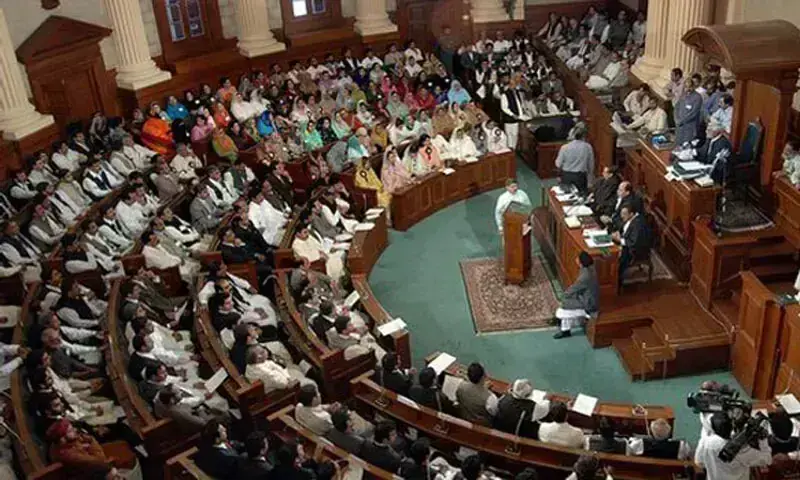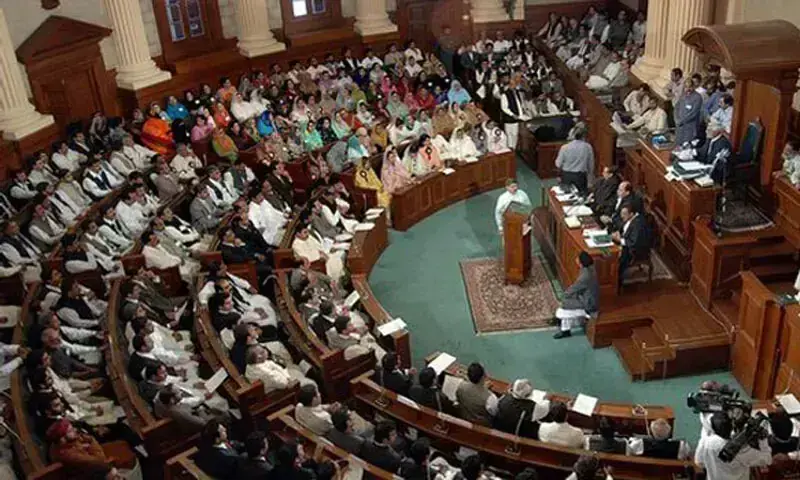
Seventy-eight years after Pakistan’s independence, the Punjab government is moving to introduce a law that has been criticised as being reminiscent of colonial-era laws.
The Punjab Control of Habitual Offenders and Anti-Social Behaviour Bill, 2026 has already sailed through to the Punjab Assembly Standing Committee on Law, it emerged on Sunday.
The bill proposes a regime in which the executive can freeze a person’s bank account, seize their property, remove their online presence, confiscate their phone, and place them under electronic surveillance, all on the basis of an intelligence committee’s assessment of their conduct.
It has drawn criticism from the opposition in the assembly, and from activists, lawyers, journalists and civil society outside the assembly.
Yousuf Nazar, former head of Citigroup’s emerging markets investments and author of a book on political economy, ‘The Gathering Storm’, described the bill as “one of the most dangerous pieces of legislation proposed in Pakistan in recent years”.