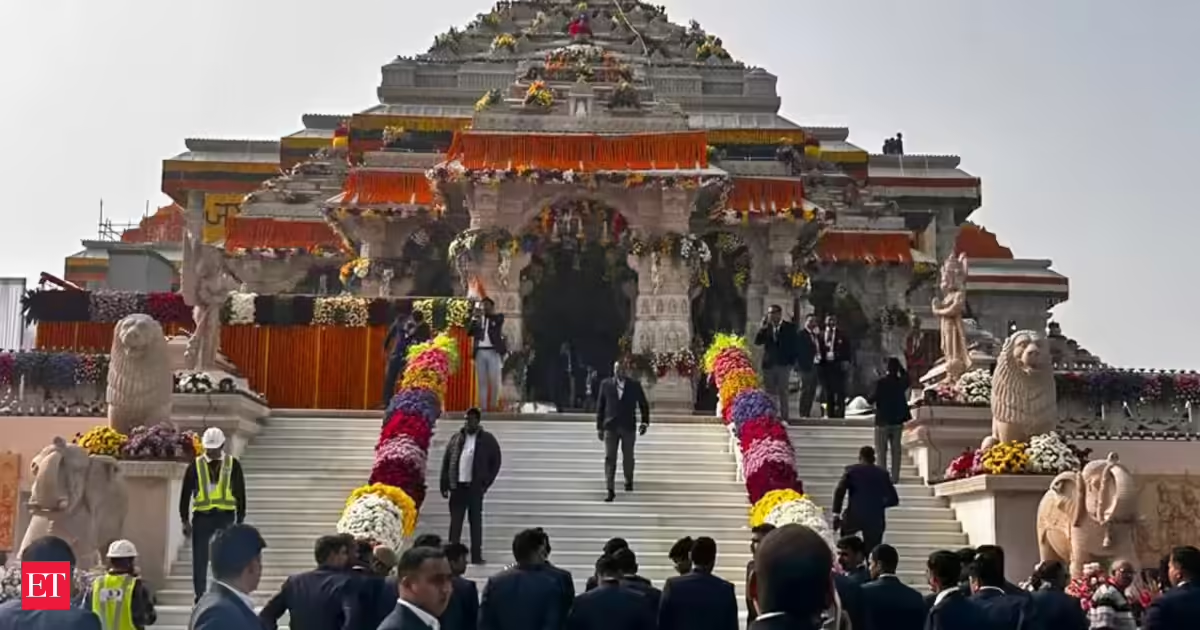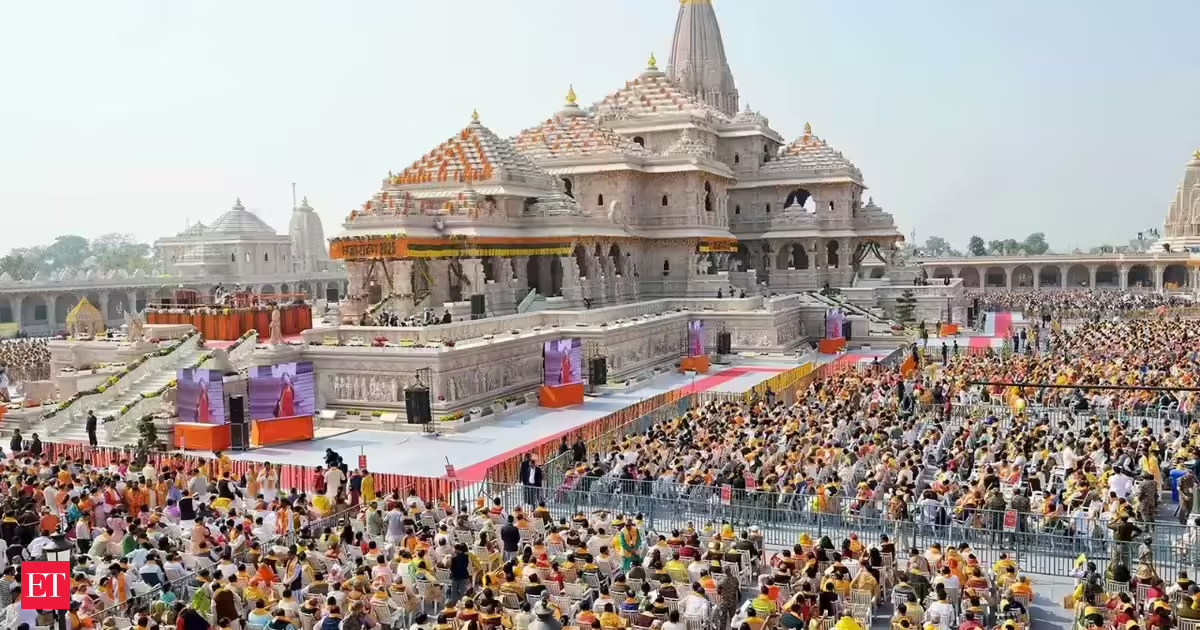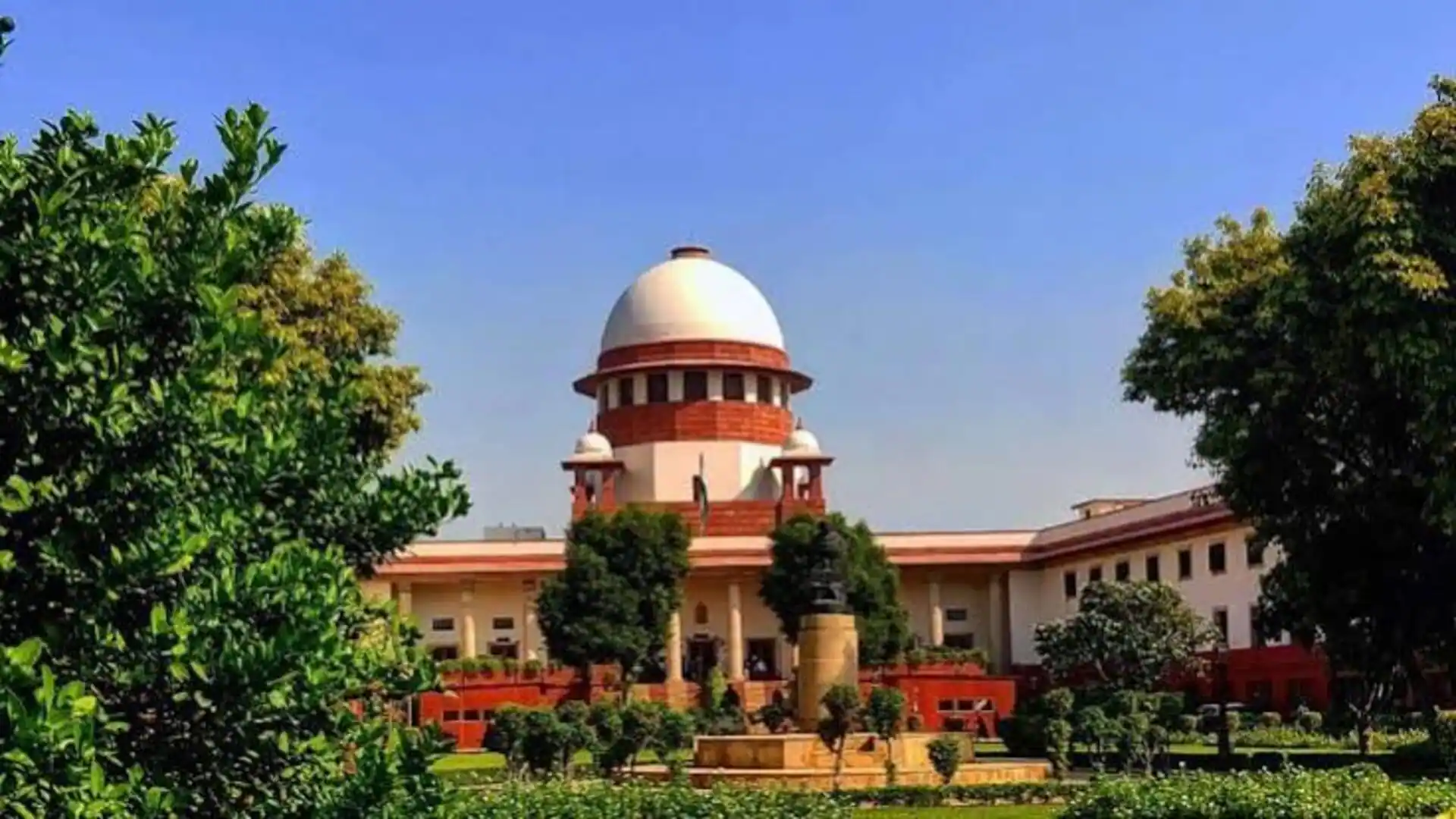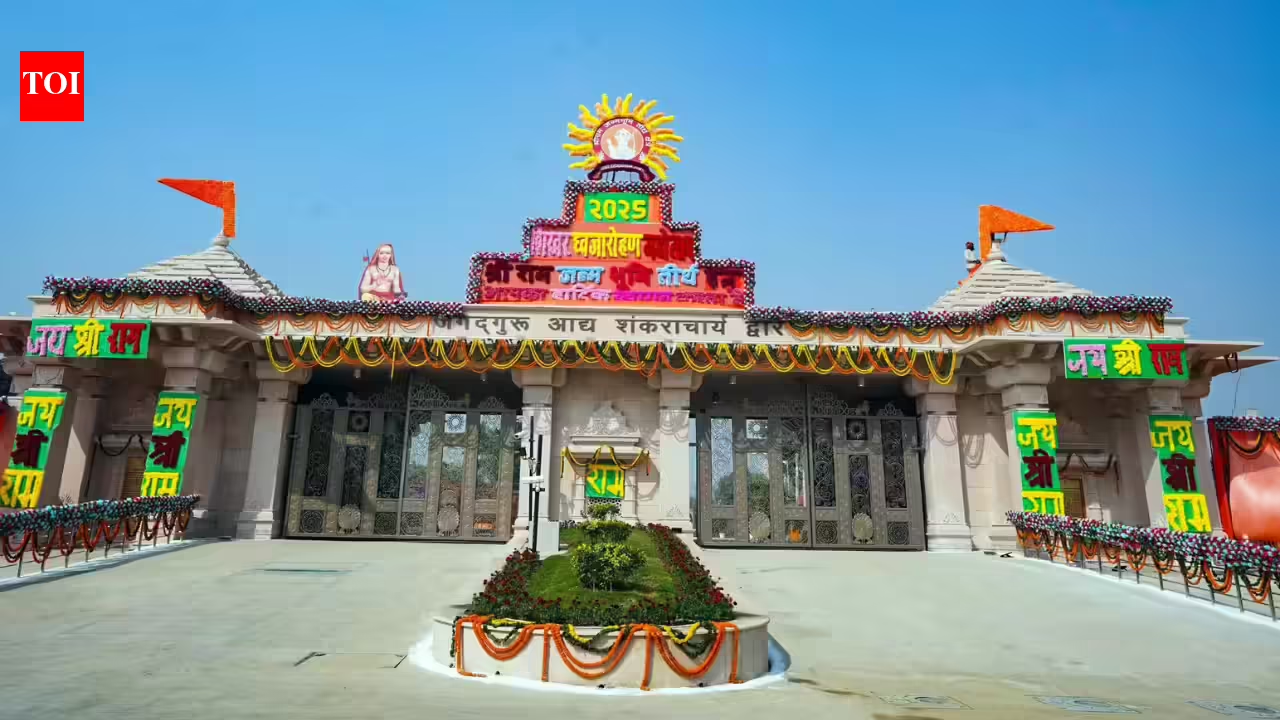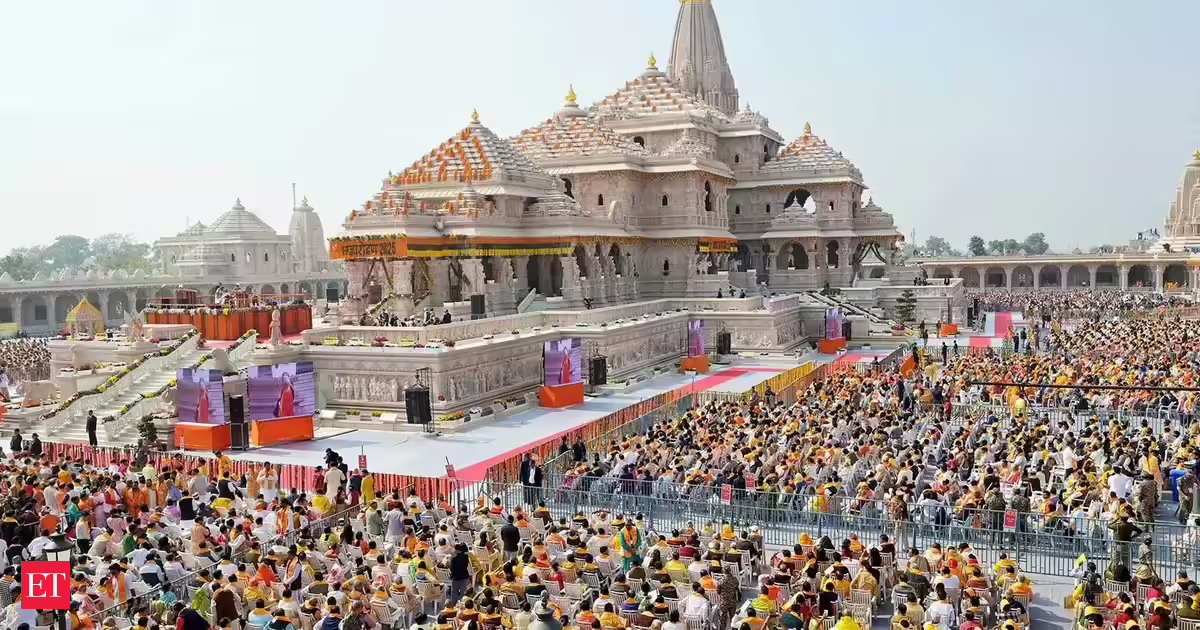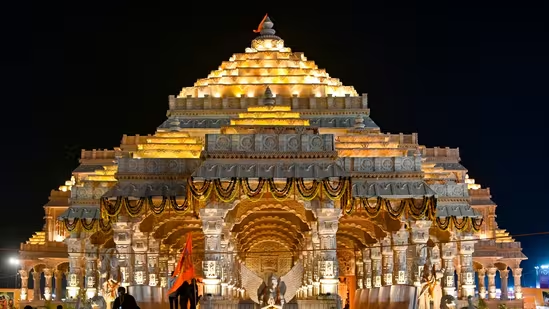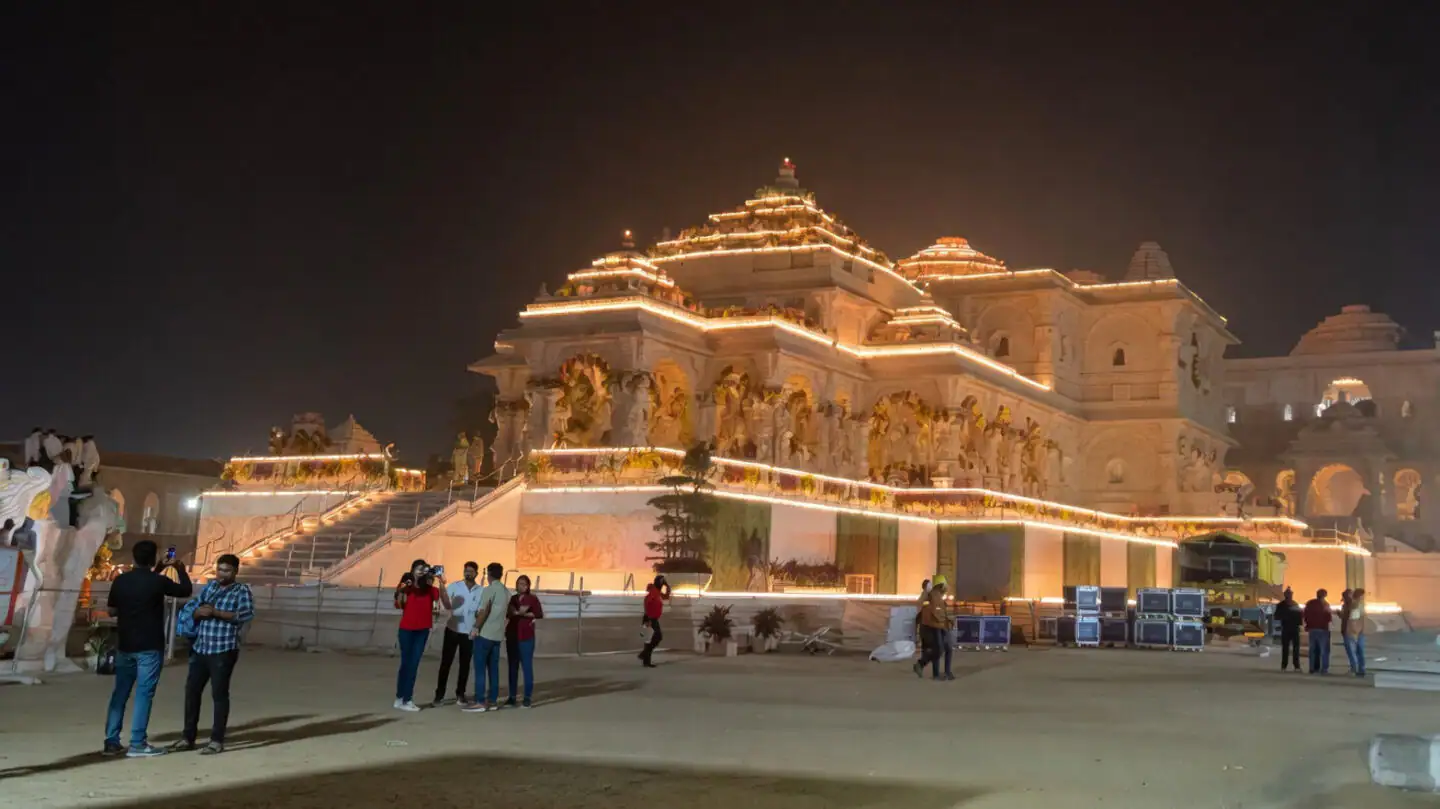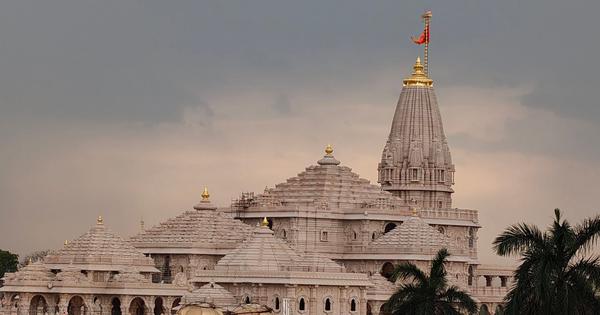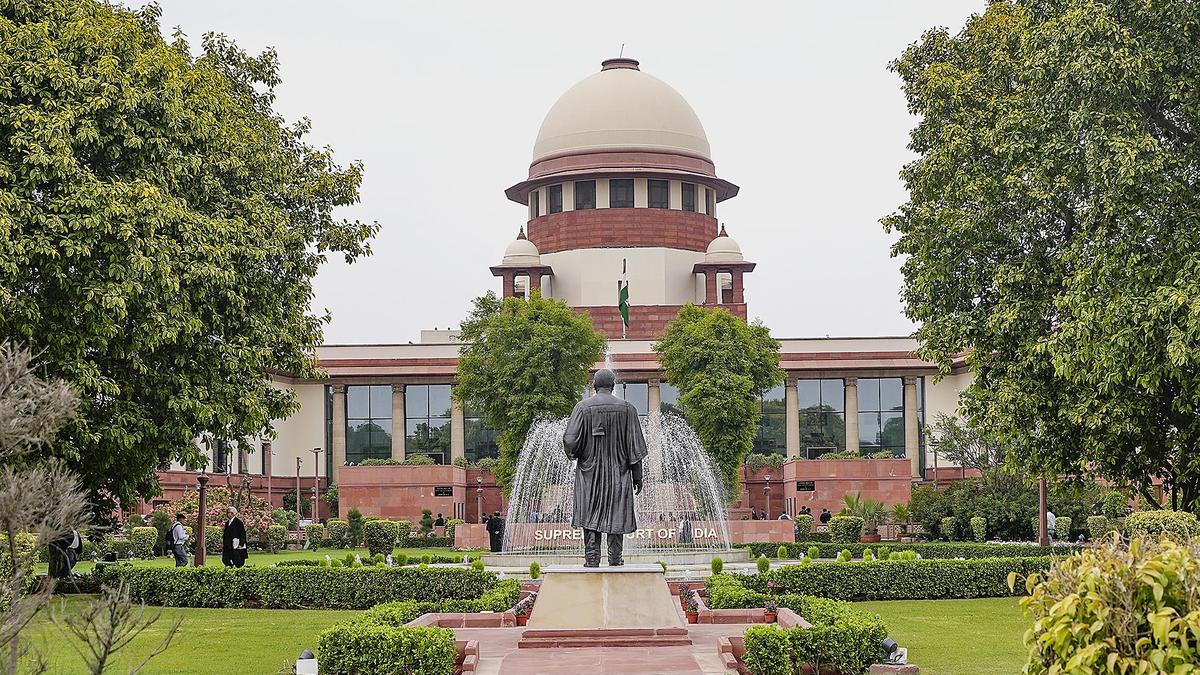
The Supreme Court, for the second time during the summer vacations, did not commit to urgently hearing petitions seeking its intervention in the Ram Temple embezzlement case, even as one of the petitioners, an advocate, highlighted on Monday (June 29, 2026) a possibility that electronic evidence like CCTV footage can be “quietly lost”, erased, overwritten or corrupted in the coming days.“Electronic evidence is unlike a stone inscription. A CCTV system does not wait for court vacations. A DVR does not respect a listing schedule. Digital payment logs and access records can be modified, migrated or deleted. Therefore, when the relief sought is preservation of evidence, postponement itself may become denial of justice,” advocate N.K. Goswami said after he made an unlisted oral mention before a Vacation Bench headed by Justice M.M. Sundresh.Mr. Goswami said he was not seeking a final hearing, but had only requested a non-prejudicial preservation order.“My apprehension is that CCTV/DVR data, QR-UPI logs, hundi registers, counting sheets, bank and vault records may perish before the case is listed,” he said.During the oral mention, Mr. Goswami informed the Bench that the Supreme Court Registry had informed him that the petition would be taken up only after the summer vacation, which ends on July 12.Mr. Goswami went on to urge the court to pass an order to secure the electronic evidence. However, the Bench, without directly addressing the issue raised by the lawyer, asked him to follow the procedure for mentioning and listing of cases.The previous week had seen another petition seeking a Central Bureau of Investigation (CBI) or a multi-disciplinary Special Investigation Team to probe the misappropriation of the temple donations. The petition had been filed by Ajay Kumar Rai and Dinesh Kumar Yadav, both advocates. When Mr. Rai separately mentioned this petition, Justice Sundresh reacted that “heavens are not going to fall if the case is heard after the Supreme Court resumes regular functioning”.Mr. Goswami sought a declaration from the apex court that offerings made to a deity in a public temple constituted “sacred trust property vesting in the deity as a juristic person”, and those who handle such offerings were “fiduciaries bound by duties of transparency, accountability, and preservation”.The petition referred to the top court’s own judgment in the State of Kerala versus Guruvayur Devaswom Managing Committee of October 2025, which had held that temple offerings, whether cash, gold, or kind, were the “absolute and inalienable property of the deity as a juristic person”.“When a devotee drops a coin into the hundiyal with faith, that money instantly ceases to be secular currency and becomes the personal property of the deity,” the court had held.Besides the immediate preservation of all evidence, records, CCTV footage, and digital logs relating to donations and offerings at Shri Ram Janmabhoomi Mandir, the petition has asked the court to call for a status report from the ongoing SIT investigation.It has sought an independent forensic audit of donations, offerings, and valuable items received by the Shri Ram Janmabhoomi Teerth Kshetra Trust from its inception to date.The petition said it was not merely seeking an investigation into a local crime, but wanted structural constitutional safeguards for the handling of sacred public endowments.The petition sought the court to constitute or direct the constitution of an expert committee comprising representatives of the Union and State authorities, audit/accounting experts, digital-payment/cyber-forensic experts and temple-administration experts to frame a ‘National Minimum Temple Donation Transparency Framework’ for public temples and religious endowments of national importance and temples receiving substantial annual donations, including but not limited to Shri Ram Janmabhoomi Mandir, Ayodhya and Shri Krishna Janmasthan at Mathura.The petition said the framework would be strictly limited to secular aspects such as receipt, custody, counting, accounting, audit, digital trail, inventory control, CCTV preservation, QR/UPI verification, bank reconciliation and public accountability of donations and offerings, without interfering with rituals, customs, worship, etc, in the place of worship.
Ram Temple embezzlement row: Supreme Court urged to secure digital evidence before it is ‘quietly lost’
Supreme Court hears petition for CBI probe into Ram Temple embezzlement allegations amid rising concerns over missing donation funds.
644 words~3 min read