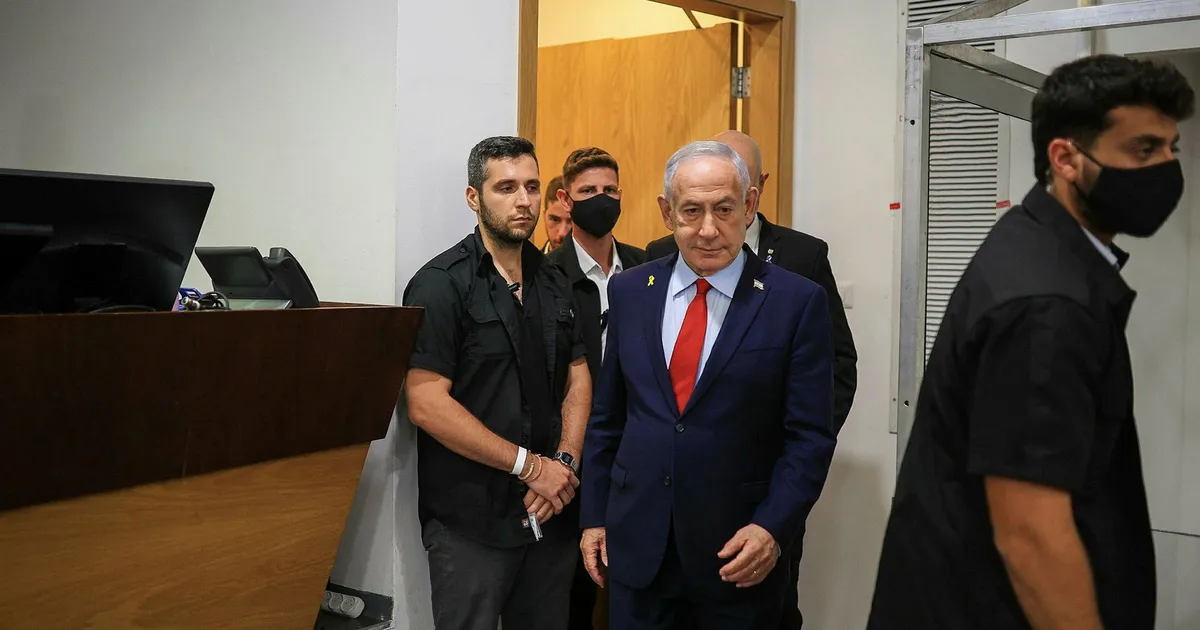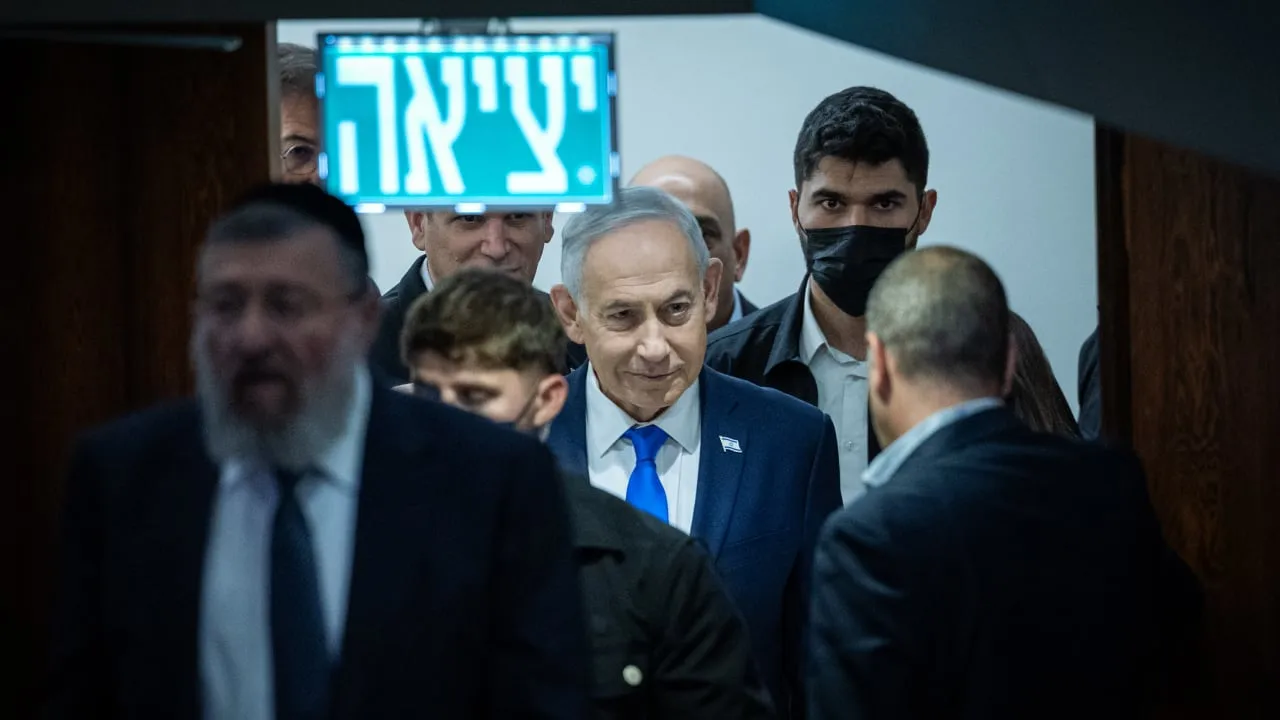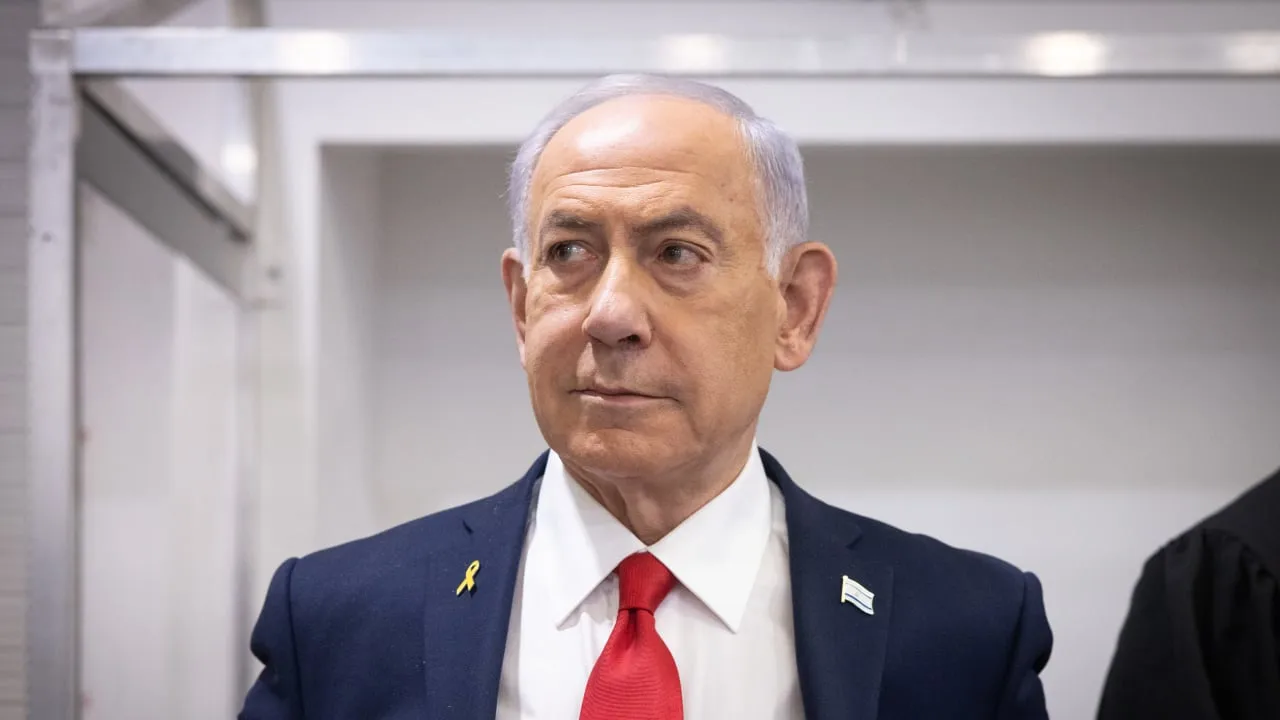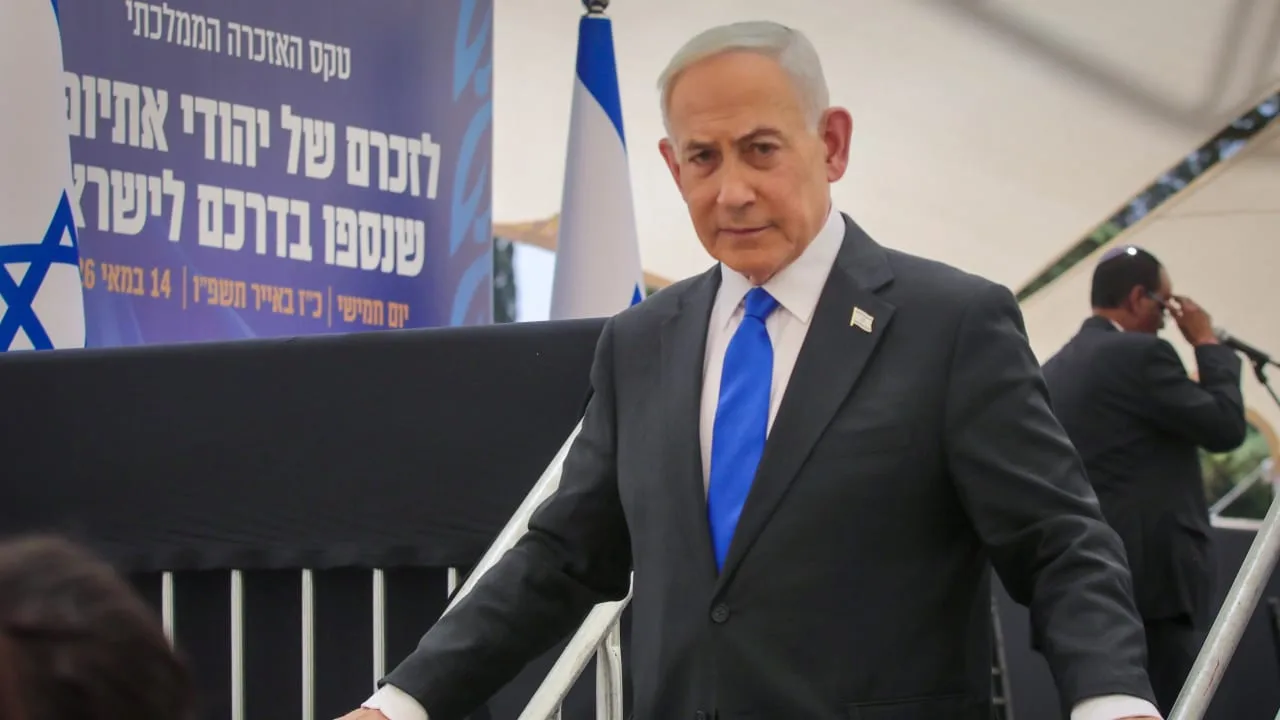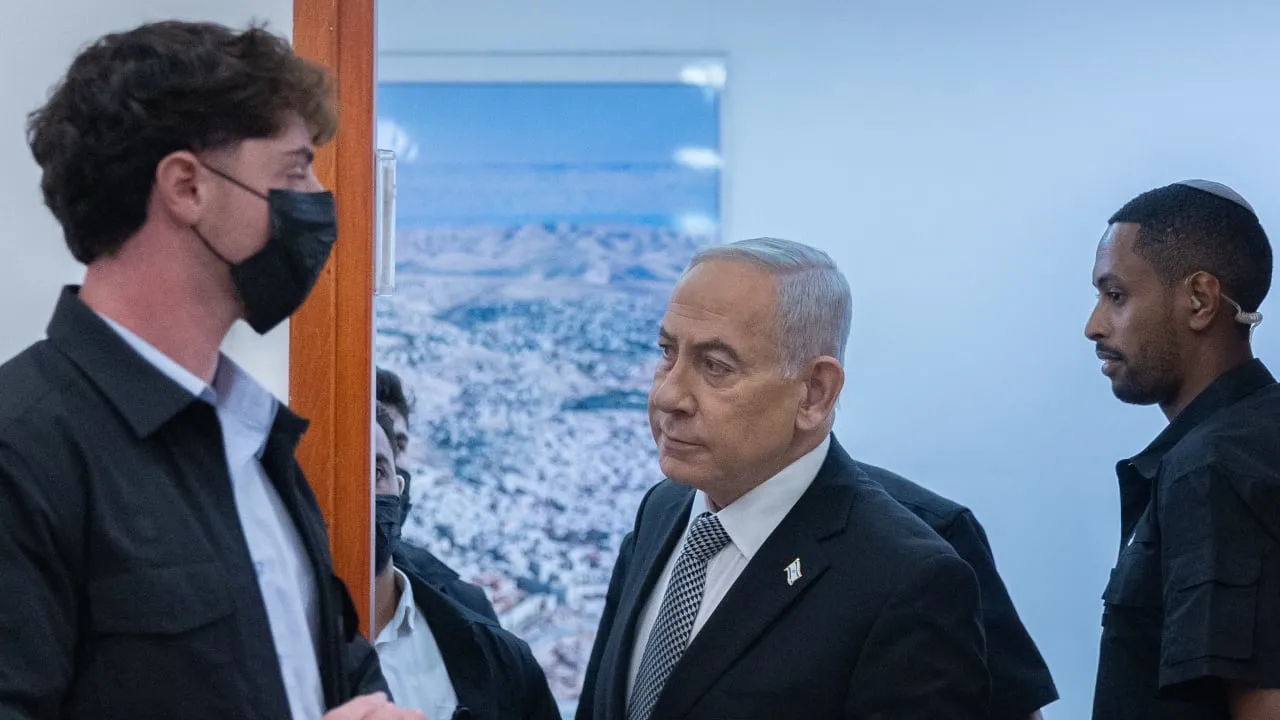
The panel, headed by Judges Rivka Friedman-Feldman, Moshe Bar-Am, and Oded Shaham, ruled on Wednesday that proceedings would return to Jerusalem after Netanyahu completed his testimony. Follow us on GooglePRIME MINISTER Benjamin Netanyahu arrives for a court hearing in his trial, at the District Court in Jerusalem on June 29, 2026.(photo credit: YONATAN SINDEL/FLASH90)BySARAH BEN-NUNJUNE 29, 2026 10:17Prime Minister Benjamin Netanyahu is expected to oppose a decision to expand his criminal trial to five hearing days a week when he appears before the Jerusalem District Court on Monday.The panel, headed by Judges Rivka Friedman-Feldman, Moshe Bar-Am, and Oded Shaham, ruled on Wednesday that proceedings would return to Jerusalem after Netanyahu completed his testimony. Beginning October 4, after the High Holy Days, hearings are to be held Sunday through Thursday.Netanyahu’s defense attorney, Amit Hadad, said on Monday that the decision would mean his team would work around the clock, which is “unrealistic.”He argued that the change would actually slow down the trial - rather than speed it up - because his team wouldn’t have the time to prepare witnesses properly.“If the court wants to shorten this trial, the solution cannot be to stifle us - this is a shortcut that is actually long,” Hadad said. “We simply won’t be able to do it.”ATTORNEY AMIT Hadad arrives for a court hearing in the trial against Prime Minister Benjamin Netanyahu at the Jerusalem District Court, June 29, 2026. (credit: YONATAN SINDEL/FLASH90)“The only trial we managed to find that took place five days a week was Eichmann’s trial,” said Hadad, adding that he had warned the prime minister that he wouldn’t be able to provide a thorough defense for him at this rate.The attorney representing Shaul and Iris Elovich - critical witnesses of Case 4000 - Jacques Chen, recalled to the judges what they had once said, that this is a historic case unlike any other, both in scale and depth. “Five days is inhumane, unrealistic and mismatched to any human capabilities within these time constraints,” said Chen.He further argued that this decision violates the Elovich couple’s right to due process, and echoed Hadad in the unrealistic preparatory requirements this would mean for witnesses.Brivery charge needs to be removed, Hadad saysNetanyahu was indicted in 2020 on charges of bribery, fraud, and breach of trust in three cases. His trial began that year, and he first took the witness stand in December 2024.Hadad specifically took aim at the bribery charge, the most weighty one and which is applicable only to one of the three cases in the indictment, Case 4000. He said that “the bribery charge needs to be thrown out the window... Even you [the judges] don't know what to do with it... If the bribery charge stays, we are talking about [presenting] hundreds of witnesses.”The prosecution completed its cross-examination of Netanyahu earlier this month, after which the defense conducted limited re-examination. The trial is now expected to continue with remaining defense witnesses before the parties submit closing summaries and the three-judge panel issues a verdict.Judges expand case trial to four days a weekThe case was initially heard three days a week. In September 2025, the judges expanded the schedule to four days a week in an effort to accelerate proceedings, particularly ahead of Friedman-Feldman’s expected retirement in March 2028.The defense opposed that change as well, arguing that it would place an unsustainable burden on a legal team representing other clients. The panel ultimately retained the four-day schedule.Under the new order, the defense will be required to prepare witnesses for every hearing day and arrange alternative witnesses where necessary to prevent cancellations.Follow us on Google
Benjamin Netanyahu defense attorney Hadad opposes expansion to trial hearing days | The Jerusalem Post
The panel, headed by Judges Rivka Friedman-Feldman, Moshe Bar-Am, and Oded Shaham, ruled on Wednesday that proceedings would return to Jerusalem after Netanyahu completed his testimony.
601 words~3 min read