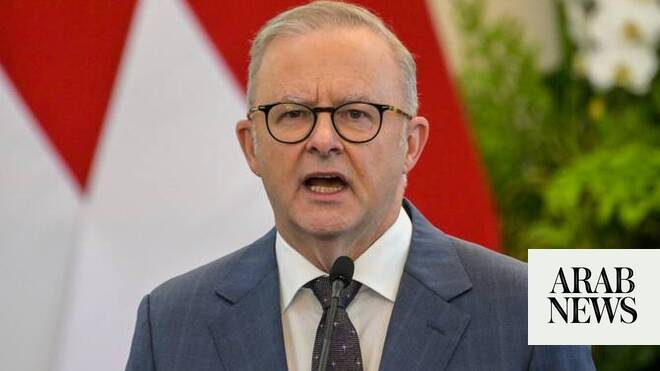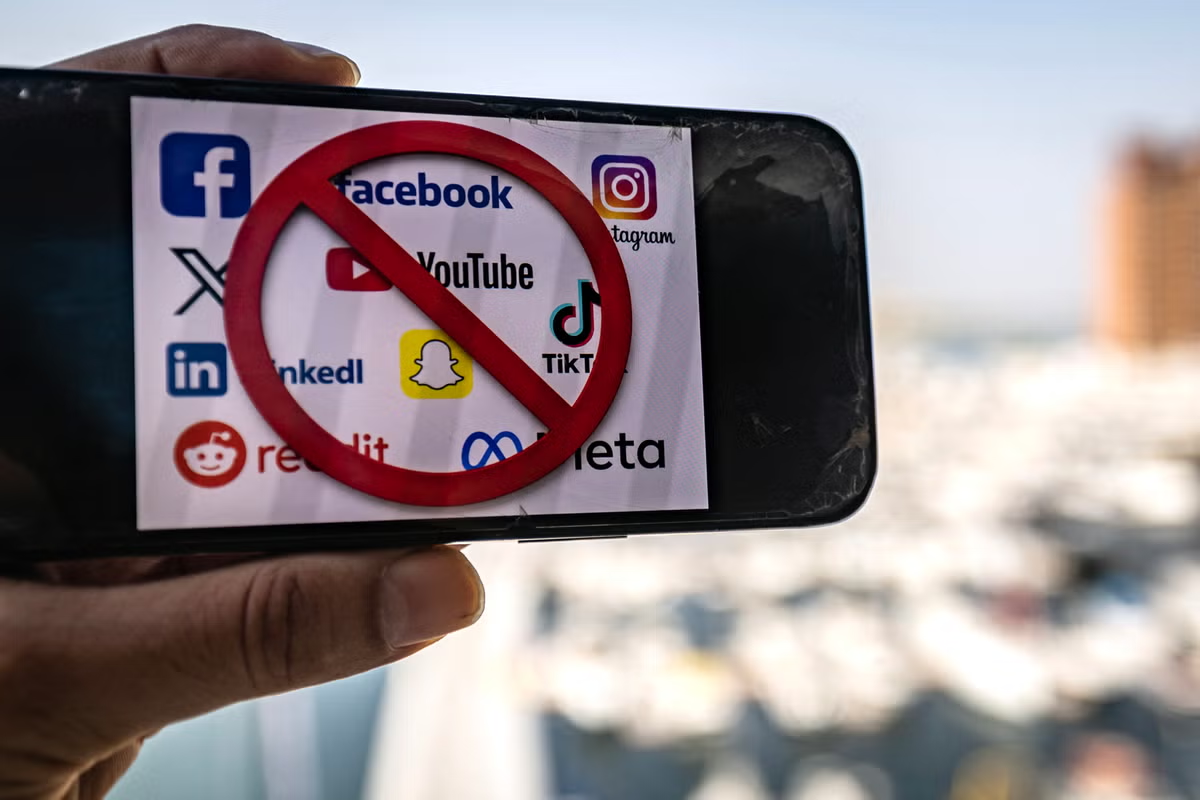
Australia is planning to double the fines on Big Tech companies not complying with the country’s first-of-its-kind social media minimum age law, preventing users under 16 from holding accounts.The Anthony Albanese government announced on Sunday that the maximum penalty for breaches of the social media minimum age law is now AUD 99m ($68m).With the move, the penalty for systematic breaches has risen from AUD 49.5m to AUD 99m, bringing it in line with penalties available under consumer law.“Six months into our world-leading social media law, I am not satisfied that tech companies are doing everything they can to keep under-16s off their platforms,” Australia’s communications minister Anika Wells said.Ms Wells alleged social media firms were adopting tricks “straight out of the big tech playbook” and “doing the bare minimum to get by”.“I am making sure the regulator has stronger tools to get the job done and doubling the fines for non-compliance,” she said.“These tough new penalties and powers show we will not back down. Instead, we are doubling down on our efforts to hold big tech to account,” Ms Wells added.Australia's Prime Minister Anthony Albanese speaks during a press conference (AFP via Getty Images)More than five million under-16s accounts have so far been removed, deactivated, or restricted since the ban began on December 10, according to the eSafety Commissioner, Australia’s independent agency responsible for the regulation of online safety. Several countries have followed suit after Australia announced its social media ban in December last year.The UK, Brazil, France, Spain, Indonesia and Italy are all planning to enact laws to restrict the use of online platforms by under-16s.However, independent research seems to hint that a majority of under-16s in Australia may still be using their social media accounts despite the ban.A small study by the University of Newcastle published earlier this month showed that four out of five Australian young people were still accessing social media, suggesting that there’s “insufficient evidence of any substantive early effects”.A 12-year-old boy watches TikTok on his smartphone (Getty Images)The latest changes, according to the Albanese government, make it easier for the eSafety Commissioner to gather evidence and ensure companies are complying with Australian law.“Social media platforms are some of the richest and most powerful companies in the world, and we’re serious about holding them to account,” Ms Wells said.This evidence includes information from third parties, such as age assurance or app-store providers, which may assist in validating or testing claims made by platforms, the agency said.France's President Emmanuel Macron delivers a speech with a French flag in the background during his visit to the International City of French Language (Cite Internationale de la Langue Francaise) to promote 'disconnecting' and 'reading' as alternatives to screens as part of his fight to ban social networks for the youngest (POOL/AFP via Getty Images)The eSafety commissioner added that it is currently probing compliance by social media giants Facebook, Instagram, Snapchat, TikTok and YouTube. The tech giants did not immediately respond to The Independent’s request for comment.“I’m heartened by the shift in conversation and the global momentum we’ve seen since introducing the social media minimum age, but it’s clear big tech are not doing enough to comply with the law – there are still too many children on social media,” Mr Albanese said.“These changes reflect the seriousness with which we take any failure by social media companies to comply with our world-leading law,” he said.
Australia doubles fines on tech firms not complying with under-16 social media ban
New changes will make it easier to gather evidence, government says
565 words~3 min read