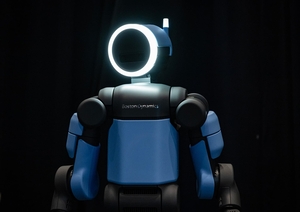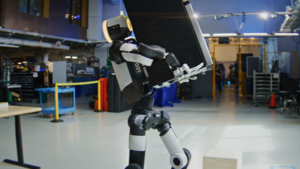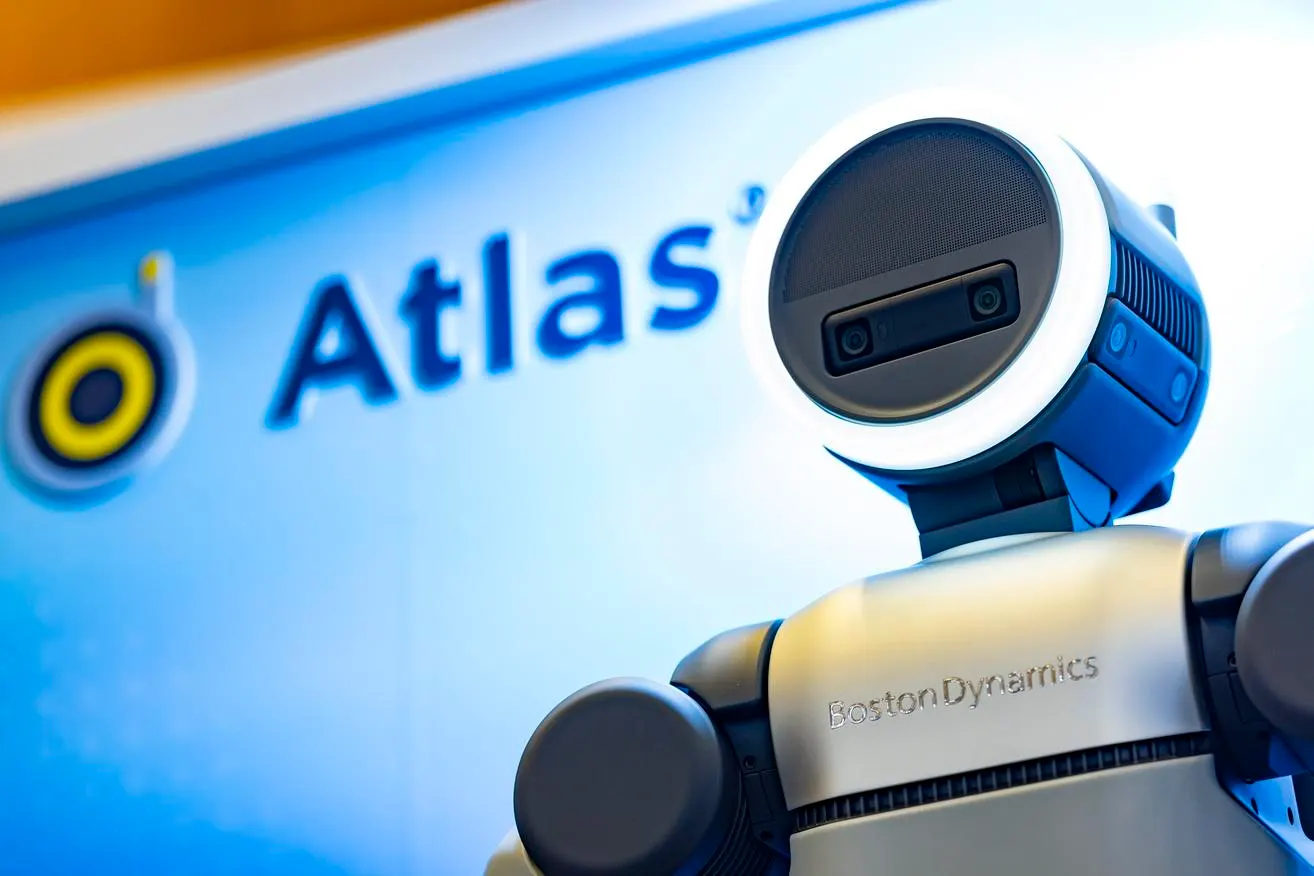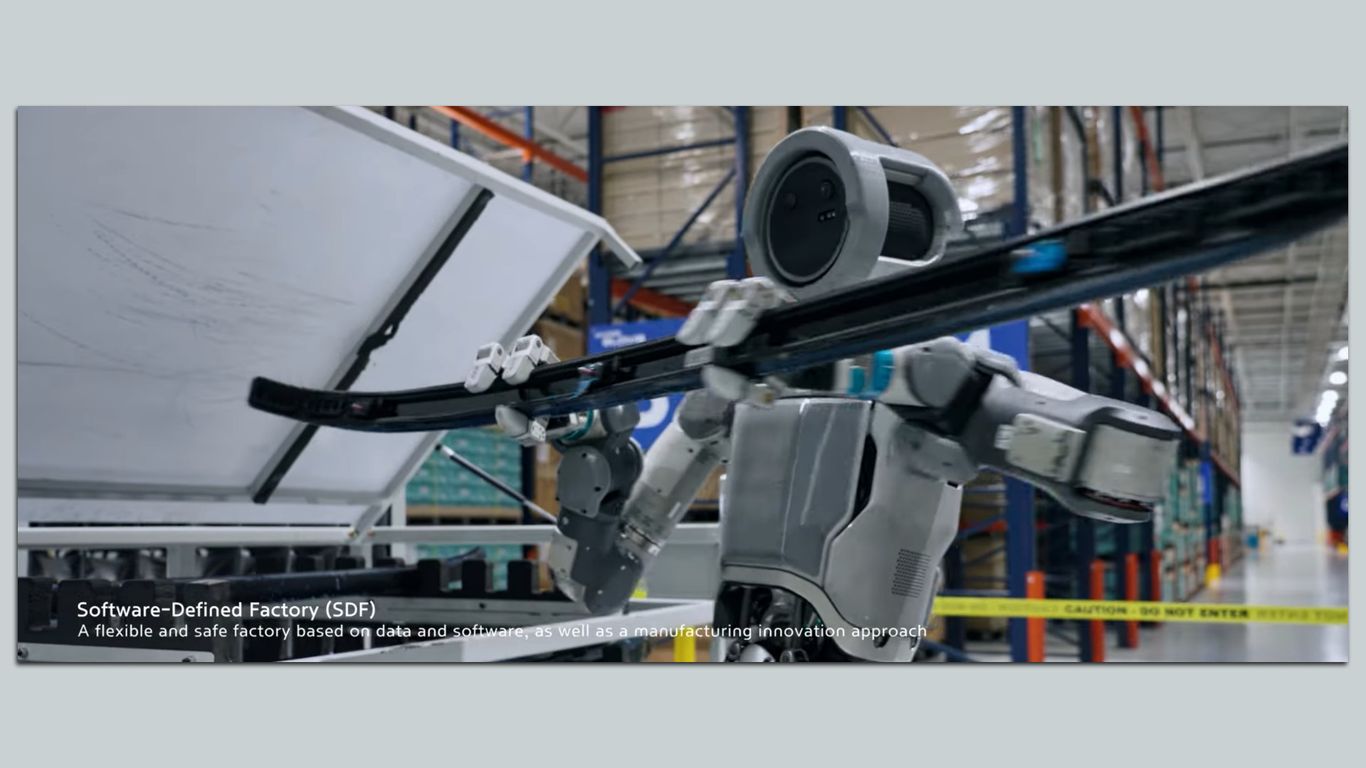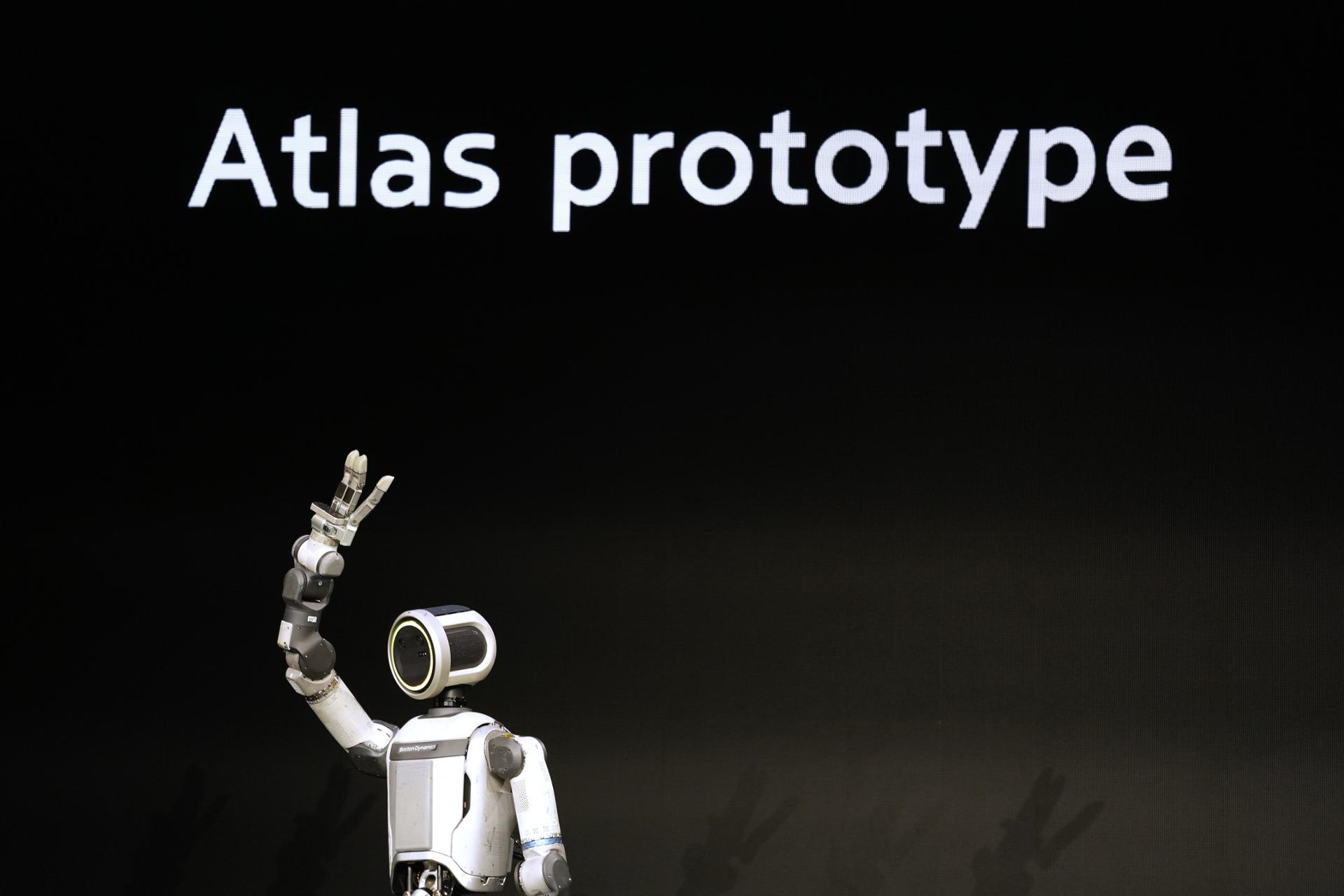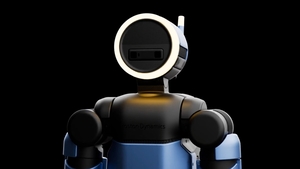
The Atlas humanoid robot developed by Boston Dynamics (Boston Dynamics) Boston Dynamics, a US-based robotics subsidiary of Hyundai Motor Group, is leveraging the robotics parts value chain in Korea as it gears up for a commercial rollout of the Atlas humanoid robot.According to media reports Monday, around 10 engineers from Boston Dynamics have spent nearly a month in Korea, evaluating over 10 auto parts factories largely affiliated with Hyundai Motor, including Hyundai Mobis, Hwashin Precision Co. and SOS Lab.This tour was reportedly aimed at assessing the potential partners’ mass-production capabilities and engineering design expertise before selecting final suppliers and beginning production in the second half of this year. Hyundai is seeking to mass-produce 30,000 Atlas humanoid robots annually by 2028.In addition to Hyundai Mobis, the group’s auto parts subsidiary developing actuators that power Atlas’ joints and grippers that function as its robotic hands, Boston Dynamics is considering sourcing robotic arm and leg modules, as well as lidar systems that serve as the robot’s eyes, from Korean suppliers.Hwashin Precision, located in North Gyeongsang Province, is known for manufacturing automotive suspension control arms, hinged aluminum components that connect a vehicle’s wheels to its frame or chassis. The company is being vetted as a supplier of lightweight aluminum structures for robot leg and body modules, including joint structures.Gwangju-based SOS Lab primarily produces automotive lidar, which shares a similar sensor architecture with that used in humanoid robots. The technology uses lasers to generate a 3D map of the surrounding environment, enabling robots such as Atlas to detect people, obstacles and other objects in real time.Industry watchers say instead of building a supply chain from scratch, Boston Dynamics could benefit from plugging directly into Hyundai’s extensive network of auto parts suppliers.Among the roughly 5,000-10,000 components required to make a humanoid robot, an estimated 60 to 70 percent are reportedly similar to automotive parts, including motors, actuators, sensors and lamps.Boston Dynamics’ two-pronged strategy of developing Atlas’ artificial intelligence and software in the US while sourcing most of its hardware in Korea comes as Washington further accelerates efforts to decouple from China in advanced industries.The Guarding the US Against Adversarial Robotics Dominance Act, unveiled in June by the House Select Committee on China, would require US national security agencies to review humanoid and quadruped robots produced by Chinese companies, with any models deemed a security risk effectively barred from being imported or sold in the country.Separately, the American Security Robotics Act, introduced in the US Senate in March, would prohibit federal agencies from purchasing, operating or funding uncrewed ground vehicles and humanoid robots manufactured by Chinese firms.Lee Ho-geun, an automotive engineering professor at Daeduk University, said, “China may be leading in humanoid robot commercialization and pricing, but cost is not the main issue for now. The more immediate challenge is to validate scalability and industrial viability through a soft rollout, then upgrade physical AI capabilities and deepen the robots’ applicability across various industrial settings.”Meanwhile, Boston Dynamics recently announced its plans to invest $100 million to establish a new robotics and AI hub in Waltham, Massachusetts, near its current headquarters. The facility will consolidate operations currently spread across three nearby sites while expanding the company’s advanced manufacturing, AI, workforce training and R&D capabilities.
Boston Dynamics taps Korean suppliers for Atlas rollout
Boston Dynamics, a US-based robotics subsidiary of Hyundai Motor Group, is leveraging the robotics parts value chain in Korea as it gears up for a commercial ro
536 words~2 min read