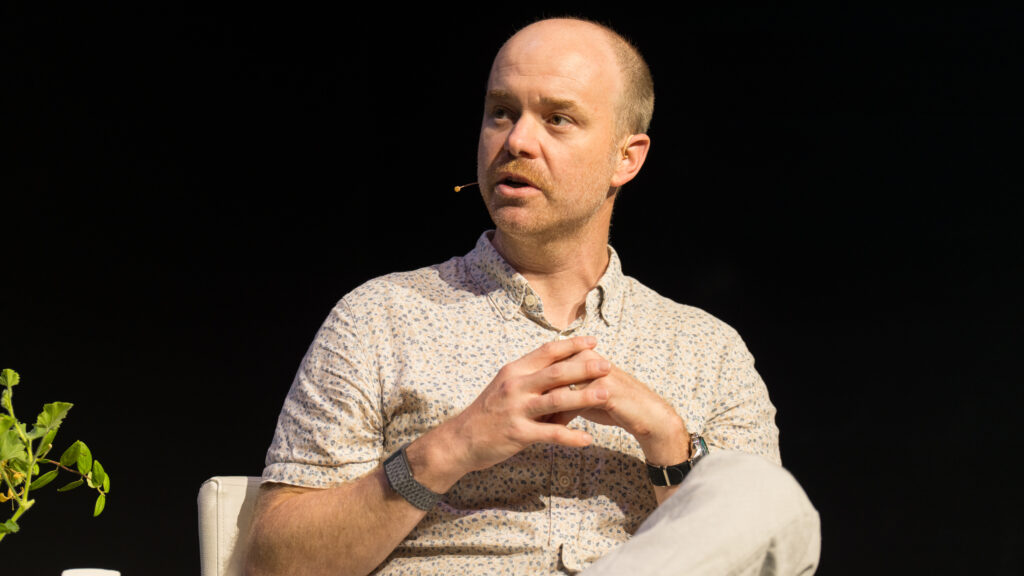
Brittany Trang, Ph.D., covers AI in health and medicine: Does it actually work? Who benefits, or might be harmed? She writes the weekly AI Prognosis newsletter. Follow her on Threads, Mastodon, and Bluesky. You can reach Brittany on Signal at btrang.01.The first time a top-10 drugmaker called AI scientist company FutureHouse, offering $30 million to use the nonprofit’s artificial intelligence agents for drug discovery, CEO Sam Rodriques thought there was a misunderstanding; the offer couldn’t be real, he said.
Then it happened again. The head of AI at another big pharma company came knocking. “‘We could just build our own [AI] agents on top of OpenAI or Anthropic, but you guys are the Ferrari of agents. … What would the point be?’” Rodriques, who formerly ran the Applied Biotechnology Lab at the Francis Crick Institute, recalled the executive saying.
Rodriques and his co-founder Andrew White, a former chemical engineering professor at the University of Rochester, founded FutureHouse in 2023. The goal: scale scientific discovery by giving every scientist AI agents that could reason on their own. But when pharma came calling, they realized there was a demand for a commercial product. So they spun off Edison Scientific as its own company in late 2025, with $70 million in venture funding.