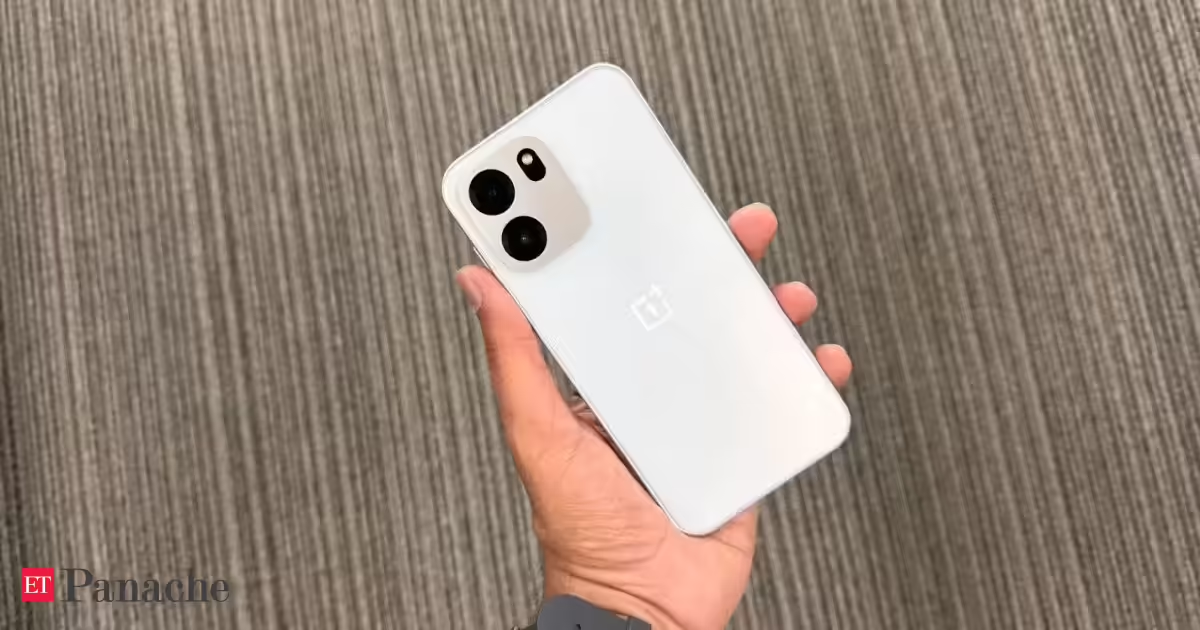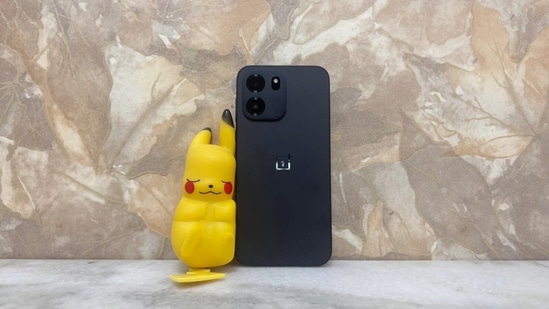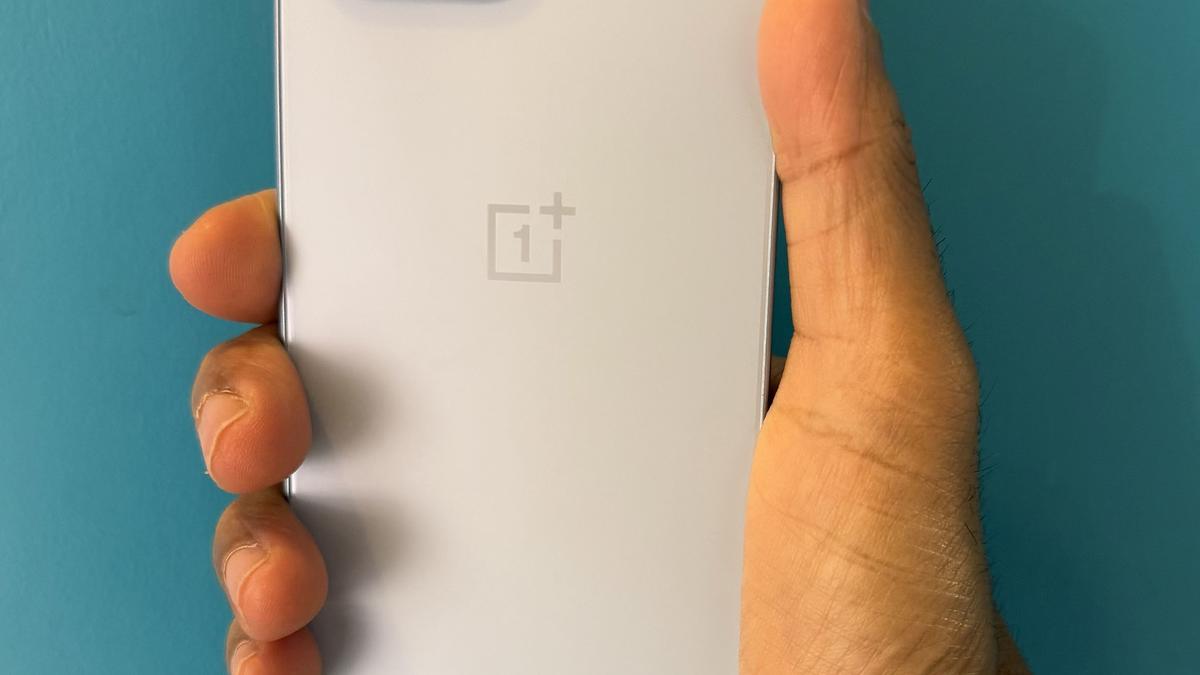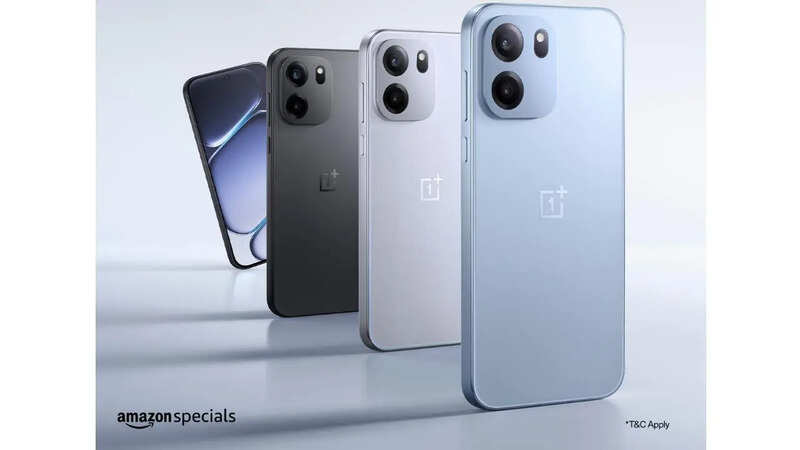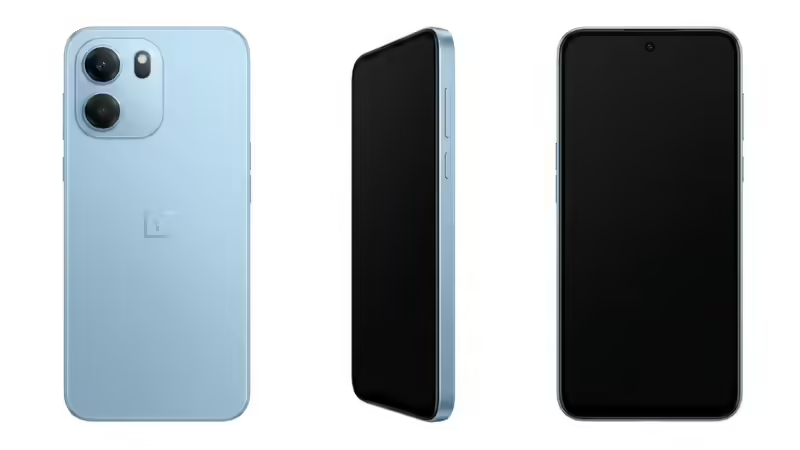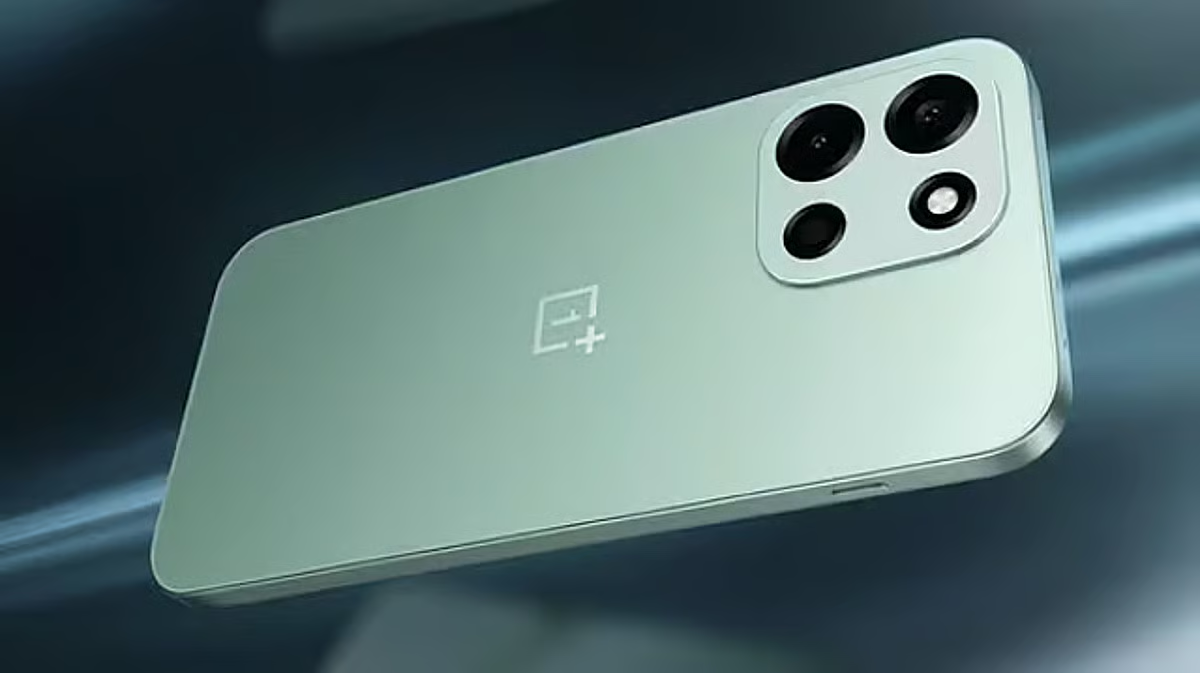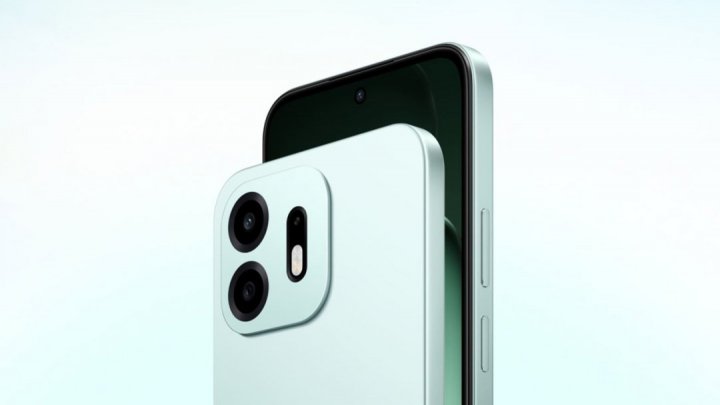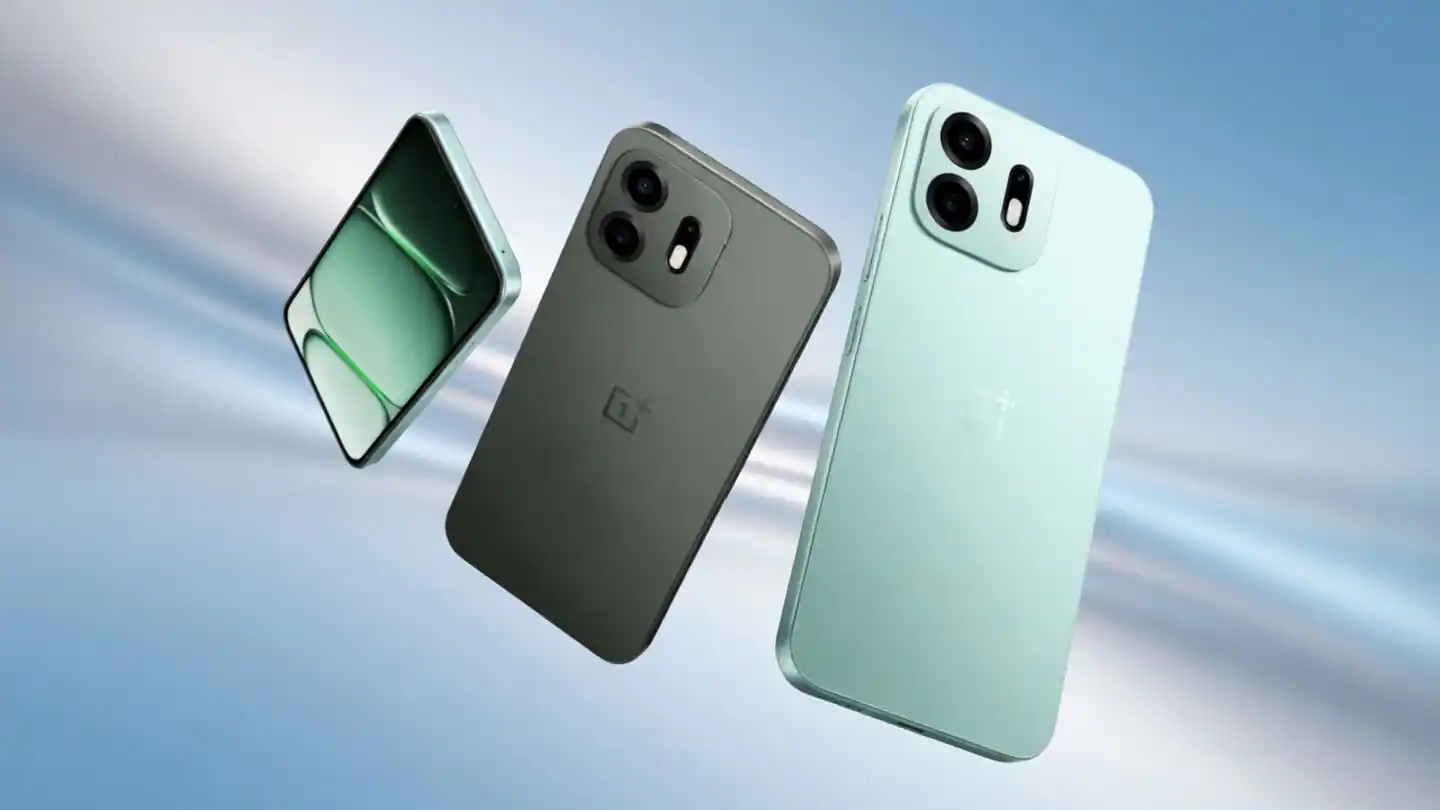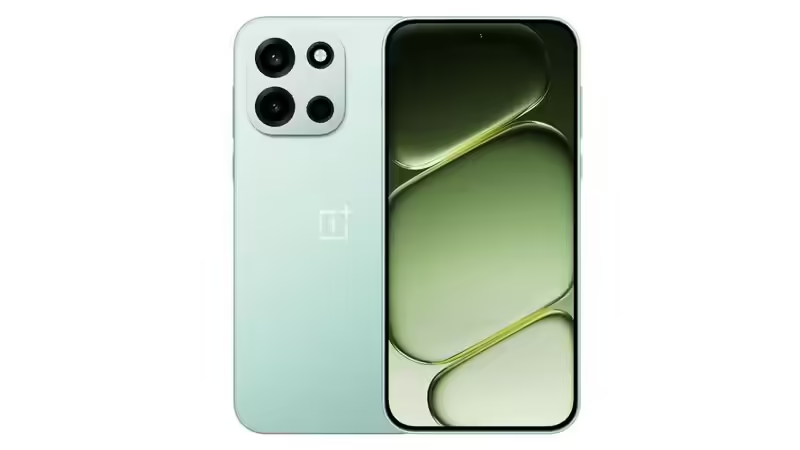
The sub-Rs 35,000 smartphone bracket operates as a high-stakes elimination chamber. Brands routinely promise flagship-grade performance, delivering instead hollow chassis propped up by marketing buzzwords. The upcoming OnePlus Nord 6 arrives carrying the weight of a brand attempting to reclaim its "flagship killer" identity. The big deal here is the silicon. By dropping a near-flagship processor into a metal unibody priced for the masses, OnePlus is attempting to completely rewrite the spec requirements for a mid-range device. Key Takeaways'OnePlus Nord 6' is expected to feature the 'Snapdragon 7+ Gen 3' chipset, delivering processing speeds that mirror the flagship 8 Gen 3 architecture in the sub-Rs 35,000 segment. The device will likely retain the 'metal unibody design' introduced in the Nord 4, distinguishing it from the plastic backs dominating this price bracket. Charging speeds are rumoured to hit '100W SUPERVOOC', translating to a 0 to 100 per cent charge in roughly 28 minutes. Software support includes 'OxygenOS 15', based on Android 15, with four years of major OS updates and six years of security patches.Why does the mid-range segment matter so much to OnePlus right now?OnePlus spent its early days courting tech enthusiasts willing to drop flagship money for stripped-down software. The market shifted. Brands like Motorola and iQOO started offering flagship silicon at half the cost, turning the sub-Rs 35,000 bracket into the actual volume driver in India. The Nord 6 exists as a direct counter-attack. OnePlus lost ground by releasing iterative updates and cluttered software. Reclaiming this bracket requires a hardware statement. The metal unibody serves as that statement. Plastic backs dominate this price tier because they are cheap to manufacture and easier to assemble, bypassing complex antenna band tuning. Machining a single block of aluminium introduces manufacturing complexity and lowers the yield rate. Taking that financial hit on a mid-range device signals a clear strategy: sacrifice short-term per-unit margin to win back the buyer base that abandoned the brand for competitors offering better build quality. How does OnePlus fit flagship specs into a mid-range budget?The balancing act relies on aggressive component binning and feature triage. To fit a Snapdragon 7+ Gen 3 and a metal chassis under Rs 35,000, OnePlus strips costs from areas buyers rarely scrutinize. The primary 50MP Sony sensor gets the marketing spotlight, but the secondary lenses revert to basic 8MP ultrawide units. The haptic motor drops from the premium X-axis linear actuators found in the numbered series to a cheaper, z-axis module, reducing the crispness of typing feedback. Display refresh rates hit 120Hz, but the PWM dimming frequency drops to 2,160Hz to save on display driver costs, a compromise only noticeable to users sensitive to screen flicker. They treat the BOM (Bill of Materials) like a race engineer managing a fuel map. You allocate maximum resources to the power unit - the processor, and the aerodynamics, the metal frame - while running a conservative strategy on the brake cooling- the haptics and secondary cameras. What processor will the OnePlus Nord 6 use?The OnePlus Nord 6 is tipped to launch with the Snapdragon 7+ Gen 3, a chipset that mirrors the architecture of the flagship 8 Gen 3. This silicon acts as the perfect power unit. In Formula 1, a customer engine often shares 80 per cent of its internals with the works team’s factory block; the 7+ Gen 3 operates on exactly this principle. It offers the thermal efficiency and instruction set of an eighty-thousand-rupee flagship phone, crammed into a chassis aiming for the thirty-thousand-rupee bracket. Users can expect sustained gaming frame rates that hold steady at 120fps during intense sessions of BGMI, provided the thermal management system matches the silicon's ambition. How do the display and battery stack up?A 6.74-inch 1. 5K AMOLED panel is the expected canvas, pushing a 120Hz refresh rate. The focus here is peak brightness. Leaks suggest a 2,100-nit peak output, making direct sunlight legibility a certainty. Beneath the display sits a 5,500mAh silicon-carbon battery. This chemistry allows higher energy density in a thinner physical footprint.SpecificationExpected DetailSignificanceDisplay6.74-inch 1. 5K AMOLED120Hz refresh rate, 2,100-nit peak brightnessBattery5,500mAh silicon-carbonHigher density, thinner physical footprintCharging100W SUPERVOOC0–100 per cent charge in roughly 28 minutes How does OxygenOS 15 change the user experience?Software remains the make-or-break factor. OxygenOS 15 needs to sound like a clean, single-coil guitar riff - crisp, articulate, and uncluttered. Previous iterations introduced bloatware and duplicate apps, creating an overdriven mess that muddied the user interface. The Nord 6 must ship with a leaner build. OnePlus has committed to four years of major Android updates. This commitment transforms the phone from a disposable annual upgrade into a multi-year investment. The integration of AI tools - specifically real-time call translation and text summarization-will likely move from server-side processing to on-device execution, relying on the NPU capabilities of the Snapdragon chip. FAQ: OnePlus Nord 61. Will the OnePlus Nord 6 support wireless charging? Wireless charging remains a flagship exclusive, skipping the Nord series entirely. The metal unibody design inherently blocks Qi charging pads. Users will rely entirely on the 100W wired SUPERVOOC solution for power delivery.2. What is the expected release date for the OnePlus Nord 6? Following historical release cycles, the OnePlus Nord 6 is slated for a July or August 2025 launch in India. The device will likely debut alongside a budget-tier Nord CE model.3. Does the phone feature an IP rating? Leaks indicate an IP65 rating for dust and water resistance. This rating provides protection against low-pressure water jets, making it safe for light rain but leaving it vulnerable to full submersion.4. How does the Nord 6 compare to the OnePlus 12R? The OnePlus 12R targets a higher price bracket with a flagship Snapdragon 8 Gen 2 and a superior secondary camera. The Nord 6 focuses on delivering 90 per cent of the 12R’s performance at a significantly lower cost, justifying the downgrades in display brightness and charging speed.The OnePlus Nord 6 operates on a razor's edge. By offering flagship-tier processors and metal builds at mid-range prices, it risks cannibalizing sales of its own premium numbered series. If the execution matches the spec sheet, this device will force competitors to discard plastic backs and outdated chips entirely, resetting the baseline for what a thirty-thousand-rupee smartphone must offer.end of article
OnePlus Nord 6: Snapdragon Power, Metal Build, and the New Mid-Range Benchmark
The sub-Rs 35,000 smartphone bracket operates as a high-stakes elimination chamber. Brands routinely promise flagship-grade performance, delivering instead hollow chassis propped up by marketing buzzwords. The upcoming OnePlus Nord 6 arrives carrying the weight of a brand attempting to reclaim its "flagship killer" identity. The big deal here is the silicon. By dropping a near-flagship processor into a metal unibody priced for the masses, OnePlus is attempting to completely rewrite the spec requirements for a mid-range device.
1,037 words~5 min read