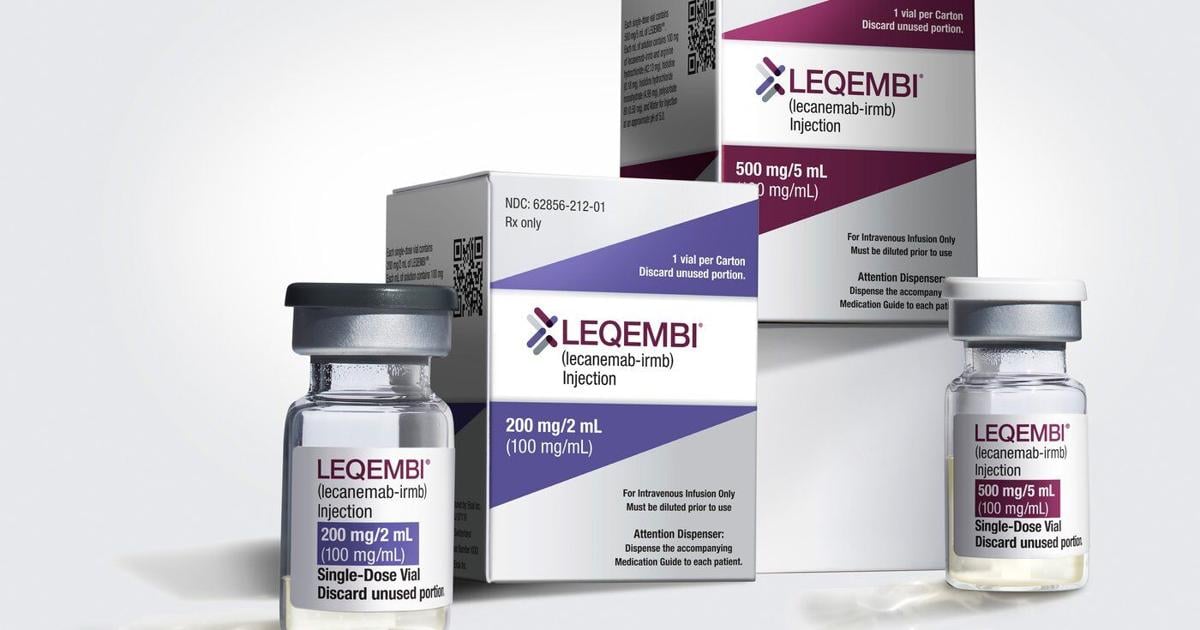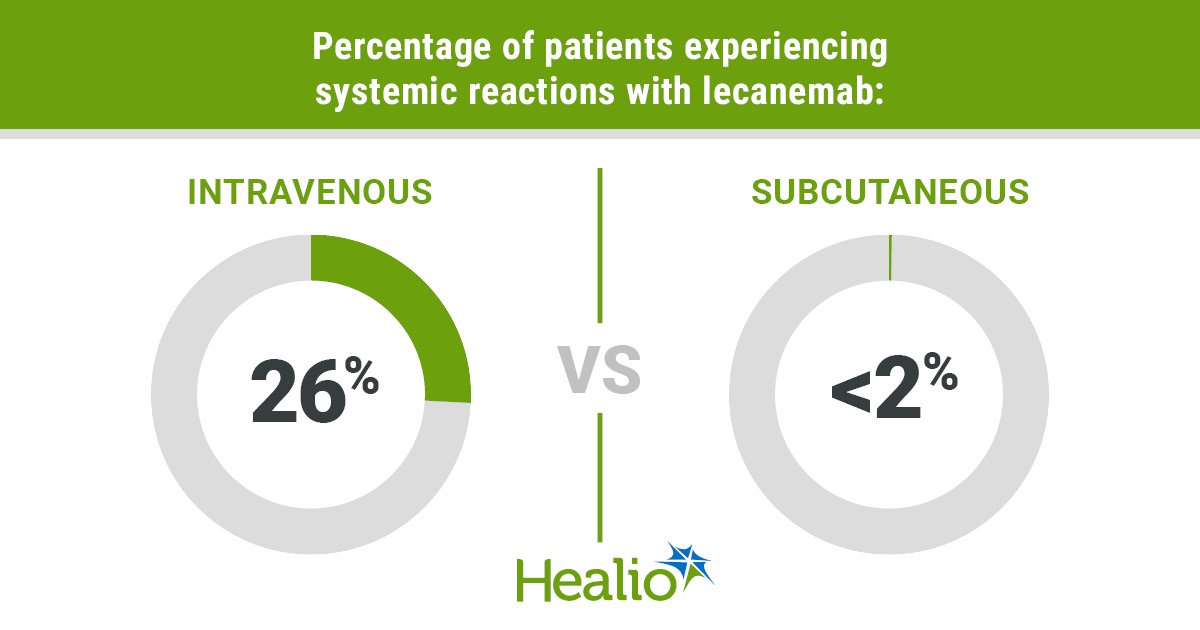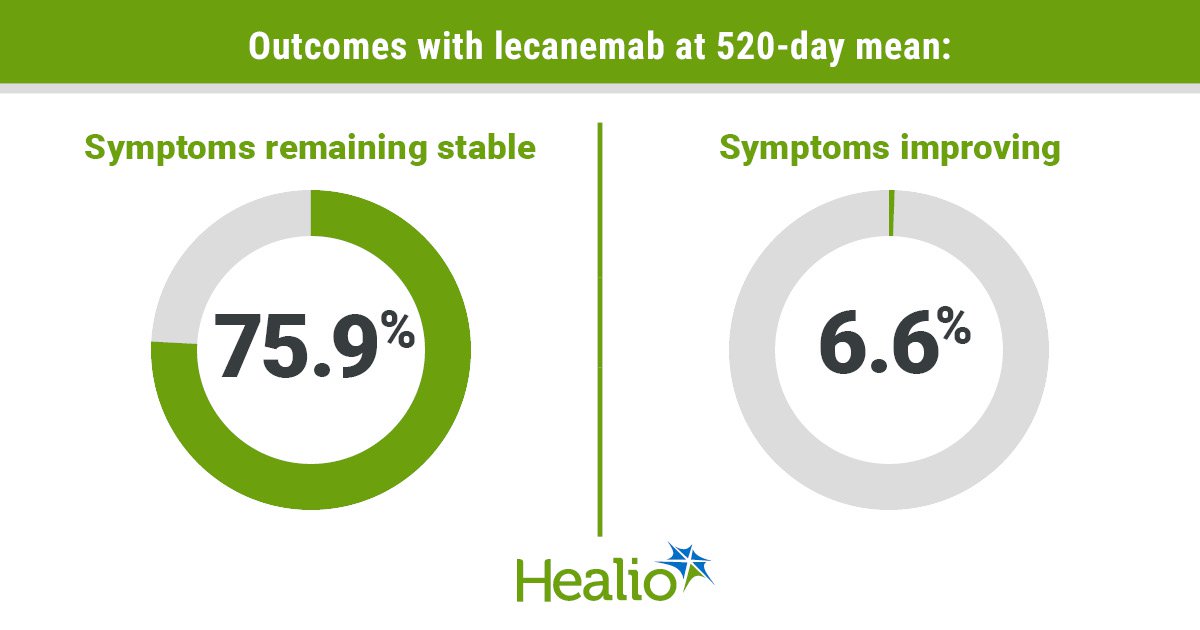
Canada recently approved lecanemab to treat early Alzheimer's disease, but the clinical benefits are modest, it carries a risk of serious adverse effects, and treatment is complex. An article in the Canadian Medical Association Journal provides an overview of the medication and advises health care professionals to engage in shared decision-making with patients and caregivers to help them understand the potential risks and benefits.
"The interpretation of benefits from lecanemab may be influenced by the limited availability of therapies for and the personal and societal burdens of Alzheimer's disease. Clinical benefits are modest at best, with uncertain impacts on quality of life, independence and caregiver burden," writes Dr. Sharon Straus, a geriatrician at Unity Health Toronto and professor at the University of Toronto, with co-authors.
Although lecanemab is approved in Canada, it is expensive—about $35,000 to $40,000 per year per patient—and it is not publicly funded. Most provinces and territories remain uncertain about whether they will cover it with health insurance.
Lecanemab treatment is resource-intensive, requiring specialized diagnostics, regular intravenous doses and frequent monitoring with MRI scans. Patients with early Alzheimer's disease and confirmed amyloid in the brain are eligible, with confirmation via a PET scan or a lumbar puncture with cerebrospinal fluid analysis. Brain swelling and small brain bleeds can occur as the drug tries to clear amyloid, the protein that may build up in the brain with Alzheimer's disease.