AT its zenith, England was known as a nation of shopkeepers, where trade followed the crown; this was however interchangeable — the East India Company accumulated an empire, many times the size of the mother country. While some daring soldiers and civil servants were rewarded with fancy titles for colonial conquests, the real beneficiaries of the British empire were textile traders, mine and mill owners, and diamond merchants, who built their fortunes by helping the British government in looting colonies. Thus, while the common Englishman, mostly a miner or sharecropper, wallowed in poverty, the lords, ladies, and knights, lived in vast estates, with a retinue of servants, and all the luxuries that money could buy.
The US, where capitalism came “on the first ships,” was built on the foundations of private property, acquisitiveness, and individualism. Now led by a billionaire president, who has no qualms about receiving an aircraft as a gift, that too from a foreign government, and who is accused of a whole gamut of financial improprieties including massive unethical trading in crypto tokens and stocks, the country seems to have slipped into a grotesque parody of capitalism.
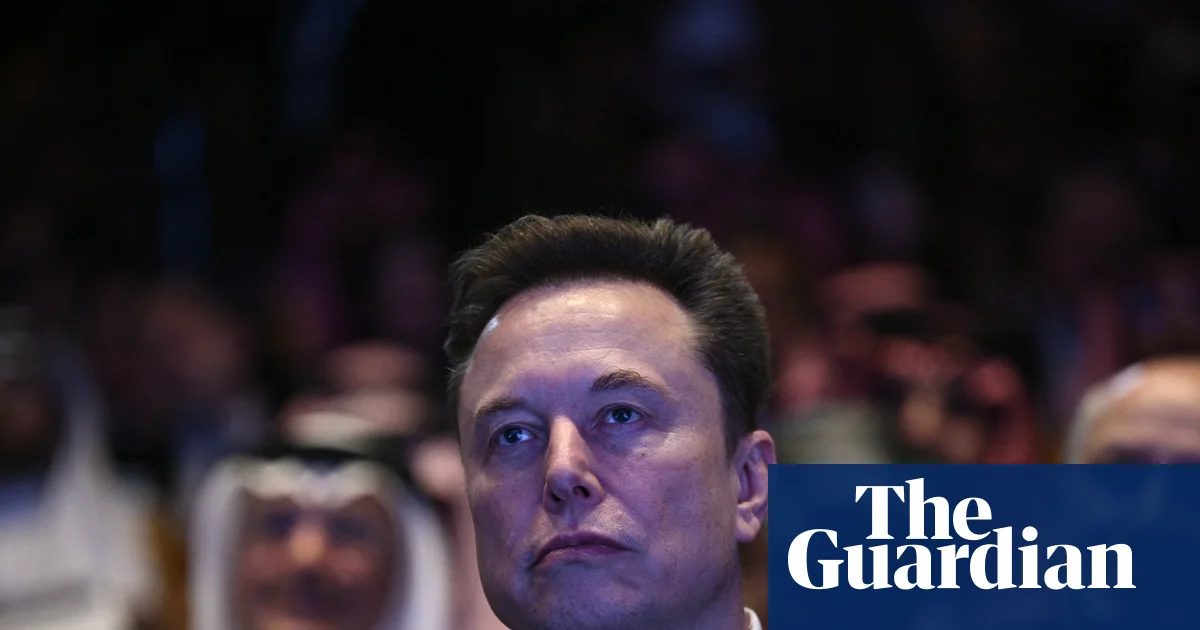
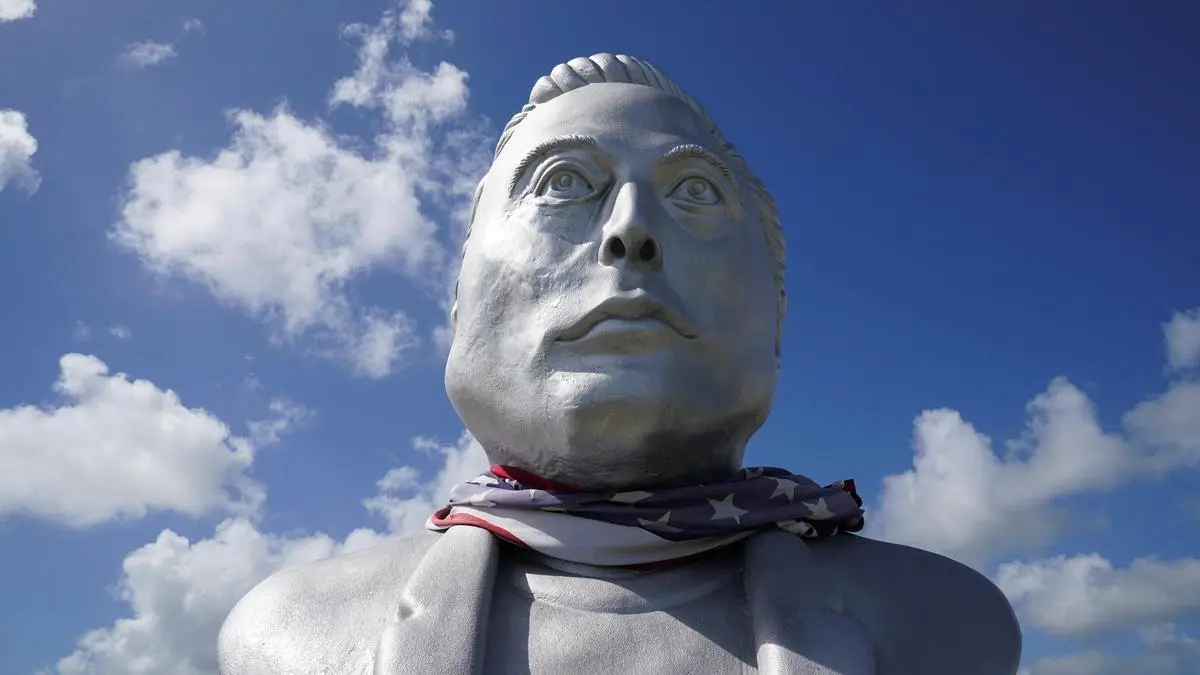
Nowhere was it so apparent as at the humongous $86 billion IPO of SpaceX, a company largely owned by Donald Trump’s friend, Elon Musk — by far the world’s richest man. The stated objective of the IPO was establishing a one-million-person colony on Mars, establishing other outposts in space, launching data centres the size of football fields into orbit, and also outdoing rivals Anthropic and OpenAI in the race to make money from artificial intelligence. According to classical political science, except the last goal, the rest are best left to the government.