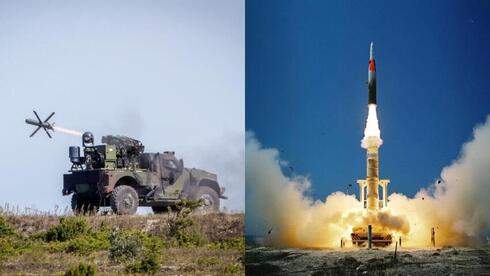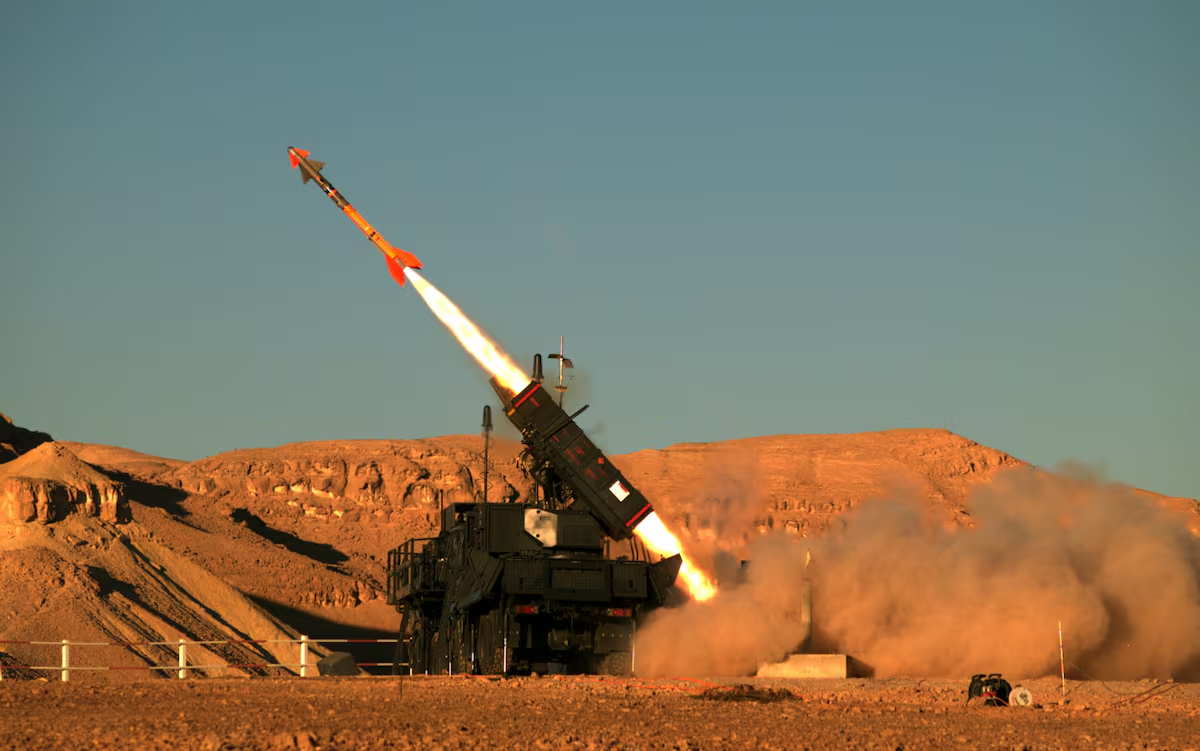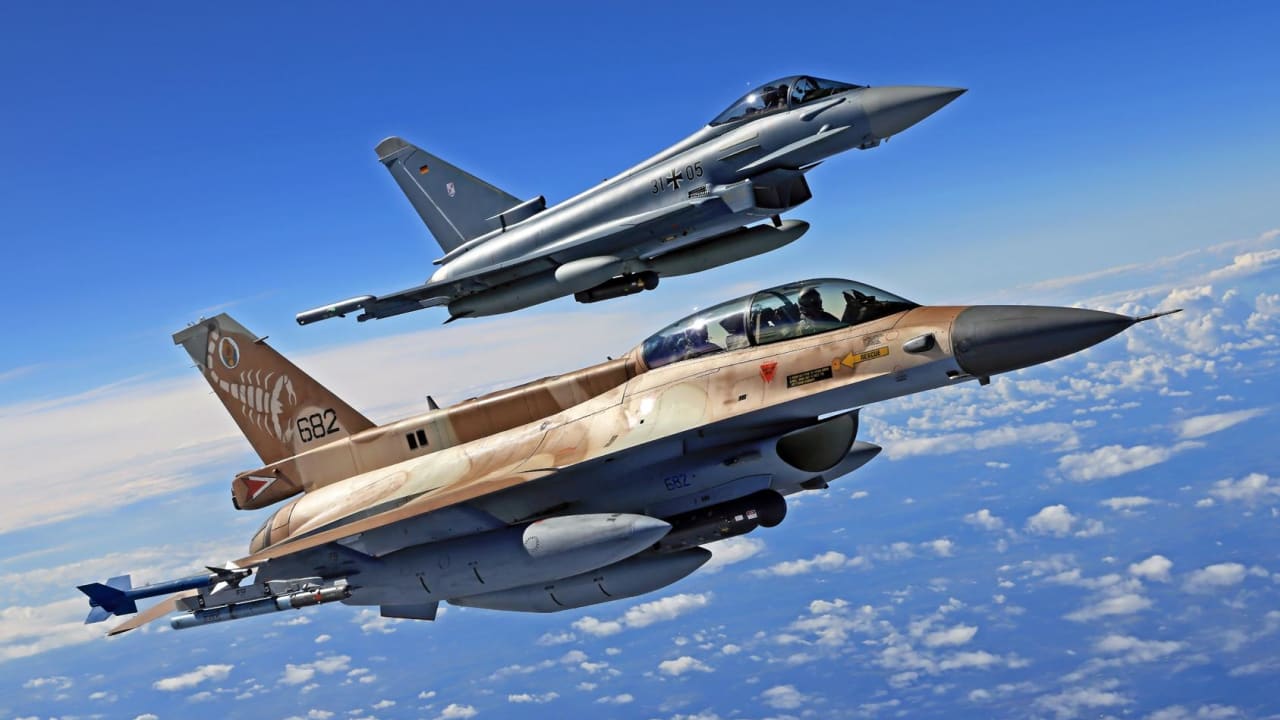
Israel is considering listing state-owned defence giants Israel Aerospace Industries Ltd. and Rafael Advanced Defense Systems Ltd. in the US to potentially avoid stricter disclosure obligations in the local market.Representatives from the government and the firms — the makers of the Arrow and Iron Dome anti-missile defense systems — are set to travel to the US in mid-July to assess the possibility of an overseas initial public offering, an Israeli official familiar with the trip said. It could entail either a primary or dual listing, the official said, asking not to be identified by name because the plans are private. The Israeli government is planning to sell stakes of as much as 30% in the makers of the Arrow and Iron Dome anti-missile defense systems. The goal is to conclude the operation by the end of the year, with IAI’s valuation estimated at about 100 billion shekels ($33.7 billion) and Rafael’s at about 60 billion shekels, Bloomberg has previously reported.Senior officials from Israel’s Government Companies Authority will lead the delegation, joined by representatives from the defense and finance ministries, IAI and Rafael. They will meet with investors, underwriters, lawyers and regulators, seeking to explore how US transparency rules apply to companies overseeing classified projects, the official said.Israel’s Companies Authorities, which is overseeing the process, didn’t respond to a request for comment. No final decision has been made on the stake divestment, including timing or venue, and plans may still change. US regulators are seen as more likely to grant companies leeway on disclosure obligations on national security grounds than Israeli counterparts, according to the official.Under Israel’s dual-listing arrangement, firms debuting on the Nasdaq or New York Stock Exchange — two of the six overseas venues covered by the agreement — can seek a secondary stock entry on the Tel Aviv Stock Exchange and still be subject to the regulations applied overseas. Israel’s defense companies have expanded rapidly in the last several years and the sale of minority stakes in IAI and Rafael would likely channel billions of shekels to Israel’s strained budget. Growing military spending since Hamas’s October 2023 attacks is expected to push this year’s budget deficit to 5.3% of gross domestic product, according to central bank projections. As part of the privatization process, measures are being considered to improve the companies’ ability to compete against global peers, including lifting restrictions on executive salaries and speeding up approvals, a Rafael official previously told Bloomberg, requesting anonymity because the matter is private.Officials visiting the US will also examine the potential for IAI and Rafael units to be listed overseas, which unlike the parent companies don’t require government approval, the official said, adding that each company has roughly 40 wholly or partially owned subsidiaries.Rafael has been a particularly active dealmaker, the official said. Earlier this year, it listed DSIT Solutions Ltd. – a maritime security firm – on the Tel Aviv Stock Exchange amid growing global demand for maritime protection. Even if a final privatization decision for Rafael isn’t reached, a foreign IPO may remain an option for its subsidiaries, the official said.Israel approved IAI’s privatization about six years ago, but the sale stalled because of concerns about the disclosures it would need to make as a publicly traded company. Rafael is still awaiting approval and has a narrow window to gain the government’s go-ahead before parliament disbands ahead of elections, due by late-October. Once a date for the ballot is set, the process will be parked until a new government is formed. IAI and Rafael reported record revenue in 2025, with order backlogs exceeding $30 billion and $20 billion respectively. Foreign orders accounted for 70% of IAI’s total and about half of Rafael’s.More stories like this are available on bloomberg.comPublished on June 29, 2026
Israel weighs US IPO for major State-owned defence firms
Israel is considering listing state-owned defense giants Israel Aerospace Industries Ltd. and Rafael Advanced Defense Systems Ltd. in the US to potentially avoid stricter disclosure obligations in the local market.
TL;DRAI
Israel plans US IPO for IAI and Rafael to sell 30% (~$13.7B), bypassing stricter disclosure rules. Regulatory arbitrage on defense—exploiting lenient oversight—becomes capital strategy, signaling investor appetite for opacity in strategic assets.
624 words~3 min read