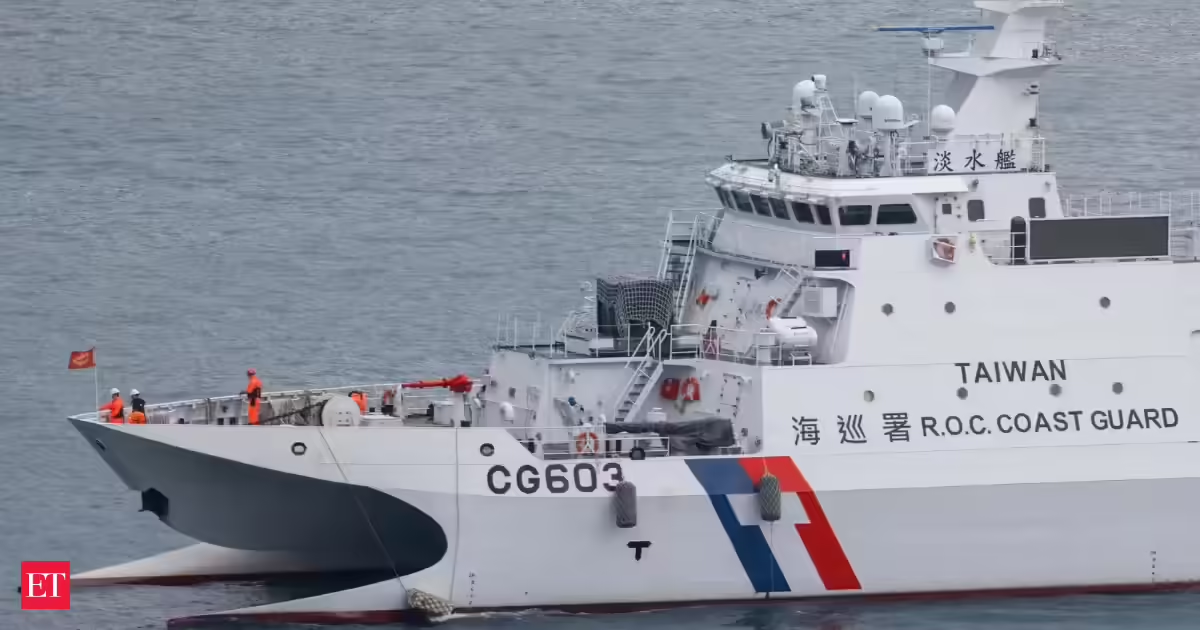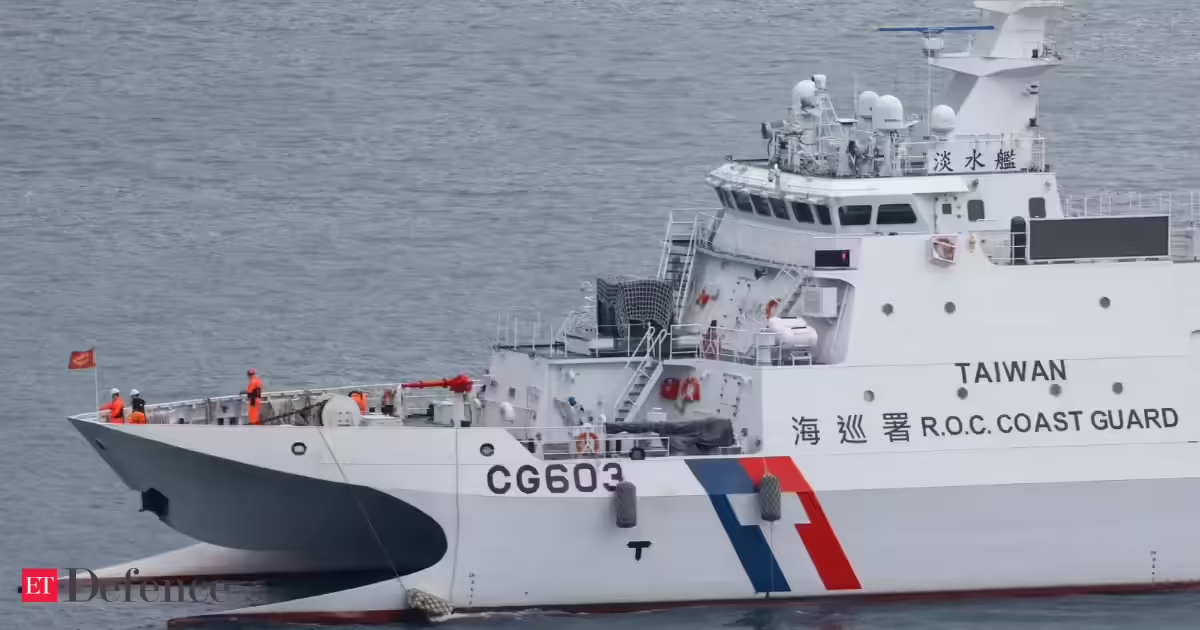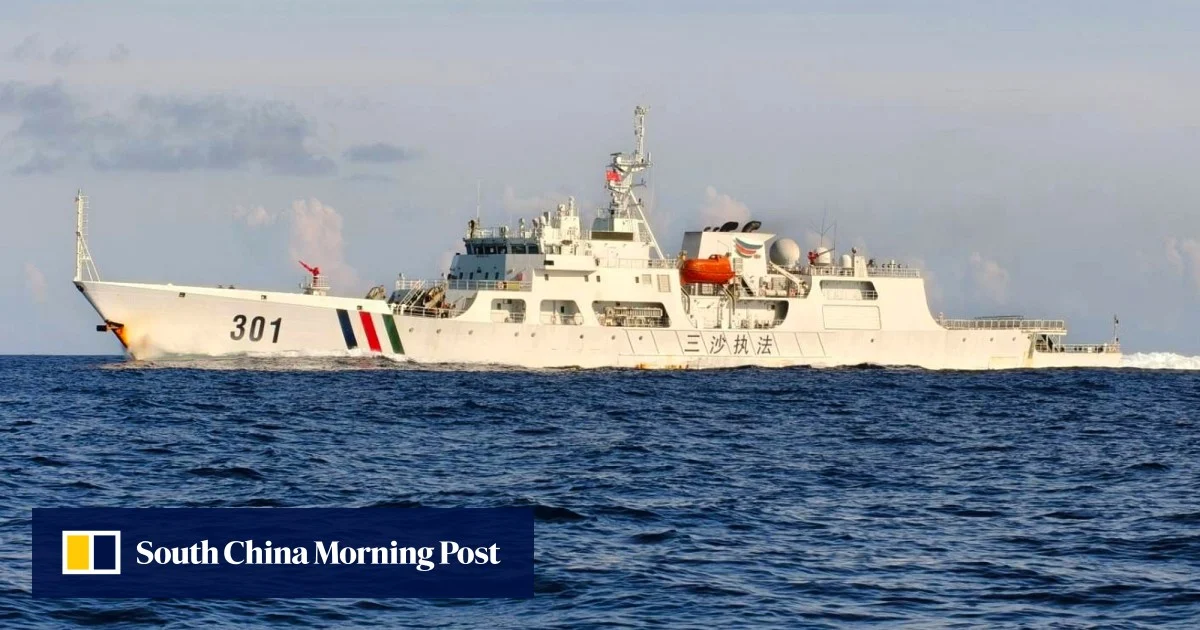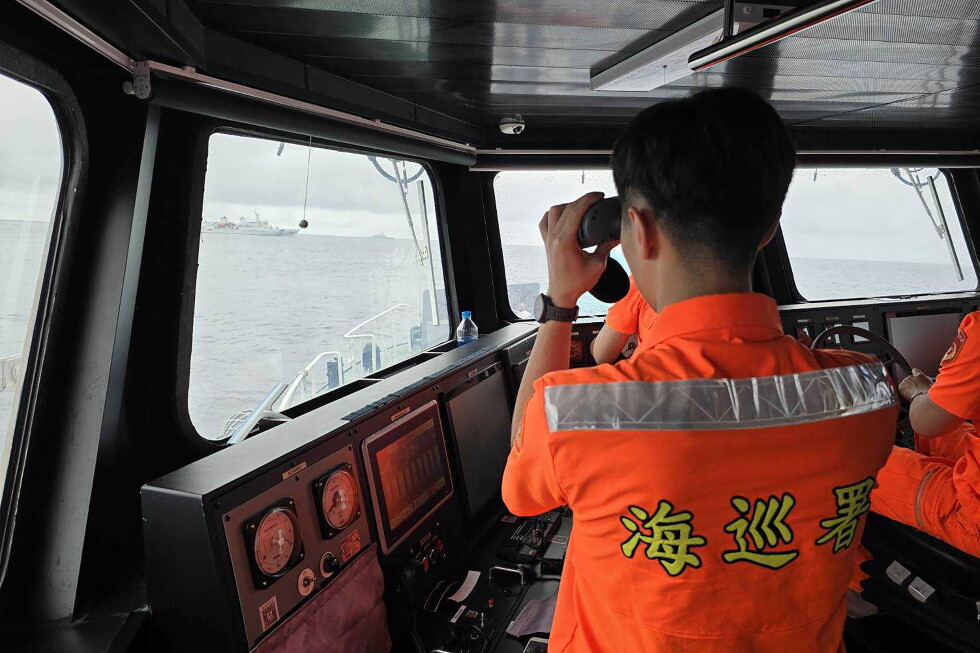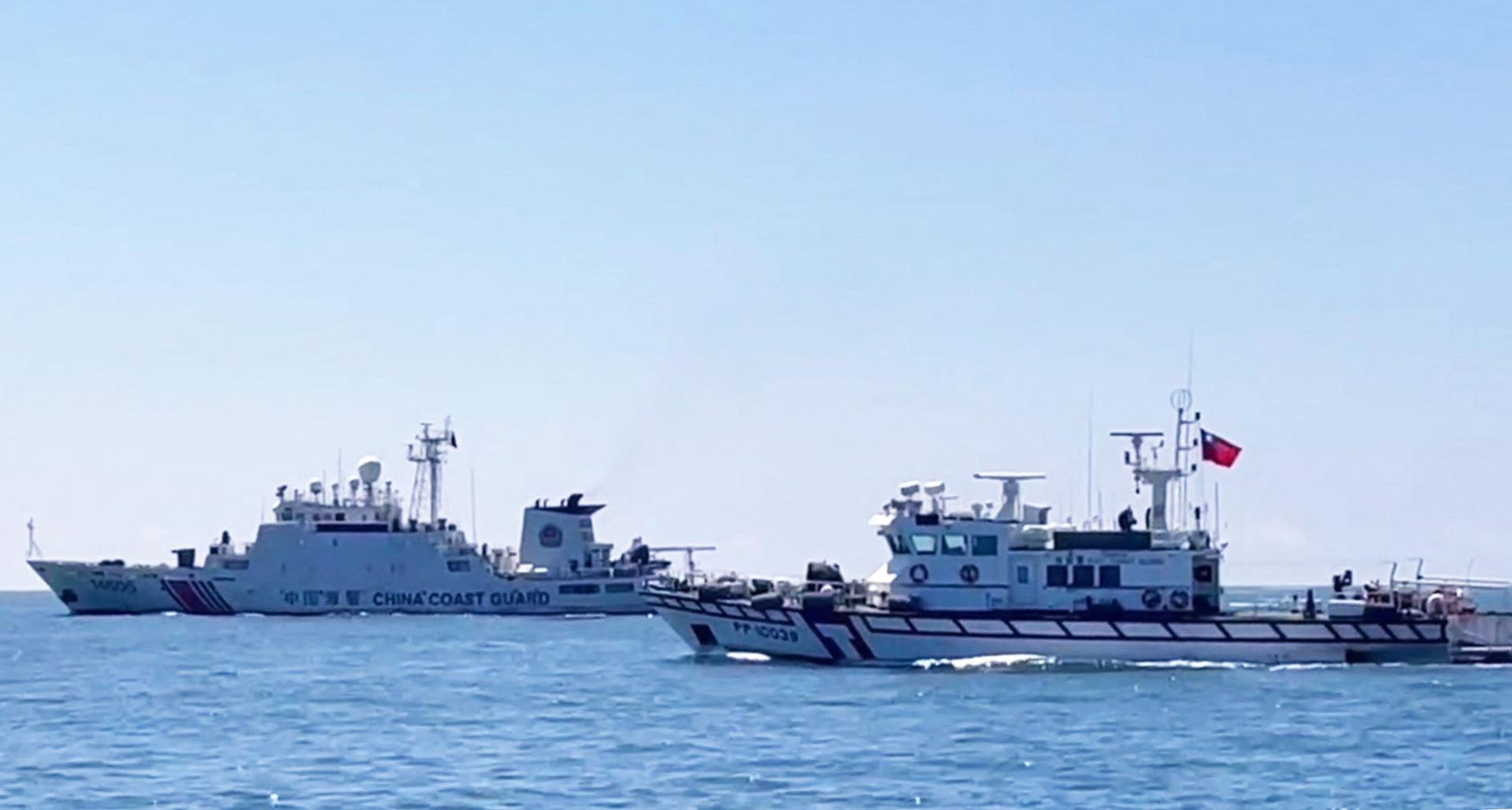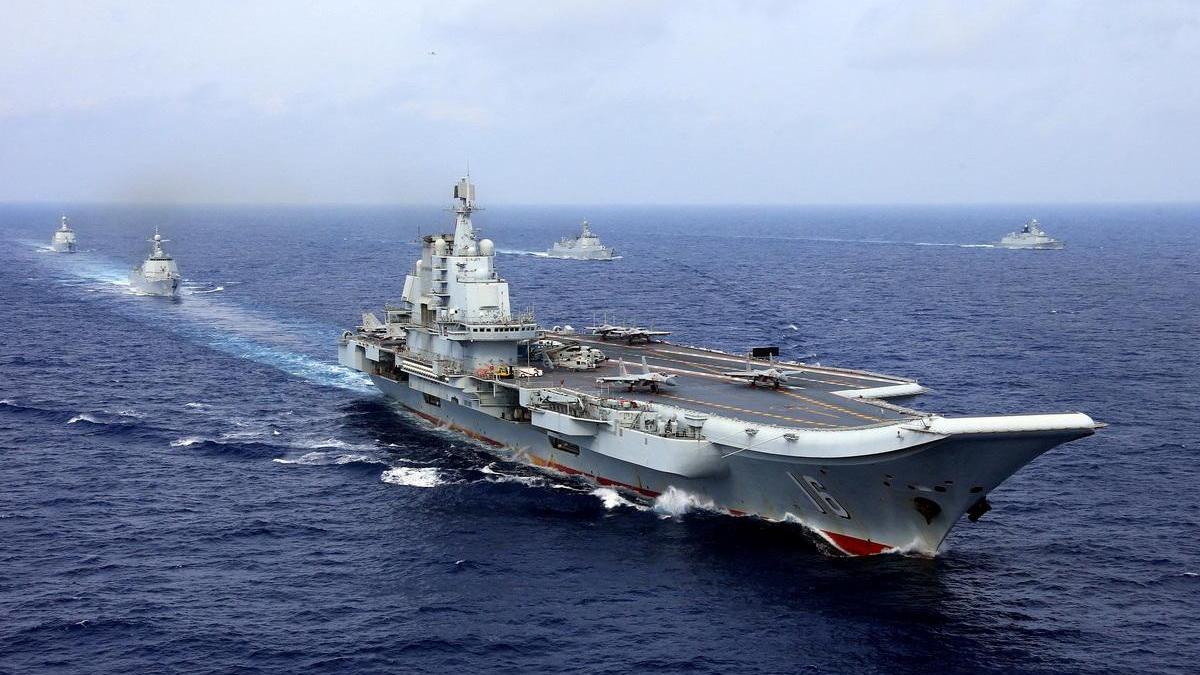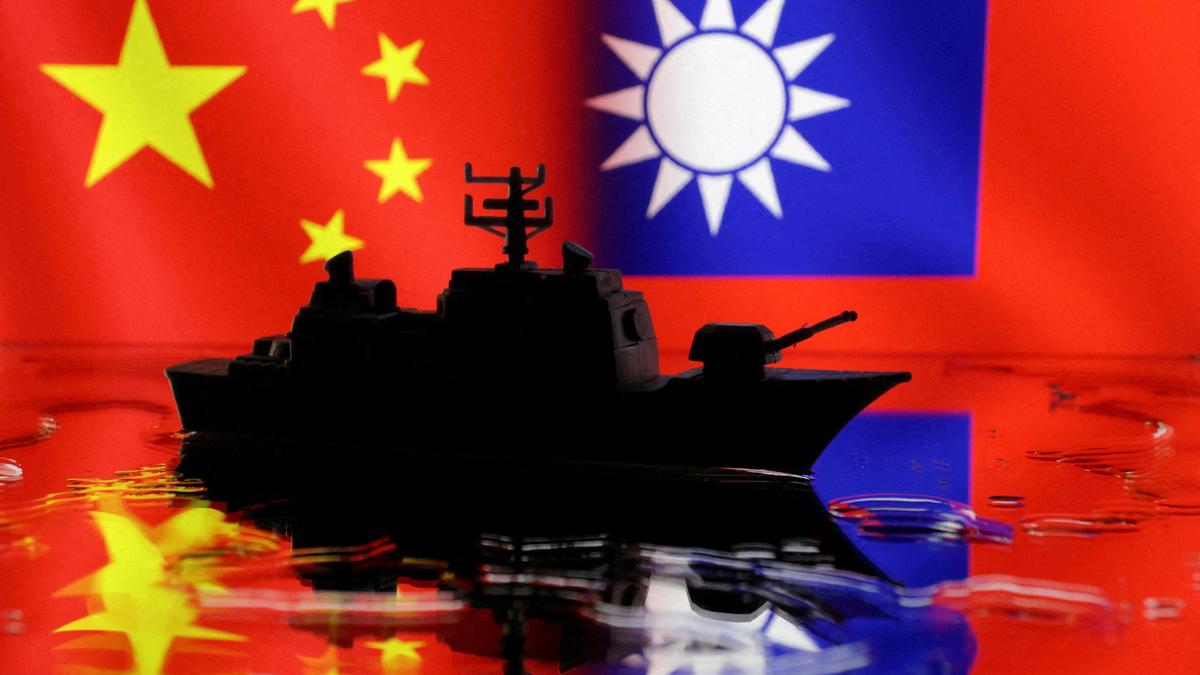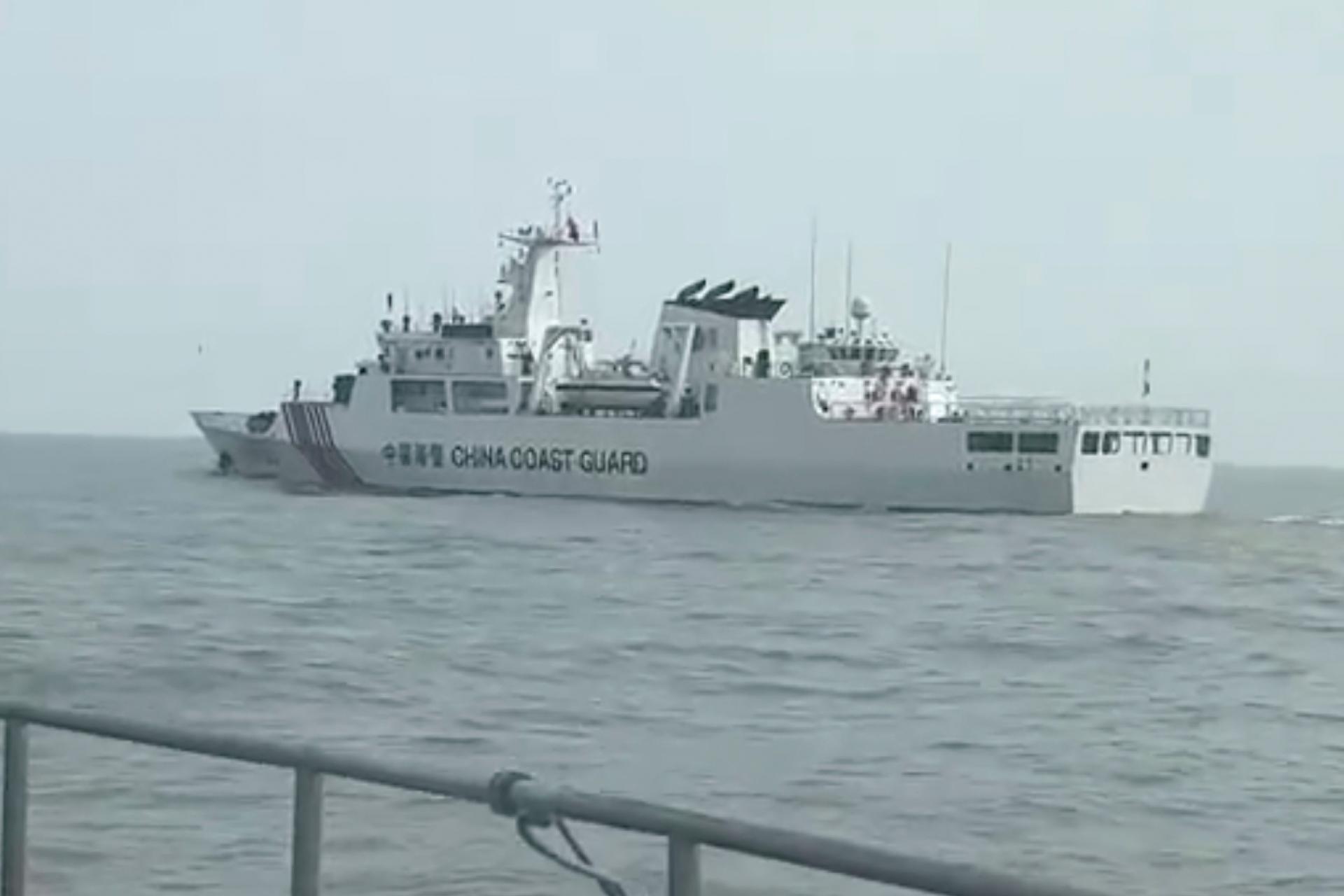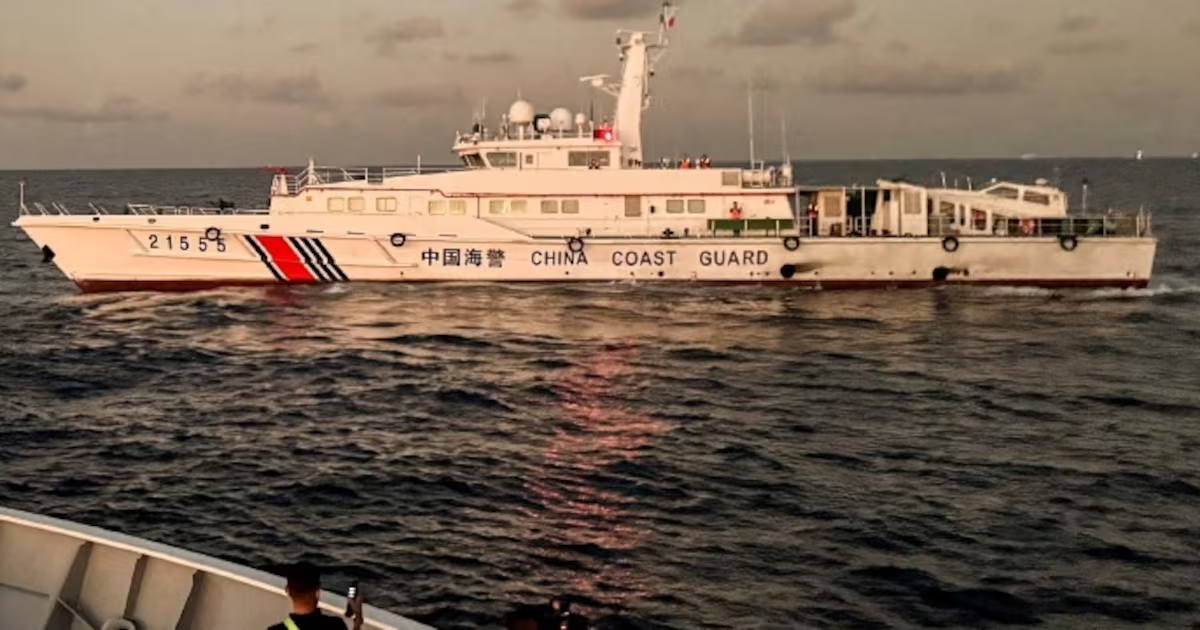
Much of the commentary surrounding China’s recent deployment of government vessels east of Taiwan has focused on China’s force posture. That interpretation is understandable. The waters east of Taiwan are strategically important and any Chinese presence there naturally attracts attention from analysts looking for clues about Beijing’s military intentions. Yet focusing primarily on military implications risks missing what may be the operation’s most important feature. The significance of these deployments lies not only in where the ships sailed but also in what kind of ships they were and how Beijing chose to describe their mission.The vessels involved were not naval warships. They were coast guard, maritime safety and other state-operated law enforcement platforms. More notably, Chinese state media characterised the operation as a “sovereignty declaration”. The language suggests the objective extended beyond military signalling and into the realm of jurisdictional and political claims. This distinction matters because maritime disputes are not always advanced through military force. Often, they are advanced through administration.States establish claims not only by drawing lines on maps but also by exercising authority in practice. Patrols are conducted. Regulations are enforced. Notices are issued. Government vessels maintain a routine presence. Over time, these activities can become part of a broader argument that a state is not merely claiming a maritime space but actively governing it.Had China dispatched destroyers, frigates or other naval combatants through the area, observers would likely have interpreted the deployment as a demonstration of military reach. By relying instead on coast guard and maritime administration vessels, Beijing placed the operation in a grey zone between civilian activity and military coercion.By relying instead on coast guard and maritime administration vessels, Beijing placed the operation in a grey zone between civilian activity and military coercion.This has become a defining feature of China’s maritime strategy. Rather than relying exclusively on military power, Beijing employs law enforcement and quasi-civilian institutions to advance its claims. These platforms allow China to expand its presence while avoiding the escalatory dynamics associated with overt military operations.Such activities are often difficult for other countries to respond to effectively. Sending naval vessels to confront coast guard ships risks appearing disproportionate. Ignoring the activity, however, may allow new patterns of behaviour to become normalised over time.The deployment occurred amid growing co-operation between Japan and the Philippines, including discussions regarding maritime boundaries and regional security arrangements. Beijing strongly criticised those discussions and linked its maritime activities to its broader sovereignty claims.From China’s perspective, questions involving Taiwan cannot be separated from wider regional maritime disputes. By conducting and publicising these patrols, Beijing appears to be signalling not only to Taiwan but also to neighbouring states that it intends to play a more active role in defining the legal and political geography of the Indo-Pacific.For Japan and the Philippines, it signals China’s willingness to challenge regional arrangements that Beijing believes conflict with its interests. For the US, it serves as a reminder that great power rivalry is taking place through coast guards, maritime agencies, and legal narratives rather than through military forces alone. And for domestic audiences within China, it demonstrates a government actively asserting what it portrays as national sovereignty.None of this means that a single patrol should be interpreted as a historic turning point. Strategic analysis often suffers from a tendency to overstate the significance of individual events. The deployment may ultimately prove to be one step in a longer pattern rather than a decisive break from the past.At the same time, dismissing these operations as routine would be equally misguided. The history of maritime disputes illustrates that claims are strengthened not through dramatic acts of conquest alone but through persistent demonstrations of presence and control. What appears incremental in the moment can, over time, reshape expectations regarding rights to a particular space and who possesses the authority to operate there.That is why China’s recent patrols deserve careful attention. The quiet contest over jurisdiction, legitimacy, and routine presence may prove just as consequential as the more visible competition involving aircraft carriers and fighter jets. In that contest, China’s recent operations east of Taiwan may represent more than a patrol. They may represent an effort to redefine the terms of the debate itself.• Kajee is a lecturer at Southern Utah University, a nonresident research fellow at the Korea Institute for Maritime Strategy, and a researcher for the SeaLight maritime transparency initiative at Stanford University’s Gordian Knot Centre for National Security Innovation.
JUN KAJEE | China’s patrols are about more than force projection
Coast guard vessels around Taiwan highlight maritime claims through administration
734 words~3 min read