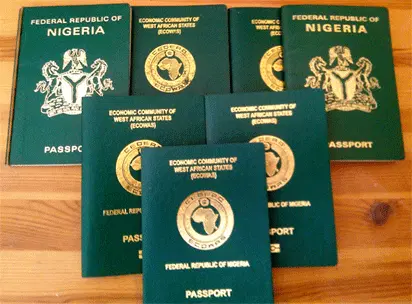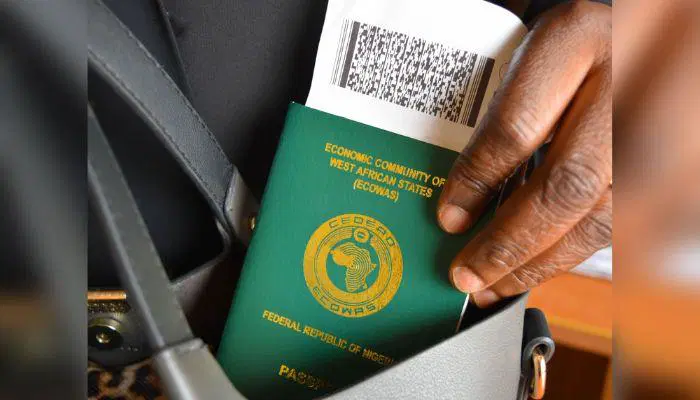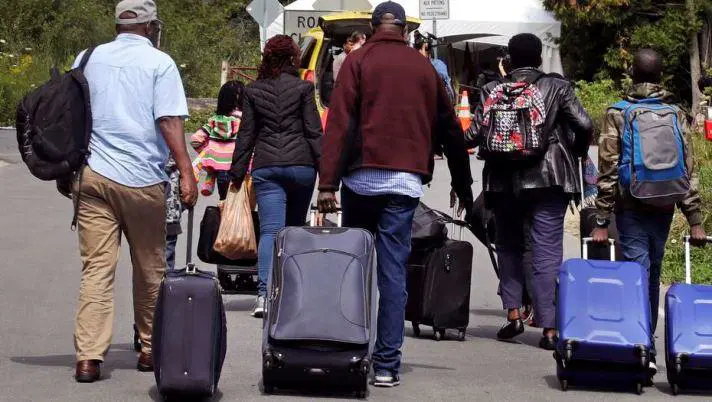
There is something quietly humiliating about the way Nigeria relates to the world through the narrow lens of a visa stamp. Africa’s most populous nation, its largest economy, a country of 220 million people whose cultural exports have conquered streaming platforms from London to Los Angeles, and yet, the Nigerian passport remains one of the least respected travel documents on earth. Not because Nigerians are unwelcome wherever they go. But because Nigeria, as a government, has repeatedly allowed itself to be the party that gives more than it gets.
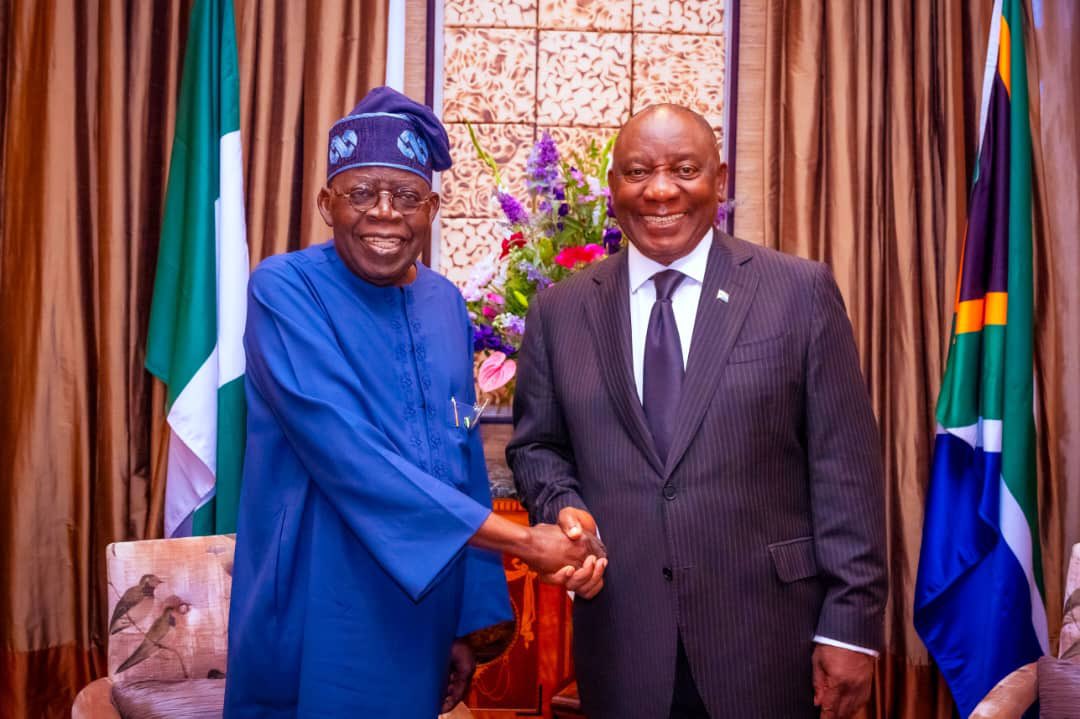
The subject of visa reciprocity, the principle that two countries should extend to each other’s citizens roughly the same conditions for entry, has long been an afterthought or non-existent in Nigeria’s foreign policy. While other African nations quietly negotiate their way to better bilateral travel arrangements, Nigeria continues to tighten its reign on its borders, charges other citizens extraordinary visa fees to come into the country even though the same country has opened its borders to Nigerians visa-free in most cases, thereby watching its passport sink further down the global rankings year after year. The consequences are no longer merely a matter of dignity. They translate into lost billions, stunted trade, and a population that feels the weight of its green passport at every international checkpoint.