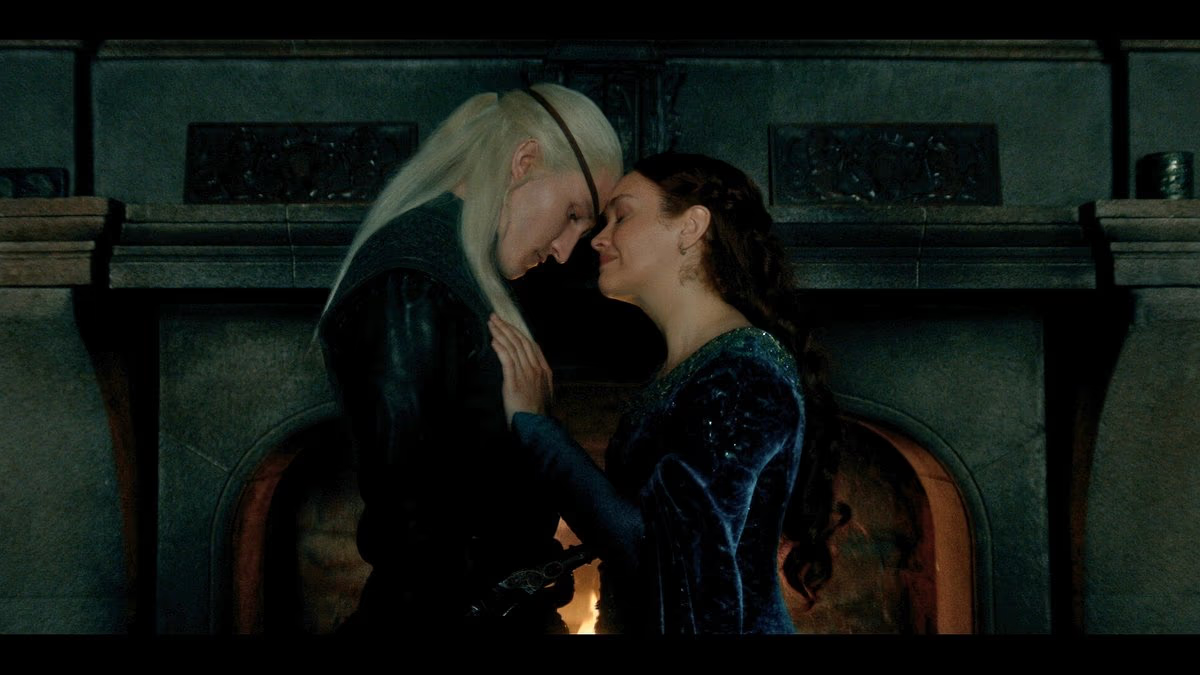
No matter where you stand in the Game of Thrones versus House of the Dragon debate, there's one area where the prequel series trounces the original, and that's its treatment of sexual violence.Onscreen sexual violence was a constant from Game of Thrones' very first episode, in which Khal Drogo (Jason Momoa) raped Daenerys Targaryen (Emilia Clarke) on their wedding night. From there on out, scenes of sexual assault became a disquieting norm. Several consensual encounters in George R.R. Martin's A Song of Ice and Fire novels were turned into non-consensual ones in the show, including Jaime Lannister's (Nikolaj Coster-Waldau) rape of his twin sister, Cersei Lannister (Lena Headey), in Season 4. At times, Game of Thrones even used a woman's assault as a vehicle for a male character's development. The show's depiction of Sansa Stark's (Sophie Turner) rape at the hands of Ramsay Bolton (Iwan Rheon) became less about her traumatic experience than about Theon Greyjoy's (Alfie Allen) reaction to it. (Sansa does not even cross paths with Ramsay in the novels.)
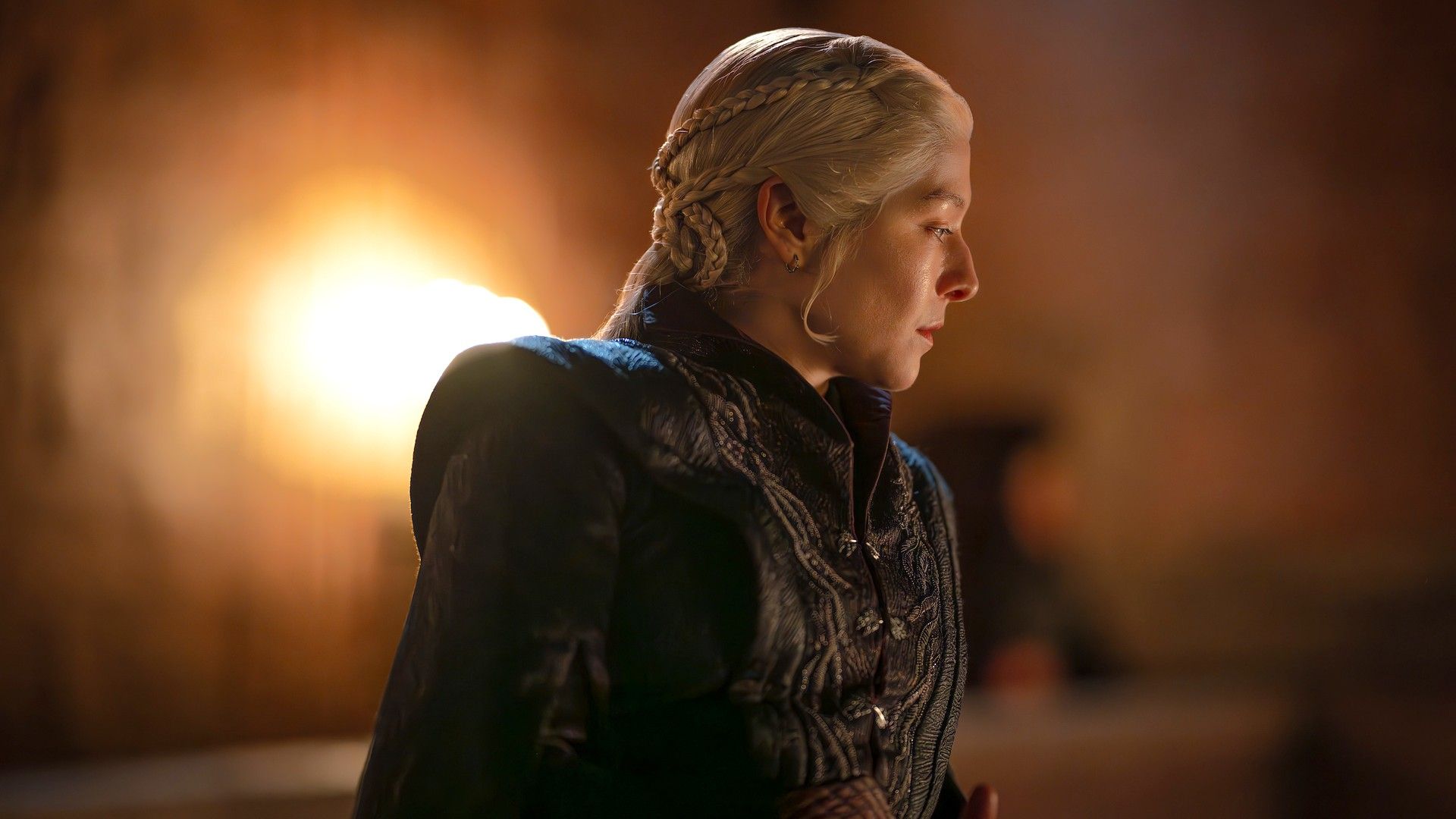
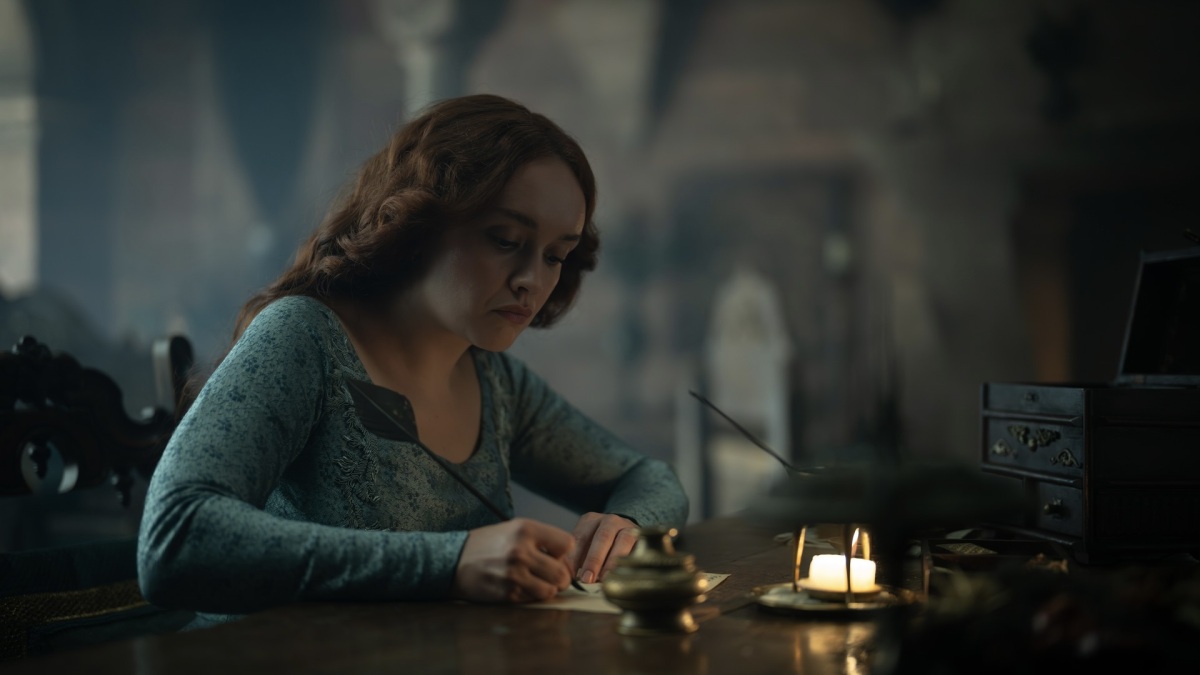
In showing these scenes of sexual violence in graphic detail, Game of Thrones hoped to hammer home the brutality of Westeros. But House of the Dragon proved that you don't need explicit scenes of assault to emphasize the harsh realities women face in the series (and by extension, the medieval period on which it was based). Aside from one upsetting but brief scene of marital rape between Viserys Targaryen (Paddy Considine) and young Alicent Hightower (Emily Carey), House of the Dragon has shown far more restraint than its predecessor when it comes to portraying sexual violence. Instead, it focuses on the patriarchal systems that cast doubt and inferiority on women like Rhaenyra (Emma D'Arcy) and Alicent (Olivia Cooke), which in turn foster violence.However, a scene in House of the Dragon Season 3, episode 2 threatens to derail that restraint and launch the series down a slippery slope towards Game of Thrones' worst tendencies.