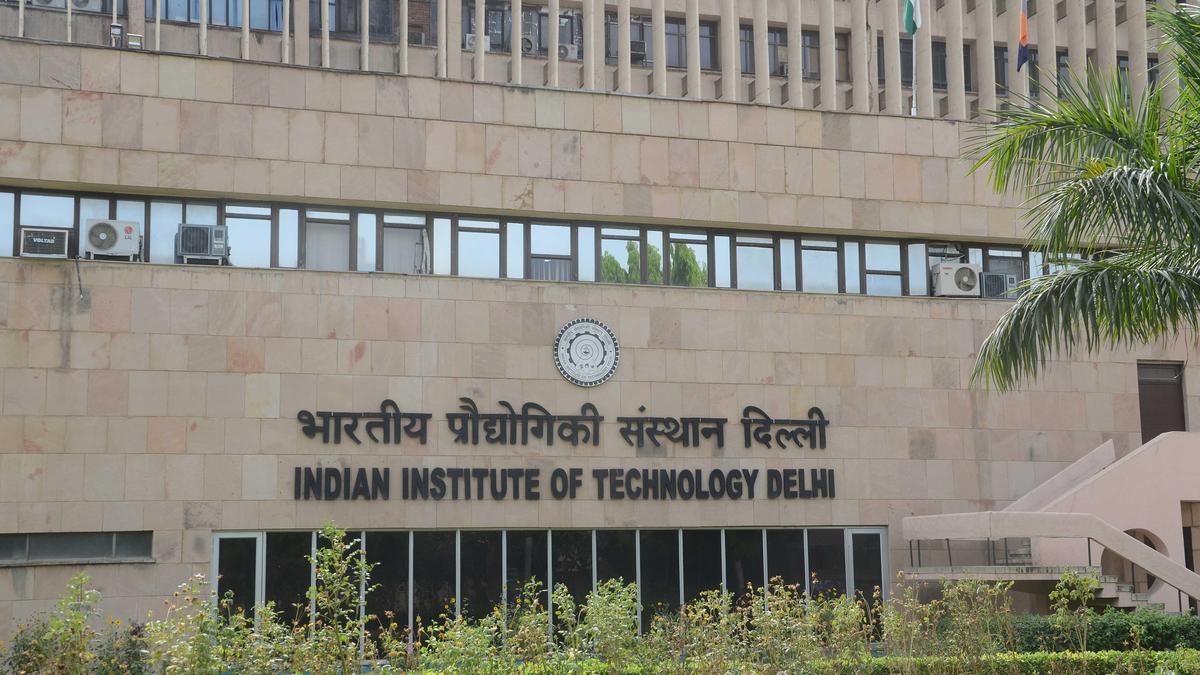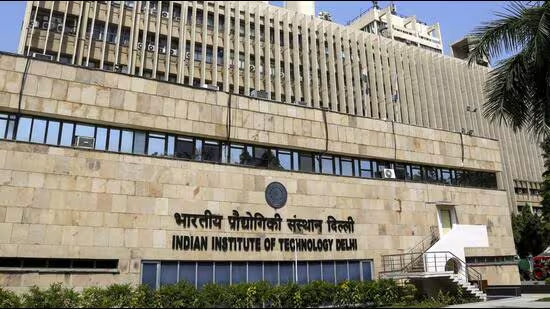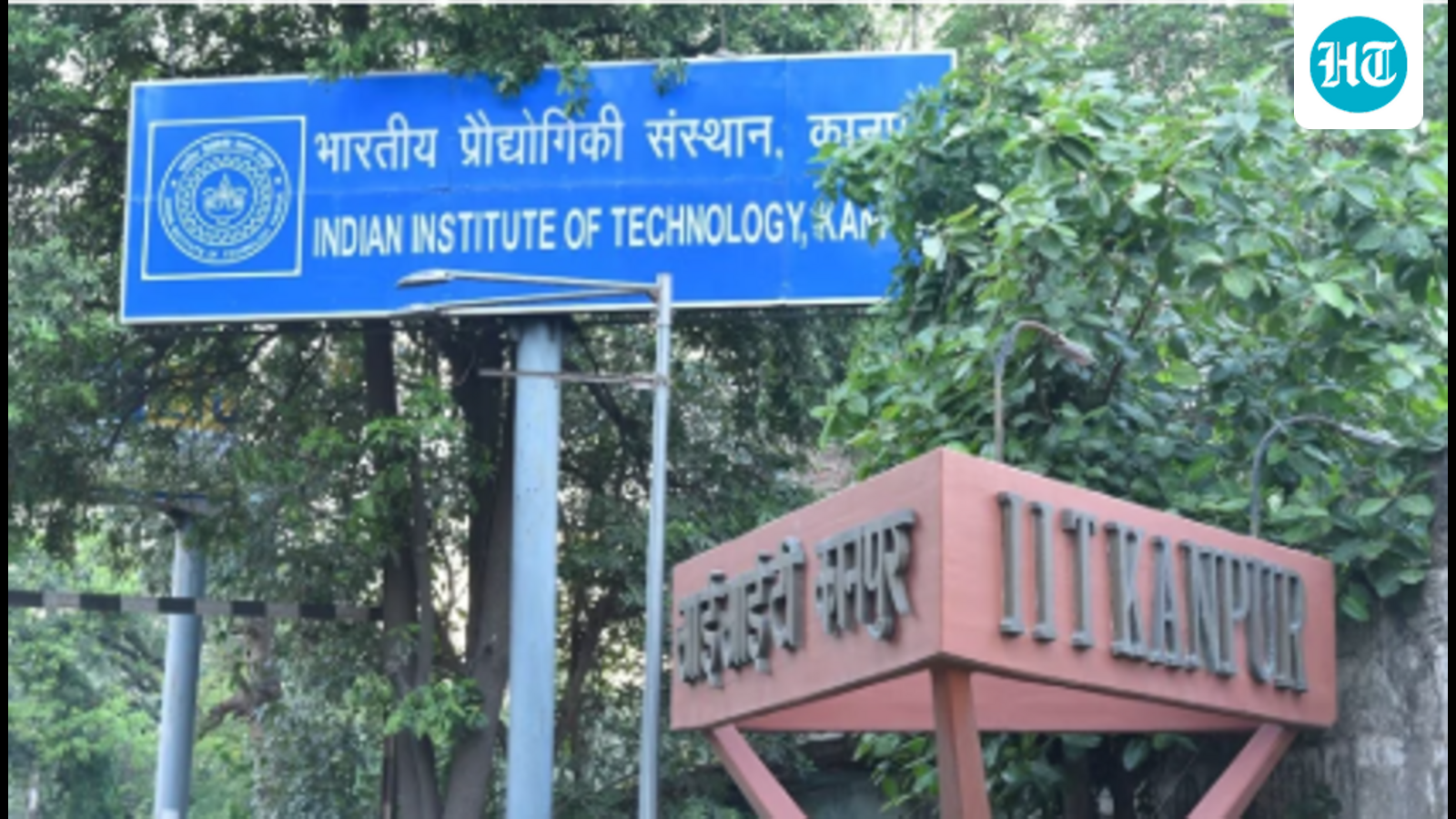
Nearly two of every five faculty positions are vacant across all Indian Institutes of Technology (IITs), official data showed, a shortfall of teachers that comes even as the coveted colleges expand their campuses, augment student capacity and add a raft of new programmes.Most IITs said they have intensified recruitment to reduce vacancies while maintaining stringent hiring standards. (PTI)Of the 12,498 sanctioned faculty posts at India’s 23 IITs, 4,804 spots, or 38.4%, were vacant as of January 30 this year, showed data compiled and analysed by HT. More than half the teaching spots are vacant at two IITs – Patna (54.6%) and Kharagpur (51.3%) – and more than a third of the spots are open at 12 others.IIT directors attributed the vacancies to the competitive global market for researchers and that the institutions were competing with top universities, multinational R&D labs and deep-tech startups for high-quality PhD graduates. They also added that the IITs’ “highly selective” recruitment processes mean positions often remain vacant till suitable candidates are identified.Still, the gap threatens to hobble plans to widen the prestigious institution’s footprint across India and overseas and crimp the IITs’ own road maps to add courses, under the Centre’s goal of adding 6,500 seats by 2028-29.Also Read: IIT Kanpur to start UG programme in cybersecurity from this sessionThere are over 135,000 students across the IITs.Officials in the Union ministry of education did not respond to requests seeking comment on the shortages.Most IITs said they have intensified recruitment to reduce vacancies while maintaining stringent hiring standards. Institutes including IIT Kharagpur, IIT Madras and IIT Gandhinagar said they have adopted year-round rolling advertisements, special recruitment drives and mission-mode hiring, besides strengthening research grants, lab support, international collaborations and startup ecosystems to attract globally competitive faculty.The shortages span legacy and newer campuses, data showed.Among the first-generation IITs, Kharagpur (51.3%), Kanpur (39%), Bombay (38.4%) and Delhi (38.3%) have some of the highest vacancy rates. Among second-generation IITs, Patna tops the list at 54.6%, followed by Mandi (39.9%). Third-generation institutes such as IIT (ISM) Dhanbad (48.4%), IIT Goa (45.8%) and IIT Guwahati (42.2%) are also grappling with faculty gaps. At the other end, IIT Dharwad had the lowest rate of vacancies at 1.07%, followed by IIT Palakkad (5.88%), IIT Ropar (14.35%), IIT Tirupati (14.38%) and IIT Bhilai (15.1%).Also Read: SIR, Emergency in, 'secularism' out: Changes to Class 9 NCERT book spark rowHT analysed data uploaded on the IIT Council website after a Parliament question by Indian Union Muslim League Rajya Sabha MP Abdul Wahab, who sought institution-wise details of sanctioned, filled and vacant teaching posts in centrally funded higher educational institutions.In his reply on February 4, minister of state for education Sukanta Majumdar said faculty vacancies were a “continuous process” resulting from retirements, resignations and promotions, and said institutions were conducting year-round recruitment, special recruitment drives and “mission mode recruitment”. However, the written reply did not include the institution-wise vacancy figures sought by the MP.Officials from the ministry in an email on January 28 asked IITs to furnish data by January 30. HT has seen the email. The institution-wise data was subsequently uploaded on the IIT Council website on March 10. The documents covered 22 IITs, while HT obtained IIT Patna’s data separately from the institute. “The question is no longer whether India can attract world-class talent. The question is whether we can create the world’s most exciting environment for talent to thrive,” said IIT Kharagpur director Prof Suman Chakraborty.Chakraborty said IIT Kharagpur had completed more than 215 faculty selections since October 2025, while focusing on emerging areas such as AI, semiconductors and quantum technologies.Also Read: IIT Delhi ranks 118 in QS rankings, up from 123IIT Kanpur director Prof Manindra Agrawal said faculty shortages were “not a new phenomenon” and persisted because IITs deliberately maintained rigorous recruitment standards for positions where a teacher can be hired for three to four decades for research and teaching. “...We are not getting enough candidates with high-quality PhDs,” Agrawal said, adding that many of the best doctoral graduates now pursue careers abroad. He said teaching had not suffered because IIT Kanpur had adequate faculty to run its academic programmes, but shortages were affecting research in emerging fields.IIT Madras, which has 411 vacant posts against a sanctioned strength of 1,100, said rapid hiring could create continuity problems because large cohorts recruited together would also retire around the same time. The institute said it moderates teaching loads through visiting faculty, adjunct faculty and professors of practice while continuing regular recruitment.The documents also reveal gaps in reporting. Only nine IITs – Guwahati, Roorkee, IIT (ISM) Dhanbad, Gandhinagar, Hyderabad, Ropar, Mandi, Tirupati and Bhilai – provided caste category-wise faculty vacancy data. The rest reported only aggregate vacancy figures. Of these nine, SC, ST and OBC posts together account for 888 of the 1,501 vacant faculty positions – nearly 60% of the total. OBC vacancies alone number 477, accounting for nearly one-third of all reported vacancies, followed by General (443), SC (261), EWS (170) and ST (150).Also Read: IIT Bombay to Open First US Sub-Campus by 2027Faculty members said greater transparency in shortlisting could help improve recruitment outcomes. “The government prescribes reservation, but the shortlisting process is largely handled at the department level. There should be clearer and more transparent screening criteria,” said a faculty member from IIT Roorkee who asked not to be named.A faculty member from IIT Indore said there were no uniform screening norms, making shortlisting dependent on departmental committees and individual evaluators.
Over 38% teaching spots vacant across all 23 IITs
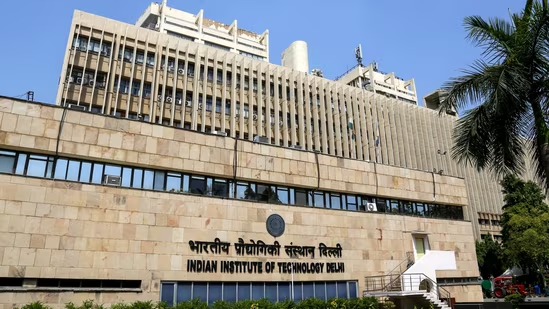
Most IITs said they have intensified recruitment to reduce vacancies while maintaining stringent hiring standards. | India News
TL;DRAI
38.4% faculty positions vacant across India's 23 IITs (Patna 54.6%, Kharagpur 51.3%), as PhDs migrate to international universities and deep-tech startups in AI/semiconductors. The shortfall threatens 6,500-seat expansion and exposes structural recruitment gaps shaping India's research tier.
909 words~4 min read