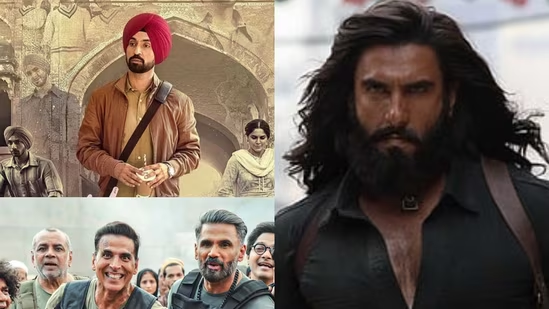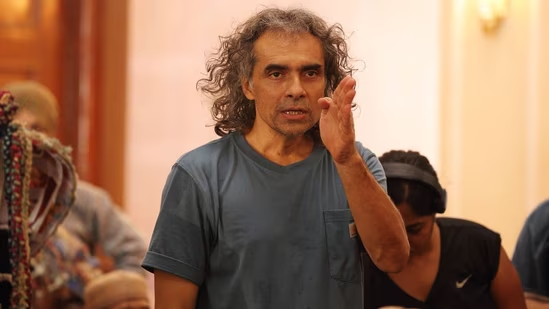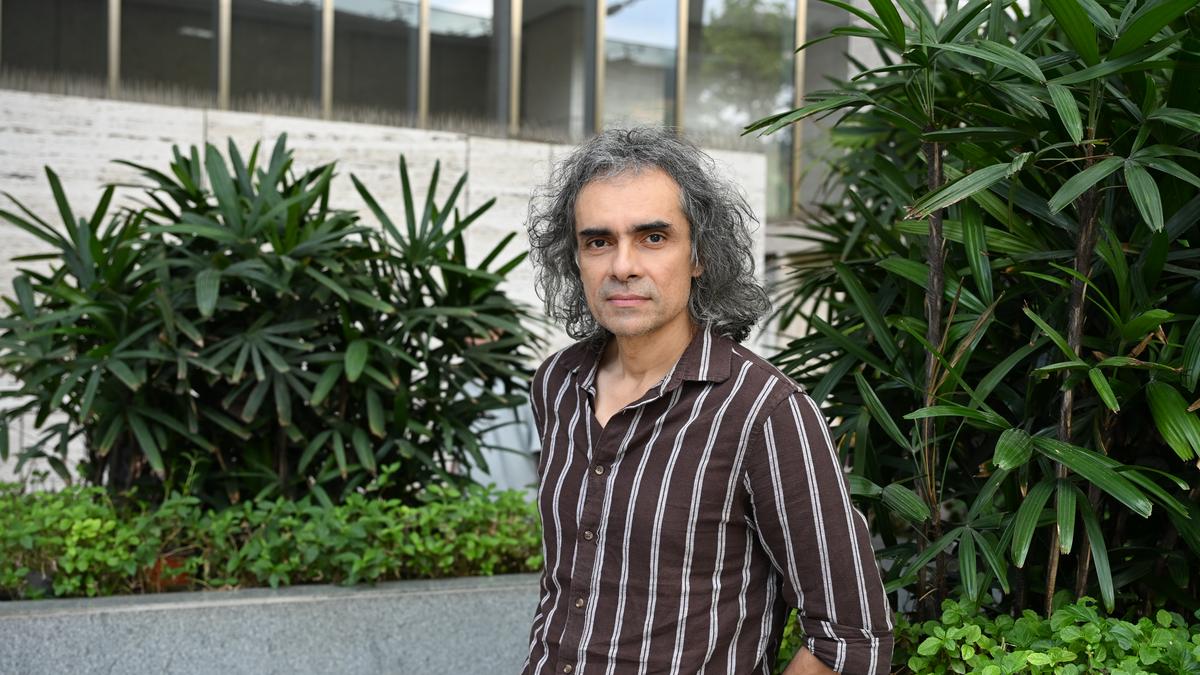
Films lead an incredibly chaotic, short life. No other product sees as much intense competition for survival as films do. Every week there’s a new film that threatens to draw audiences away from the films released the previous week.Most films, therefore, front-load their marketing effort with advance bookings, meet-and-greets with the stars, premieres and special screenings to build a big opening weekend at the box office. Generally, they achieve predictable results. A good Friday leading into more tickets sold on Saturday and peaking on Sunday before tapering off during the week for a repeat in the coming week, but with subdued numbers, as theatres give away more screens to newer films.Consider the daily box-office collections of Dhurandar 1 and 2. A similar chart, except that the large number of people who saw the first part created much buzz and drew even more numbers for the sequel, giving it a much higher opening. But the blistering start tapered off within two weeks, as expected.Reversing the scriptThe sleeper hit Gujarati film Laalo: Krishna Sada Sahaayate, however, followed a different curve. The story of an autorickshaw driver who encounters Lord Krishna as he tries to manage his miserable life, made on a tight budget of ₹50 lakh, grossed an incredible ₹120 crore at the box office.The day-wise collection chart shows an inexplicable porcupine-shaped behaviour. For nearly 19 days after its release across 280 screens there wasn’t any collection, and it was removed from most screens, crashing to a low of seven screens on day 5, with occupancy less than 10 per cent.For the following week, the film’s director, Ankit Sakhiya, booked 15-16 shows every day and started showing the film to select audiences. Since these were closed audience groups, the occupancy clocked 65-70 per cent during the week. The people who watched it spread great word-of-mouth praise about the film. PVR and other theatres waived the virtual print fee (VPF) that a producer pays theatres to exhibit a film, substantially reducing the cost of distribution.On day 18, incredibly, the shows picked up to 40, and by day 20 Laalo was playing in 100s of theatres. On day 30, it crossed 2,500 shows with a 70 per cent occupancy and clocked ₹13 crore at the box office — a record single-day collection for a Gujarati film.There’s been no comparable example of such a performance by a film, given that it wasn’t dubbed or subtitled in any other language. Months later, when the producers dubbed and released the film in Hindi, the tacky production values got them a tepid response.It catalysed Deolband 2, a Marathi adaptation of Laalo with a similar storyline, which collected ₹80 crore across more than 500 shows in its fourth week.Other than possibly Lord Krishna’s hand in the film’s tremendous success, there are two interesting aspects to it. One is the role of strong word-of-mouth buzz about the film, which gave it more screens as the weeks went by. Second, the poor performance of the films released in the subsequent weeks made survival easier.Similarly, Imtiaz Ali’s new film, Main Vaapas Aaunga, opened with a whimper, collecting just ₹1.5 crore on the first day and ending the first week with ₹6 crore, an abysmal low for a Hindi film. In an incredible turnaround, collections surged to ₹15 crore in the second week, reaching ₹30 crore by day 10, following solid word-of-mouth recommendation.Fear of missing outWhen a film becomes widely discussed online, people feel pressure to watch it simply to participate in conversations. Remember how the videos of audiences crying while watching the film Saiyaara became so much of a pull that if you hadn’t seen the movie then you were out of the social chatter.The woman sitting next to me at the theatre had left her one-year-old baby at home with her husband to watch Dhurandhar on her own. She didn’t quite care whether her husband would watch the film or not; she needed to participate in the watercooler chats at work.Laalo is a low-budget film with low production values. But the universal problems of poverty, debt and relationship issues, the Junagadh landscape, the fight between greed and honesty, and the advice of Lord Krishna touched an emotional chord. As Gujaratis everywhere discussed the film, its awareness spread from city to city, making watching it imperative to be a part of this cultural moment.The film had travelled beyond its core audience. When a film becomes popular, its popularity itself becomes a marketing tool. In these days of online booking, one doesn’t see lines of people outside a theatre for tickets. This euphoria has to be created online. Fans help by watching the movie a few times in the first week and creating a shortage of tickets for others, building excitement for the film.These days they flood social media with positive messaging, ensuring their loyalty translates into more ticket sales. They also defend the film from negative trolls. As positive word-of-mouth reviews spread, Main Vaapas Aaunga drew in the fans of Imtiaz, Diljeet and AR Rahman, and they began filling up the seats.Ironically, just like its title, the film did manage to make a startling comeback.(Naveen Chandra is the founder and CEO of 91 Film Studios, a Mumbai-based company that produces and distributes regional language feature films)Published on June 29, 2026
Gujarati movie Laalo’s word-of-mouth ascent to blockbuster status
Discover how Gujarati film Laalo leveraged word-of-mouth to become an unexpected blockbuster, captivating audiences and breaking box office records.
878 words~4 min read