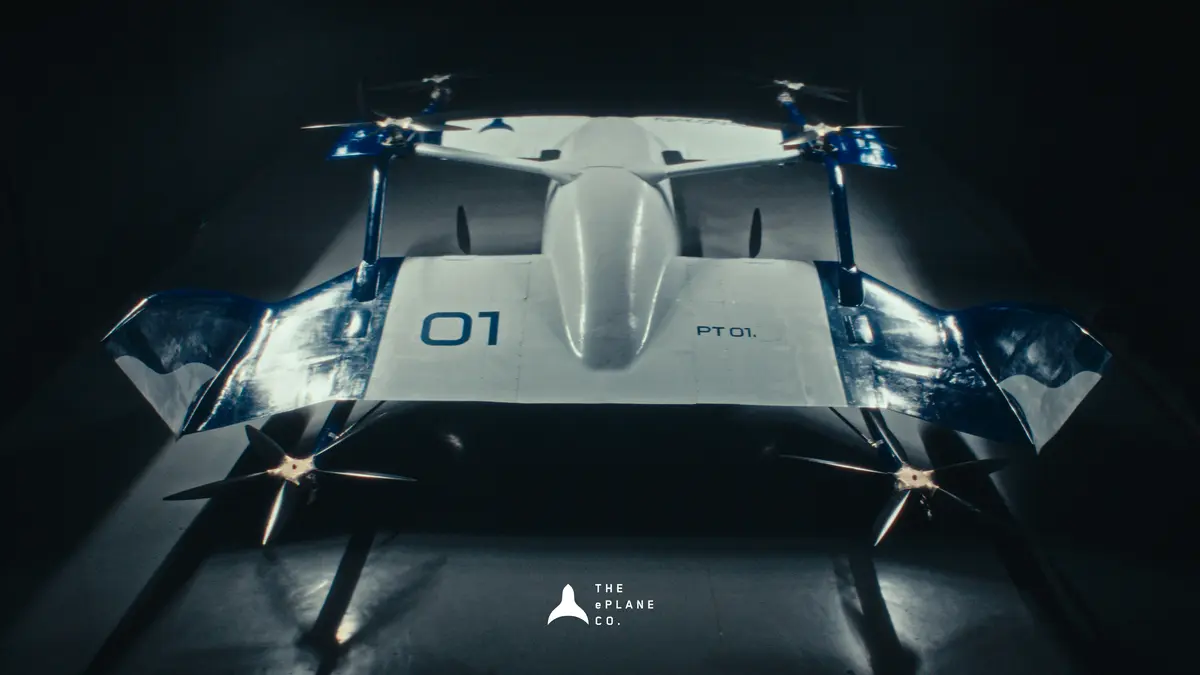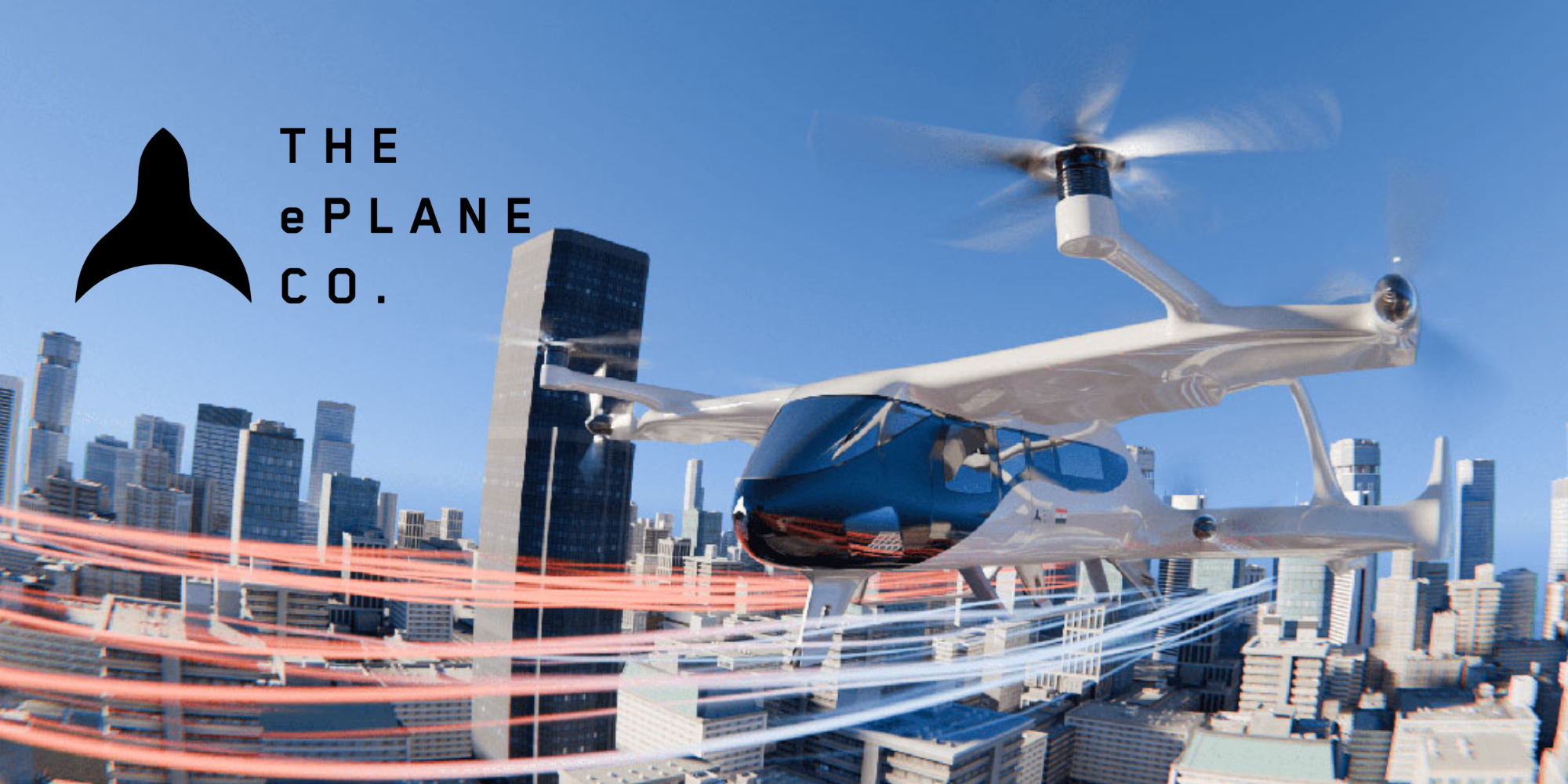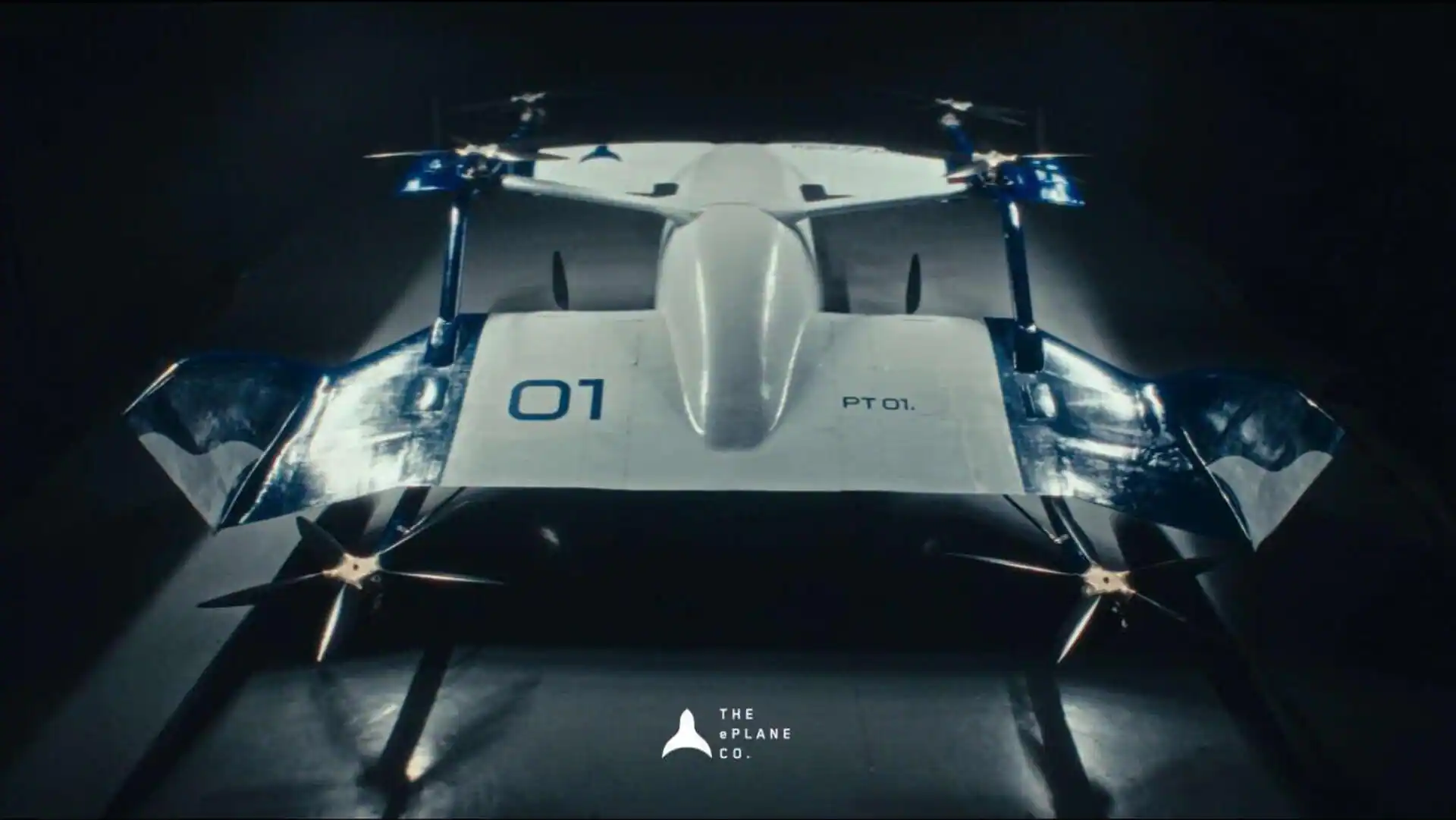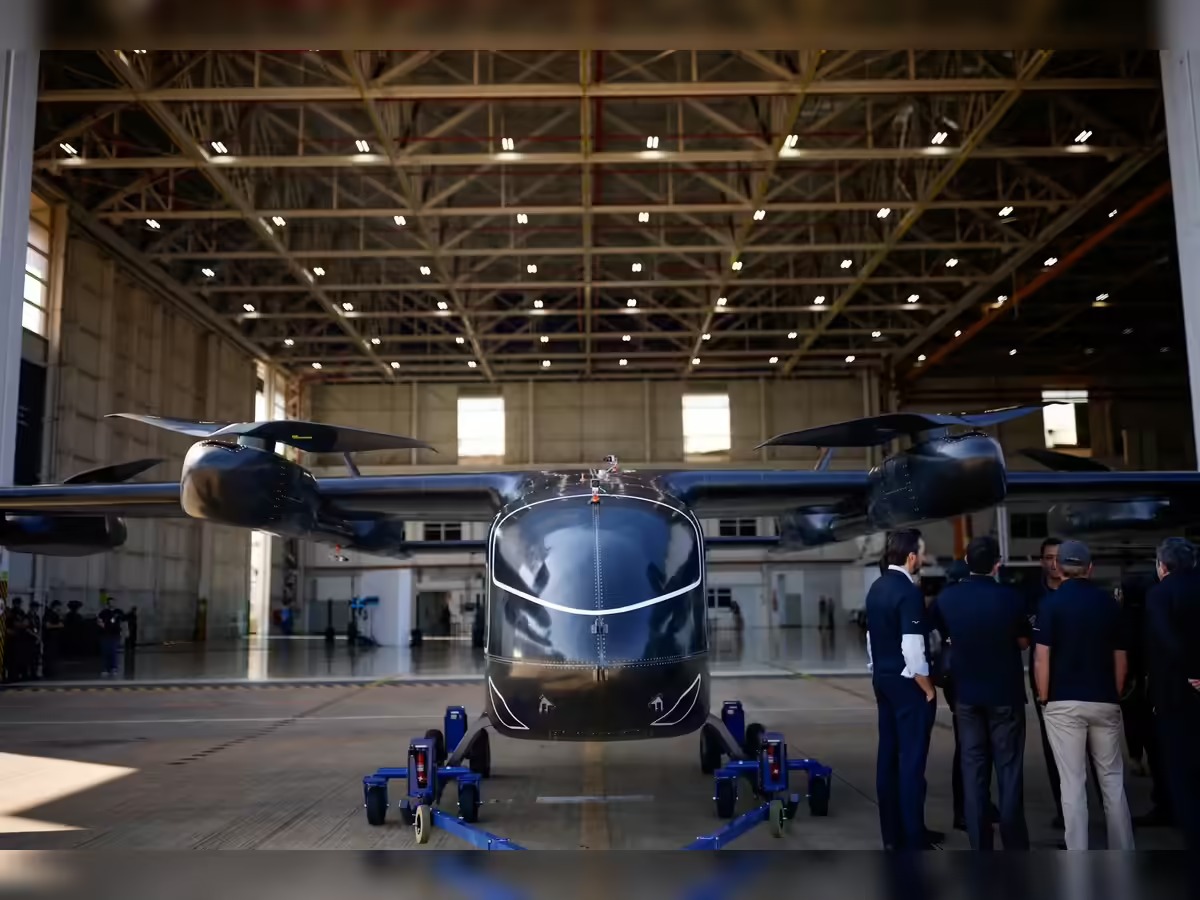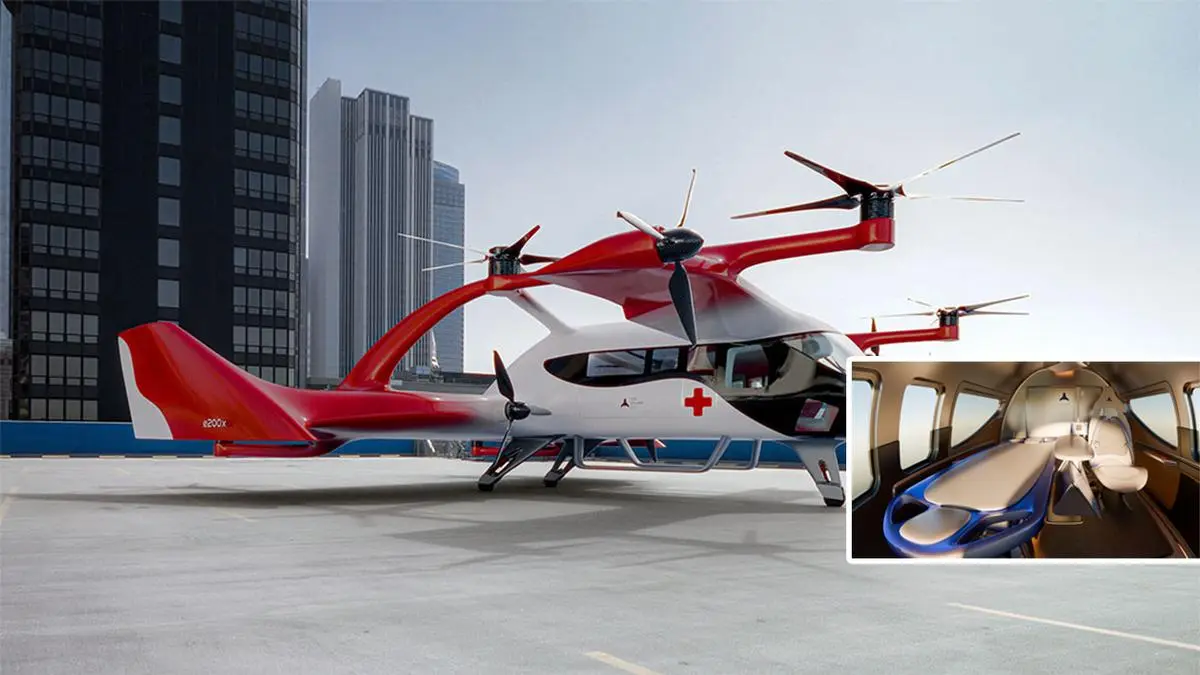
FLYING ICU. The ePlane Company’s winged V-TOL air ambulance and (inset) its interiors
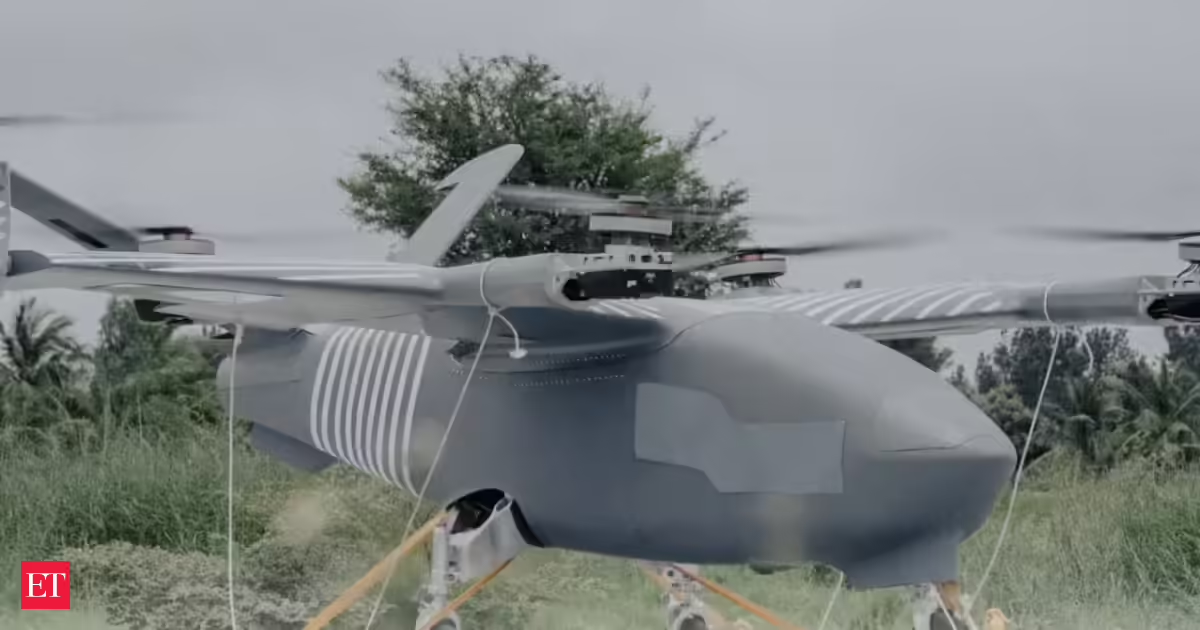
The ePlane Company, a Chennai-based start-up that is building two-passenger air taxis, recently announced that its first prototype was ready and it targeted commercial production of 80 aircraft in 2028.As an air taxi (or air ambulance), the plane is capable of taking off and landing vertically, without needing a runway. In many ways, the ePlane is unique among the vertical take-off and landing (V-TOL) class of vehicles.V-TOLs are broadly of two types — multicopters, which, like drones, have vertical rotors; and those with wings. The winged V-TOLs necessarily need vertical rotors for vertical take-off and landing and are, as such, further divided into two categories — those whose vertical rotors tilt during flight to become propellers, and those that don’t.Vertical rotors that tilt after the vehicle has risen — like seen in the Arnold Schw- arzenegger-starrer True Lies — are cool because after they help the vehicle rise, they tilt to provide thrust for forward movement.On the flip side, tilting means moving parts; aero engineers frown at moving parts — they are inherently failure-prone.Well, then — since safety is paramount — V-TOL makers largely resign themselves to winged vehicles with fixed vertical rotors. The problem is that once the aircraft is airborne, the rotors have nothing more to do and are, therefore, dead weight. More weight means the aircraft needs more ‘lift’ to keep itself airborne. Typically, this ‘lift’ is obtained from speed — as the aircraft rushes forward, the oncoming air is faster. The air goes above and below the wings; the wings are designed to ensure the air above them move faster than below, creating a pressure difference to provide the lift.A V-TOL carrying the dead weight of fixed vertical rotors needs more lift, namely longer wings and some take-off speed. Obviously, this can’t be done from a rooftop. Also, the vehicle would need to be travelling at a high speed to maintain the lift.Optimised rotorsWinged V-TOL makers have mostly accepted the dead weight (drag) of the vertical rotors as unavoidable. After all, don’t our commercial aircraft have landing gear that have no role when the plane is in the air?So, this is where the ePlane is unique.Prof Satya Chakravarthy, who teaches aerospace at IIT-Madras and is the brain behind the ePlane, decided to do something about the drag. Around 2018, when he was turning the idea over in his head, he read about an experiment at NASA. The American space agency had explored the concept of an aircraft with thin wings on which sat 10 small propellers each, individually powered by an onboard battery. It discovered that the rotors generated a higher pressure differential above and below the wings as they blew air over them — called ‘blown wing effect’.Chakravarthy was immediately struck by an idea to solve the problem of the rotor dead weight. He told the rotors: “Buddy, no free ride; you have to work.”His idea — and ePlane’s uniqueness — was to place the vertical rotors at such a position around the wings that they would also spin and generate lift. The slight difference in the NASA design was that the rotor blew air over the wings; in the ePlane, they “suck” air above and below the wings.Through 2018 and 2019, Chakravarthy was busy determining the optimum position for each of the four vertical rotors around the wing.Once that was decided, he found that the idea yielded another advantage — the wingspan could be shrunk to 8 m, making the ePlane “the most compact winged V-TOL in the world”.The vehicle features two sets of wings, each aided by two rotors that are responsible for vertical take-off and landing and help generate more lift during the flight.Chakravarthy and his team have built a vehicle that can carry a pilot and two passengers, roughly 200 kg, and travel up to 150 km at 160–200 kmph.After securing patents, the ePlane is now approved in 33 countries, including India, the US, China and Japan, Chakravarthy told businessline.Published on June 29, 2026