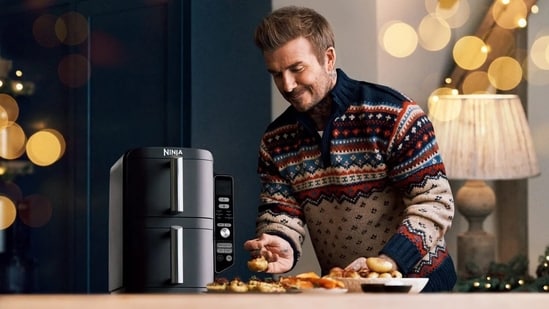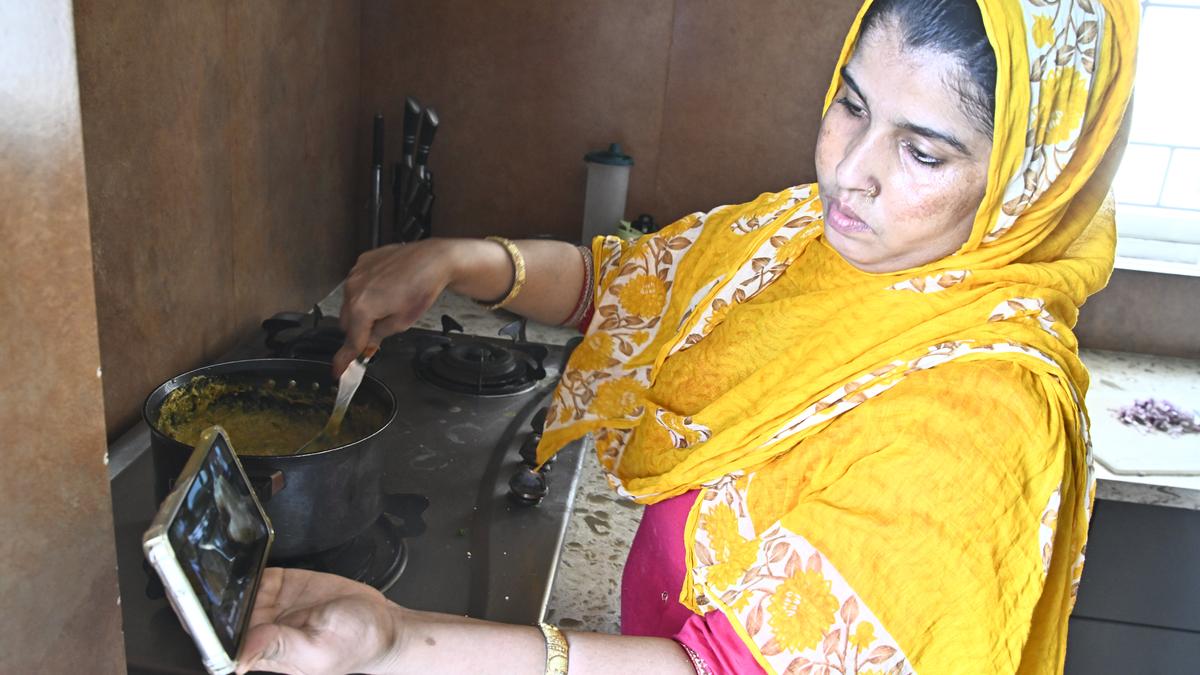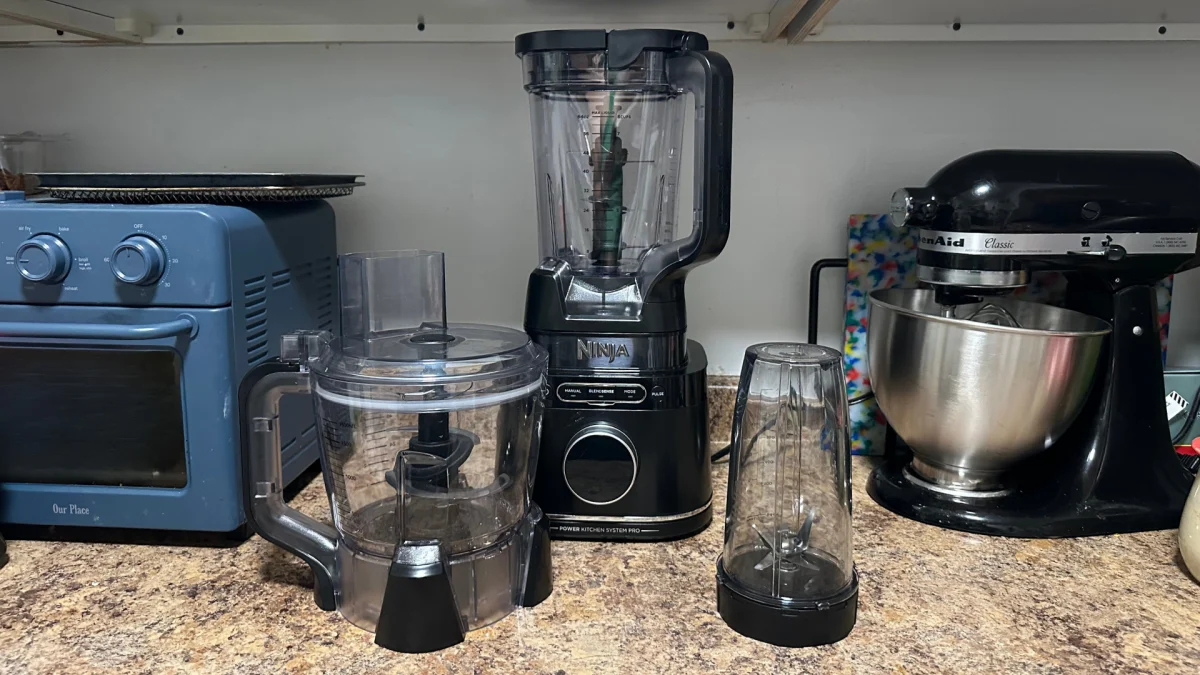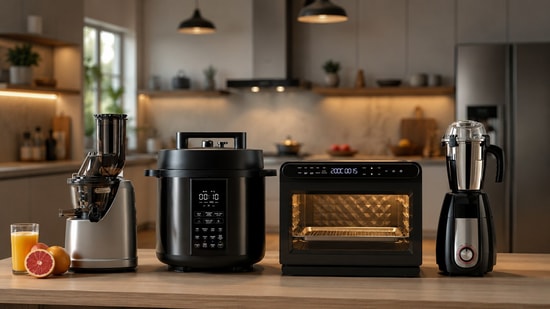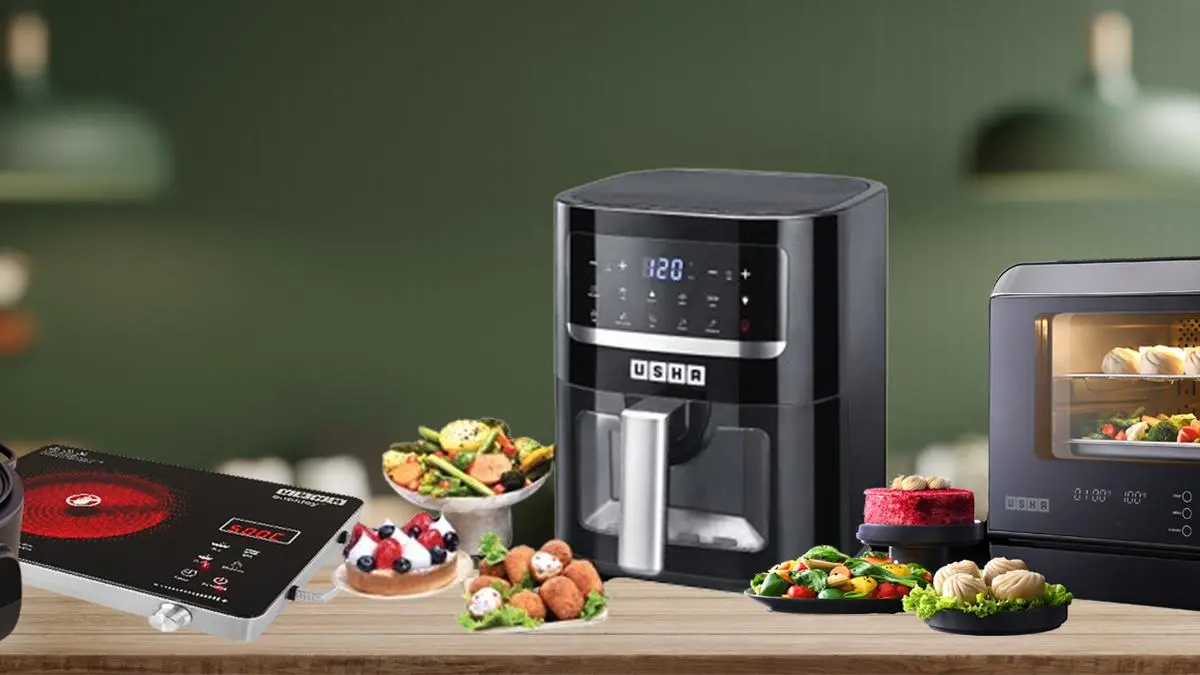
The rhythmic beeps of air fryers are slowly overtaking the ubiquitous whistles of pressure cookers in Indian households. Smart tech is replacing the greasy tawa.From induction cooktops to electric pressure cookers and all-in-one robotic and smart cooking appliances, the assortment on kitchen countertops is changing.The shift is led by consumers who want convenience, wellness and personalisation even as household chores transition to becoming gender-neutral. The advent of robotics and AI in home appliances is, in turn, reshaping the strategies of consumer appliance makers.Anil Dua, COO, Usha International, says there is a clear evolution in how younger consumers approach kitchen appliances today. “While earlier purchase decisions were driven by functionality and durability, today’s consumers are looking for solutions that align with their preferences around health and everyday efficiency.”He adds that Usha is witnessing a strong growth in demand for induction cooktops, the iChef range of air fryers, blender heaters, steam ovens, electric pressure cookers, programmable electric kettles and Trienergy+ mixer grinders.Multi-functional flexAppliance makers say Indian consumers are increasingly seeking products that are multi-functional, sleeker, more compact and quieter.Pooja Baid, Chief Marketing Officer of Versuni India, a manufacturer and distributor of home appliances under the Philips and Preethi brands, points out that young consumers are buying outcomes and experiences alongside appliances.Inspired by digital content and global cuisines, Gen Z and millennials are seeking versatility and an ability to experiment with food with convenience.But this does not mean they are giving up their quest for authentic flavours and traditional textures. For instance, the air fryer has become so popular in Indian homes because not only does it reduce oil consumption but also preserves the taste and texture of samosas and kebabs, argues Baid.“One of our biggest learnings came when we introduced Philips air fryers in India. While the technology offered a healthier alternative to deep frying, consumers kept asking us a simple question: ‘Can it make a good samosa?’ People were not looking to replace their favourite foods — they wanted a healthier way to enjoy them,” she adds.Moreover, automation alone cannot woo Indian consumers. Perhaps this is why the microwave segment’s penetration remains low.Flavours and trendsOn the rationale behind the launch of the all-in-one OneChef that can air-fry, stir-fry, roast, bake and steam, Baid says, “India is perhaps the world’s most passionate biryani market. Biryani preparation involves multiple appliances and several stages, and the recipe changes every few hundred kilometres. Consumers want a simpler way to prepare it at home without compromising authenticity. OneChef was born from that insight.”Ravi Saxena, Founder and CEO, Wonderchef, says the transformation is “structural and generation-led”, as consumers no longer want clunky machines hidden away in cabinets but compact appliances that look great on open-kitchen countertops.Cookware earlier accounted for 70 per cent of Wonderchef’s revenues, but today appliances are the main growth driver.“We have localised smart technology with Chef Magic, our all-in-one kitchen robot, and Chai Magic, the world’s first automatic tea maker. We will continue to pioneer the smart appliance layer,” he adds.PremiumisationAsna Khursheed, General Manager–E-commerce and Marketing, INALSA Home Appliances, says, “Indian consumers are demonstrating a growing willingness to trade up. Appliances in the mid- to premium-price range are growing in demand significantly faster than those at entry-level tier, and we see substantial headroom in variants with superior build, design and smart features.”Zero-labour homes
The changing Indian kitchen countertop
Explore how AI and smart appliances are transforming Indian kitchens, prioritizing convenience, wellness, and personalized cooking experiences.
744 words~3 min read