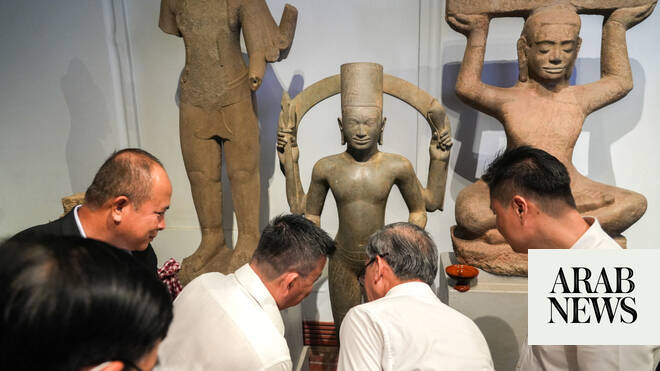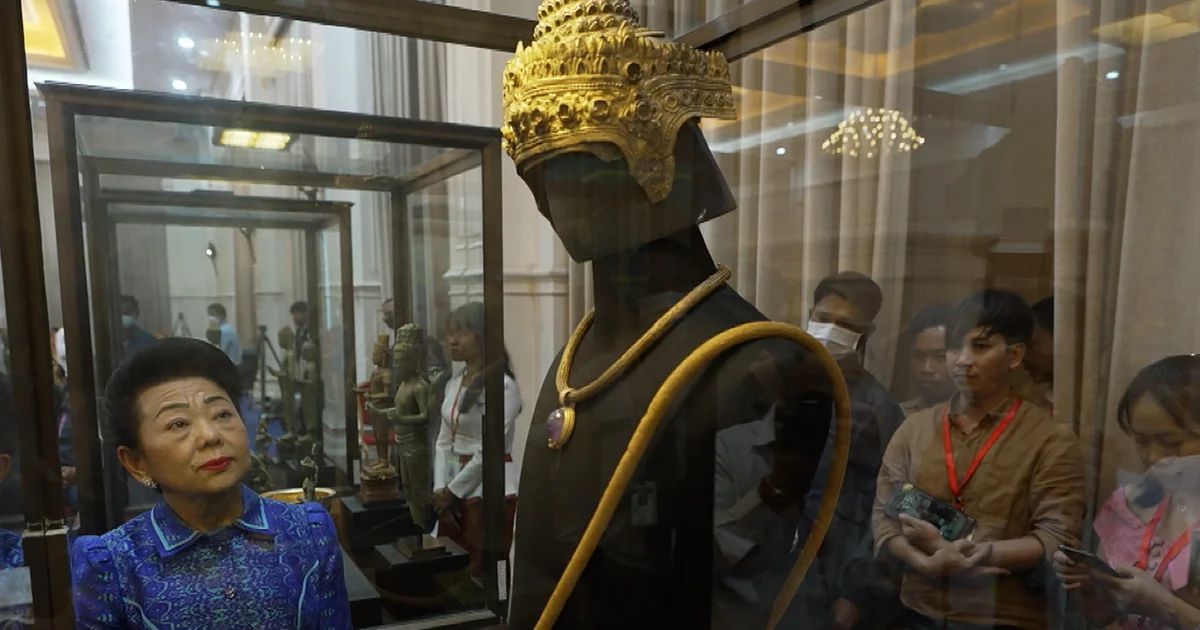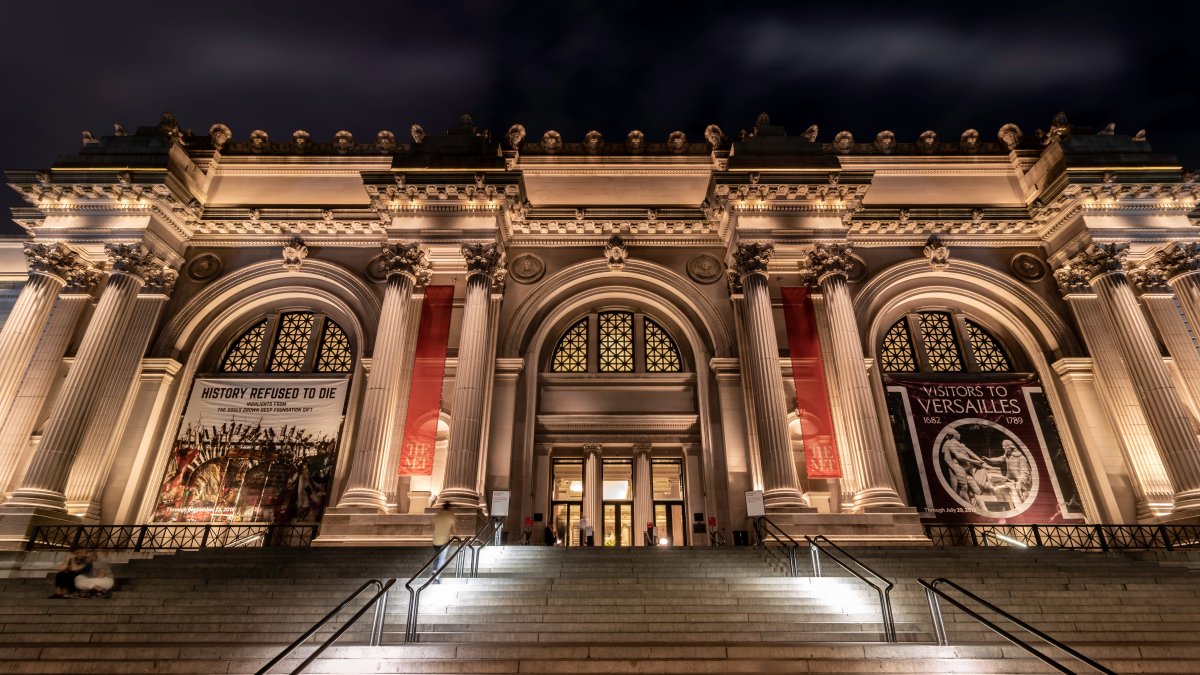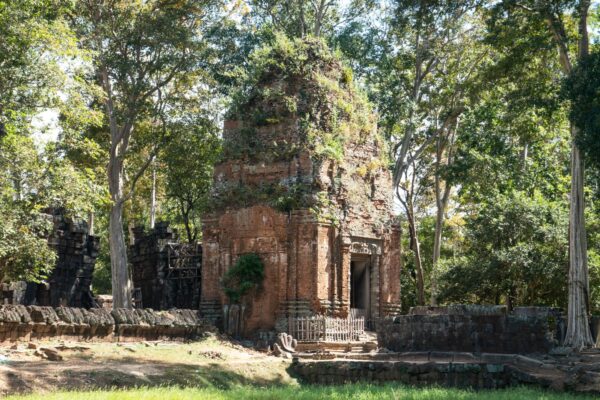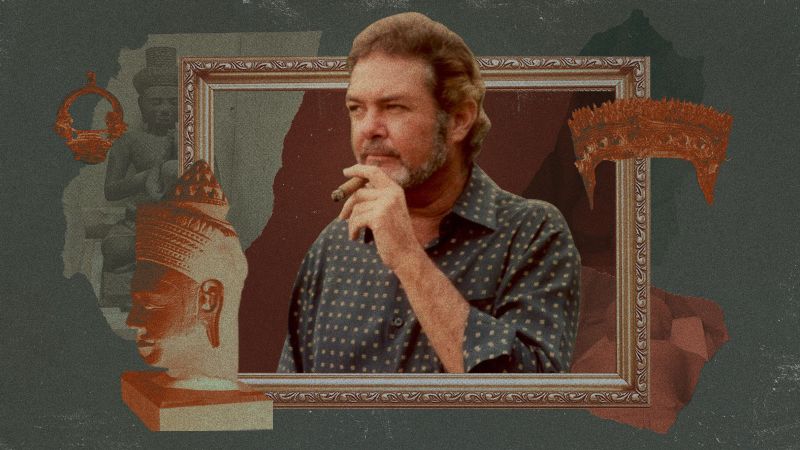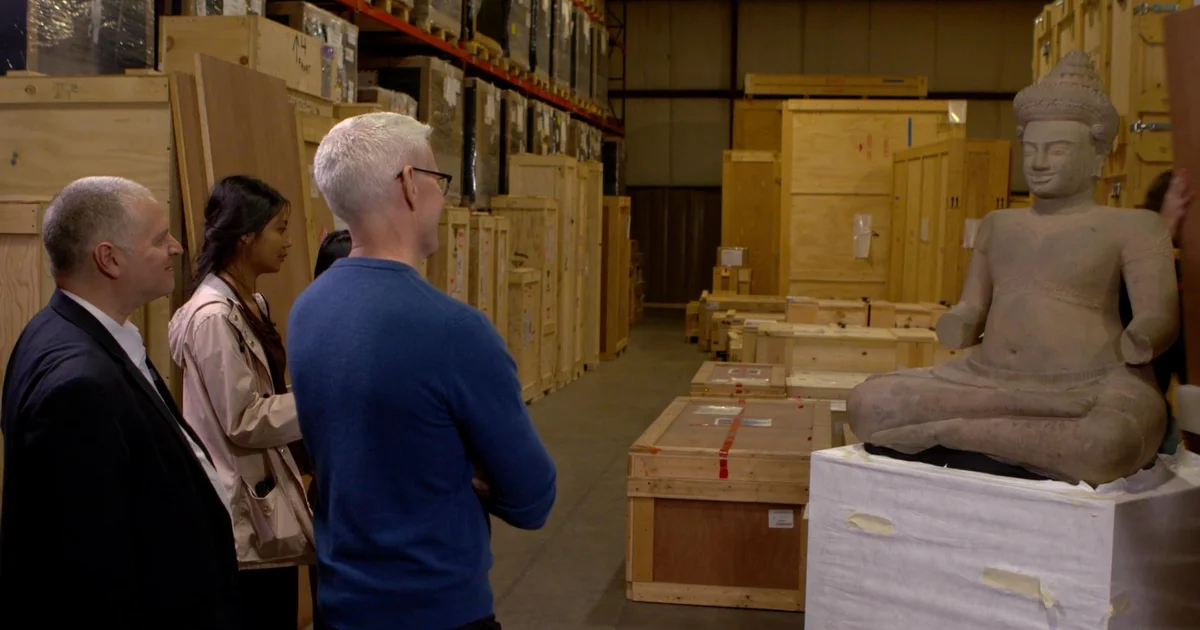
This is an updated version of a story first published on Dec. 17, 2023. The original video can be viewed here. The theft of Cambodia's cultural treasures…thousands of sacred stone, bronze and gold artifacts from religious sites across the country… might just be the greatest art heist in history. It began nearly a century ago when Cambodia was colonized by France… but in the 1970s, 80s and 90s amidst genocide, civil war, and political turmoil – the looting became a global business, much of it run by a British man named Douglas Latchford. He kept some of it for himself, but much of what his gang of thieves stole, Latchford then sold to wealthy private collectors and some of the most important museums around the world. As we first reported in 2023, Cambodia's government has spent the last 14 years trying to track it all down… and bring their history and heritage home.Angkor Wat, with its towering spires, is the glory of Cambodia. Nearly a thousand years old, it's one of the biggest and most extraordinary religious temples in the world — sprawling across 400 acres. Originally built to honor the Hindu god Vishnu, it then became a Buddhist temple, and remains a place of worship today. You can wander here for weeks, lost in a labyrinth of ancient stone corridors and sacred chambers. But the scars of plunder run deep: looters have hacked off the heads of many statues… they've stolen bodies as well… empty pedestals mark where gods and deities once stood… on some, only the feet remain.It's worse in the rest of Cambodia's 4,000 temples. Nearly all have been looted. This one is a hundred miles northeast of Angkor Wat… on a remote mountain… called Sandak.Brad Gordon: This was hit very heavily by the looting gangs.Brad Gordon: They found gold, they found statues, they found many, many things.
How Cambodian artifacts stolen from temples ended up in American museums, private collections
Looters stole thousands of priceless artifacts from religious sites across Cambodia. An American lawyer is working with the country to bring them home
TL;DRAI
Latchford orchestrated theft of sacred Cambodian temple artifacts over decades, selling them to major museums and collectors worldwide. His scheme exploited institutional trust and fake provenance—exposing authentication and governance risks in markets.
4,523 words~21 min read