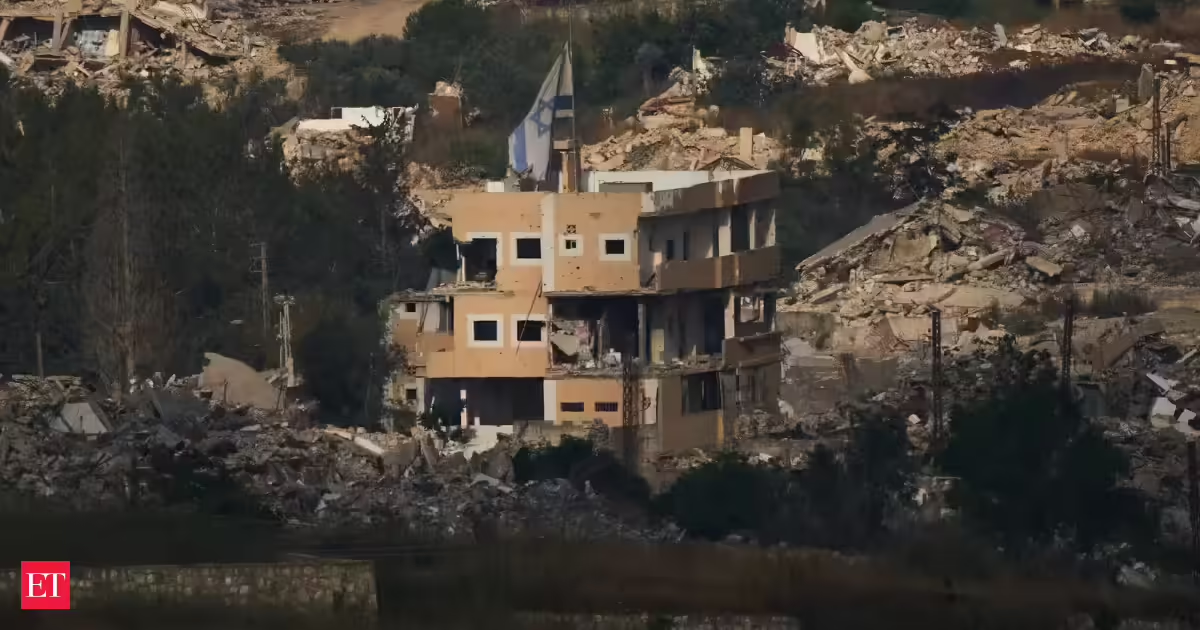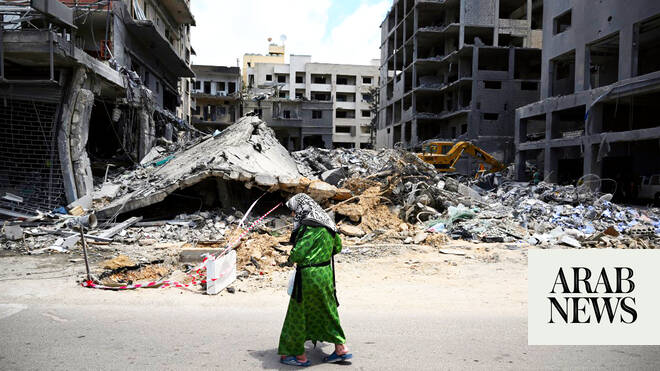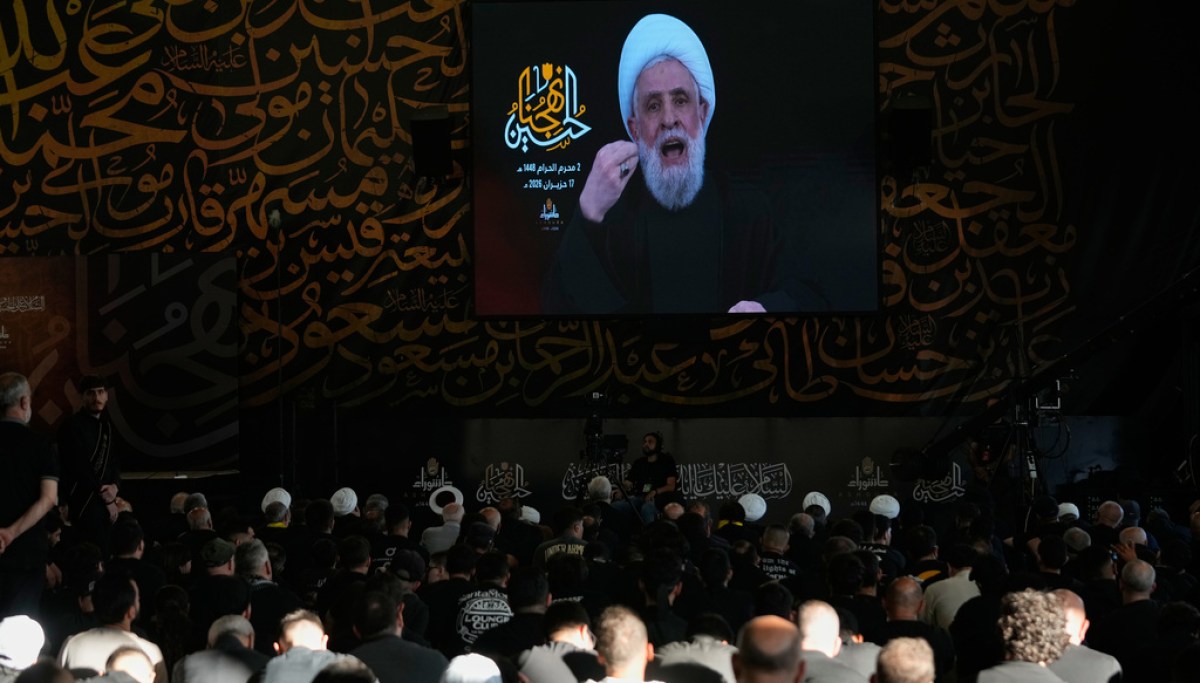
For decades, Lebanon has found itself trapped in a cycle that has become painfully familiar. Every international initiative has been dismissed by one political camp or another as a conspiracy against the country, every proposal aimed at strengthening the Lebanese state has been portrayed as a foreign attempt to undermine “the resistance,” and every effort to establish the state’s exclusive authority over its own territory has been framed as a surrender to external pressure. Yet this narrative has always rested on a fundamental contradiction.
The greatest threat to Lebanon’s sovereignty has never been the repeated attempts by the international community to reinforce state institutions; rather, it has been the systematic weakening of those institutions by allowing an armed organization, accountable to no Lebanese constitutional authority, to monopolize the country’s most consequential decisions regarding war, peace, and foreign policy.
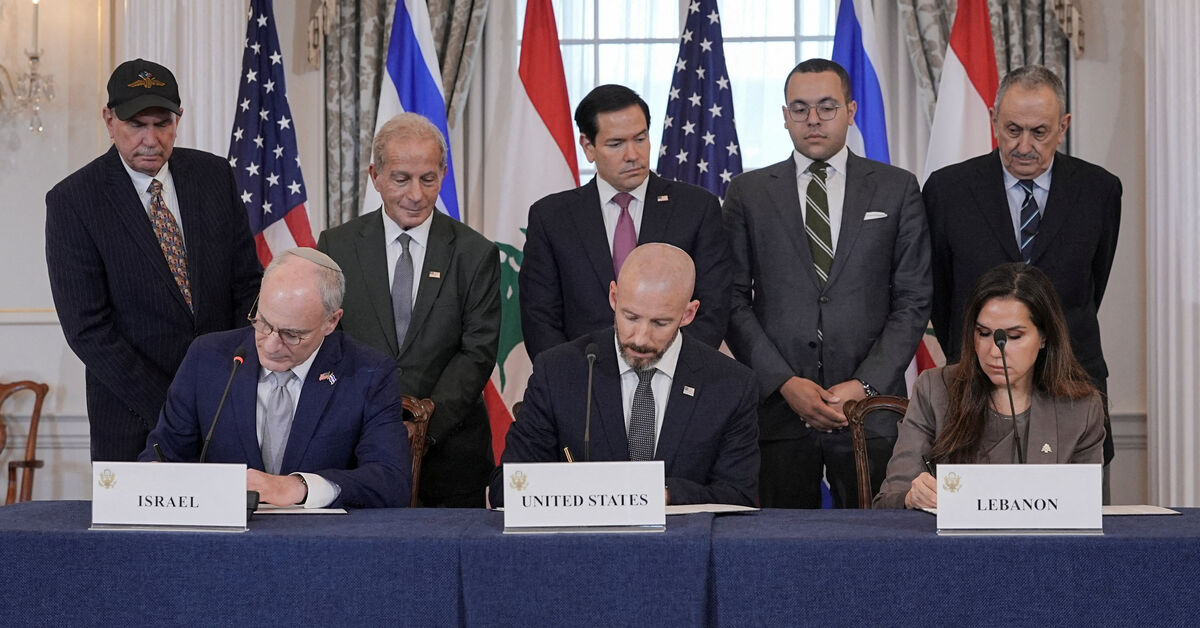
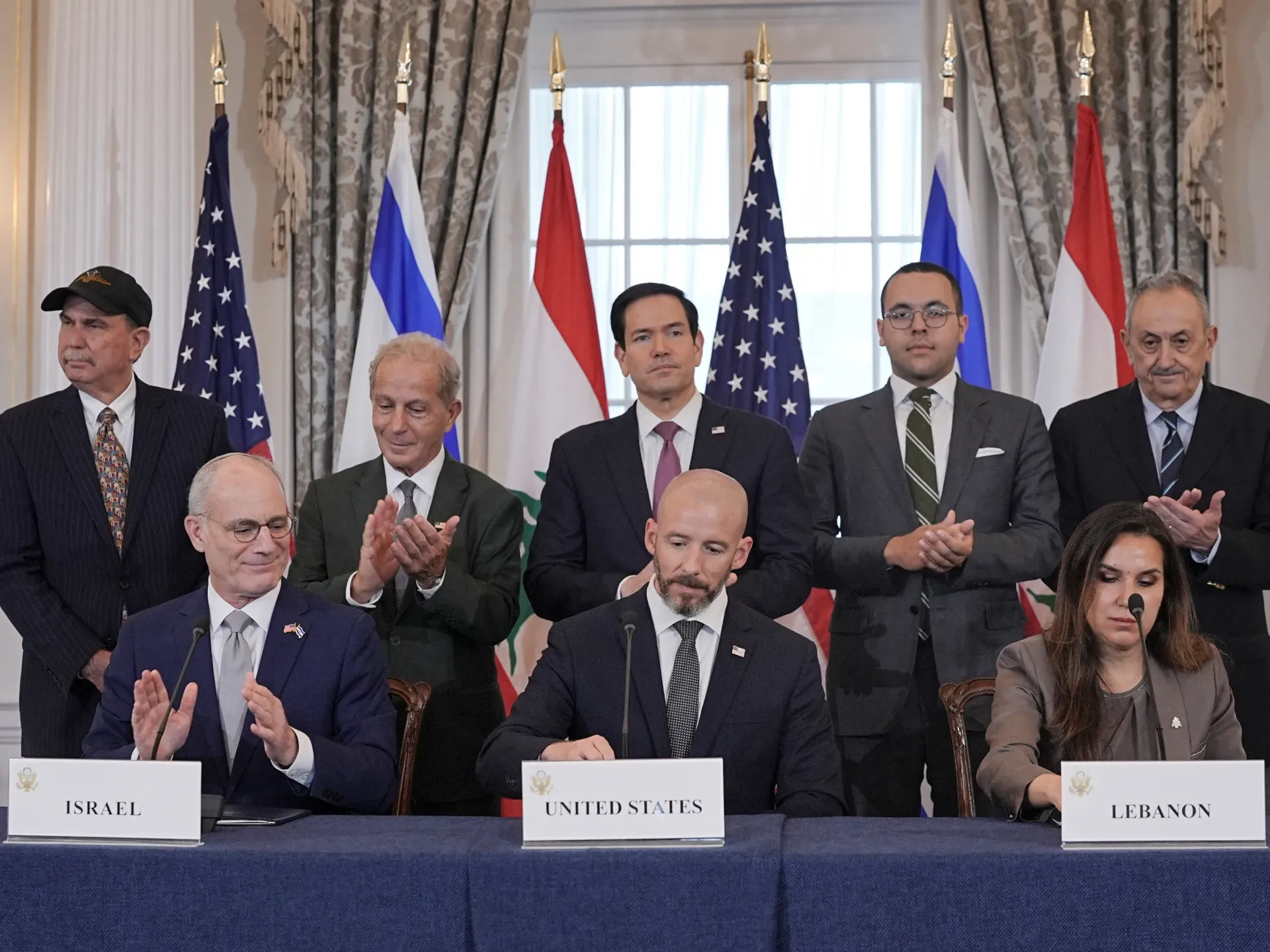
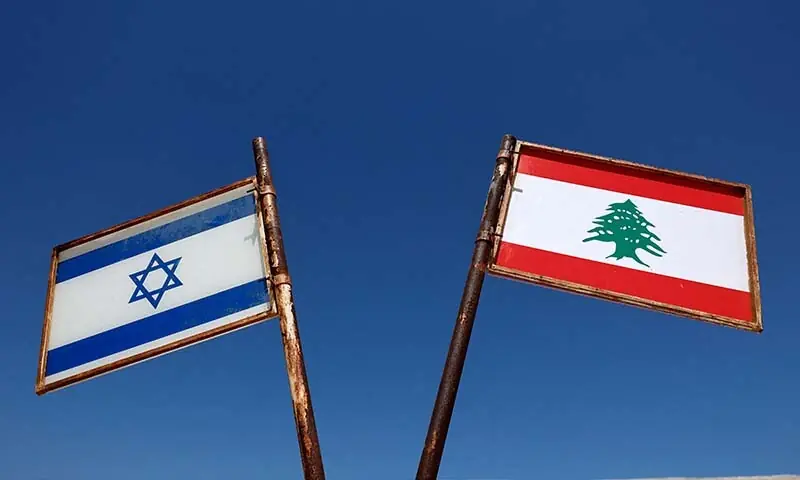
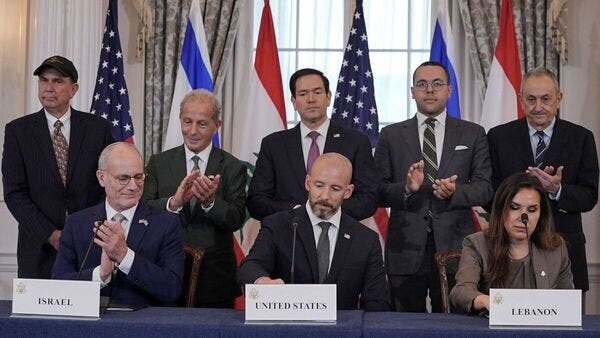
The preliminary framework now under discussion between Lebanon, Israel, and the United States represents a significant departure from previous ceasefire arrangements because it does not simply seek to postpone the next round of fighting. Instead, it attempts to address the underlying political reality that has made every ceasefire temporary: the continued existence of a military force operating outside the authority of the Lebanese state.