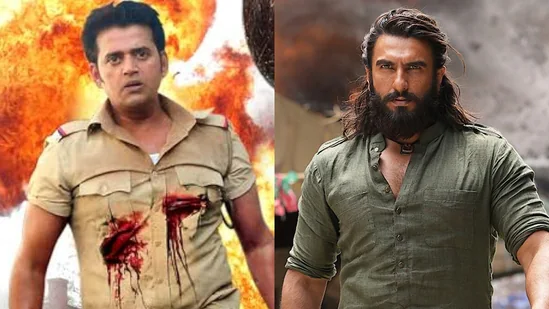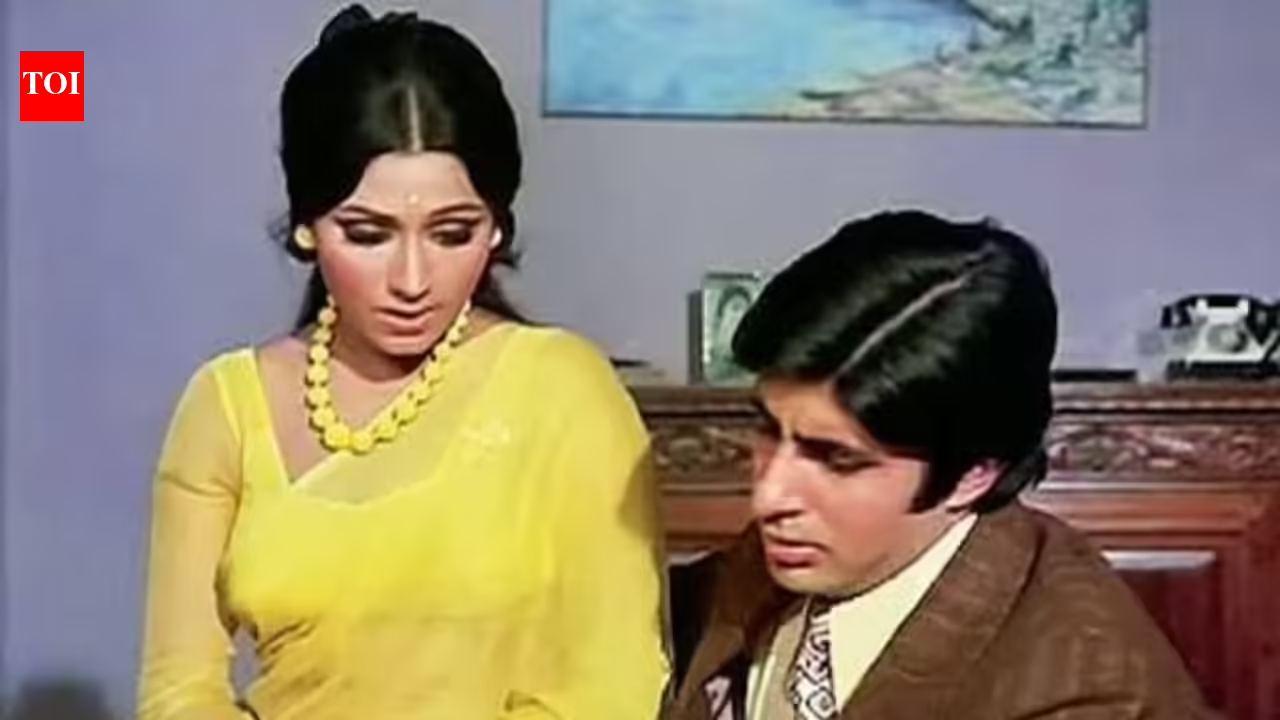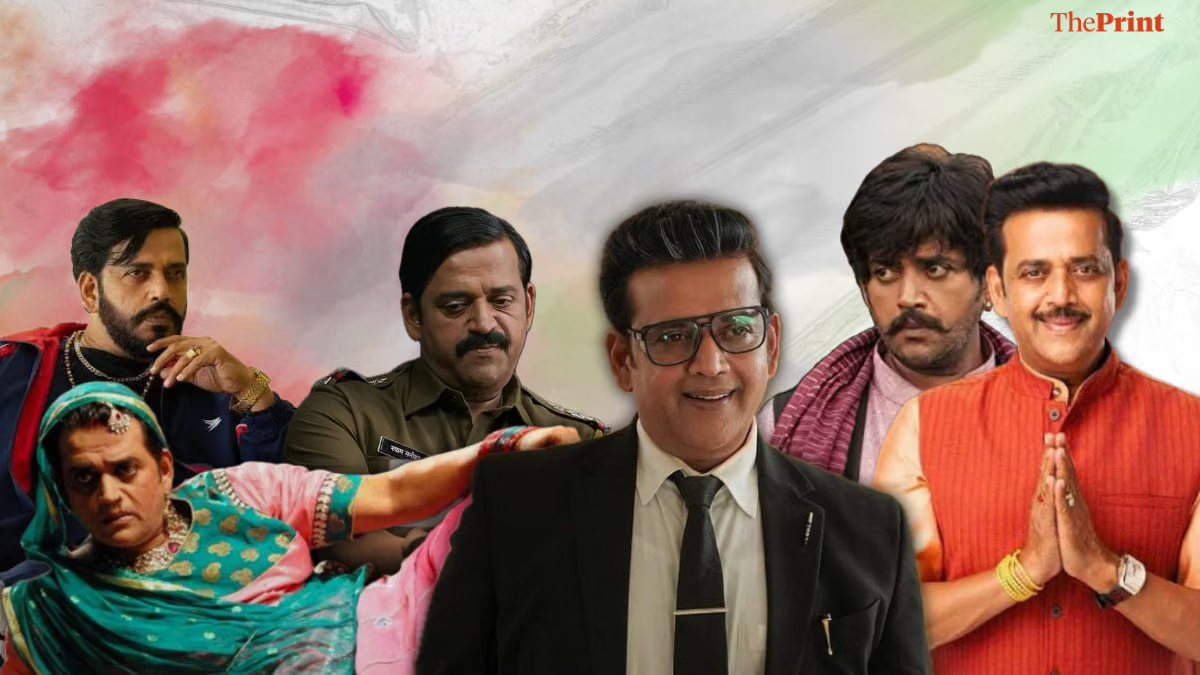
It is a well-known fact that Ravi Kishan is a talented actor. Yet, the image he is most likely to evoke is that of a paan-chewing, gamcha-wearing North Indian with an accent that borrows from real life but belongs to no one in particular. It has become so routine that even imagining Ravi Kishan in a suit, speaking English—or even everyday Hindi—elicits a chuckle. Rarely does an actor become so typecast that no writer or producer can see any other role for them. That’s what Ravi Kishan is going through, and he needs to be saved.
Pick almost any Bollywood film he has done in the last decade, and the elements are depressingly familiar. A gamcha around his neck. Paan in his cheek. A thick UP-Bihar accent announces itself through every syllable. And a role that puts him on the wrong side of the law, or in charge of it, which, in his case, amounts to the same thing. He is the corrupt police officer, the local neta (politician) who takes bribes and throws his weight around, or the villain who must be defeated. Sometimes he is all three at once.Take Laapataa Ladies (2023), the Kiran Rao film that earned an Oscar nomination and wide critical praise. Ravi Kishan plays a police officer, and, of course, he is chewing paan and speaking in a forced accent with “humara, humara” injected into nearly every line, as if the stereotype itself were a character. The film needed a grounded, rooted cop, and that is fair enough. But other characters in the film were not made to perform their regional identity in every line of dialogue. Only Ravi Kishan was.