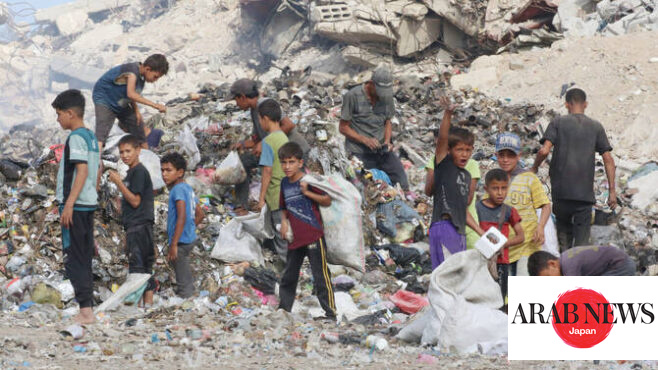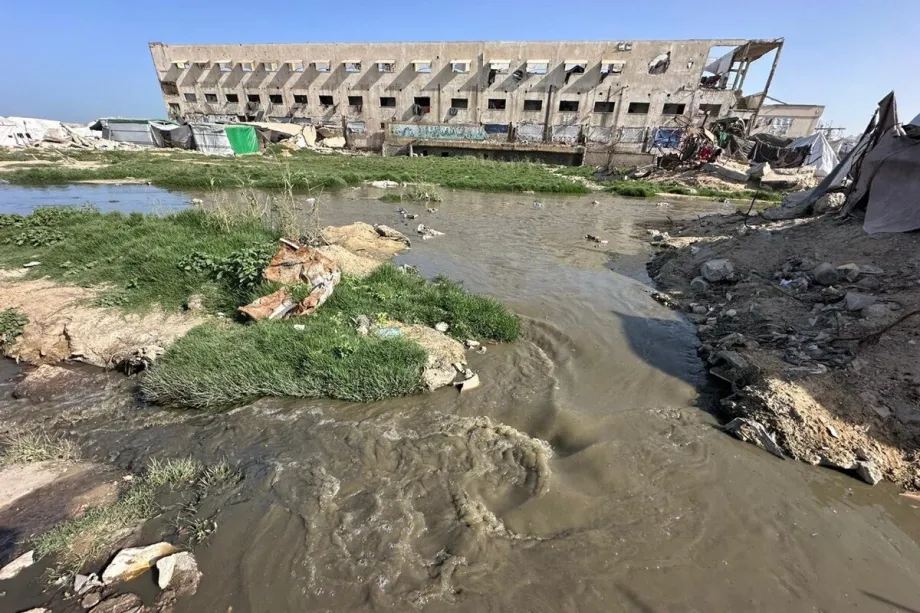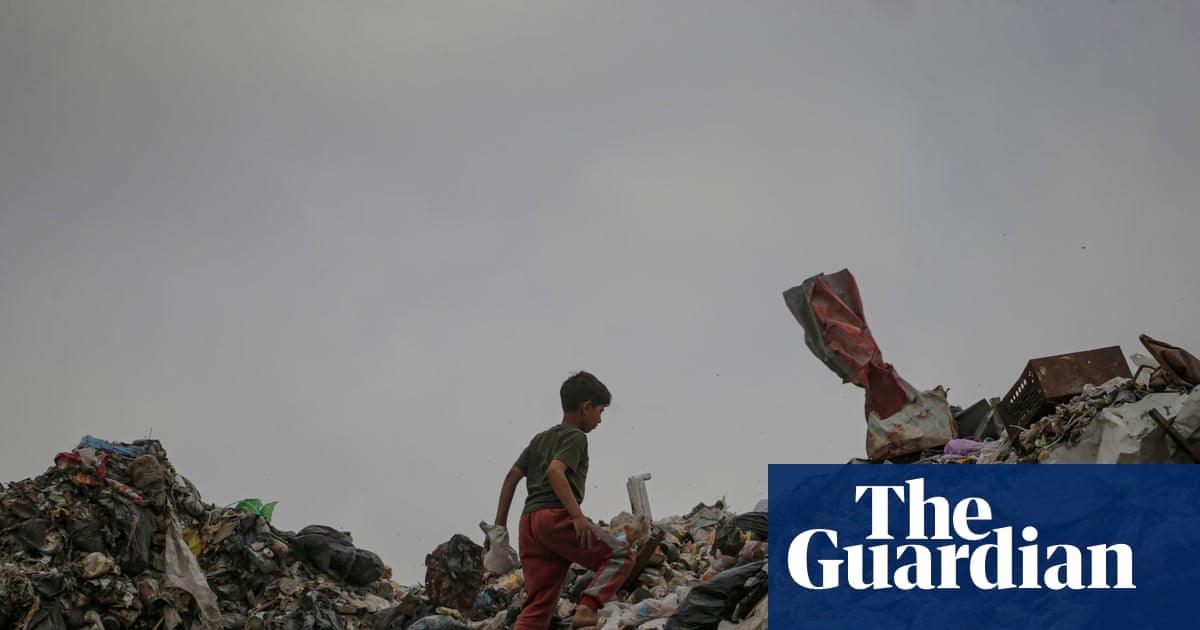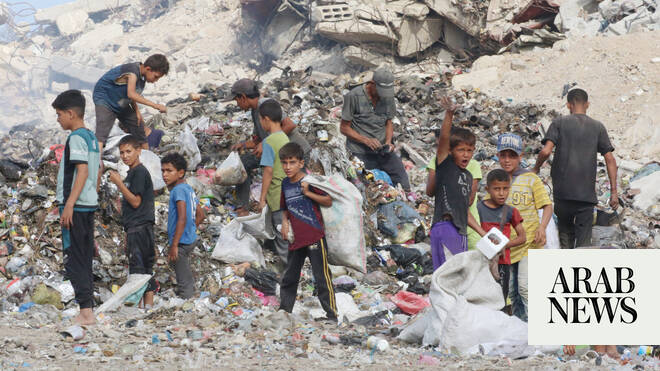
DUBAI: For Gaza’s displaced families, the dangers of war no longer end with bombs and bullets. As mountains of garbage rise, sewage spills into streets and camps, temperatures soar, and clean water becomes increasingly scarce, aid agencies warn that a new threat of disease is spreading across the territory.
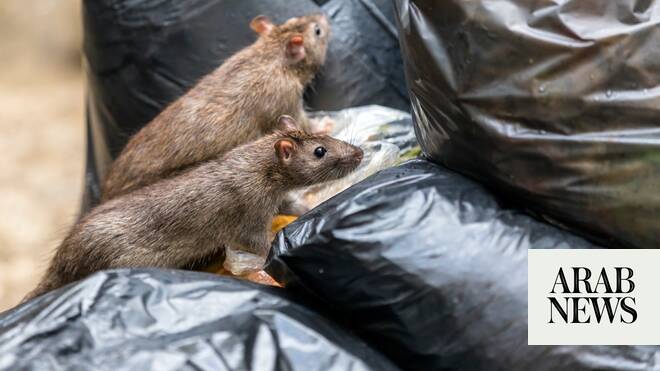
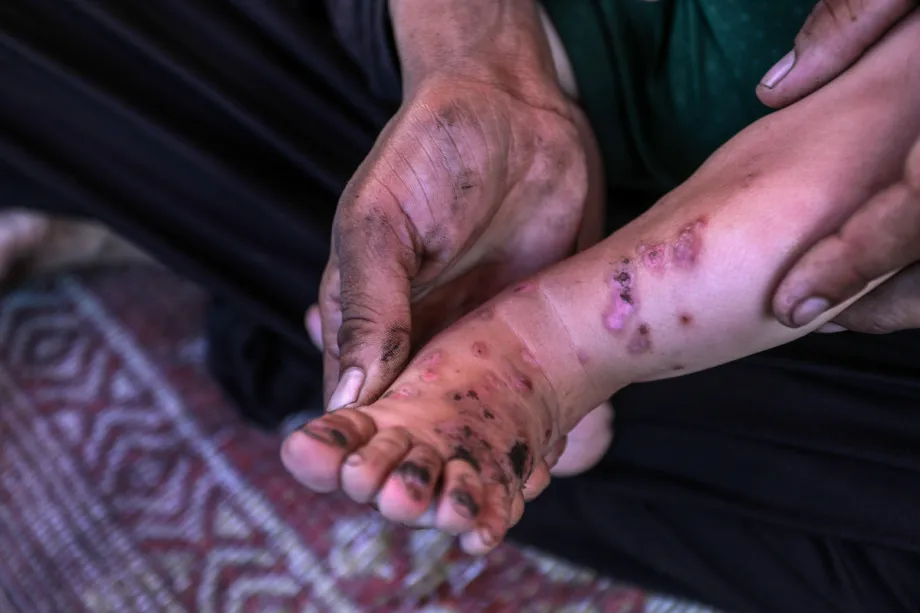
The UN Relief and Works Agency recently reported more than 125,000 cases of skin infections linked to rats and parasites between January and May this year, warning that rising infestations and deteriorating sanitation conditions are increasing public health risks across the enclave.
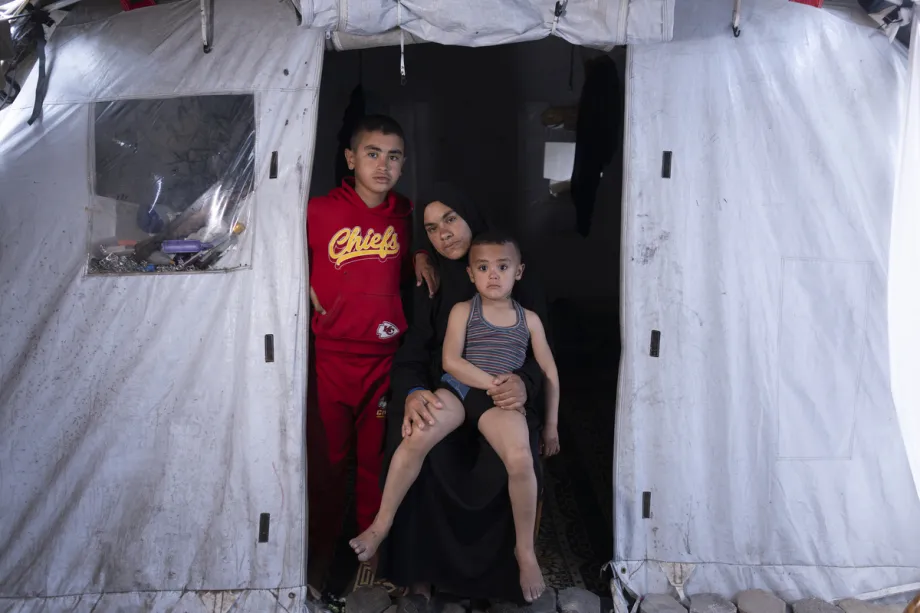
The sanitation crisis has emerged as one of the most pressing challenges facing Gaza’s 2.1 million residents after Israeli military operations devastated infrastructure and repeatedly displaced much of the population into crowded shelters and tent encampments.
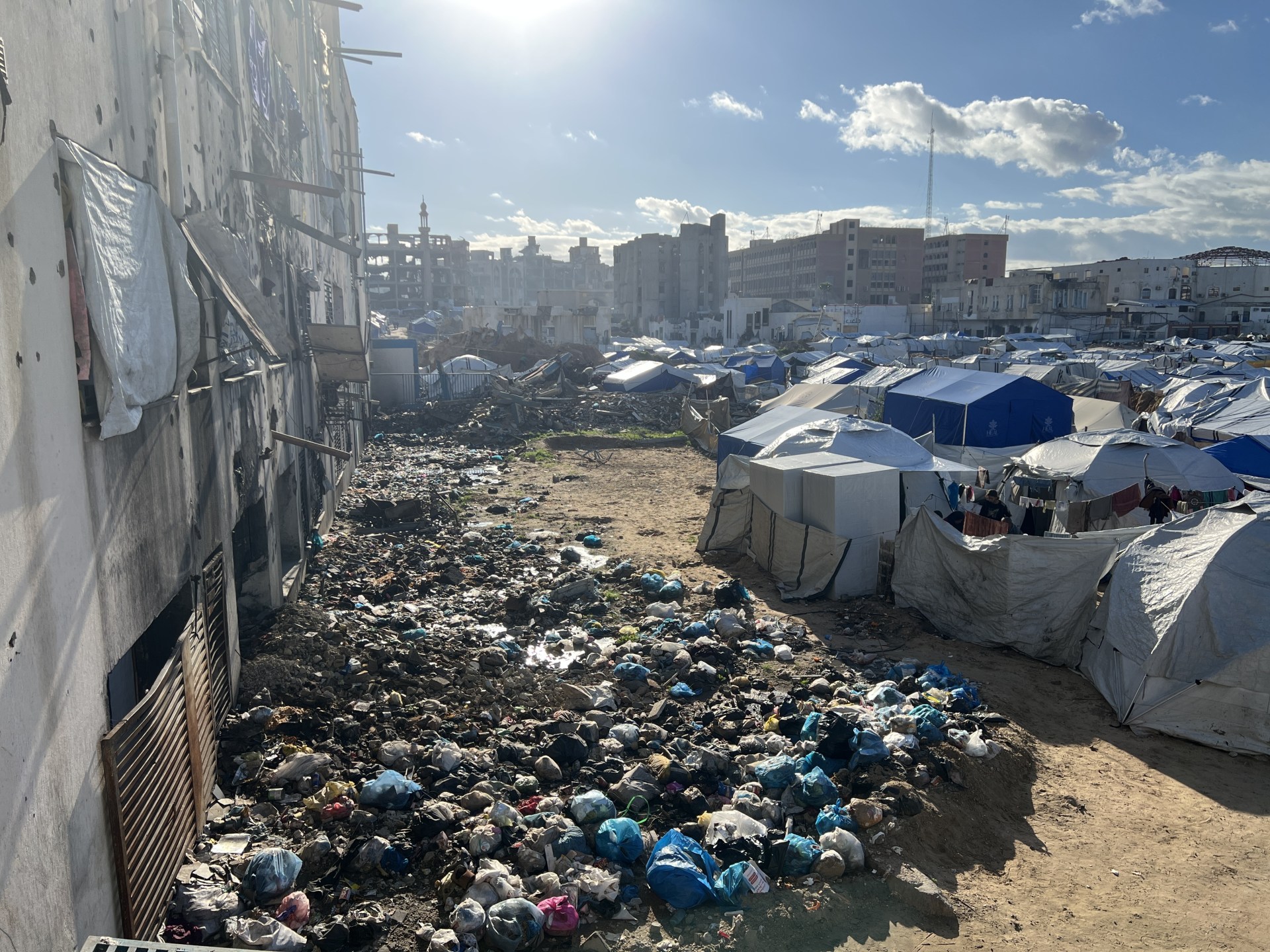
A child walks past garbage towards tent shelters housing displaced Palestinian families set up on empty land in Gaza City on January 11, 2026. (AFP)
The World Health Organization says that nearly 90 percent of Gaza’s water and sanitation infrastructure has been damaged or destroyed, while about 80 percent of the population now relies on trucked drinking water.