The most-crowded World Cup group stage in tournament history came to an electrifying close on Saturday night.
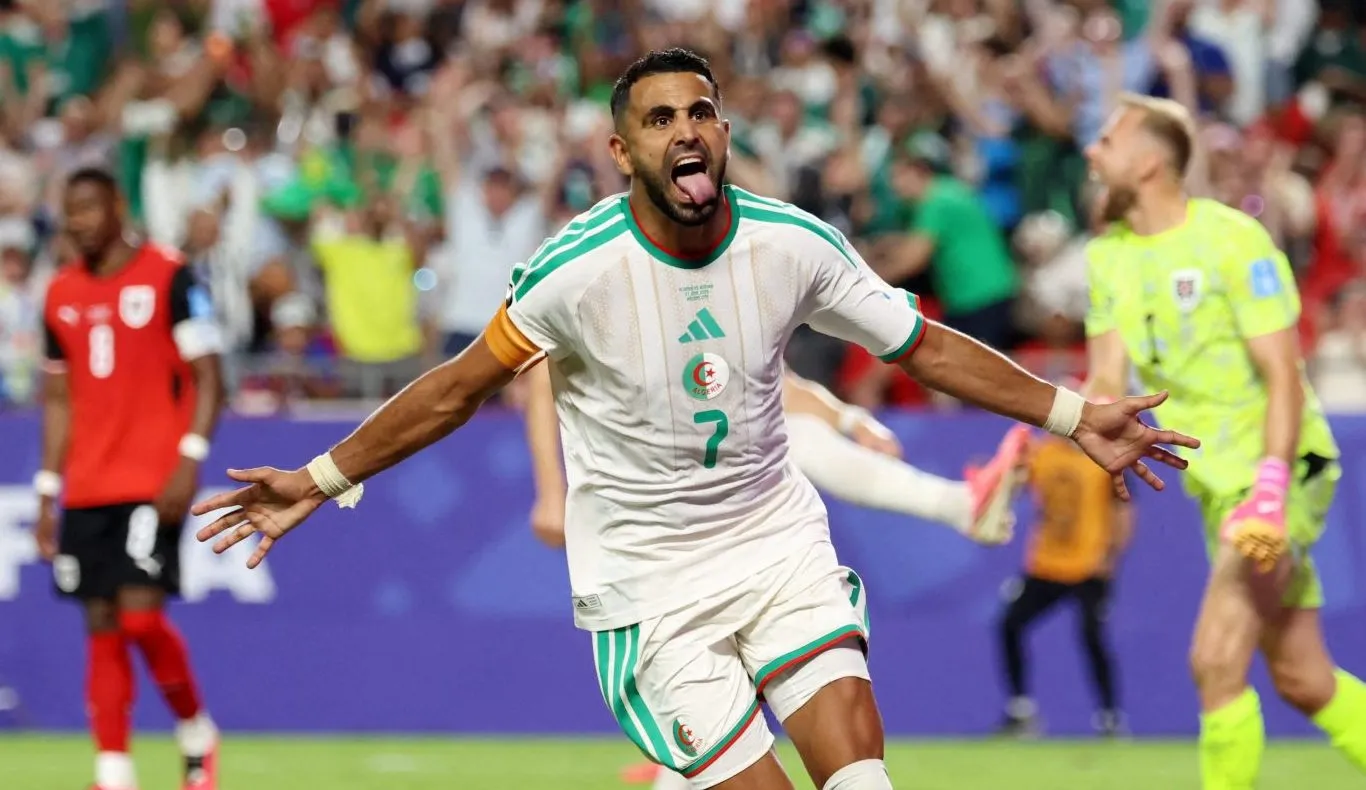
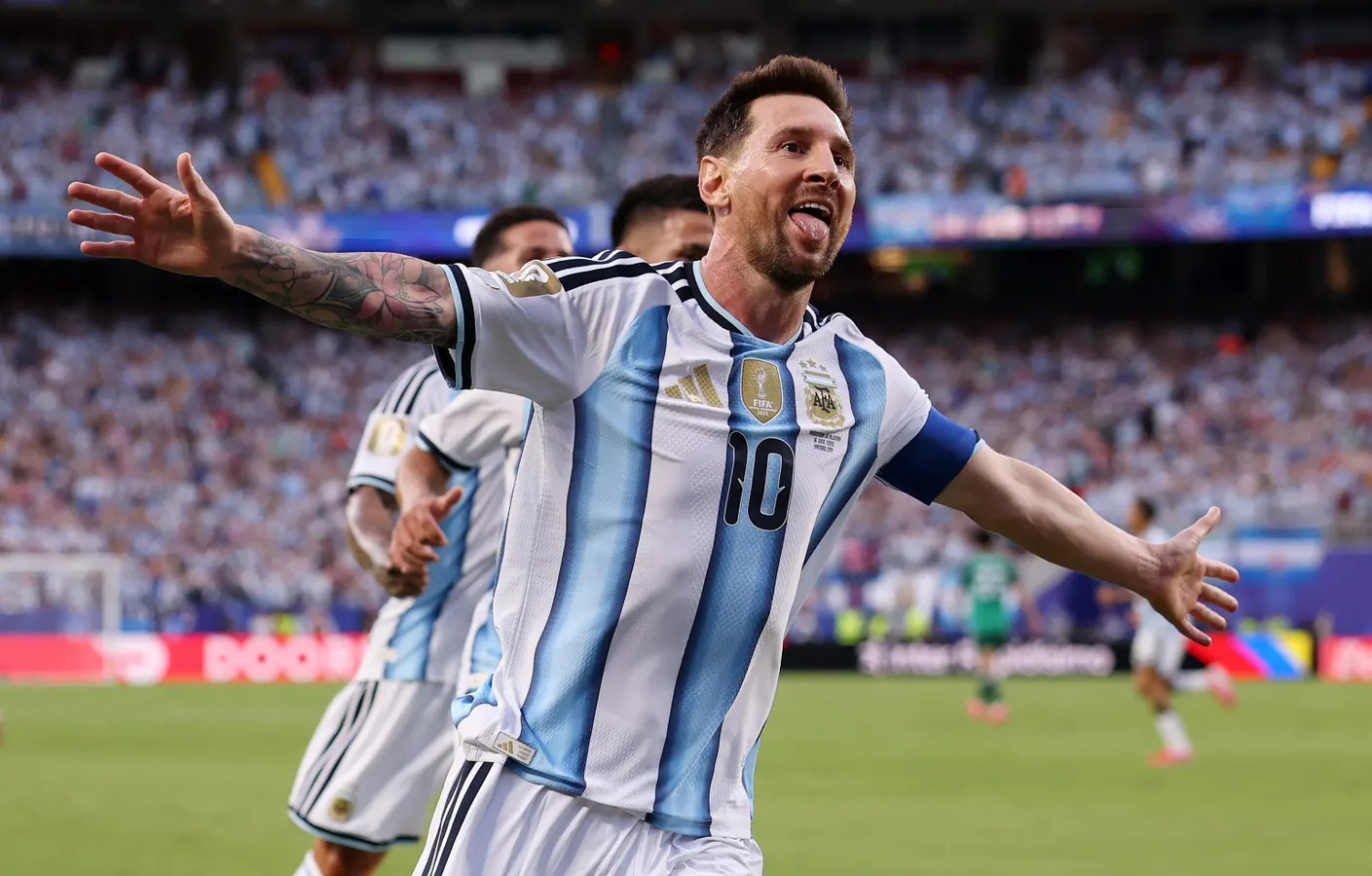
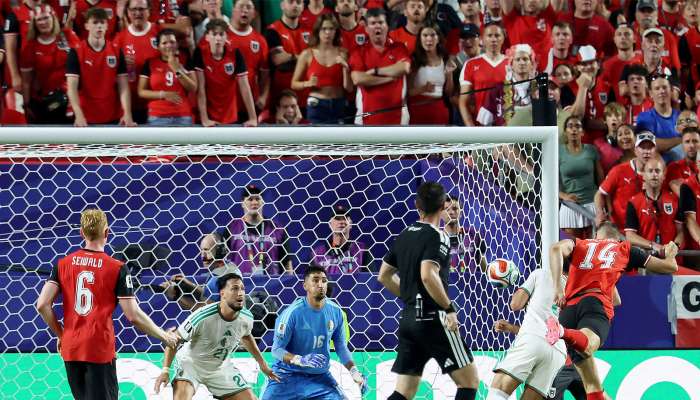
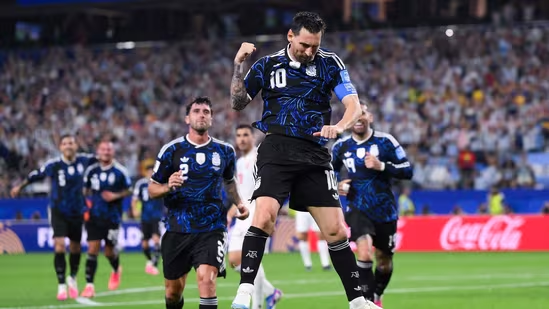
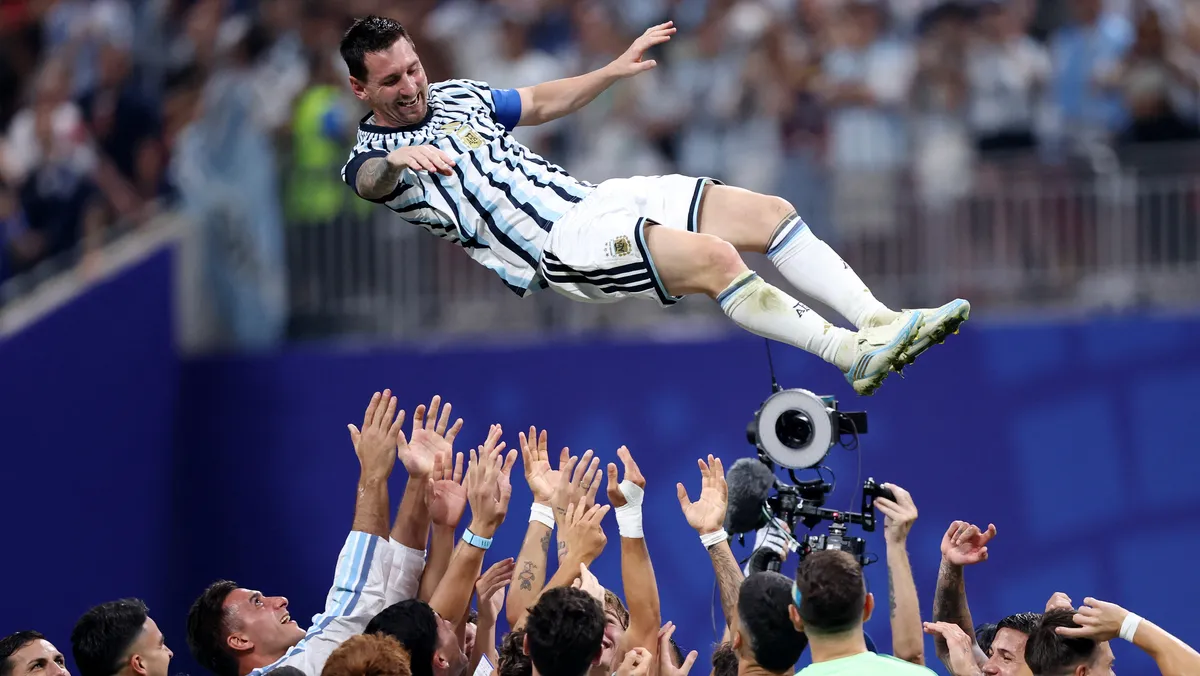
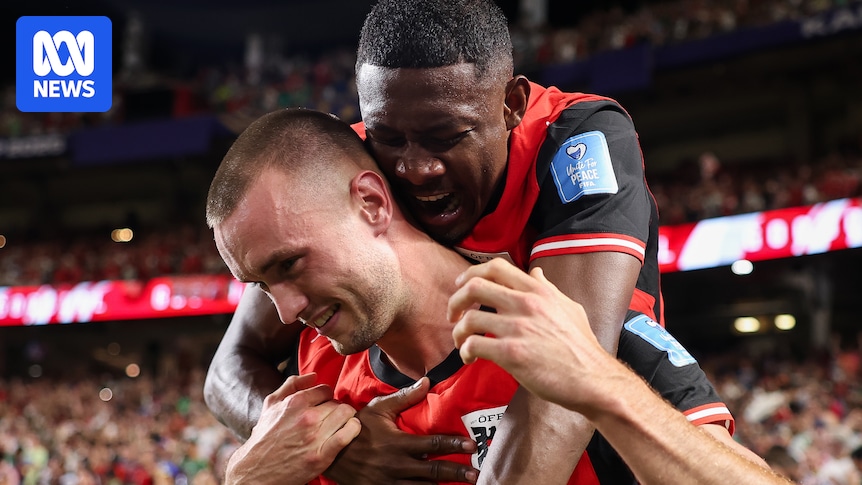
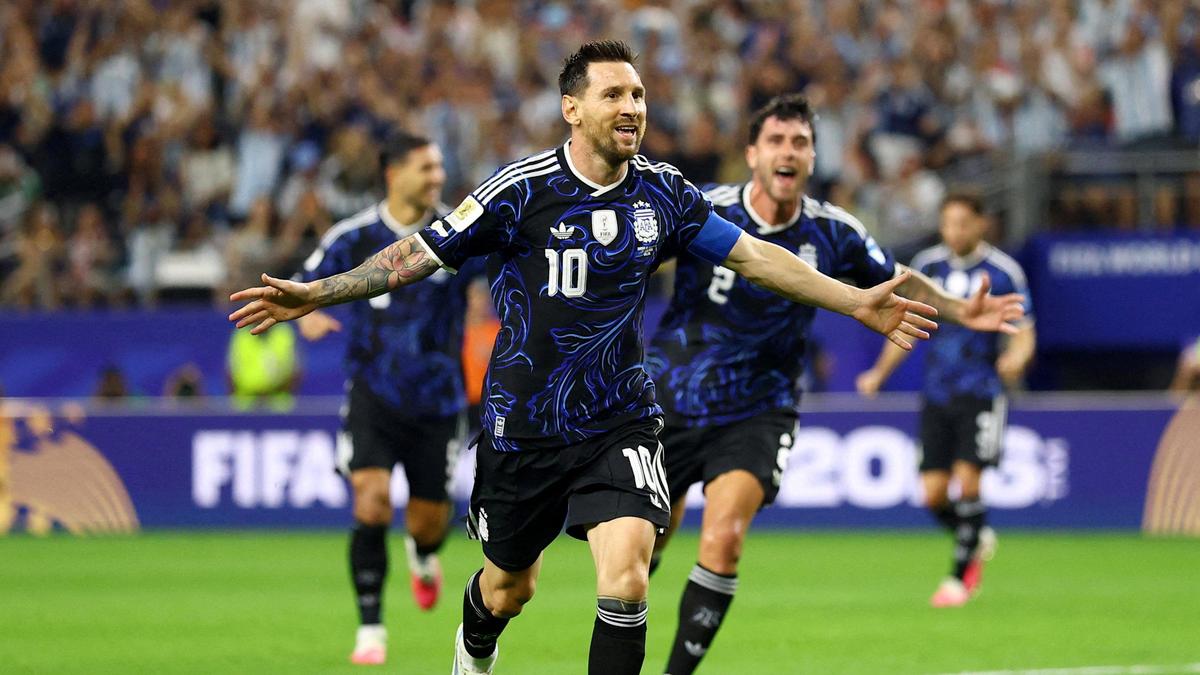
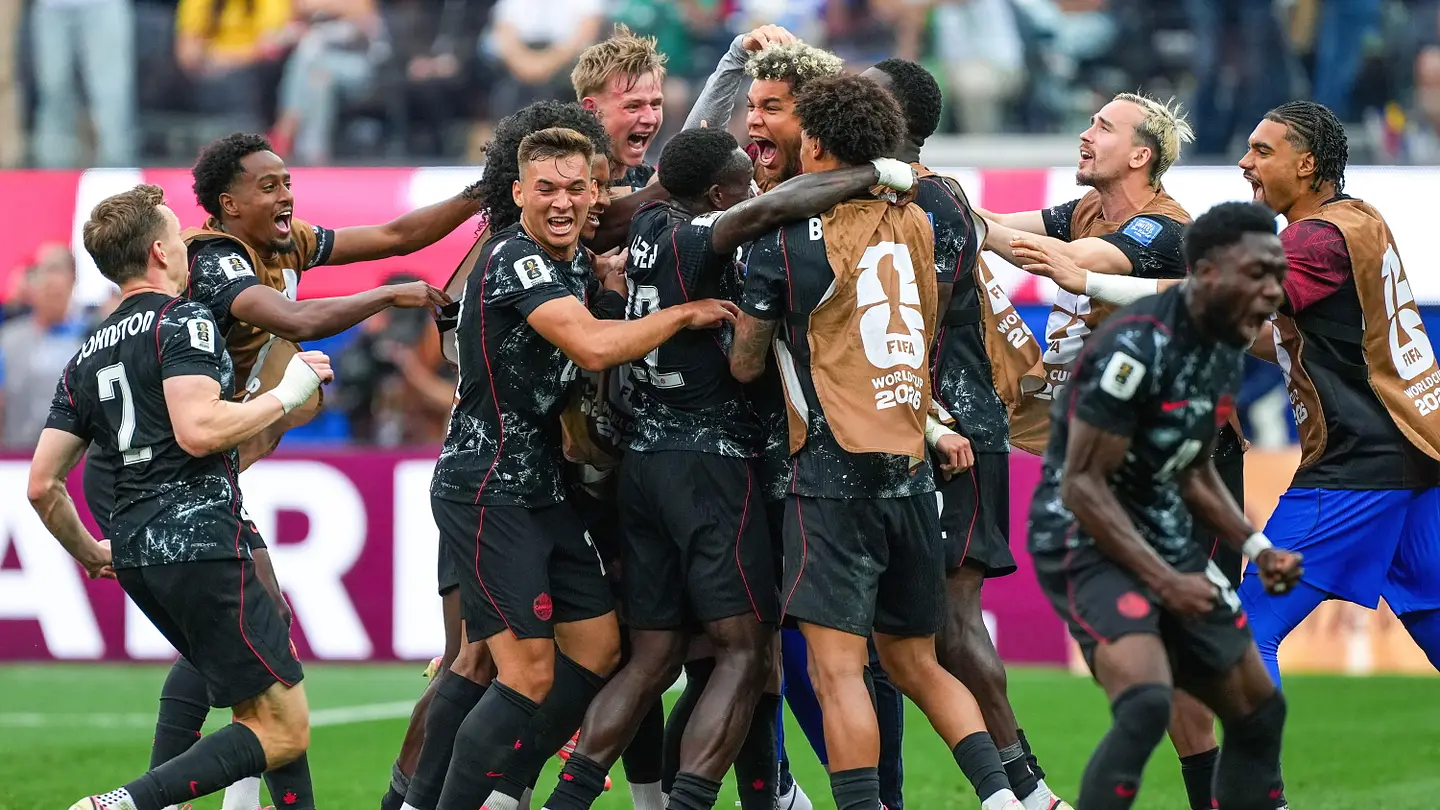
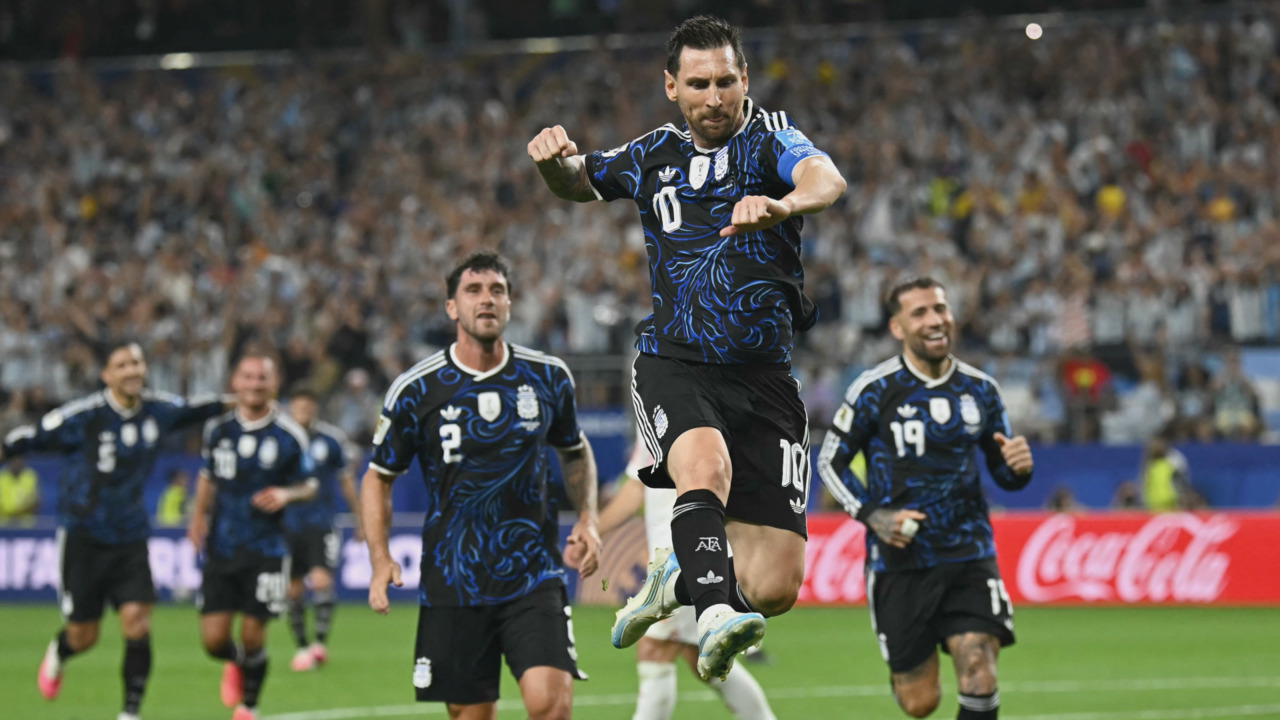
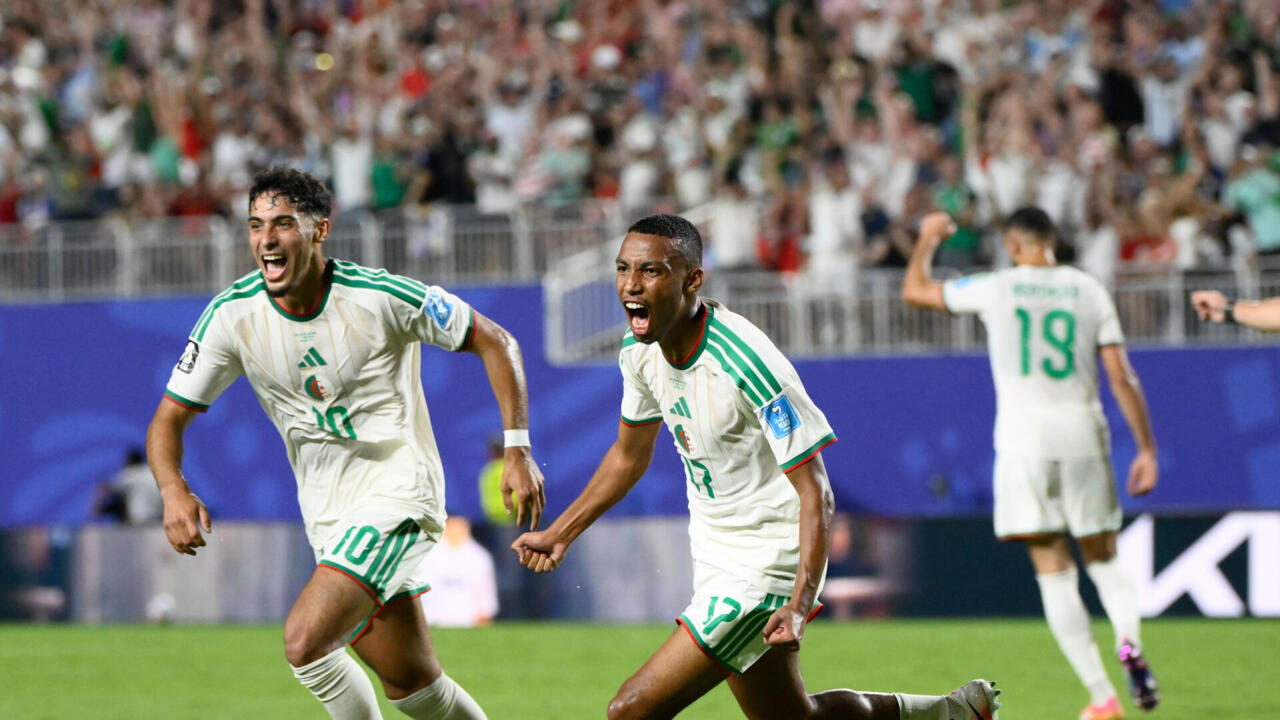
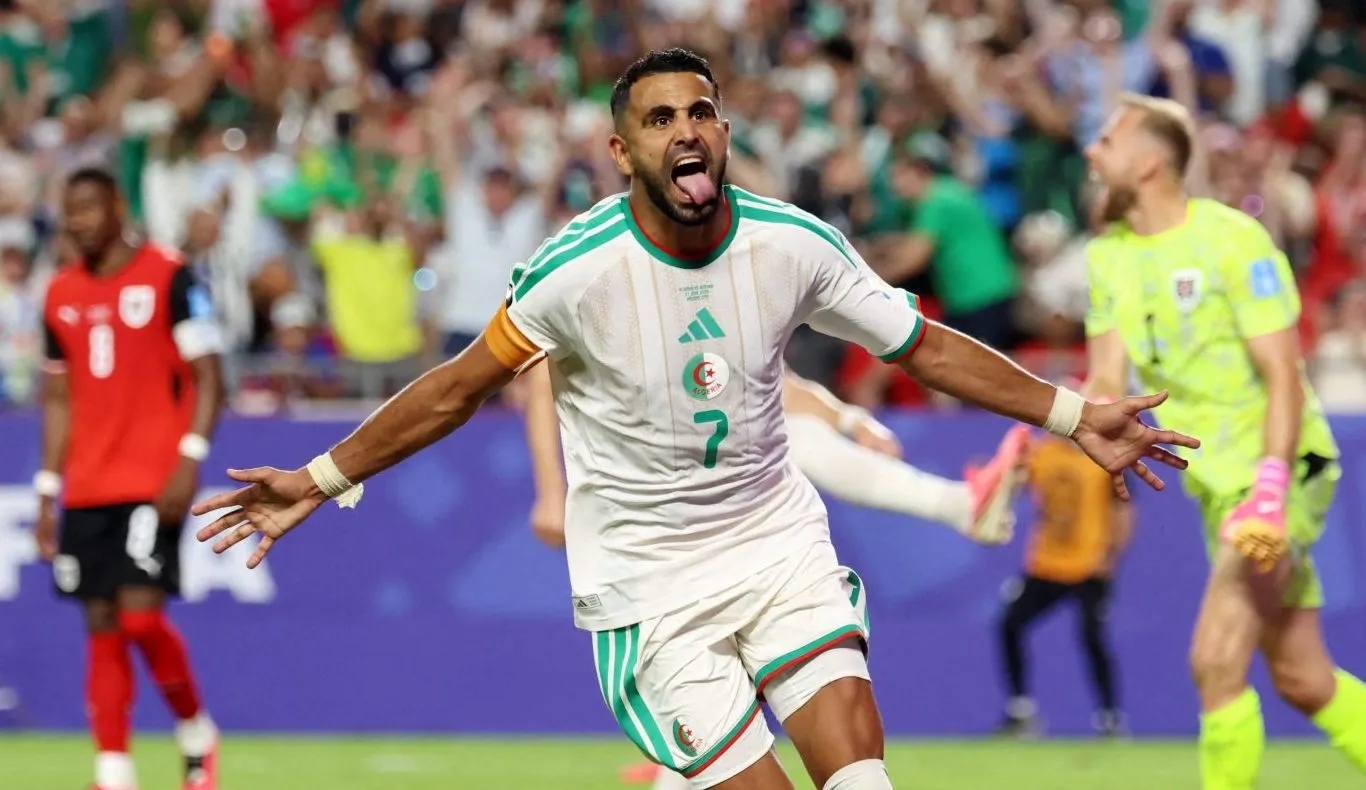
As Lionel Messi came off the bench to score his sixth goal in Dallas, a thriller between Algeria and Austria was taking place in Kansas City. Both teams would’ve advanced with a draw, but Algeria delivered an extra-time goal that shook the table, and Iran briefly thought they’d be through to the next round. Then Austria quickly fired back in the final moments of the game to push itself through and send Iran home.
The global governing body expanded the tournament from 32 teams to a record 48 squads this year, which altered the group stage dynamics from past World Cups. Many expected the quality of play in the group stage to go down, and the games to matter less, especially for the third and final match of round-robin play.
This was certainly the case in some instances. Teams like the U.S., Mexico, Germany, and Argentina won their groups after the first two days of group stage play, and knew the outcome of the third match didn’t matter. Some, like the U.S. and Argentina, opted to rest their starters for some or all of the final group stage matches. Even Norway rested starters against France despite the group still being open, essentially conceding a potential first-place spot to keep players fresh for the knockout round. My Front Office Sports colleague David Rumsey remarked that the end of the group stage had become like Week 18 of the NFL season, while others on social media likened it to college football bowl games.