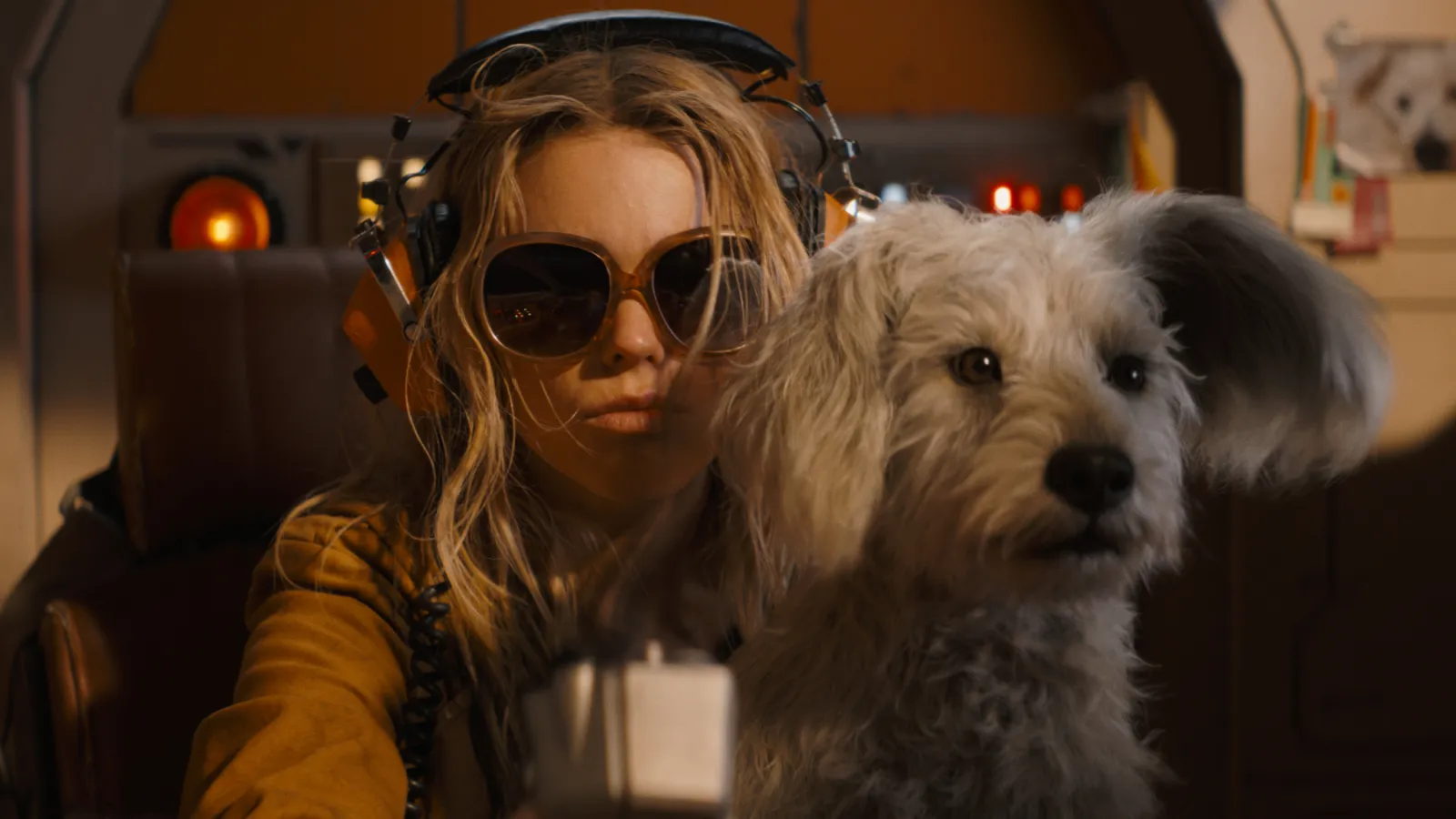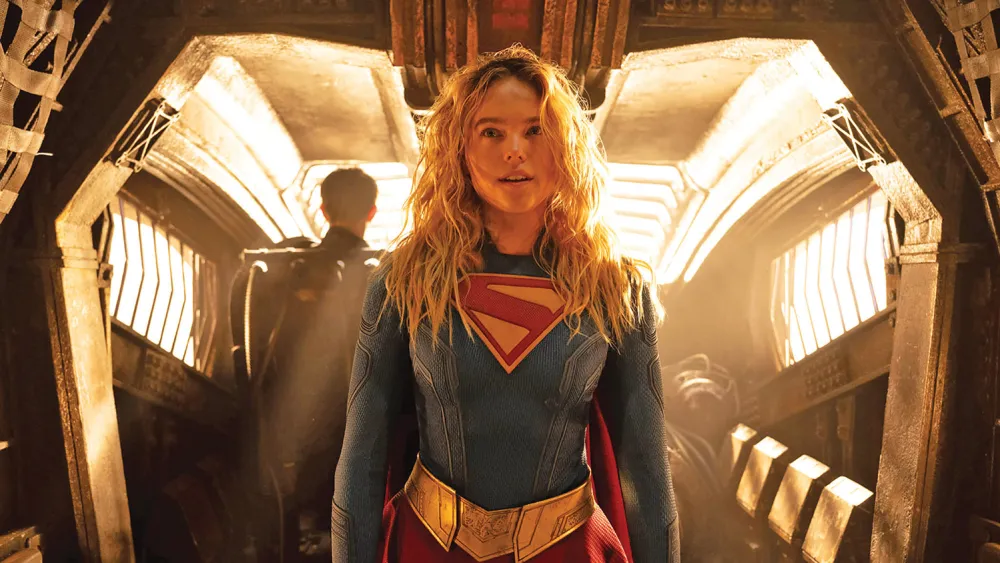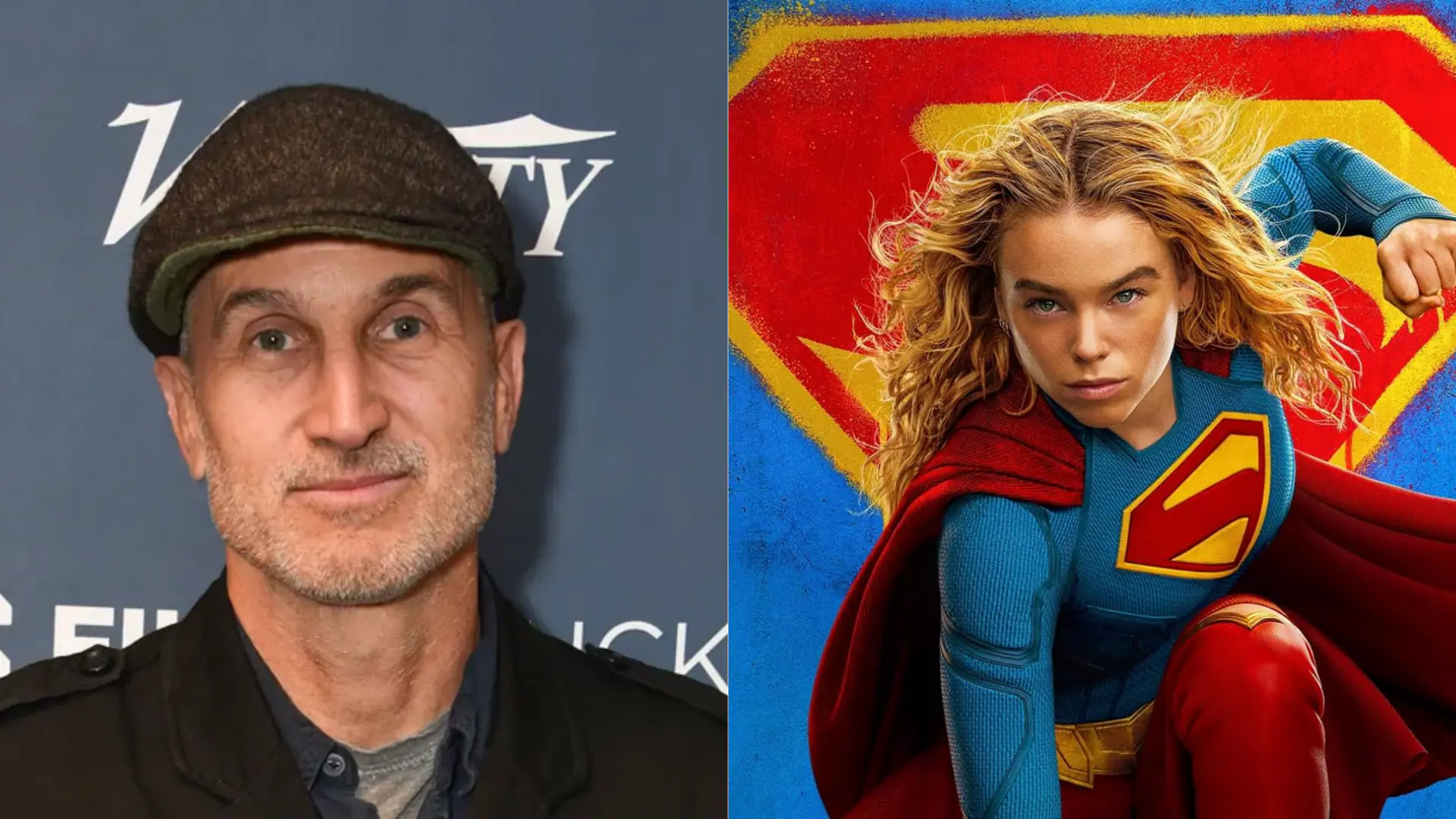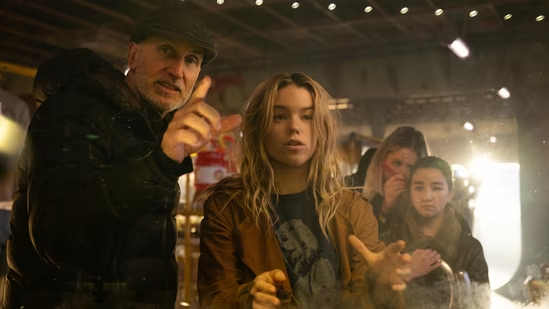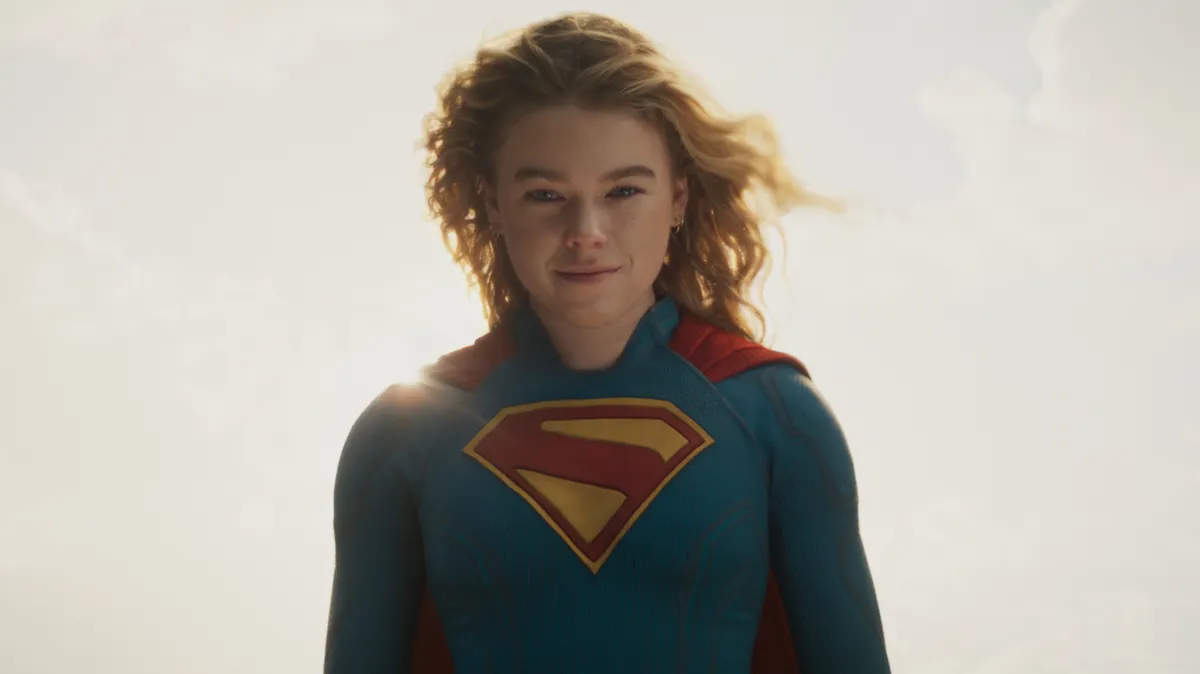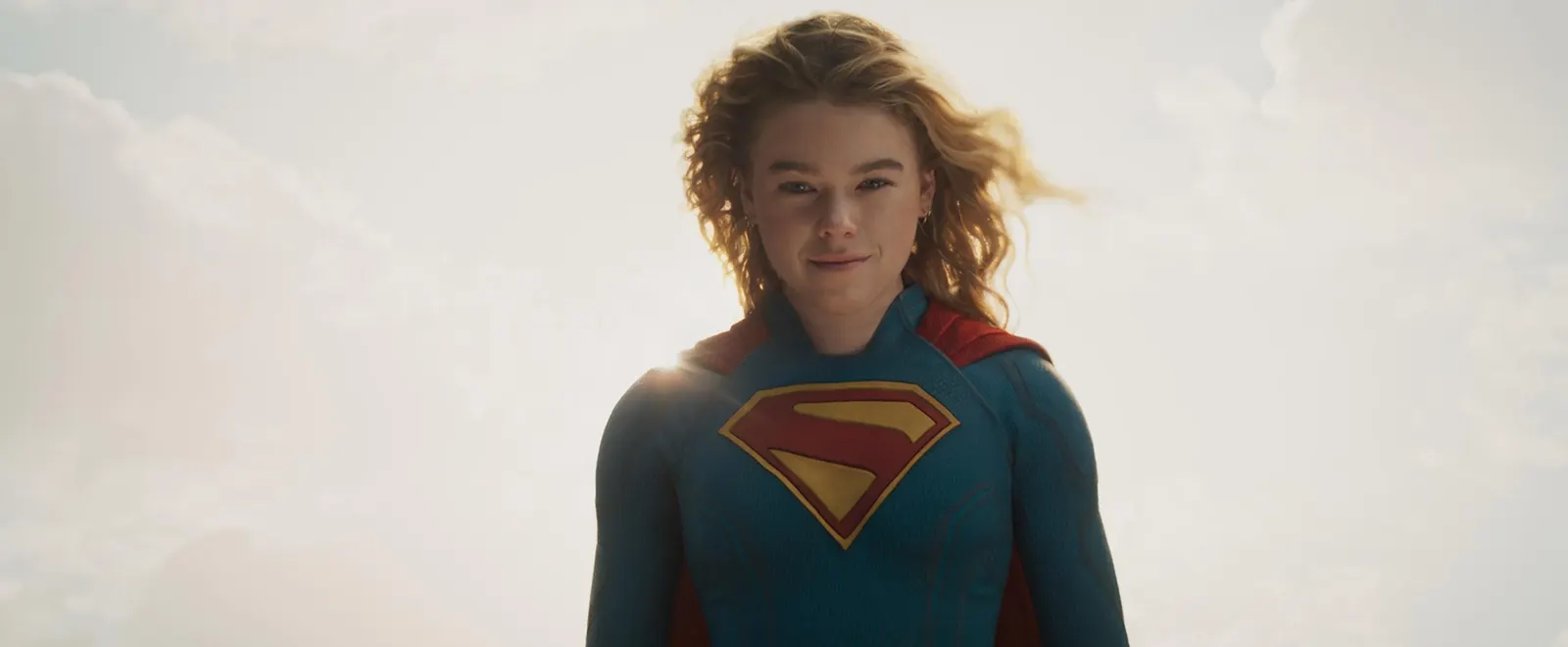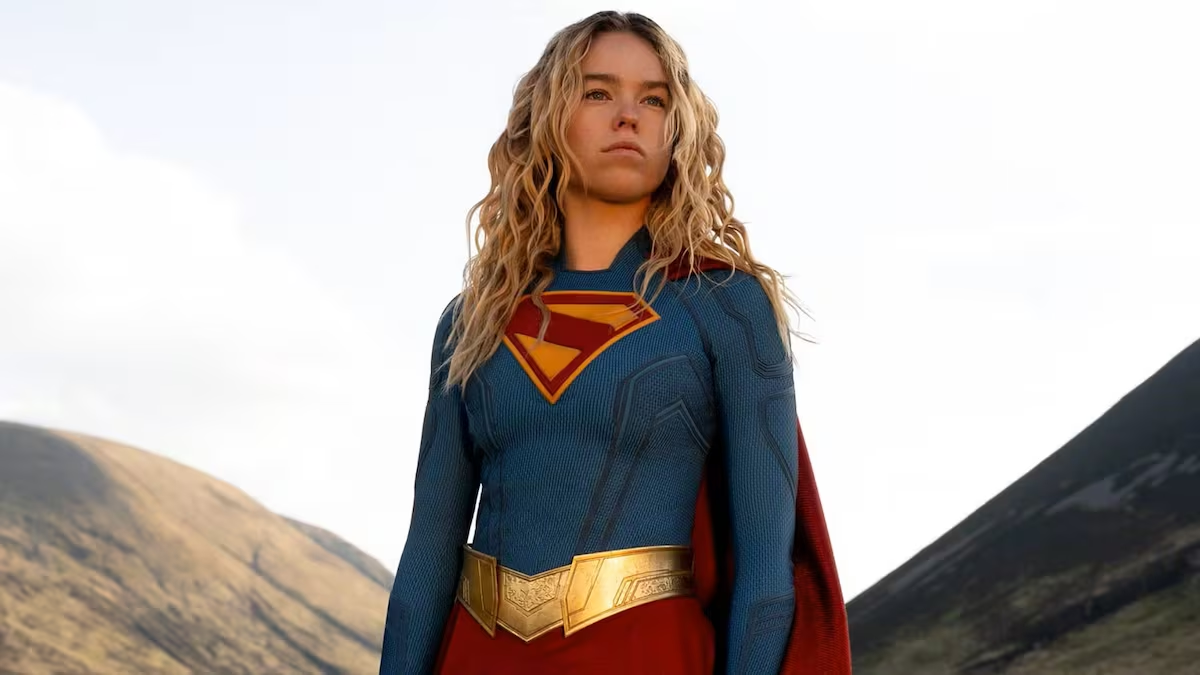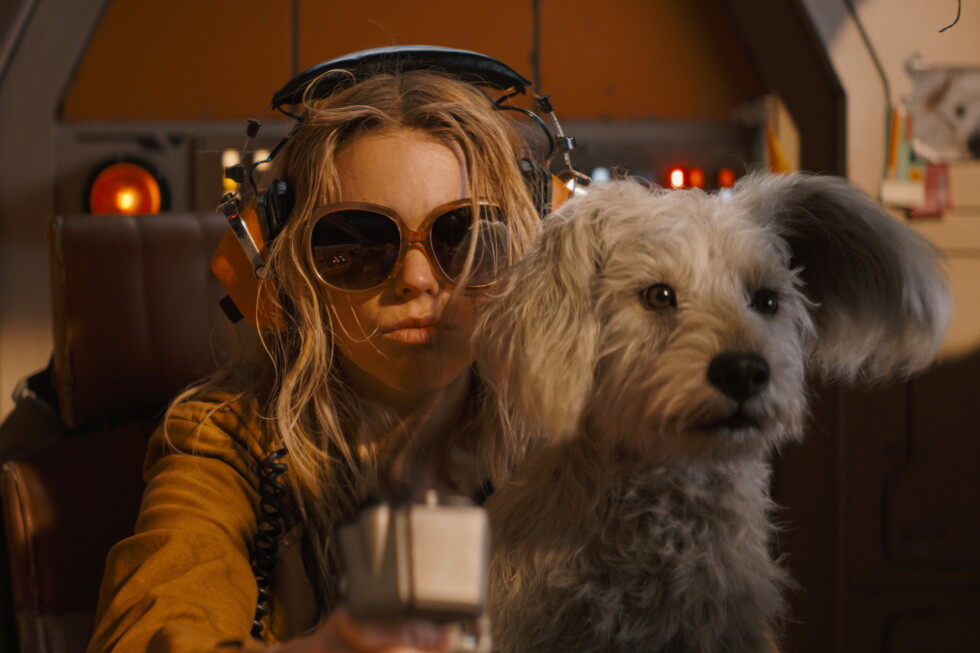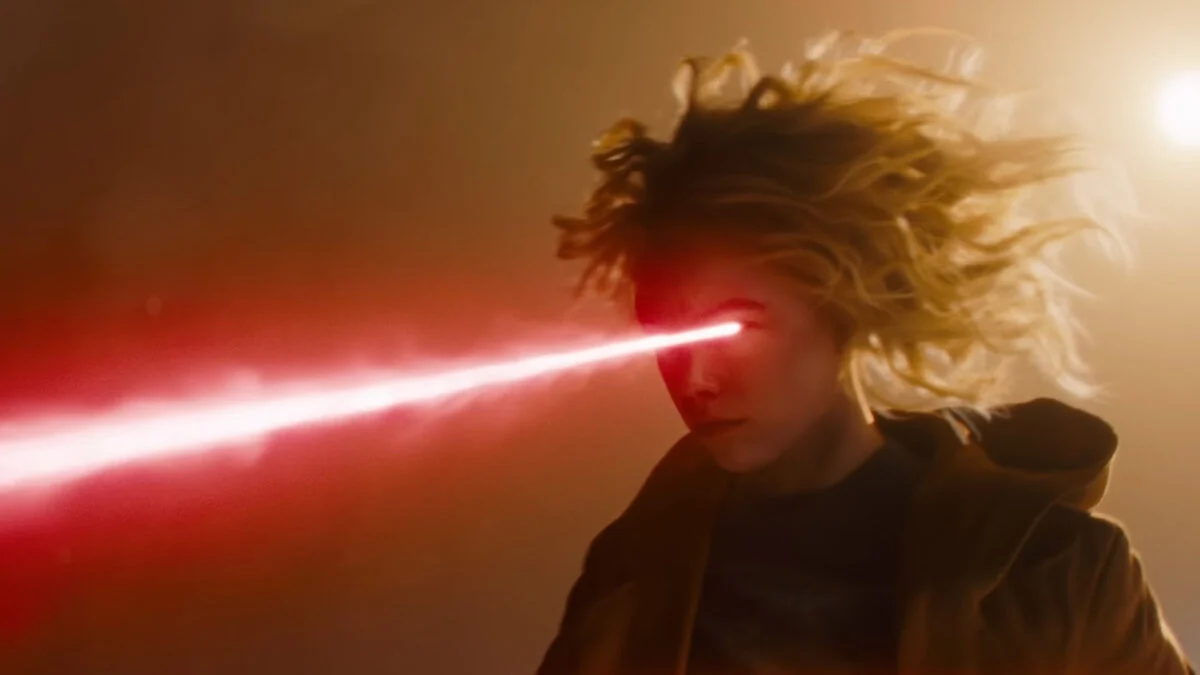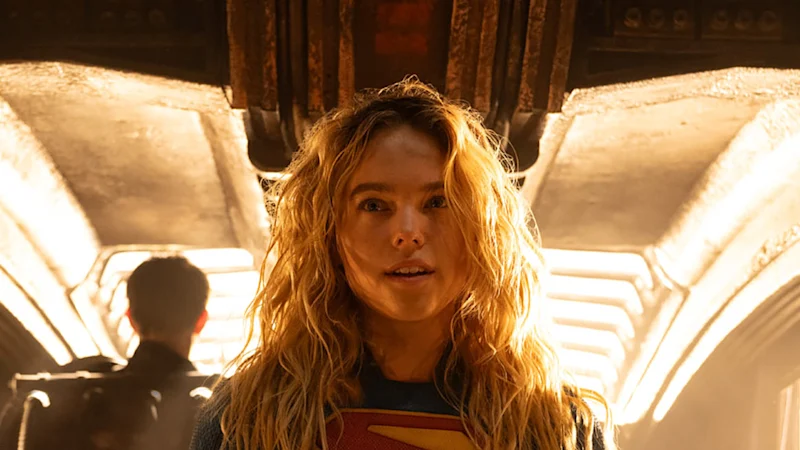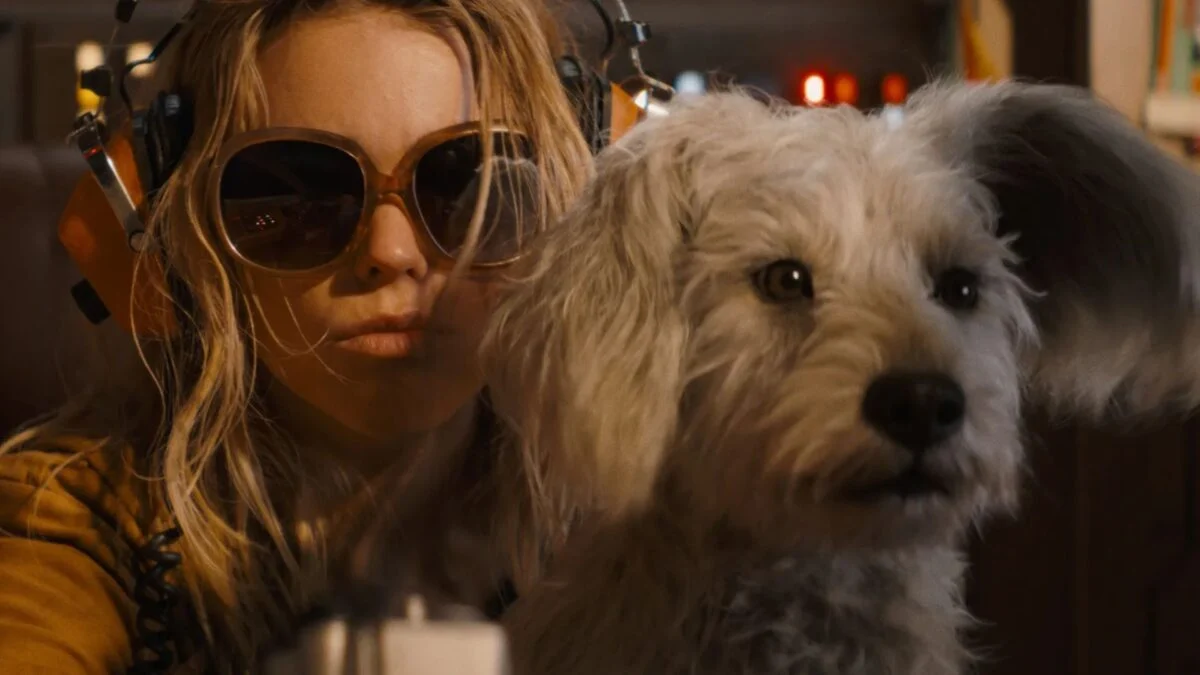
As one of the big movies of the weekend, folks are watching Supergirl and have their thoughts on it. The same goes for director Craig Gillespie and writer Ann Nogueira, who’ve been talking to press about how the movie’s production. First announced as an adaptation of Bilquis Everly and Tom King’s award-winning graphic novel Woman of Tomorrow, the finished product is…not really that, and now the two have taken to explaining some key changes made in the film. After defeating Krem of the Yellow Hills’ forces and talking Ruthye out of killing the man who slaughtered her family, Kara goes and finishes him off herself. It’s a sharp divergence from the comic, where Krem spends years imprisoned in the Phantom Zone before he’s freed and a now elderly Ruthye hits him in the face before walking off. Nogueira told Entertainment Weekly this change has always been part of her initial pitch for the movie, and one signed off by producers James Gunn and Peter Safran. “We gotta kill the guy, and we can’t let the little girl do it,” she recalled saying. While stuck writing, she eventually realized Kara’s final lines to Krem would bring everything home: ‘This is for my dog,’ and ‘This is for what you did to that little girl’ are the movie.” Now back on Earth and living in Metropolis, Supergirl will return for 2027’s Man of Tomorrow. To Nogueira, her killing Krem is a way to “define herself differently than Superman. She has to say, ‘I have my own morality and sense of goodness. I don’t have a rule you have—I have my own guidance and the ability to discern when I’m gonna take somebody off the map. I know this is the right thing to do.'” With Lex Luthor and Brainiac in Tomorrow, and one of them having harmed her dog in Superman, this might not be the last time Kara gets her hands dirty.
Here's Why 'Supergirl' Ends and Sounds Like That
Craig Gillespie and Ana Nogueira dive into the narrative and musical choices made with 'Supergirl.'
TL;DRAI
Supergirl diverts from Woman of Tomorrow: Kara kills Krem instead of Phantom Zone imprisonment in the source material, and producers weighed 45 song options for the action sequence. The narrative shift establishes Supergirl's independent moral agency distinct from Superman's ethical constraints, signaling character autonomy through willingness to act lethally.
563 words~3 min read