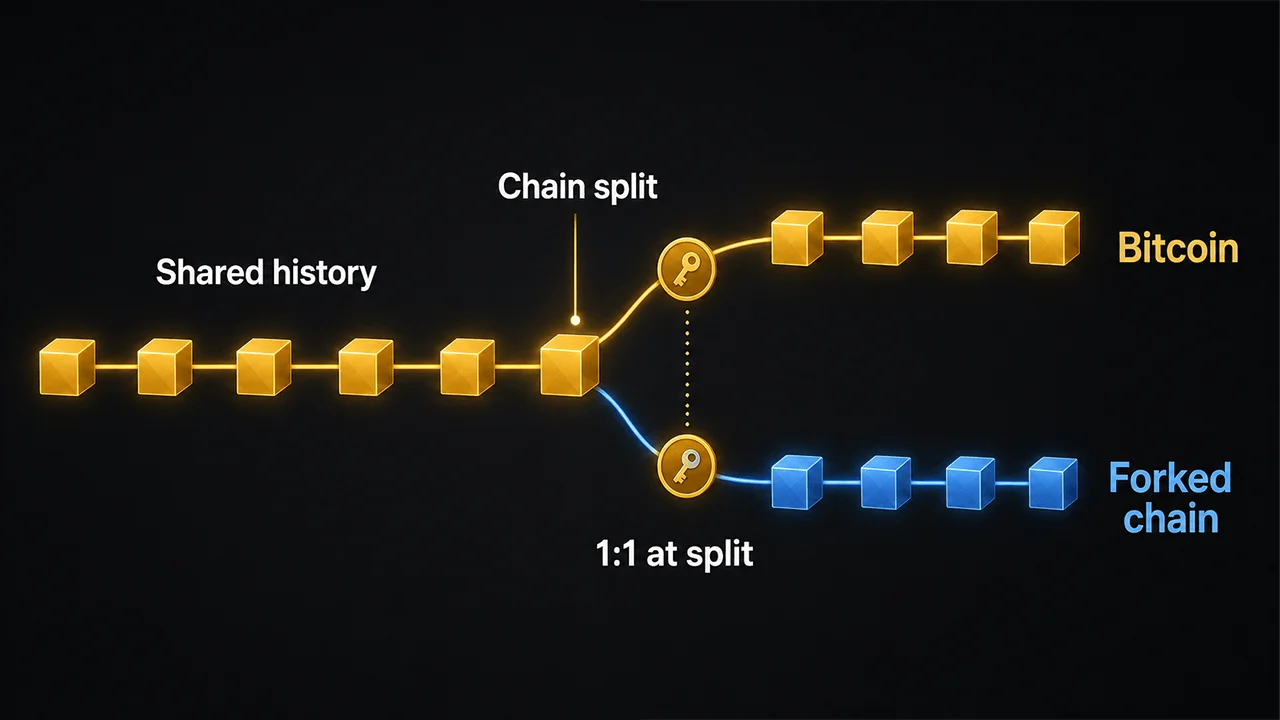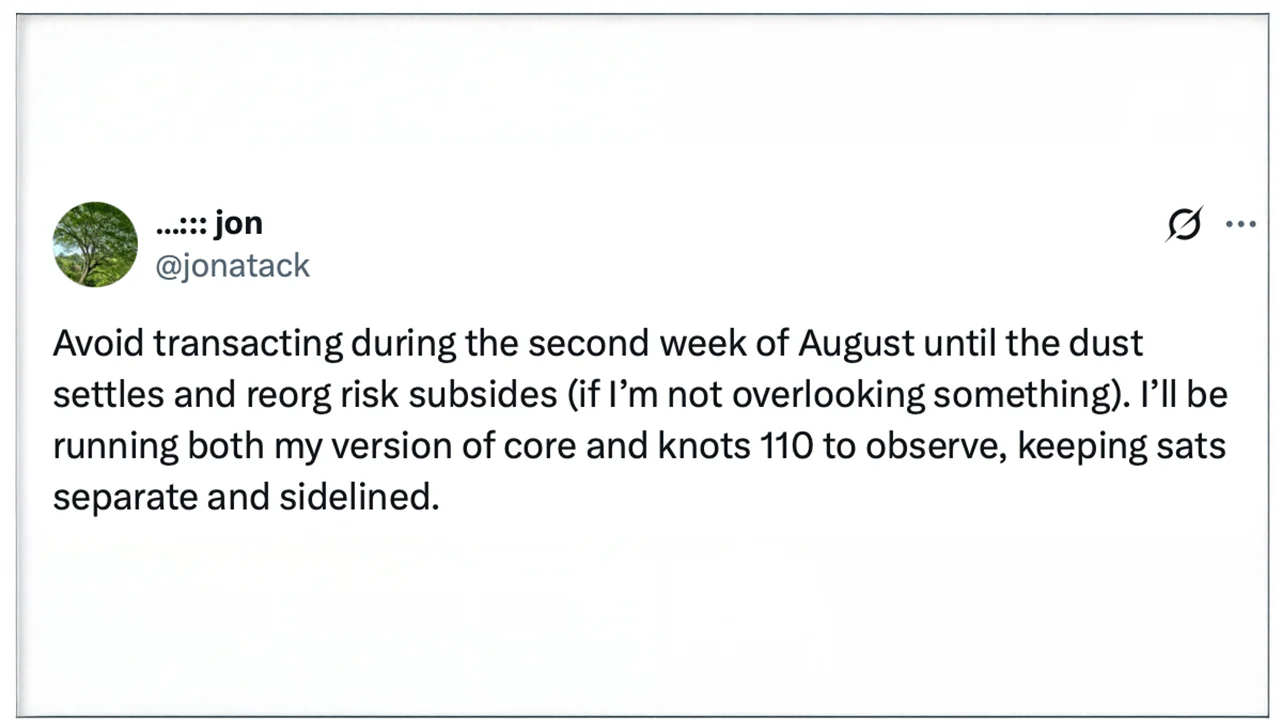
Bitcoin holders are scheduled to get at least one airdrop this summer, as one explicit hard fork will take place in early August and a separate soft fork attempt appears destined for failure. While not currently viewed as major forks of the Bitcoin network, these are among the most notable attempts in years to create new networks from Bitcoin’s existing ownership record. When implemented without broad consensus, a Bitcoin fork can create a separate cryptocurrency that inherits bitcoin ownership as of the split and uses it as the initial distribution of the new asset. The idea is to continue what was already started with Bitcoin down a new path rather than bootstrap a separate set of network effects from scratch. However, in many cases, the airdropped coins are sold off for more bitcoin or simply ignored. The most prominent wave of Bitcoin forks arrived near the end of the block size war. Bitcoin Cash split from Bitcoin in August 2017 after years of disagreement over whether the network should increase its block size limit via a hard fork. Other projects, such as Bitcoin Gold, followed as altcoins forked from Bitcoin became a bit of a meme in the crypto space. Bitcoin SV, which was effectively built around Craig Wright’s now judicially demolished claim to be Satoshi Nakamoto, later separated from Bitcoin Cash in November 2018 following another dispute over protocol rules and block capacity.
Bitcoin Holders to Get Free Coins Airdropped From Summer Fork Attempts
Bitcoin fork season is nearly upon us.
1,115 words~5 min read