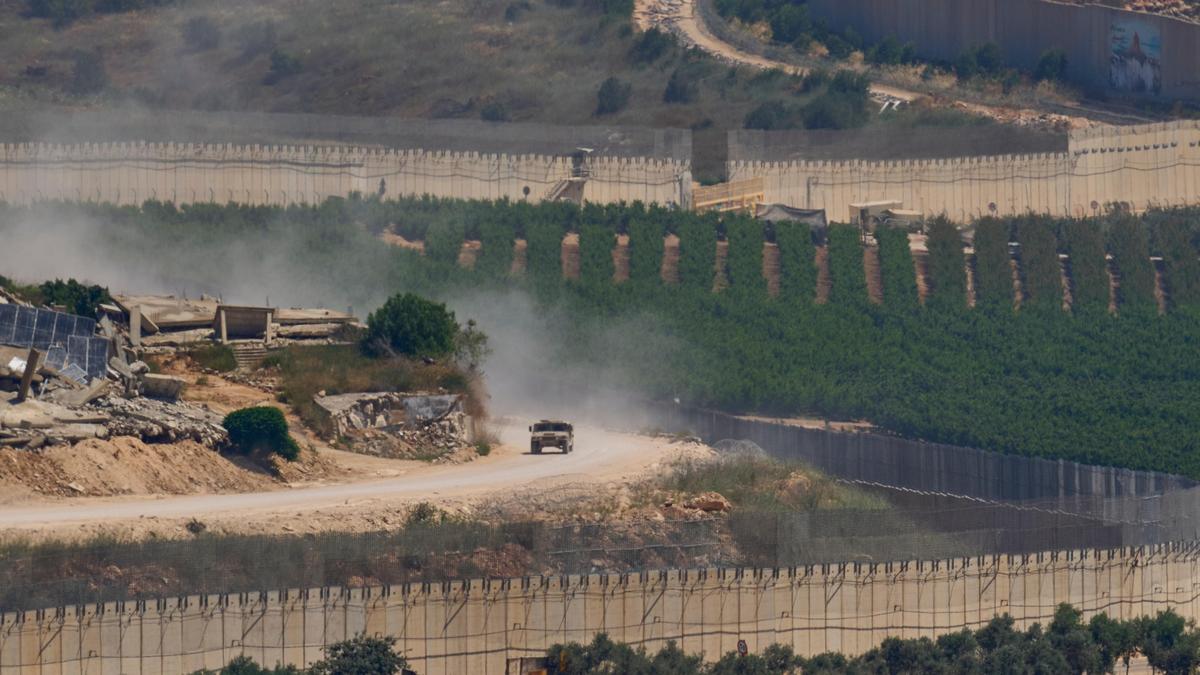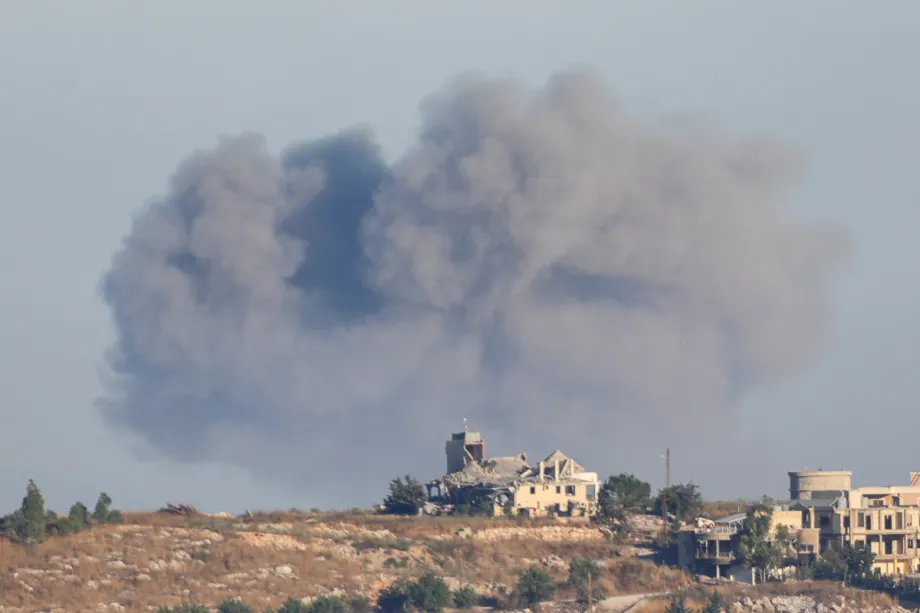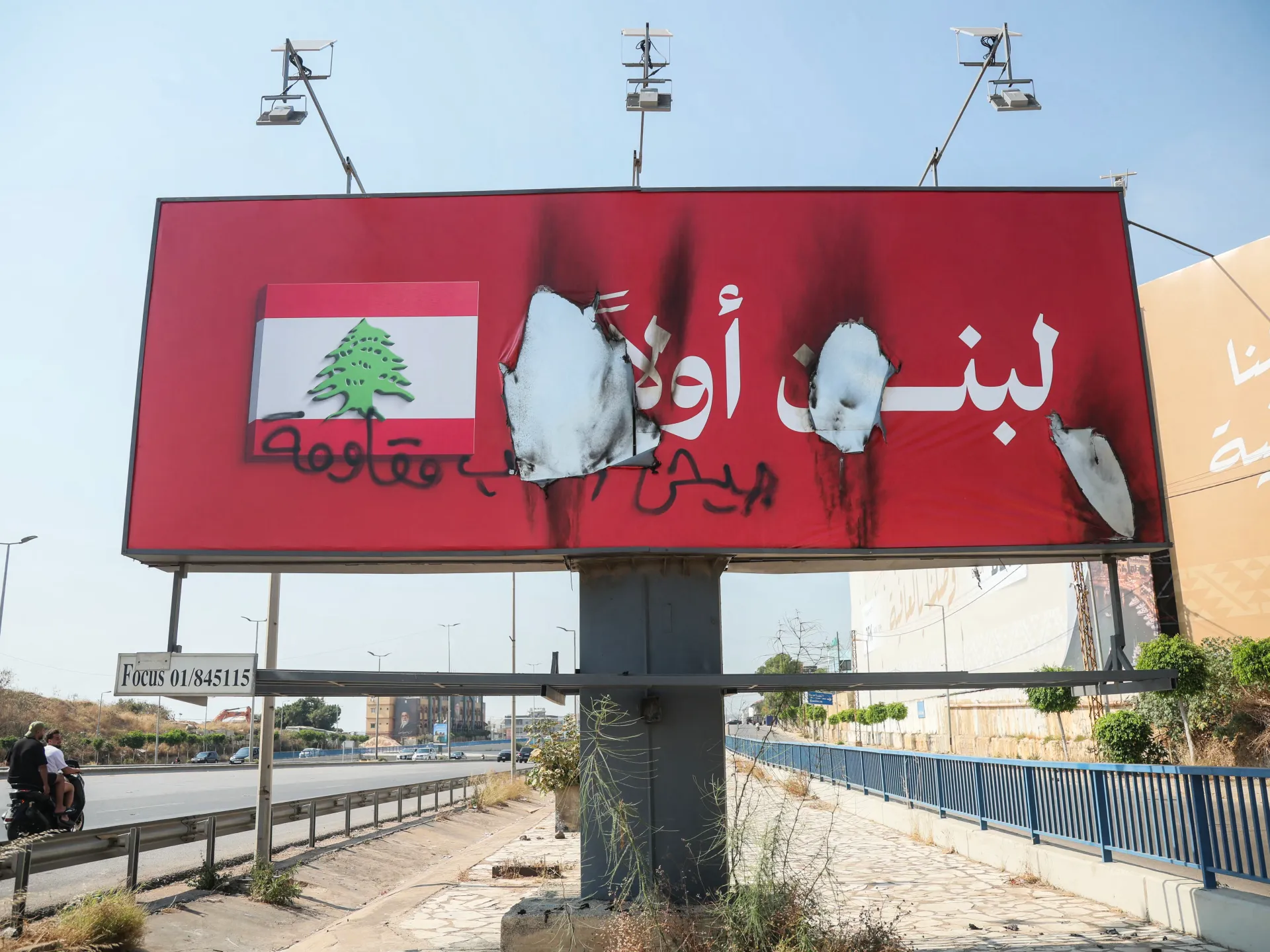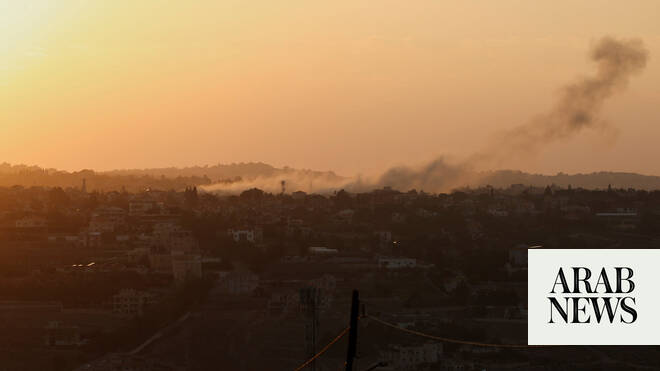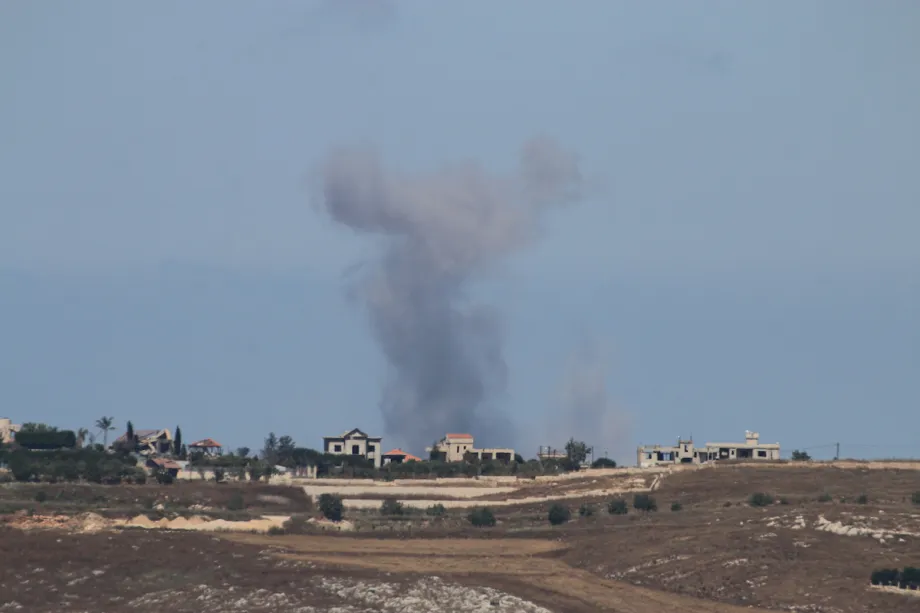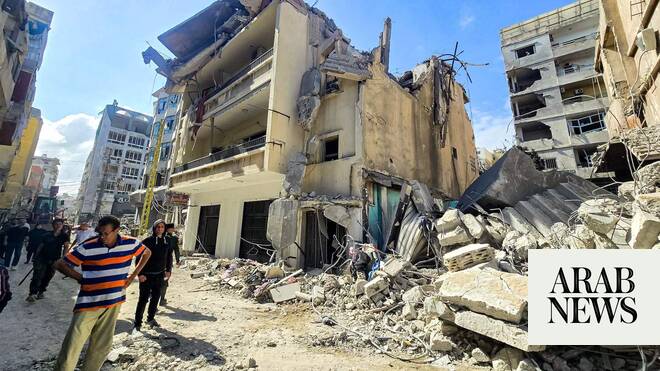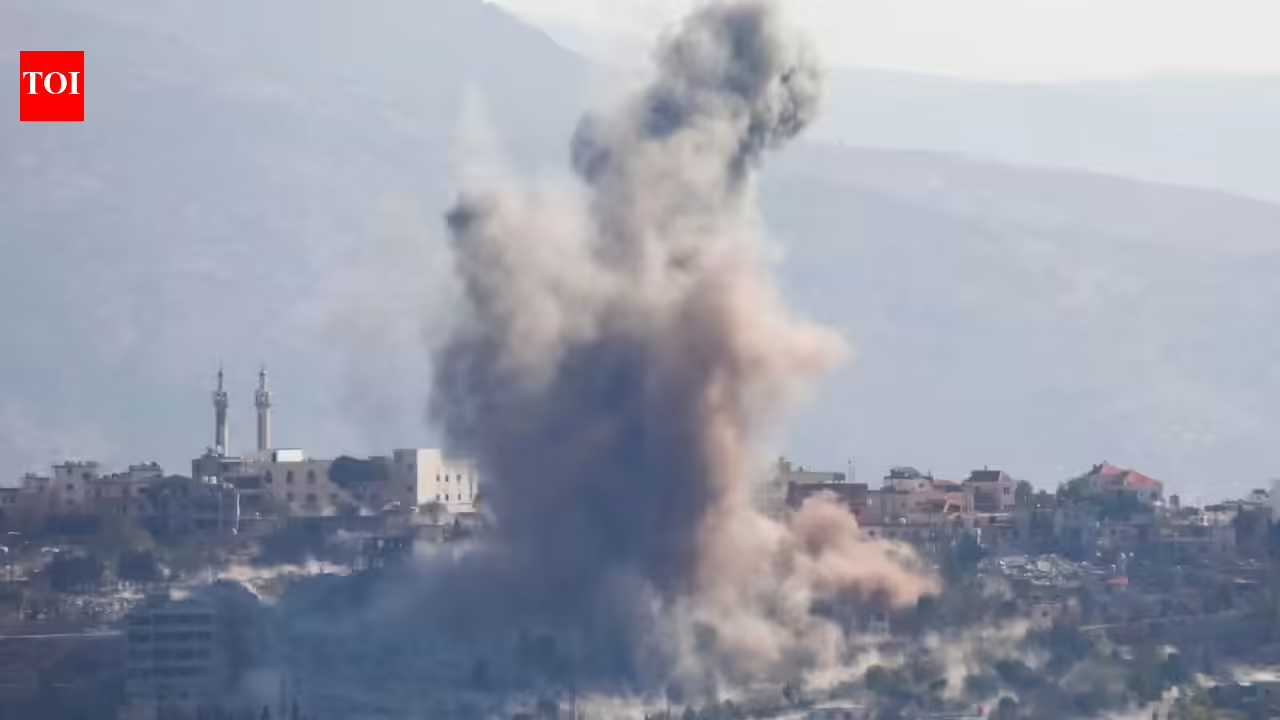
Lebanon's state-run National News Agency reported multiple Israeli strikes on Sunday. (File photo)Israeli forces carried out fresh strikes in southern Lebanon on Sunday, according to Lebanese state media, just two days after Beirut and Tel Aviv signed a US-backed framework agreement aimed at ending decades of hostilities. The renewed attacks came as Hezbollah warned the deal could push Lebanon towards "internal conflict".The latest strikes followed an Israeli attack on Saturday that killed one person in southern Lebanon, according to the Lebanese health ministry. The Israeli military said it had targeted Hezbollah members operating near its self-declared "security zone", which extends around 10 kilometres inside Lebanese territory.Lebanon's state-run National News Agency reported multiple Israeli strikes on Sunday, while the Israeli military separately announced that one of its soldiers had "fell in combat" in southern Lebanon.In a subsequent statement, Israeli military chief Eyal Zamir said he had approved plans for "continued operations in the security zone, in accordance with the ceasefire agreement".The latest violence comes despite Friday's agreement signed in Washington following five rounds of negotiations between Lebanon and Israel. The framework seeks to establish a pathway towards peace between the two countries, which have officially remained at war for decades.Under the agreement, any Israeli withdrawal from occupied Lebanese territory is tied to Beirut's ability to disarm Hezbollah, the Iran-backed armed group that has long dominated southern Lebanon.Lebanese President Joseph Aoun told US President Donald Trump on Saturday that Lebanon "would assume its responsibilities" in implementing the framework.Israeli Prime Minister Benjamin Netanyahu described the agreement as "historic" for Israel.Hezbollah, however, has rejected the deal from the outset. Its leader Naim Qassem said on Saturday the group regarded the agreement as "null and void" and called it "a surrender of sovereignty".Supporters of the group staged protests in Beirut on Friday evening in opposition to the agreement. On Sunday morning, an AFP correspondent saw demonstrators burning signs reading "Lebanon first" along the airport road in southern Beirut after earlier billboards displaying "thank you Iran" had been removed.Hezbollah lawmaker Hassan Fadlallah also strongly criticised the agreement."The agreement of humiliation and disgrace signed by the authorities will never see the light of day," he said.He further warned that what "the authorities have done amounts to sedition aimed at pushing the country into chaos and shifting the conflict from one with the enemy to an internal conflict".Throughout the negotiations, Hezbollah urged Lebanese authorities to coordinate their position with Iran's talks with the United States, while Tehran insisted that any broader ceasefire in the Middle East should also cover Lebanon.In a telephone conversation with Lebanese Parliament Speaker Nabih Berri, Iranian Parliament Speaker Mohammad Bagher Ghalibaf said "our goal is to end the war in Lebanon, return the refugees to their homes and remove the occupation and the withdrawal of the Zionist regime from the Lebanese territory, and we are seriously pursuing this issue".According to the text of the agreement released by the US State Department, Lebanon and Israel expressed their intention to "conclusively end the conflict, address its underlying causes and... formally conclude any state of war between them".The framework also states that Lebanon's armed forces will "restore effective sovereign authority over all Lebanese territory, pending the verified disarmament of non-state armed groups".Israeli defence minister Israel Katz has nevertheless insisted that Israeli troops will remain in Lebanon for as long as Hezbollah continues to possess weapons.
Israel launches fresh strikes on Lebanon despite new peace agreement
Israeli forces carried out fresh strikes in southern Lebanon on Sunday, according to Lebanese state media, just two days after Beirut and Tel Aviv signed a US-backed framework agreement aimed at ending decades of hostilities. The renewed attacks came as Hezbollah warned the deal could push Lebanon towards "internal conflict".
558 words~3 min read