Story audio is generated using AI
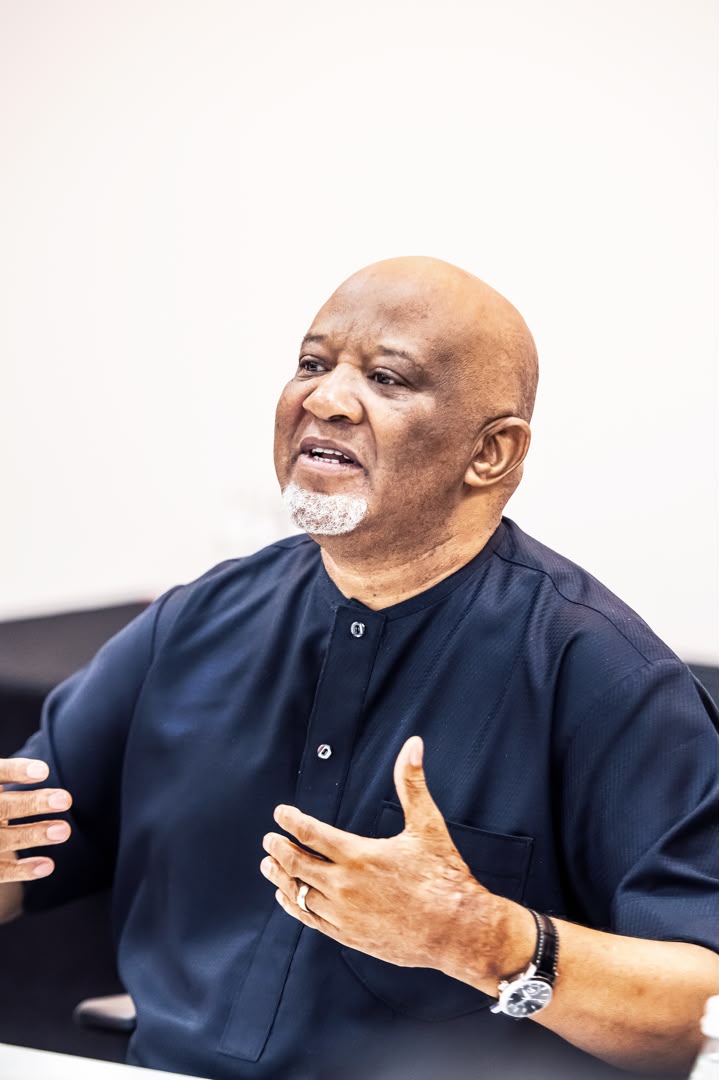
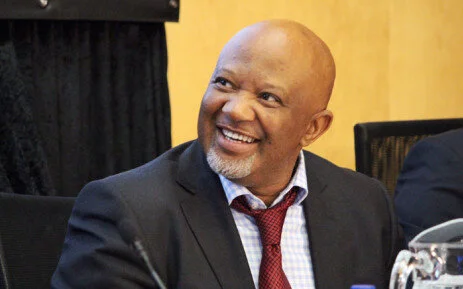
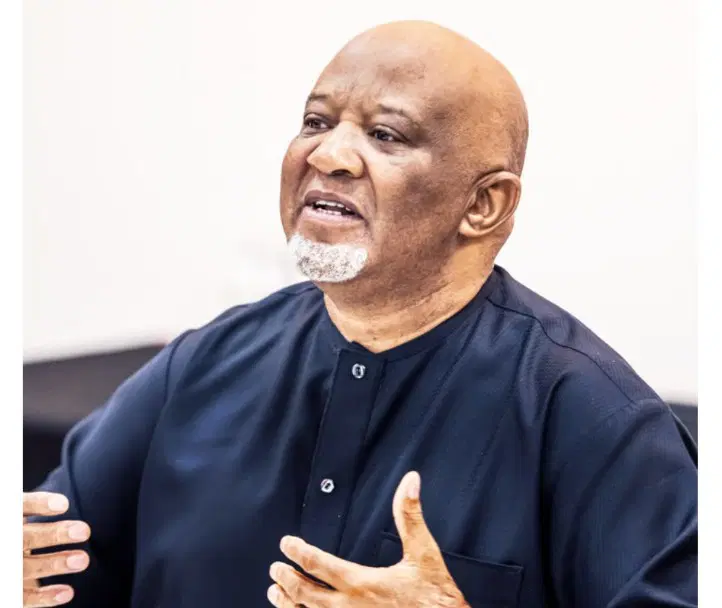
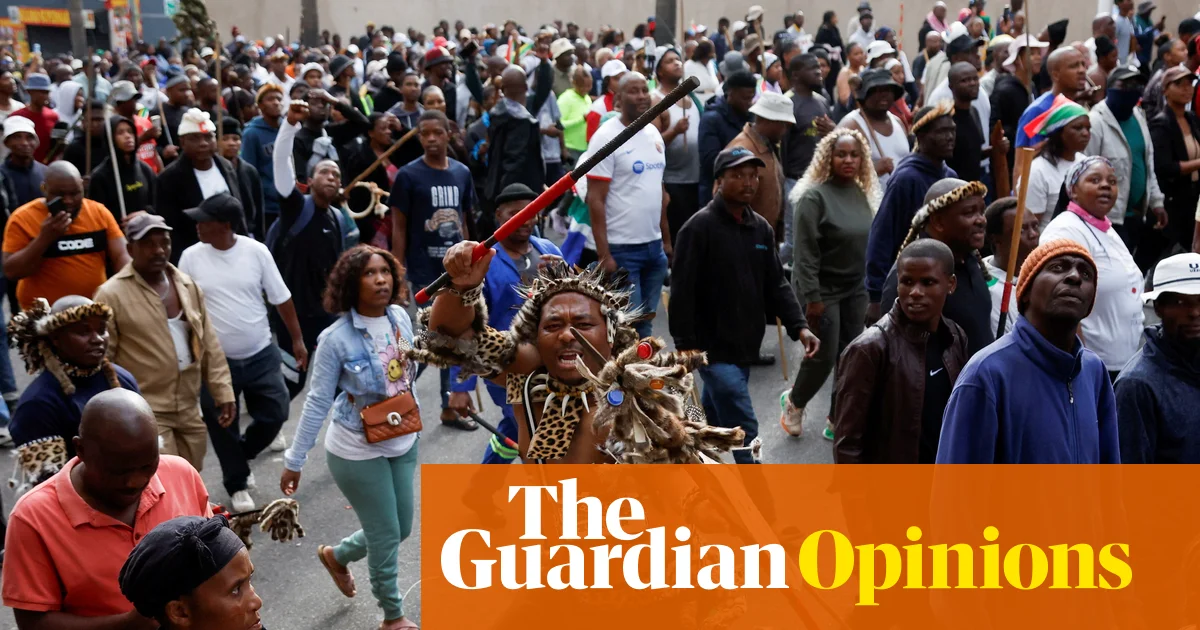
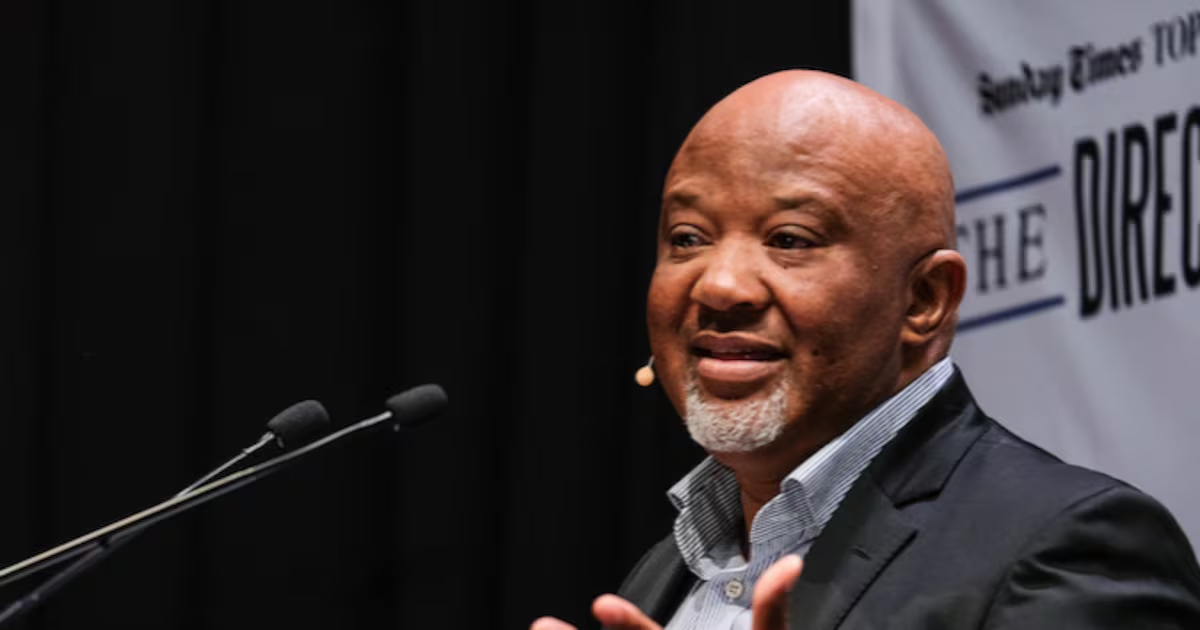
Mcebisi Jonas, MTN’s group chair, has issued a strong rebuke of xenophobia in South Africa, saying that blaming foreigners is a distraction used by politicians to hide deep-seated domestic and systemic failures.His comments came just days before a June 30 deadline issued by anti-illegal immigrant groups for undocumented foreign nationals to leave South Africa. The vigilante movement March and March, along with more than 20 allied organisations, has spent months organising marches through Johannesburg, Pretoria, Durban and Cape Town on Tuesday. President Cyril Ramaphosa has slammed suggestions of the deadline’s validity and warned against criminality, violence and destruction of property.Jonas, a former deputy finance minister, used the funeral service for Zimbabwean-born public servant Thokozani Damasane on June 20 to deliver his condemnation of the movement. He called for a return to a national consciousness that recognises South Africa “is nothing without Africa”, and that the country’s economic growth and future are inextricably linked to the rest of the continent.“Our growth as a country, economically, [and] our fortune is intertwined with the growth of Africa.”Jonas said divisions along ethnic, tribal and country lines had unnecessarily divided people on the African continent. “The tribe is a product of colonial powers. You would notice that it is so dominant in areas where the English conquered, because they use something called the principle of indirect rule. You’ve got to divide these people by psychologically enhancing the notion that one is different from the other.“That’s how the notion of tribe was born. It is probably the veil that covers and became a cover for ethnicity. So, tribalism is the greatest enemy that Africanism and Pan-Africanism has. And it is the greatest enemy that nationalism, as South Africans, will suffer as long as the tribe survives.”In addition to his former life in public service, Jonas’ words are weighted by his leadership of Africa’s largest mobile operator, a company whose success has been carried by its operations across the continent. He emphasised that removing foreigners will not solve South Africa’s deep crises.“Foreigners can leave tomorrow; inequality will be with us. Foreigners will leave tomorrow, drugs will be with us. Foreigners will leave tomorrow; our police will remain corrupt. Foreigners will leave tomorrow; our politicians will still be concerned with one thing: being elected and re-elected.”Jonas attributed the tension to the “failure of the state”, pointing out that the government was failing to manage immigration, borders, law enforcement and education, which was ultimately creating the friction.Read: Transnet says port driver rules not linked to illegal immigration crackdownWhen vulnerable citizens feel the economic brunt of structural failures, they become susceptible to self-serving politicians, he added.“When people feel the brunt they become vulnerable to politicians whose old self-purpose is to be elected and re-elected. Some of them have no credibility whatsoever, but they lead marches and tell our people that actually the problem is not us, it is foreigners.”Evoking the spirit of the deceased, he argued that “home is where humanity is” and that people should not judge others or determine their legal status based strictly on their origin.Damasane was born and educated in Zimbabwe before relocating to South Africa during the post-apartheid transition period. Jonas described him as having arrived “as an outcast” in a country still finding its post-liberation footing. Even then, the activist had committed to making South Africa his home. “As South Africans, we need — in the name of Damza — to understand that home is not that house where you were born. We cannot judge people by their origin. We cannot determine the legal status of people by their origin,” said Jonas.