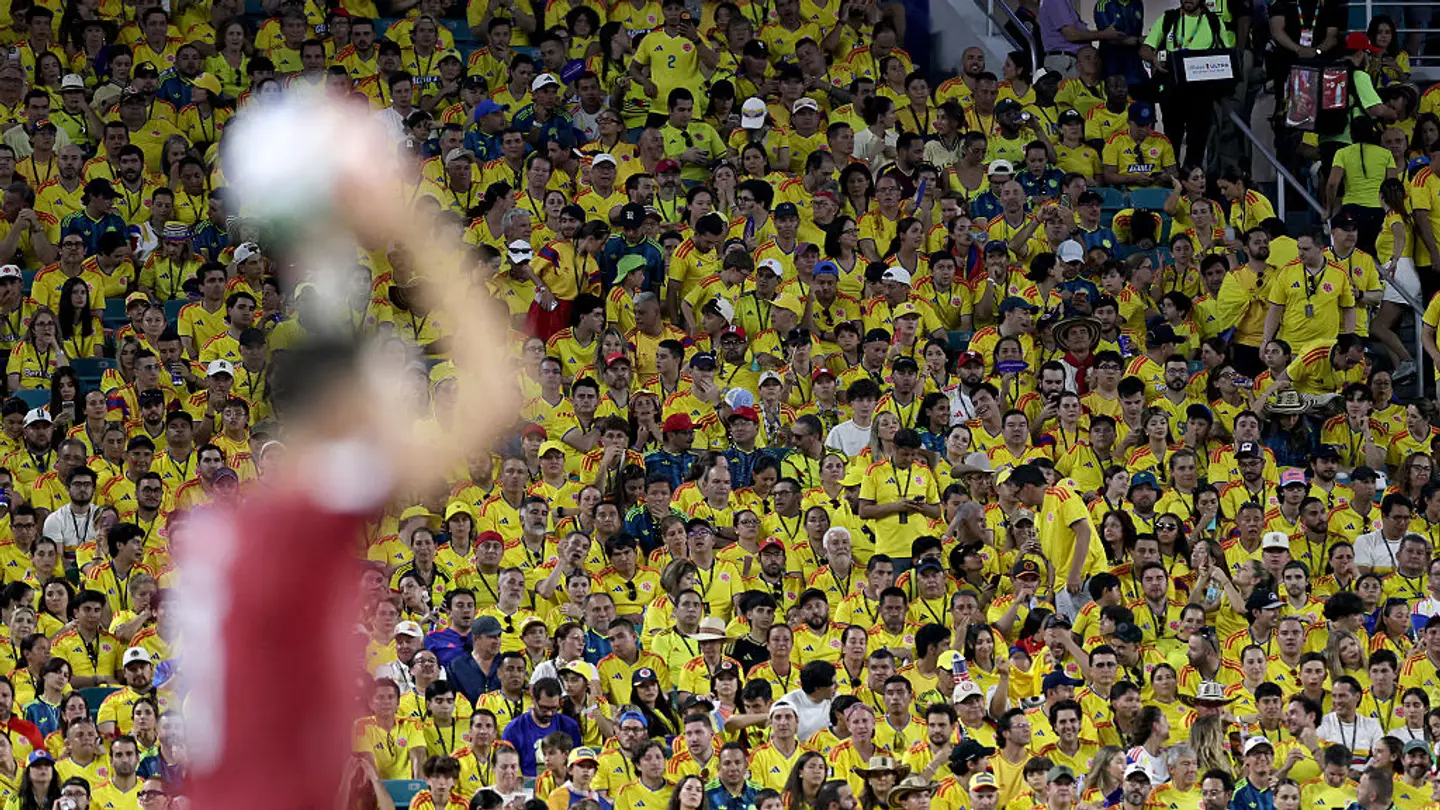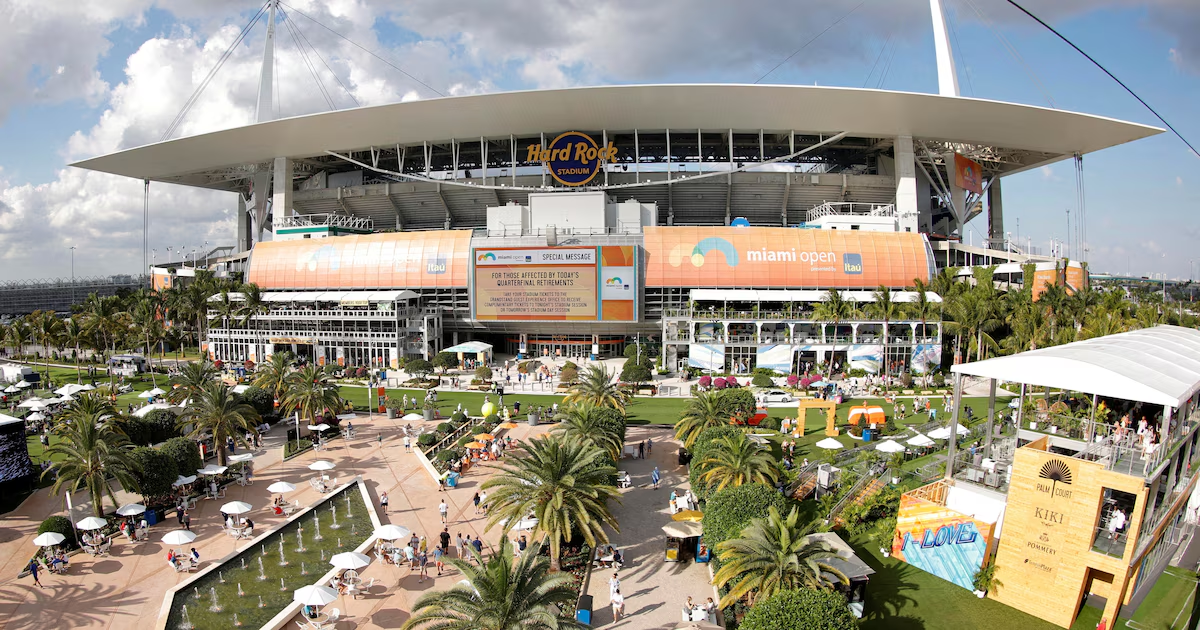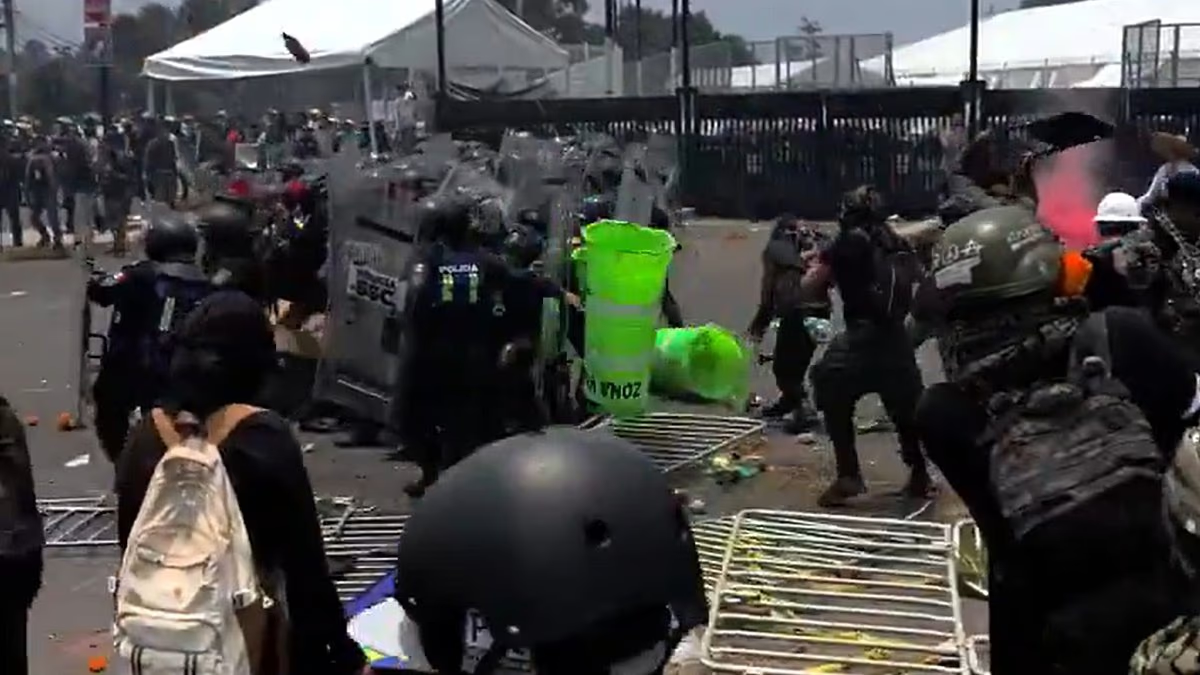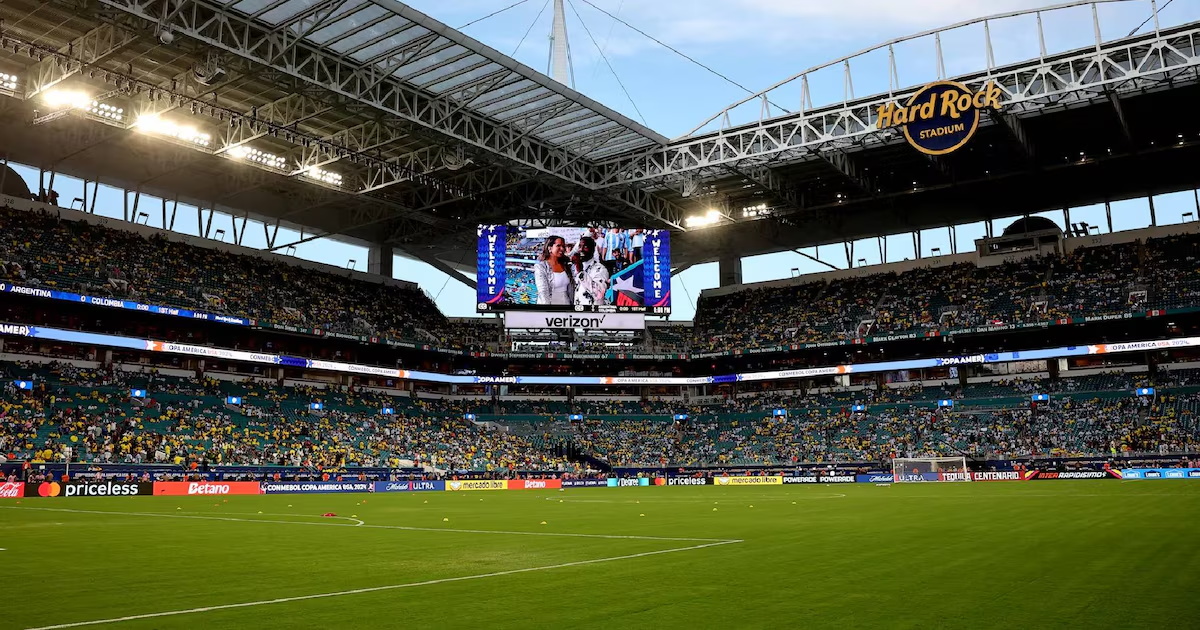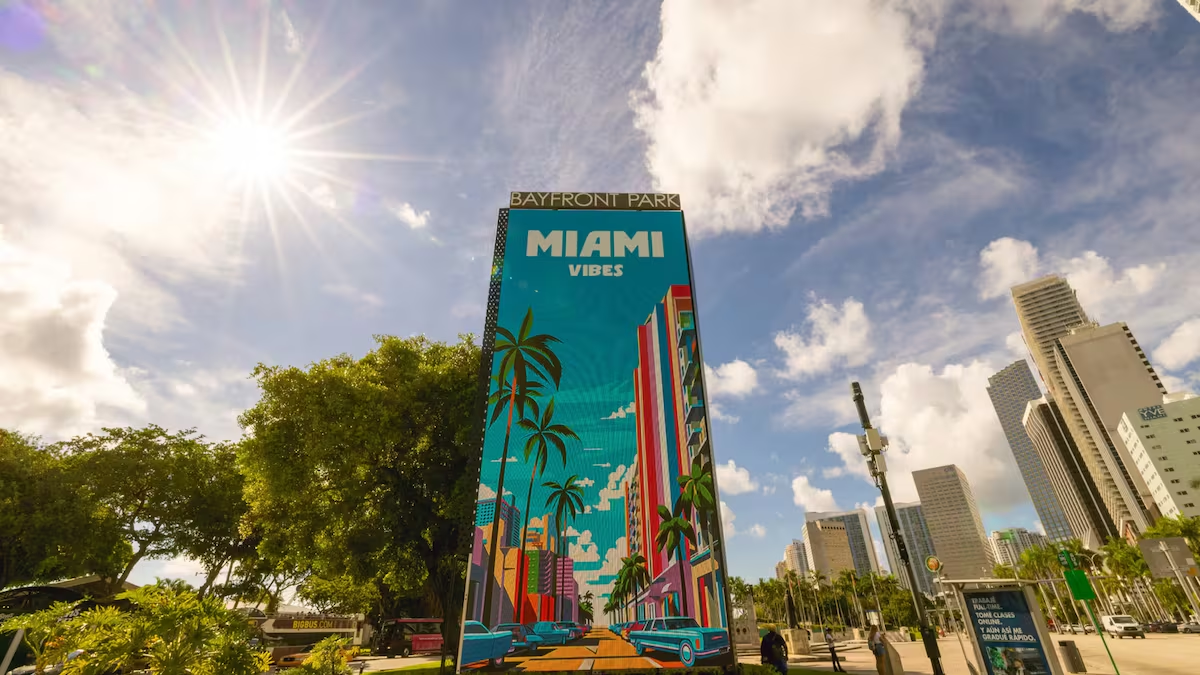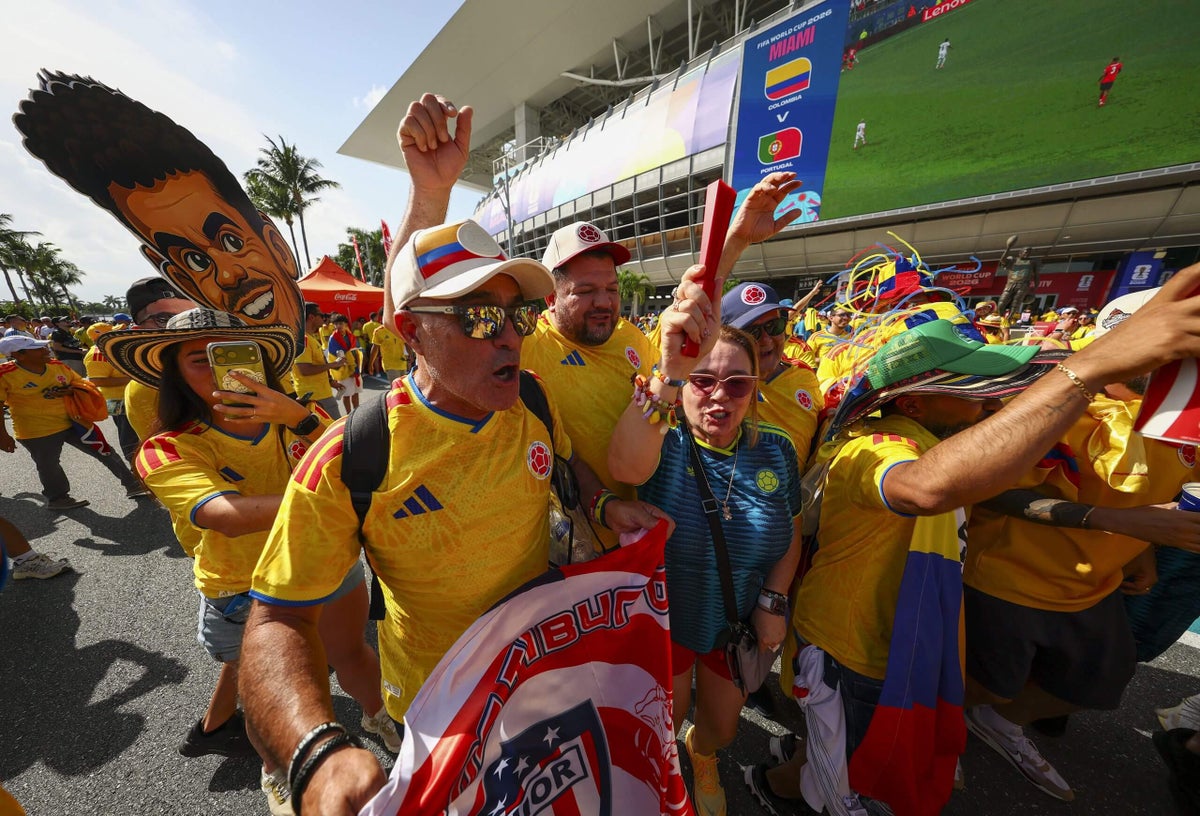
Not since the Copa America final defeat by Argentina in July 2024 had Colombia returned to the Hard Rock Stadium in Miami.That game is not remembered for Lautaro Martinez’s winner in extra time that sealed Argentina’s second Copa America triumph in three years, though.It was instead marred by chaotic scenes, as thousands of fans trying to enter the stadium before kick-off led to a crush and a shocking situation that came perilously close to ending in disaster.So, when the fixtures were announced for the World Cup group stage and it was determined that Colombia would be returning to Miami, where they would play Portugal, you could understand if some people were initially concerned about a repeat of the Copa America final.Get free access to the most comprehensive World Cup coverage in The Athletic app.To add to that, Colombia versus Portugal was the most-requested group-stage ticket of the tournament, with FIFA sources, speaking on the condition of anonymity to protect relationships, telling The Athletic more than 20million people signed up to buy one. The stadium’s capacity for the World Cup is 64,478.Following the terrible scenes and apparent lack of organisation for the Copa America showpiece, a competition overseen by CONMEBOL, world football’s governing body FIFA knew it would be under the microscope when it came to Miami Stadium.Notorious for being one of the more testing venues to get to and from, FIFA, in collaboration with local authorities, meticulously planned how tens of thousands of supporters would arrive and leave.Part of that plan included creating a ring of steel around the stadium by adding a third security perimeter. All World Cup venues have two security perimeters, but Miami, given its previous issues, has three.For the World Cup, Mexico City and Guadalajara are the only other two grounds with three checkpoints, and it includes a further visual check to ensure people have tickets.In Miami, these checks take place in the many car parks before supporters board shuttles to head to the stadium.Despite the planning and the drone flying overhead to ensure supporters were flowing through the checkpoints and turnstiles, this game between Colombia and Portugal — which finished in a goalless draw — was a major test, given the scale of interest in the fixture.For FIFA and the local authorities, it went as smoothly as they could have hoped for.Lionel Messi breaks another record | World Cup Daily BriefingMegan Feringa and Amitai WinehouseOne way they tried to mitigate similar scenes to the Copa America final was to make it nigh-on impossible for supporters without a ticket to get anywhere near the stadium.When the Miami Dolphins play at home during the NFL season, for example, there is a large tailgating area, where fans congregate hours before the game to eat and drink. It creates a great atmosphere, as it did before the Copa America final, but tailgating has been prohibited in Miami during the World Cup.The security perimeters mean that those without a ticket cannot enter the surrounding area, nor can supporters leave their vehicle in one of the car parks without a valid pass that is checked long before they enter the vicinity.For the Copa America final, you had a combination of people being very close to the stadium without a ticket and a tailgating scene, which eventually led to people trying their luck to rush the turnstiles to force entry.But for the World Cup, one of the car parks has been turned into a media centre, and the local authorities have been encouraging people to park much further away and catch a shuttle bus — sometimes in the form of yellow school buses — to the stadium.“I saw the disaster at Copa,” supporter Chris Eisenstark tells The Athletic before kick-off on Saturday night. “It was a s***show. I was aware of that, so we left West Palm Beach and drove down early just to make sure we had plenty of time.“We got to the Hard Rock Hotel at 4pm, paid $40 (£30) for parking, and we were on a bus no later than 4.15pm.”The only delay to Eisenstark’s journey, he says, was getting “stuck” on the Turnpike for a “few extra minutes” as Portugal’s team bus drove past with a police escort, which meant the road had to be closed briefly.As each car entering the security perimeter is checked for a pass, the process can be relatively slow, and even more than three hours before kick-off, there was a long queue of vehicles waiting to get in.Paolo Mondini and his father left their house at 2.30pm to catch one of the free shuttle buses from Golden Glades and the only issue they encountered was standing under the intense heat as they waited to board one of them to the stadium.“They had a lot of buses, and four hours before the match is when the buses started rolling,” Mondini told The Athletic. “There must have been around 15-20 buses ready to go when we got there.”His father mentioned how they attend plenty of NFL games at Hard Rock and also had tickets for the most recent Super Bowl there (2020), yet he had never seen the kind of law enforcement presence he did for the Portugal-Colombia match.Santiago Foreo, a Colombian who managed to win the lottery for one of the $60 tickets, arrived just over an hour before kick-off, but said he sailed straight through the multiple ticket checks, which started before he even boarded the shuttle bus to take him to the stadium.“It was very organised,” Foreo said of the process. “I still need to figure out how to get out, but the people here are very friendly and helpful, so I am not expecting it to be an issue.”Fans were able to enjoy the build-up to Colombia vs Portugal amid a calm atmosphere around the stadium (Megan Briggs/Getty Images)Another way FIFA and the local authorities avoided non-ticket holders congregating around the stadium was by having the fan festival at Bayfront Park in downtown Miami, more than 15 miles away from the stadium.Although there are no strict guidelines on where the fan festivals are located in the 16 host cities for the World Cup, and locations largely depend on the options available, it is viewed as preferable if they are further out.By the time both teams had walked out for the pre-match ceremony on Saturday, the stadium was full. There were no large pockets of empty seats that would indicate entering through the turnstiles was taking longer than it should.Importantly, supporters leaving the stadium at full time were met by long lines of coaches waiting to take them back to their off-site car parks or to other destinations in the city, which prevented thousands of fans from congregating outside the venue for a long period of time.There are now just three World Cup fixtures remaining at Miami Stadium, starting with Argentina’s round-of-32 match against Cape Verde on July 3. It will then host a quarter-final on July 11 and the third-place game on July 18.The fanfare that follows Lionel Messi and Argentina will likely make for another busy night for FIFA and the local authorities, but in the four matches they have overseen so far, including the highest-requested fixture of the group stage, the plans in place are working, and the message will be that there is no room for complacency.
After Copa America final chaos, this is how Hard Rock Stadium issues were fixed for the World Cup
The scenes in 2024 raised serious questions about fan safety in Miami at the World Cup — but lessons appear to have been learned
1,222 words~6 min read