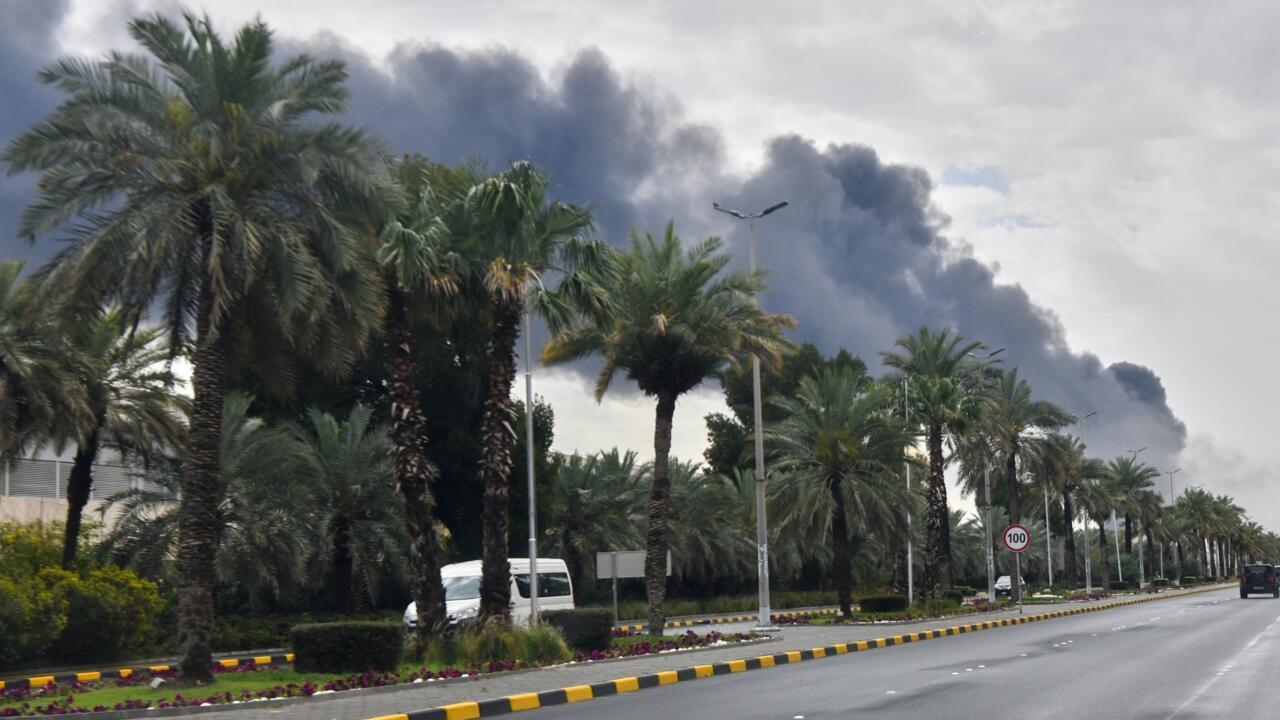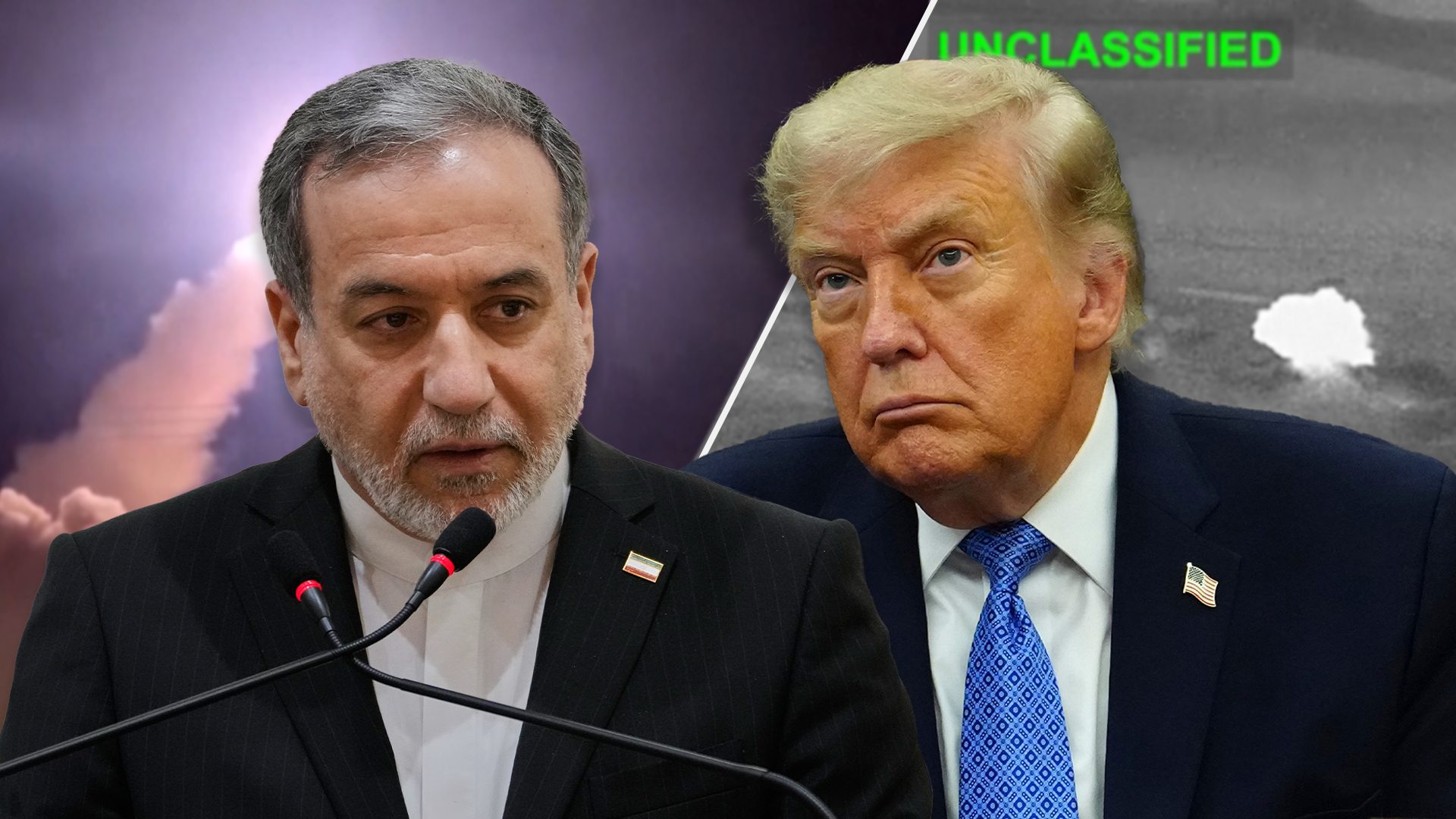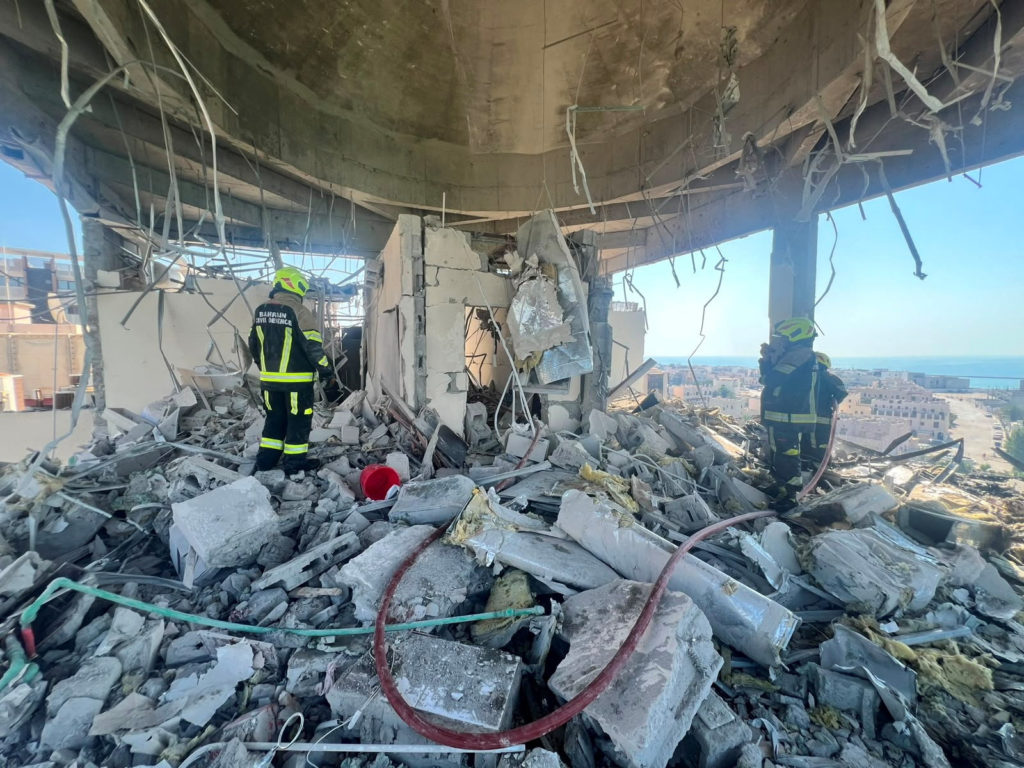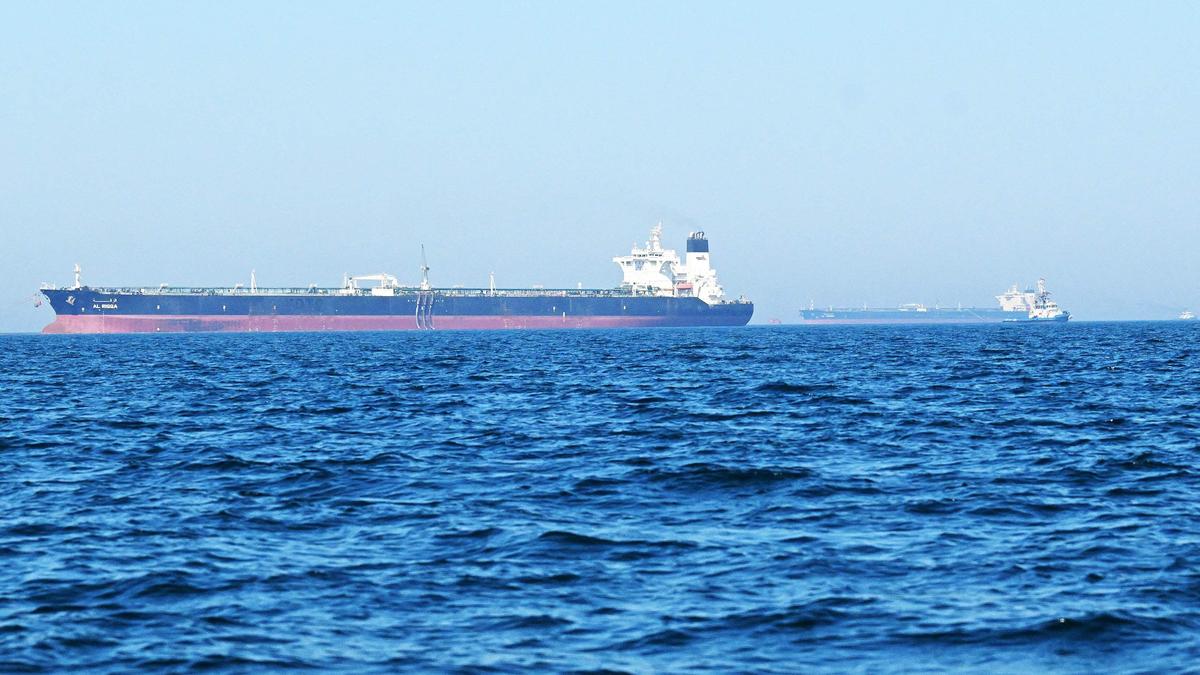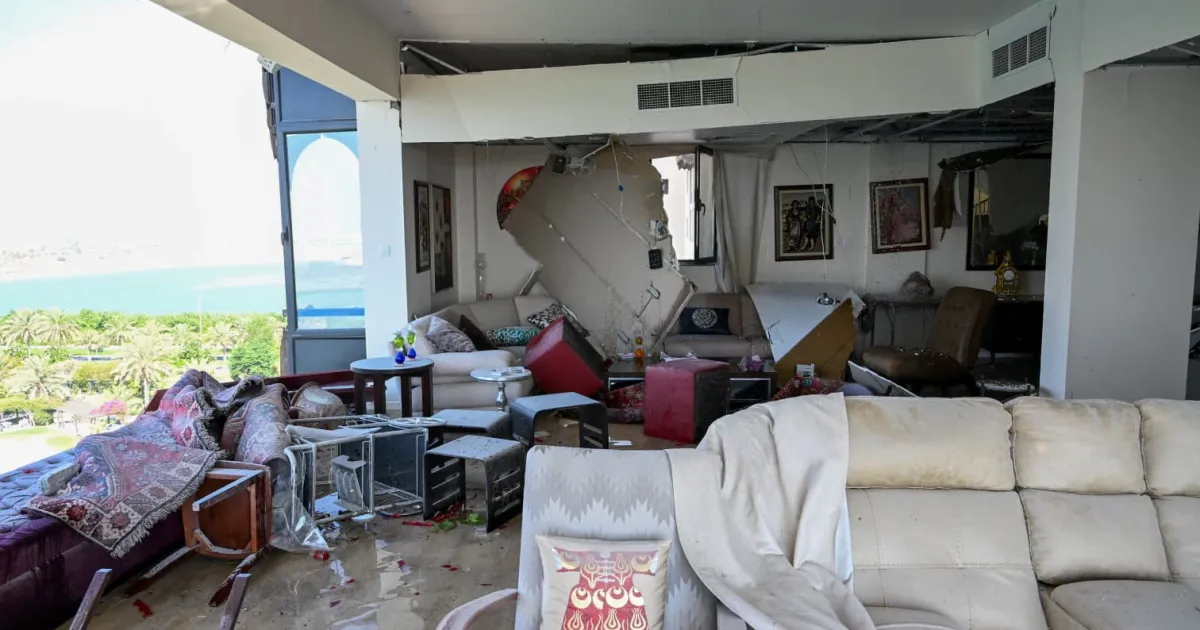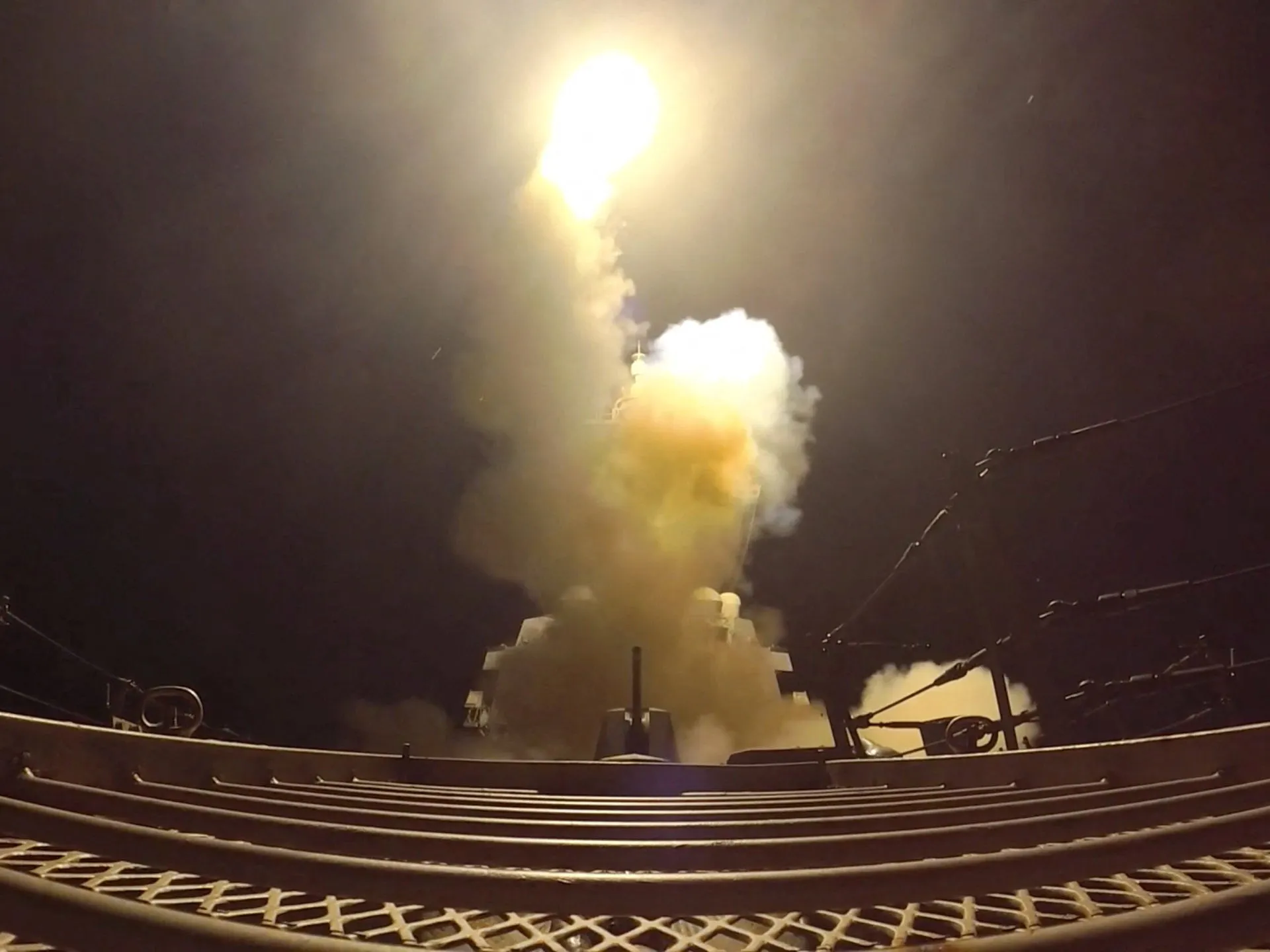
Iran has launched attacks on Bahrain and Kuwait after the United States struck five Iranian targets, escalating tensions and threatening the fragile ceasefire agreed by the two sides earlier this month.The Islamic Revolutionary Guard Corps (IRGC) confirmed the attacks on Sunday, saying it launched ballistic missiles and drones at the US Ali Al Salem airbase in Kuwait and the US Fifth Naval Fleet at Port Salman in Bahrain.Recommended Stories list of 3 itemslist 1 of 3South Africa’s Broos smiles and snarls before Canada World Cup showdownlist 2 of 3Serbia’s President Aleksandar Vucic says will resign within ‘weeks’list 3 of 3Between English and mother tongue: Kenya’s education language dilemmaend of listBahrain condemned the attacks, saying they violated its sovereignty and undermined “opportunities for de-escalation and stability in the region”, while Kuwait described the “repeated heinous Iranian aggressions” as a “flagrant violation of its sovereignty”.The US military hit Iran’s Sirik, Bandar-e Lengeh and Qeshm Island on Saturday. US Central Command (CENTCOM) said its navy and air force “conducted strikes tonight on 10 Iranian military targets at multiple locations in and near the Strait of Hormuz”, saying the attacks were a response to an Iranian drone attack on the Kiku oil tanker.It said the Panama-flagged vessel was carrying more than two million barrels of crude oil when it was attacked as it transited near the strait early on Saturday.Iran’s Ministry of Foreign Affairs also “strongly” condemned the latest US strikes on the country’s southern coast, calling them “brutal attacks” that violate the ceasefire outlined in the MoU.“We are seeing a pattern. Since the memorandum of understanding was signed in Switzerland last week, this is the second time these two parties are engaging militarily,” said Al Jazeera’s Resul Serdar Atas, reporting from Tehran, Iran.He said both countries now face a dilemma.“For the United States, keeping the Strait of Hormuz is extremely important for global stability, for the price of oil, and, of course, to diminish tensions that are rising in the Gulf countries as well,” Atas said.For Iran, however, the Strait of Hormuz is “almost the only leverage that Iran has in the ongoing negotiations. And Iranians believe if they allow the country to be bypassed, then they’re going to lose their biggest leverage, and it’s going to significantly weaken the Iranians’ hand at the negotiating table”, he added.‘Blatant violation’Qatar condemned the attacks on Bahrain and Kuwait and stressed the need to “spare the region the consequences of unjustified attacks”.The United Arab Emirates said the attacks on Kuwait and Bahrain had constituted a “blatant violation” of their sovereignty and were a “threat to their security and stability.”Echoing the condemnation, Jordan called the attacks a “dangerous escalation, and a blatant breach of international law and the United Nations Charter.”Oman’s foreign ministry said that it “renews its rejection of all actions that threaten the security and stability of the region, calling for restraint and prioritising dialogue and diplomacy in a manner that contributes to containing the escalation and enhancing regional security and peace.”Meanwhile Ro Khanna, a Democratic congressman, says the US military’s strikes on Iran “are a blatant violation of the War Powers Resolution” that Congress passed this week.“Trump must stop this war now – or we will take him to court to compel him to do so,” he said.Strait of HormuzThe weekend attacks come after the US struck Iran on Friday following drone attacks on vessels near the Strait of Hormuz.The Singapore-registered Ever Lovely container ship was hit by a drone on Thursday. No injuries were reported. The US responded by hitting locations near Sirik, while Iran responded by attacking US military locations in the region.Iran has said vessels transiting the strait can only use its designated route and warned that ships using any other routes would be violating the ceasefire agreement.The International Maritime Organization suspended its plan to evacuate ships stranded in the strait on Thursday after the attack on the Ever Lovely.President Donald Trump said late on Saturday that Tehran had violated the ceasefire agreement, which was signed on June 17.“There may come a point when we are no longer able to be reasonable, and will be forced to militarily complete the job that we very successfully started,” he posted on social media. “If that happens, the Islamic Republic of Iran will no longer exist!”Iran’s Ministry of Foreign Affairs condemned the US strikes on its monitoring and surveillance facilities on its southern coast. It said the “brutal attacks” were in violation of the Memorandum of Understanding (MoU) and the United Nations charter.It added that they showed the US “does not place the slightest value and credibility on its commitments” and said Iran would defend its sovereignty and territorial integrity against “US military aggression”.Speaking in Iraq on Sunday, Iranian Foreign Minister Abbas Araghchi said that “the Strait of Hormuz remains under the total oversight and management of Iran throughout the 30 coming days, and after all obstacles are removed, the total capacity of the waterway will be restored.”“Any new developments will result in exacerbating the situation, and also delaying the opening of the strait. It will also raise the levels of escalation,” he added, warning that no other party should interfere. He called for all parties to honour their obligations under the MoU, otherwise it will derailed.”Agreement under strainThe MoU signed by the US and Iran extended a ceasefire in their war that began with US-Israeli attacks on Iran on February 28, giving both sides 60 days to negotiate an end to the fighting.Access through the Strait of Hormuz is a key element of the MoU. During the war, Iran blocked the waterway through which about 20 percent of the world’s oil passes, triggering a global energy crisis.Article 5 of the MoU states that Iran will “make arrangements using its best efforts for the safe passage of commercial vessels” through the strait during the 60 days. It states that Iran and Oman, along with other Gulf states, will discuss the future administration of the strait.Hassan Ahmadian, an associate professor at the University of Tehran, says the attacks could set off a domino effect of strikes between the US and Iran.“I think we’re up for escalation because, obviously, the Iranians will retaliate,” he told Al Jazeera.Ahmadian argued that Article 5 of the MoU says that “Iran will make the arrangements for the safe passage of commercial ships” for 60 days, and afterwards, it will be “Iran and Oman that will make the arrangements”.
Iran and US trade attacks as Strait of Hormuz ceasefire falters
Iran says it launched missiles and drones at US bases in Bahrain and Kuwait after fresh US strikes on its southern coast
TL;DRAI
Iran ha lanciato missili balistici e droni su basi USA a Kuwait e Bahrain dopo che Washington ha colpito 10 obiettivi iraniani nel fine settimana, violando la tregua firmata il 17 giugno. La crisi minaccia il controllo dello Stretto di Hormuz (attraverso cui passa il 20% del petrolio mondiale) e impatta business continuity, supply chain energy e costi infrastrutturali per aziende tech con operazioni nel Golfo Persico.
1,068 words~5 min read