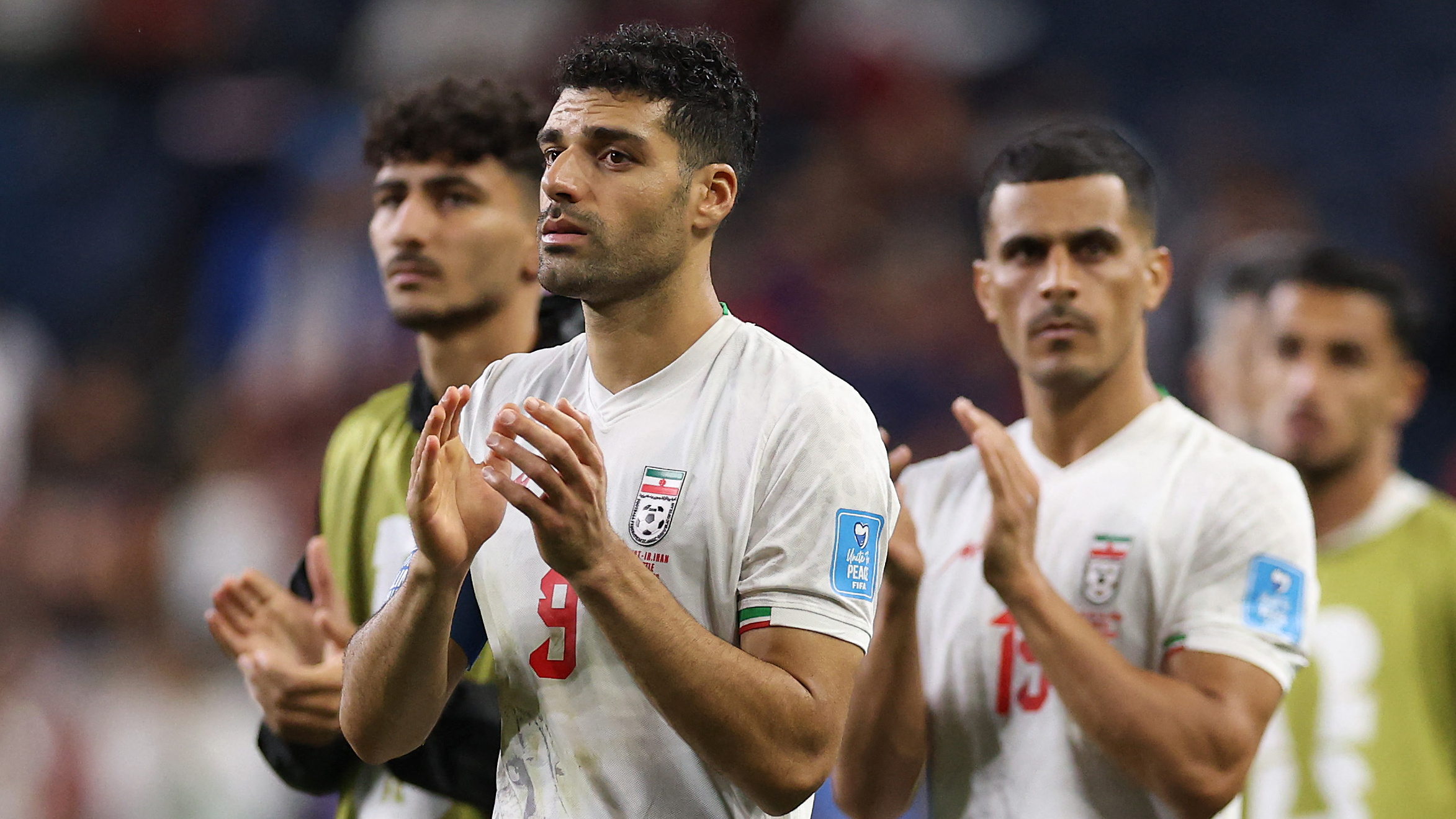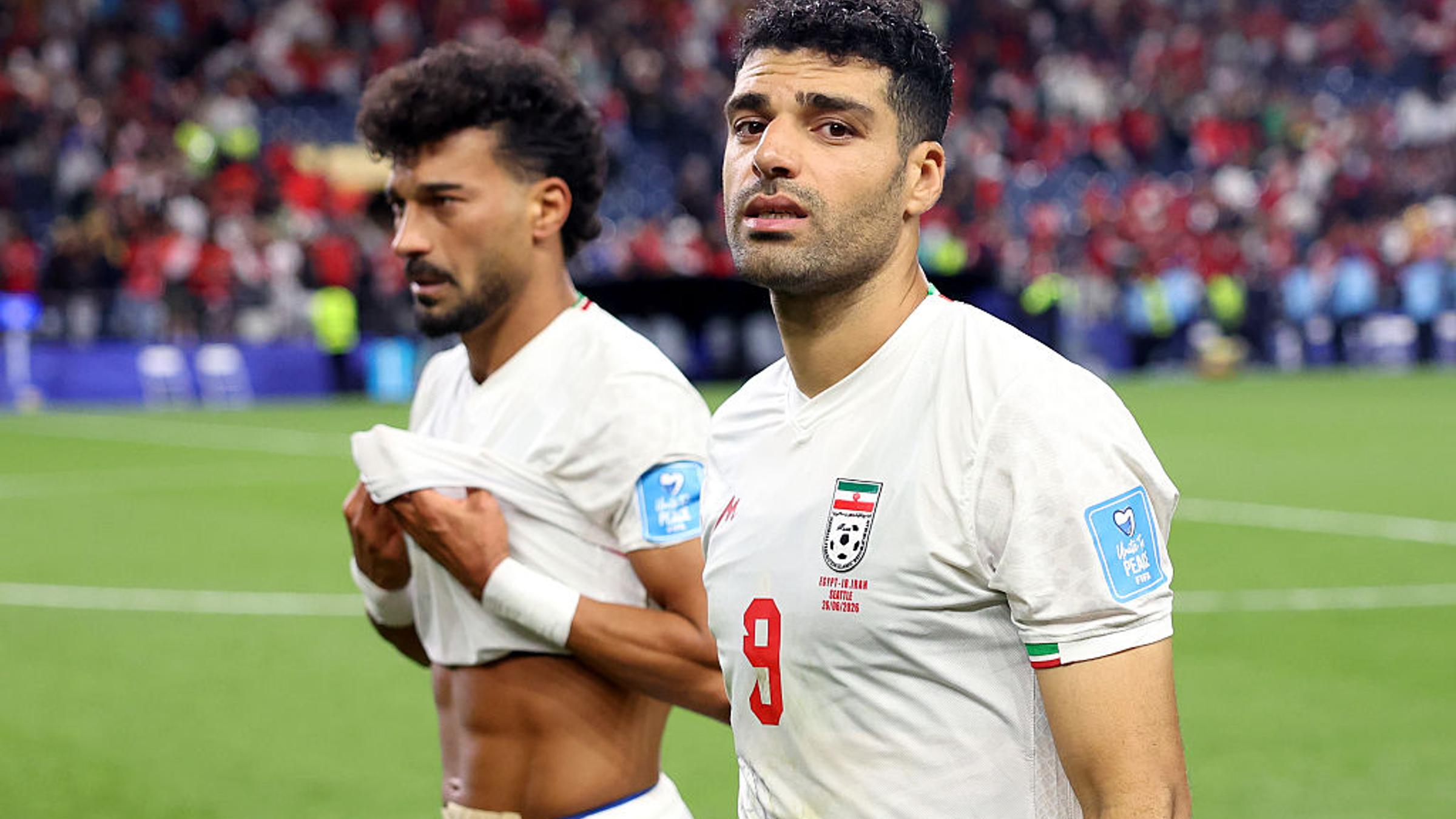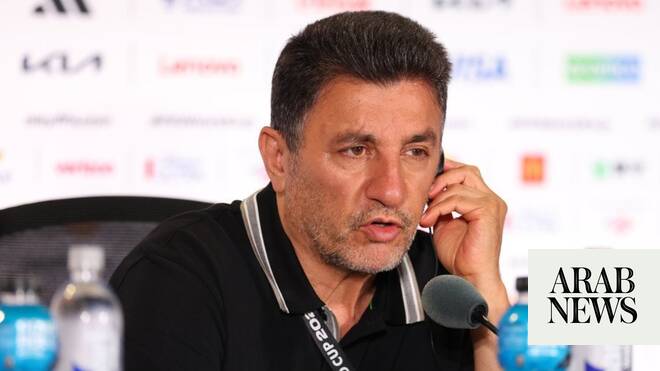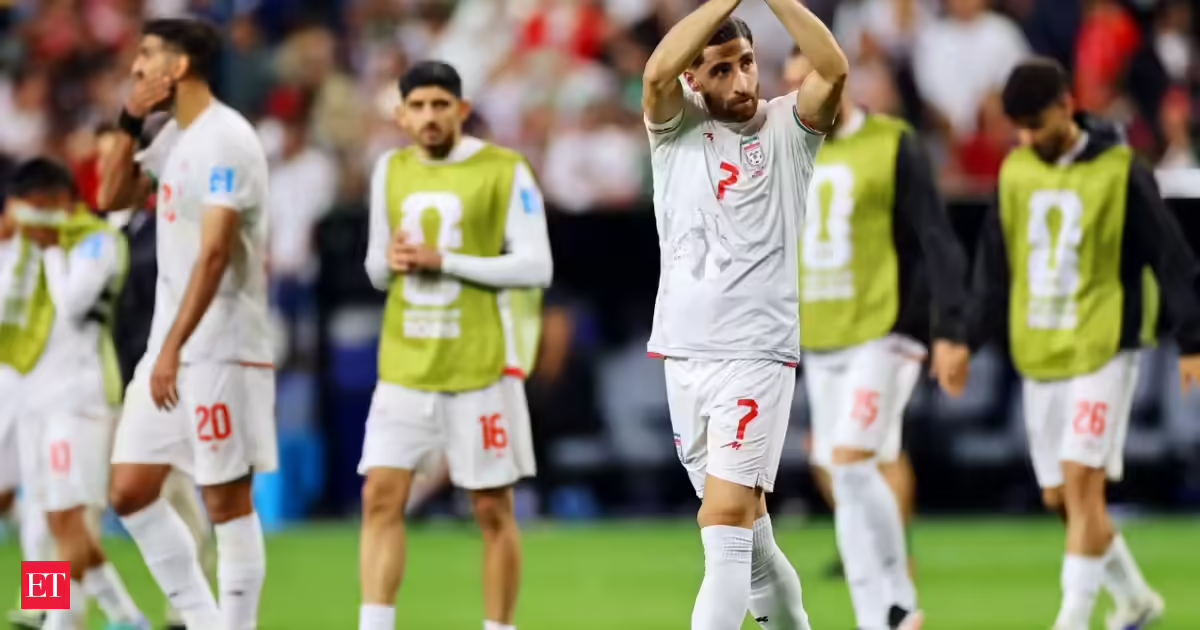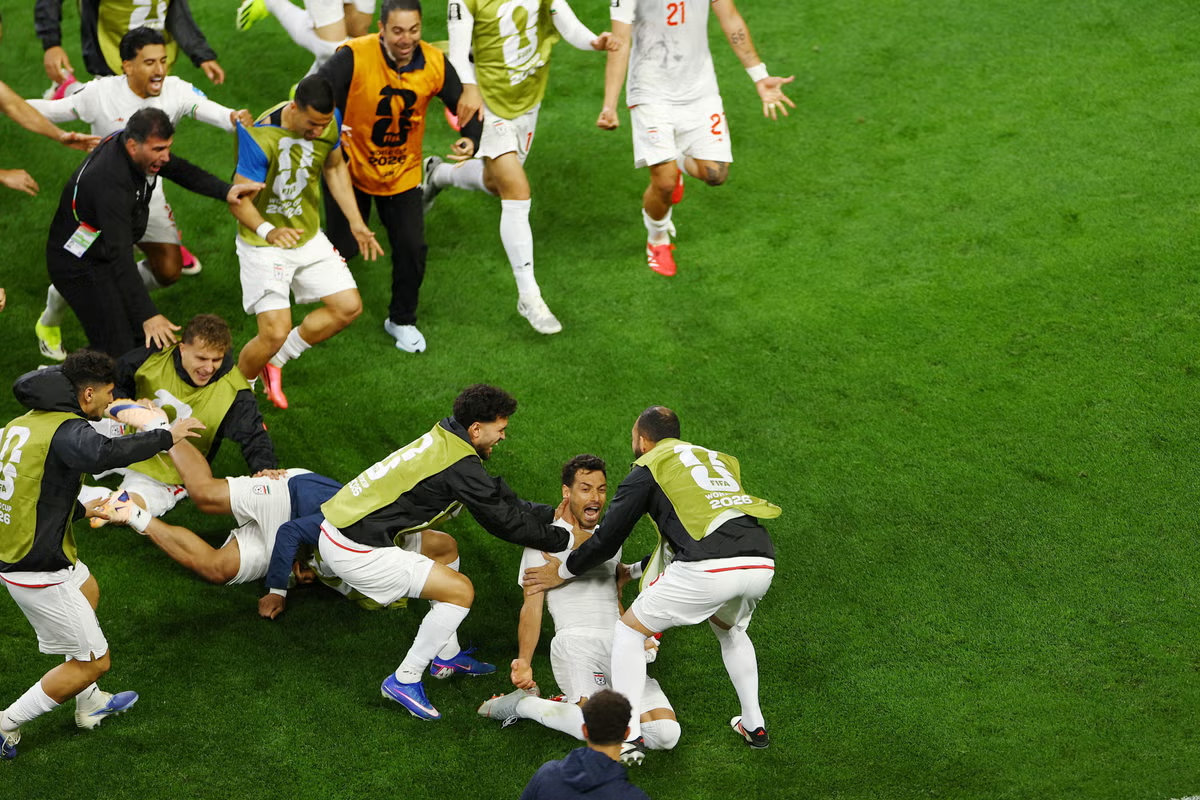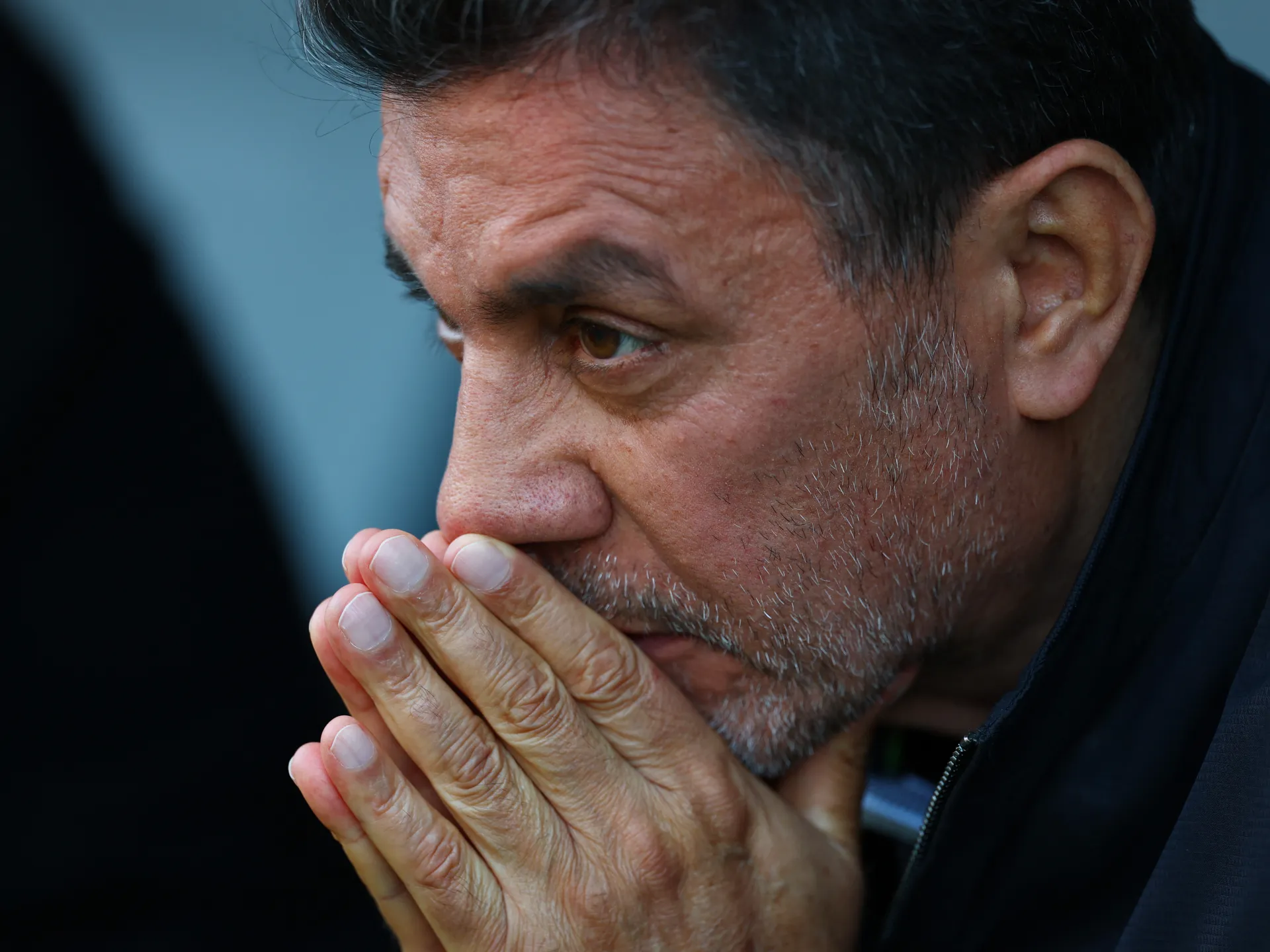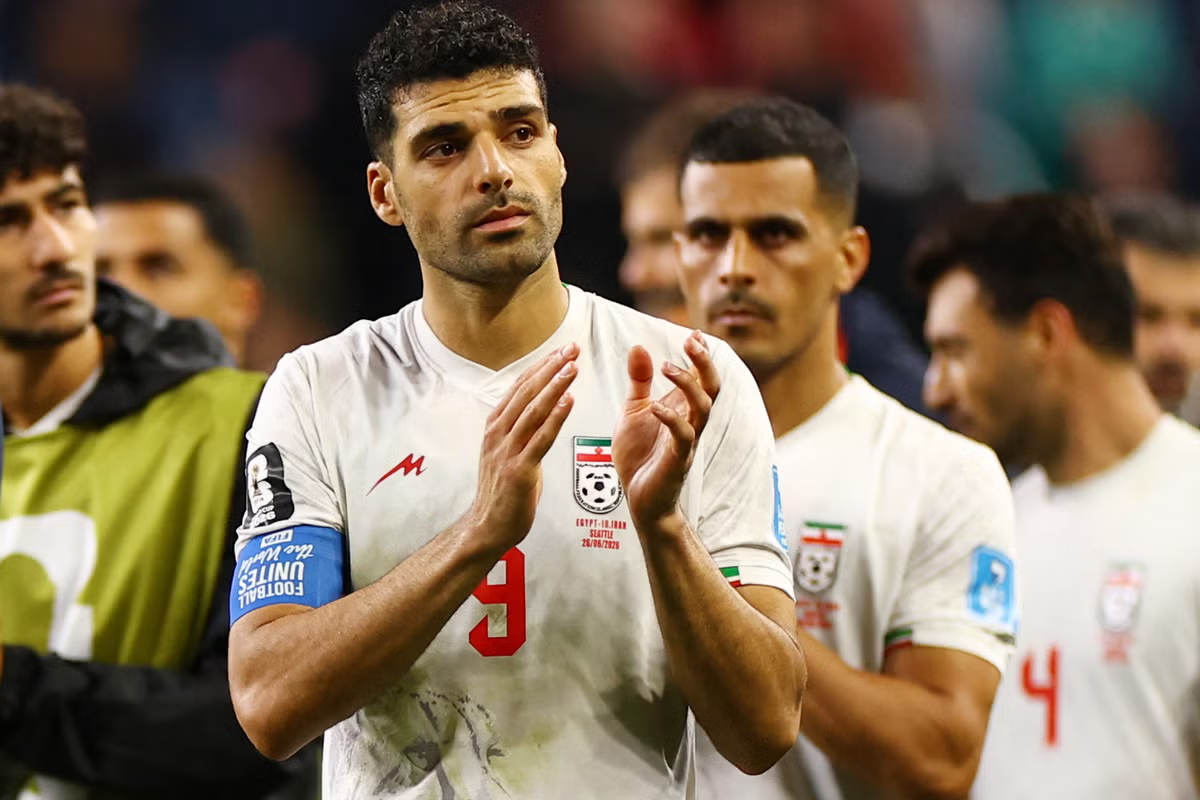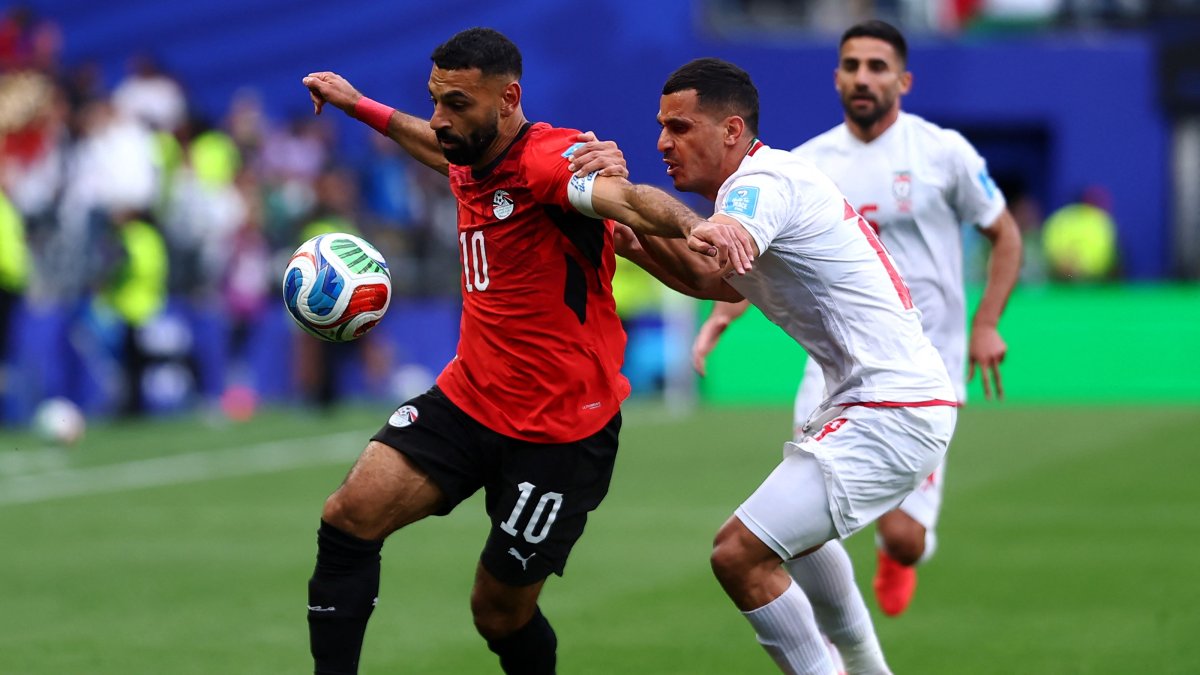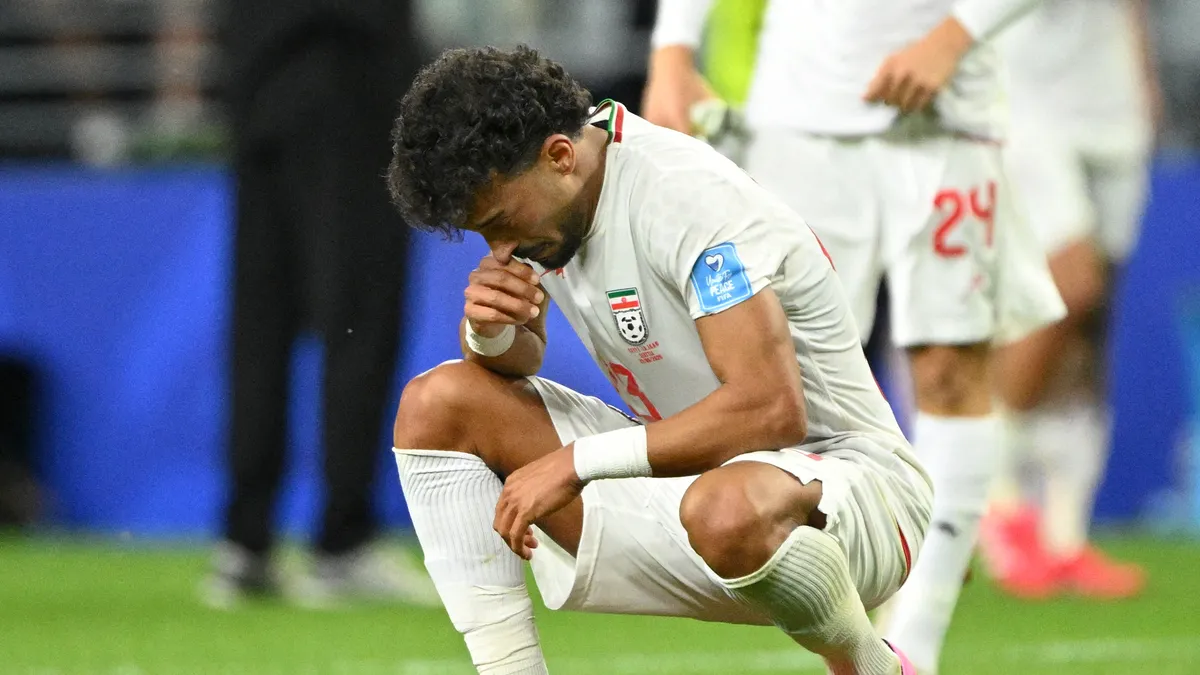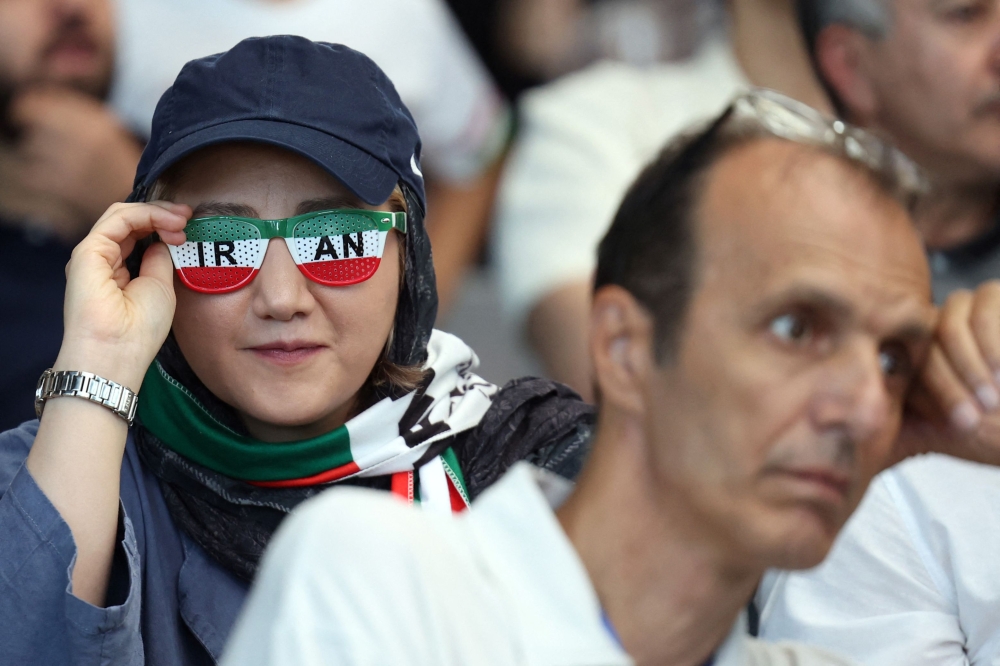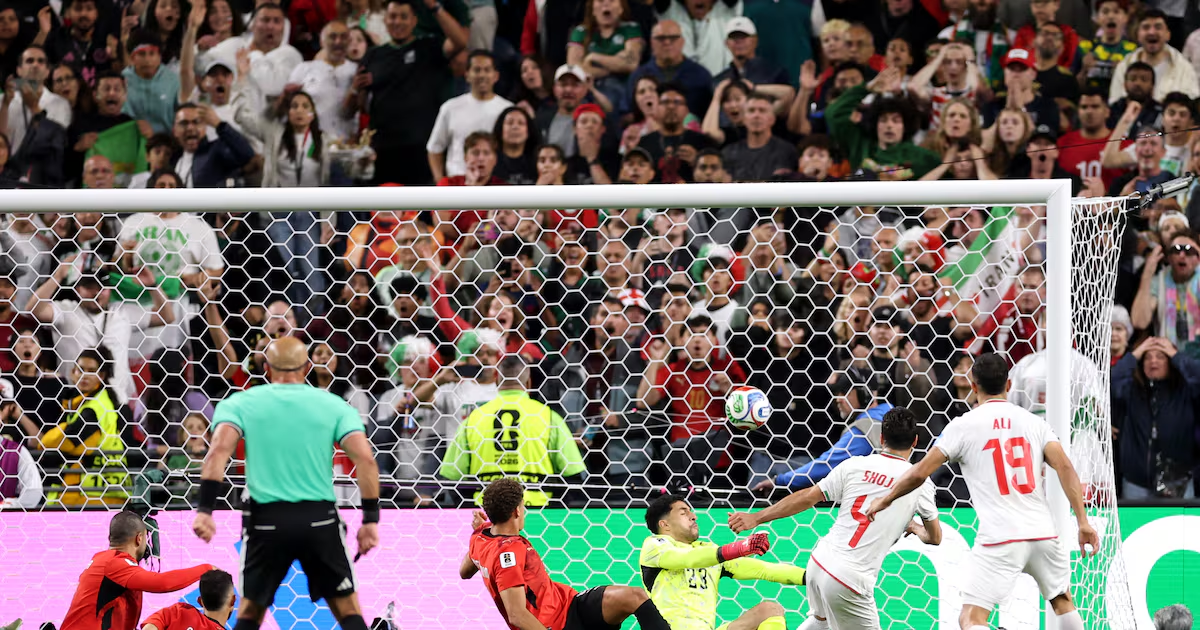
Their final appearance illuminated the complex and sometimes contradictory impulses of sport and politics and national identity Shoja Khalilzadeh of Iran scores a goal against Egypt at Seattle Stadium that was ruled offside following a VAR review. Photograph: Richard Heathcote/Getty Images Sun Jun 28 2026 - 15:23 • 6 MIN READIran crashed out of the World Cup on Saturday night, ending their politically incendiary and ultimately luckless visit to the United States, and leaving in their wake the lingering shame of substandard treatment by Fifa and the Trump administration.Their tournament ended not because of the extraordinary finale to their match against Egypt in Seattle on Friday night, when their injury-time winning goal was ruled out after a VAR check, but because of a sensational, unforgettable sequence of events in Arrowhead Stadium in Kansas City.By seven o’clock on Saturday night, the possible permutations that would have facilitated Iran’s safe passage through to the knock-out phases had narrowed to the necessity of a clear winner in the evening kick-off between Group J contenders Austria and Algeria.Both of those countries knew that a draw of any type would see them both through. The tie carried uneasy echoes of the distant but indelible World Cup stain left by the “Disgrace of Gijón” in 1982, when West Germany and Austria, after the former scored an early goal, reached a gentleman’s agreement on the field and stopped attacking, knowing that the 1-0 scoreline would see them both through. Algeria, who topped the group at the start of that match, were eliminated by full-time.There were fears that this encounter would be marred by similar rank cynicism. But there was to be no Kansas compromise. Twice Austria took the lead. Twice Algeria levelled it. In the final 10 minutes, Austria’s outfield 10 sat deep as the Algerians played the ball harmlessly around the periphery, but the passivity generated loud booing, presumably from the KC neutrals in the crowd of 69,000.Then, the Algerians played two decisive passes which stunned the Austrians as the ball found Riyad Mahrez. The former Manchester City star scored his second of the night. With 92 minutes gone, Austria were suddenly out and Iran were going through in a manner that seemed fated. Seventy seconds later, Austria had equalised through substitute Sasa Kalajdzic, to riotous celebration. Iran, watching from their base – or exile – in Tijuana, were done.So, Iran’s final appearance at this tournament was in that Friday night game in Seattle, an occasion which illuminated the complex and sometimes contradictory impulses of sport and politics and national identity. As thousands of Iranian and Egyptian supporters streamed into Lumen Stadium, the main boulevard was dominated by a protest against the Islamic Republic of Iran’s regime.Austria's Sasa Kalajdzic heads the ball to score his team's third goal during the match between Algeria and Austria at the Kansas City Stadium on Saturday. Photograph: Juan Mabromata/AFP via Getty Images Hundreds of protesters were draped in the old, pre-revolutionary flag of the Iranian kingdom and held placards reminding the fans that tens of thousands of Iranian citizens had been killed by the Islamic Revolutionary Guard Corps during the January protests. Four professional football players are known to have been among those killed, the youngest of whom, 17-year-old Rebin Moradi, was, according to his father, shot from behind by the regime’s force.“We’re not going to the game. We just want to use this opportunity to tell the world that this is our national flag, and this is not our national football team,” one of the protesters, Ali Asadi, told The Irish Times.“Because these players, they were chosen by the government just because they supported government. We have way more talented football players who could be here – 40,000-plus people got tortured, murdered and we are here for them.”[ Donald Trump says Iran should not play in World Cup for their ‘life and safety’Opens in new window ]Asadi has lived in Canada for more than 20 years. Like many Iranian exiles, he has family in the old country. He believes that at least 80 per cent of Iranians are against the regime and is sceptical at the suggestion that some of the players on the national squad might be playing while privately loathing the barbarism of the Islamic Republic towards its people.“I doubt it. If they were not actually supporting the regime they wouldn’t be there. There were only two players who did not support the regime and they got kicked out. Our goalkeeper got jailed and the other was a forward who played in Russia [Sardar Azmoun] and he got kicked out and they called it an injury.”Azmoun, arguably Iran’s most gifted player, was dropped from the squad last month after a social media post reportedly angered the Islamic government in Iran.But how, then, to explain the thousands of Iranians filing past us on their way to enjoy a football match and cheer their national team?A soccer fan holds a protest sign aloft during a watch party in Seattle for the match between Iran and Egypt on Friday. Photograph: Mathieu Lewis-Rolland/Getty Images “Well, there is a little bit of a grey area here,” Asadi said. “They are still supporting the national flag that we believe in and they still want to support the national football team and go crazy if they score. But apart from that I think most people are against the regime.”Nearby, Mehrdad Moini said that he has lived in Seattle since he was a schoolboy in the 1970s, after his parents sought asylum in the United States following the revolution. He, too, is adamant that the football team is a symbol of the supreme leader’s brutal oppression.“There is always a choice. You can always say no. And then you have to live with the consequences.”While the Trump administration’s rash attack on Iran remains deeply unpopular among Americans, Moini said that he supported the bombings in Tehran.“I appreciate what Trump did because he was the first president who actually took action after 47 years of this. Unfortunately, he stopped short. This whole [peace] deal stinks to the heaven and they need to finish the job and deliver the promise to the 40,000 who were killed because of the US encouragements to go out on the street.“And another thing that fell short was that they were supposed to arm the people in Tehran. If the Iranians were armed they would go out and do that themselves. But you can’t fight a regime that has guns and will use them for any reason. People are getting executed for anything ... for owning a satellite dish – they just executed a father of two for having a satellite dish. If you hear of some of the atrocities – they actually went into hospitals and shot the wounded in the head.”Moini related further horrific stories against the backdrop of celebratory stadium energy. Irrespective of what the Iran national team says about the Islamic Republic, their presence at this World Cup has reminded the watching world of the enduring suffering of millions of Iranians over the 40-year rule of the regime.Soccer fans protest against Iran's regime near the entrance of Seattle Stadium on Friday. Photograph: Mathieu Lewis-Rolland/Getty Images And there have been few more vivid examples of the grim and inevitable confluence of sport and politics. Thousands of Iranian Americans who loathe this regime were still emotionally drawn to the efforts of their national team over three extraordinary weeks when they were treated with open hostility by the US government, forced to accept different travel arrangements by Fifa, made to feel unwelcome and yet won the crowd over by playing their hearts out. Within the context of the football tournament, the Iranians were treated disgracefully.[ Iran’s emotive World Cup opener was a compelling human dramaOpens in new window ]They exit the tournament unbeaten and came within seconds of realising what would have been a historic World Cup moment when Shoja Khalilzadeh hammered home that injury-time goal in Seattle.“I don’t like to complain,” Khalilzadeh had said on Friday night when invited to comment on the fact that rather than recover, the Iranians had to immediately fly out of the United States to their base in Tijuana. “I don’t like that. Because God sees everything – everyone knows what is happening.”Their manager, Amir Ghalenoei, seemed to sense that events would conspire against them.“What these young people did will be written into history. I used to think we were an oppressed team,” he remarked on Friday night. “But I note we are also an unlucky team.”After the wild finale in Kansas City, that much is indisputable.IN THIS SECTION
Iran’s World Cup adventure ends in a flurry of bad luck and disgraceful treatment by hosts
Their final appearance illuminated the complex and sometimes contradictory impulses of sport and politics and national identity
1,433 words~7 min read