Geopolitical tension highlights the need for risk intelligence
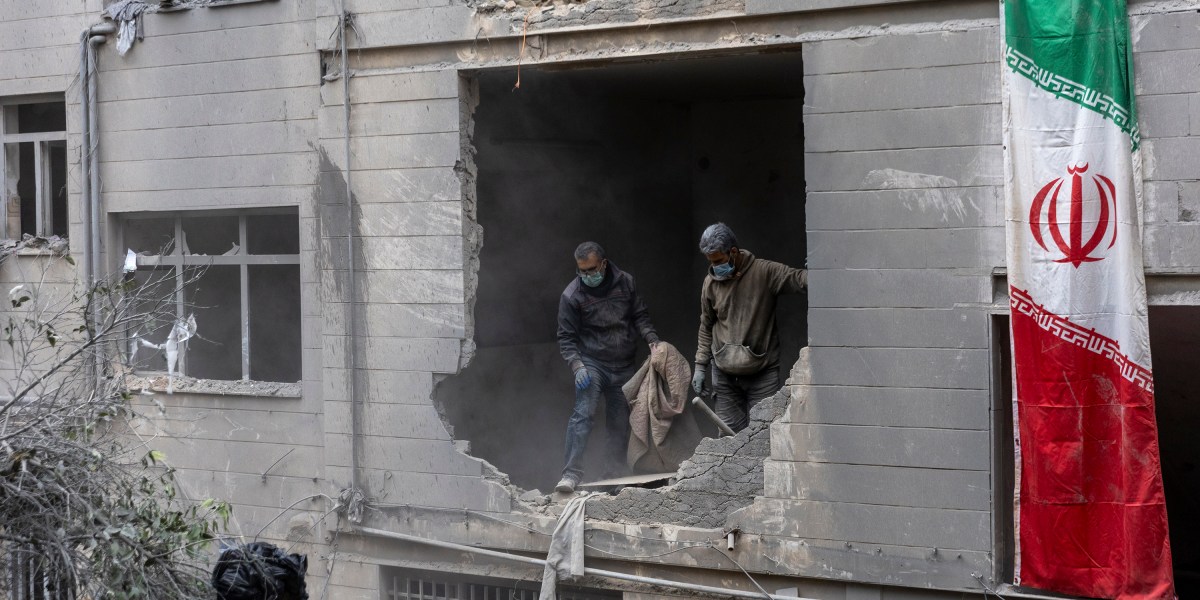
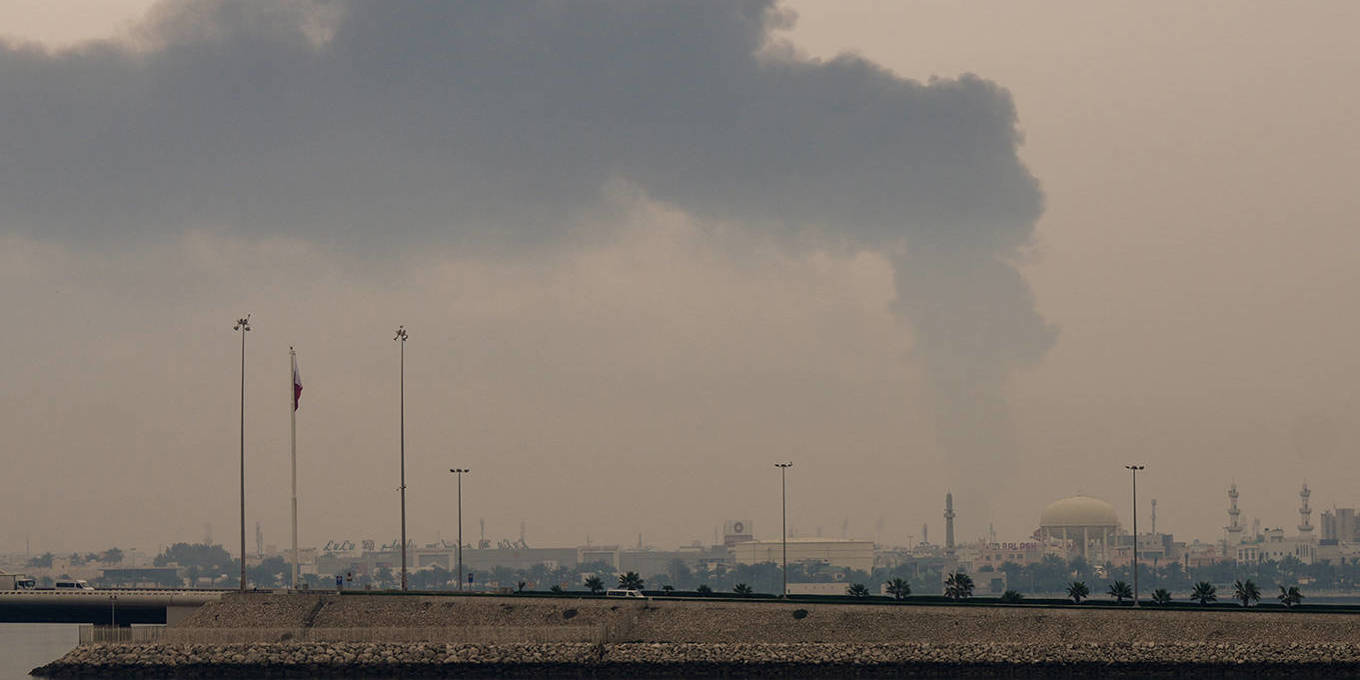
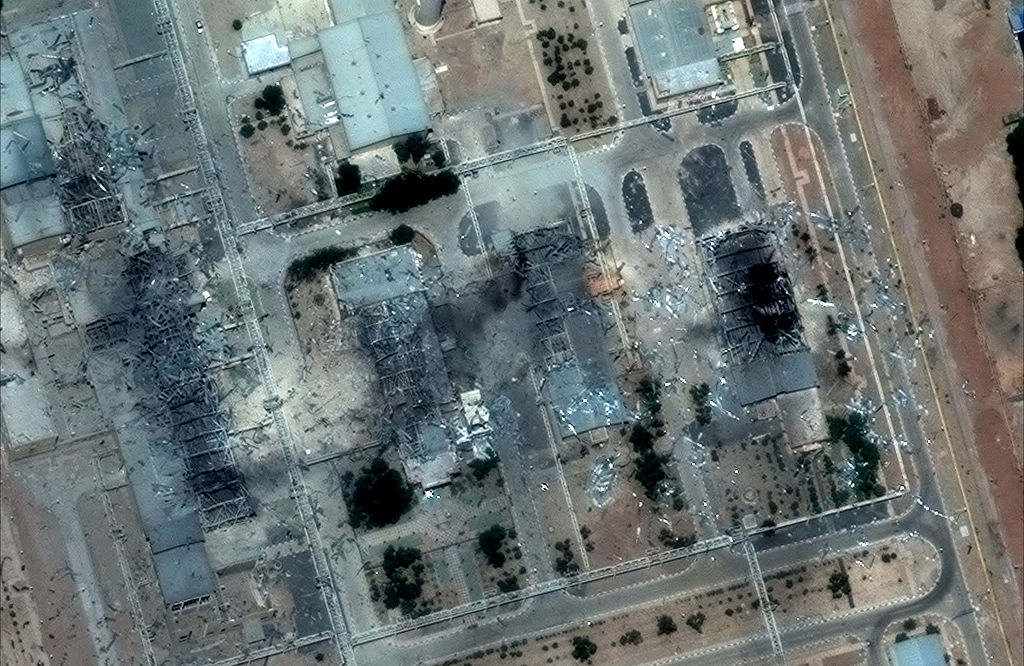
Within hours of the first U.S.-Israel strikes against Iran in February 2026, hacktivists went to work launching massive distributed denial-of-service attacks. Both pro- and anti-Iranian groups targeted oil and gas providers, telecommunications companies, military and government agencies, supervisory control and data acquisition systems, and news organizations in the Middle East.
International developments like these are sending a clear message: Whether stirred by regional conflict, leadership changes, economic sanctions or other factors, geopolitical tensions directly drive cyber risks. Organizations are being forced to assess their exposure level immediately.
The ripple effects impact global cyber and business operations, supply chains and the regulatory environment. They force chief information security officers and corporate leaders to ask themselves, “How is this affecting us in the countries where we do business? What activity should we monitor the most?” Ultimately, these leaders are arriving at the unsettling conclusion that geopolitical divisions and cyber risk are increasingly inseparable, and they must take proactive steps to minimize potential fallout.