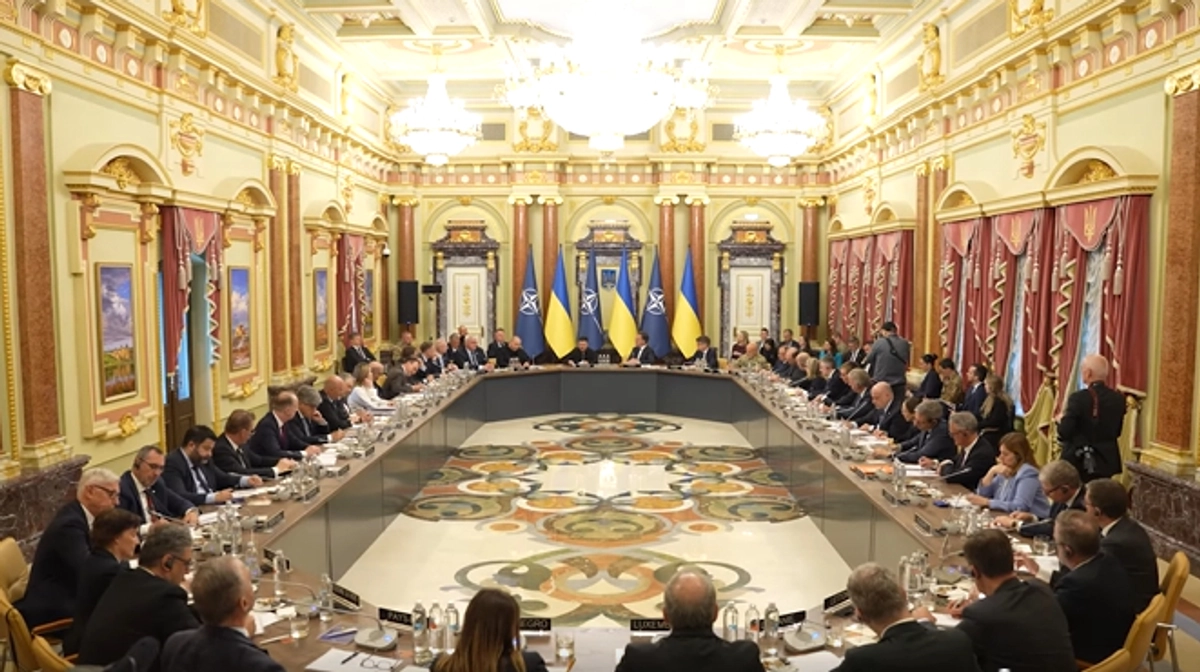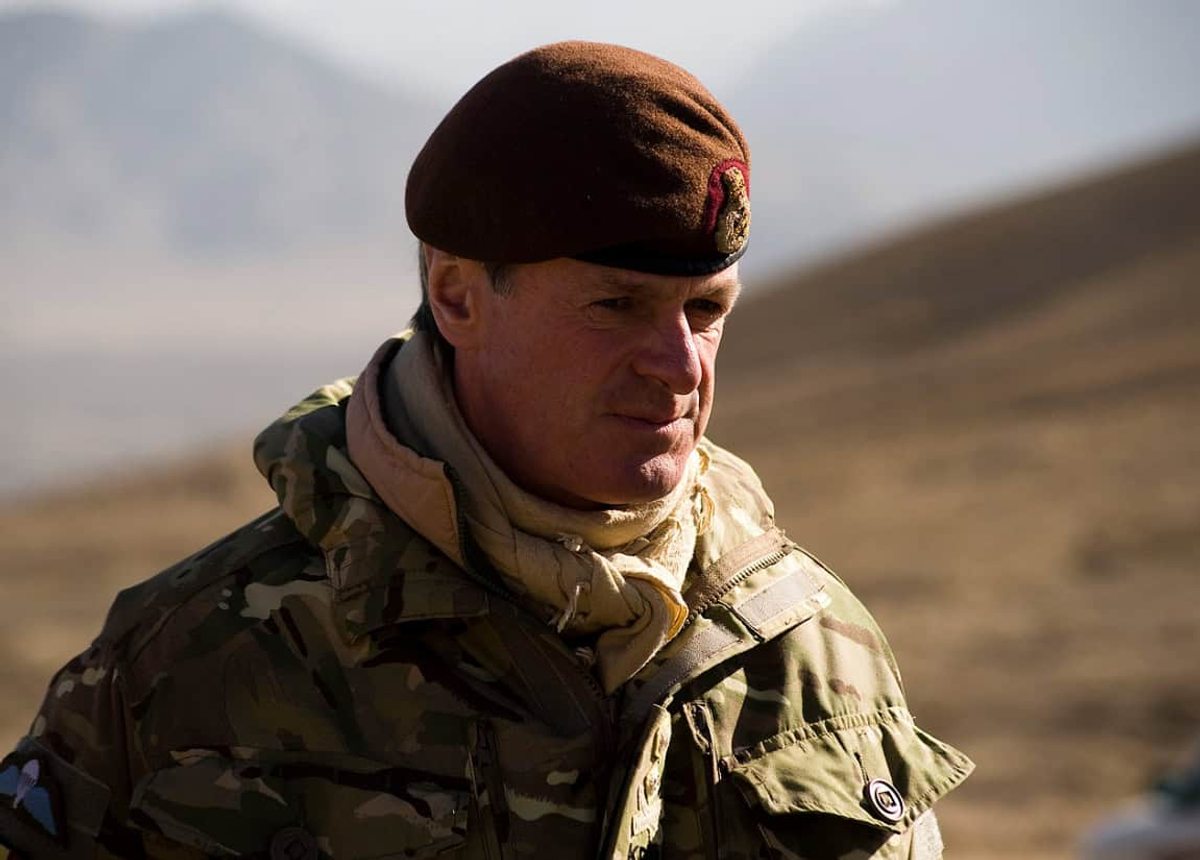
In mid-April, Ukraine’s General Staff announced something that looked, at first glance, likewartime symbolism. A council of retired NATO generals would advise the commander-in-chief.JOIN US ON TELEGRAMFollow our coverage of the war on the @Kyivpost_official. The roster was striking: Sir Richard Shirreff, formerly NATO’s deputy supreme alliedcommander Europe; General David Petraeus, formerly director of the CIA; Admiral ManfredNielson, formerly the alliance’s deputy supreme allied commander for transformation; plusseveral other big names from Canada, Norway, Slovakia, the UK, and the US. Most Western observers filed it under “diplomatic gesture.” They were wrong. Moscow knewit. Within nine days, Russia’s foreign ministry spokeswoman had pronounced on it from herweekly briefing podium. The Kremlin does not waste senior airtime on ornament. The Military Expert Council ARES, which stands for Allied Reform and Expert Support, isnot really an advisory body, but a standing exchange of access. Kyiv gets discreet entry to allied capitals, and Western forces get a direct line to the wartimeexperience accumulating in the Ukrainian General Staff. The body is publicly named, but the work is mostly done in private. The name is not anaccident. ARES is the Greek god of war, the one Homer called the destroyer. A wartime advisory bodythat names itself after him is making a quiet point: It is not staffed by think-tank fellows, butby men who have done the thing.
The New Line Kyiv Quietly Built Into NATO
Behind a formal advisory council lies a growing system for wartime coordination between Ukraine and Western militaries.
760 words~3 min read