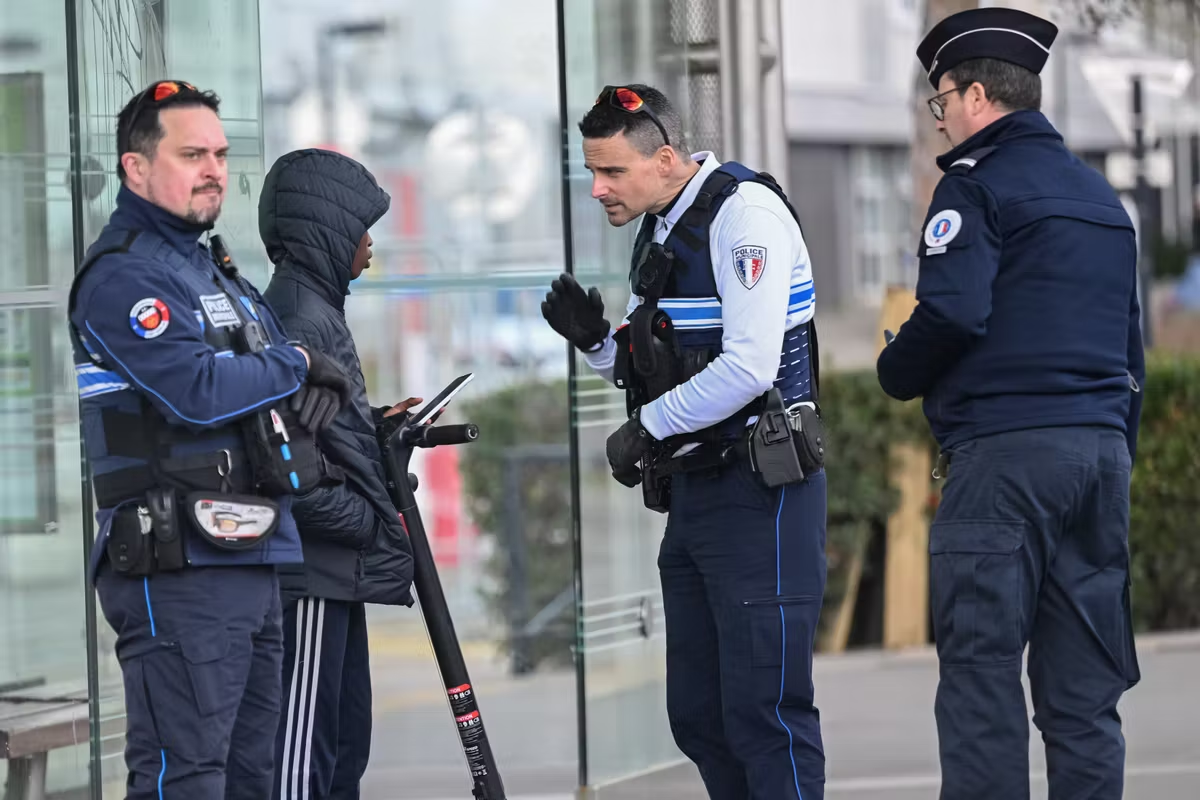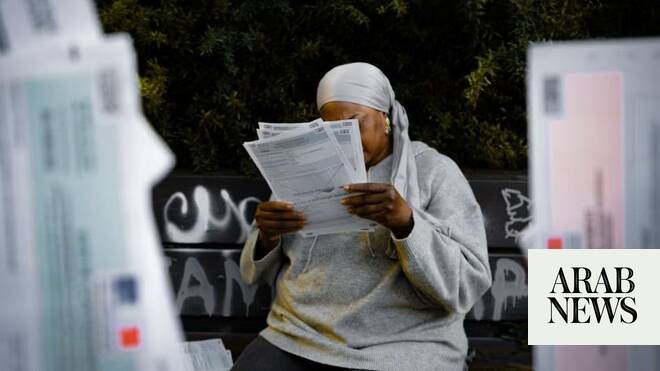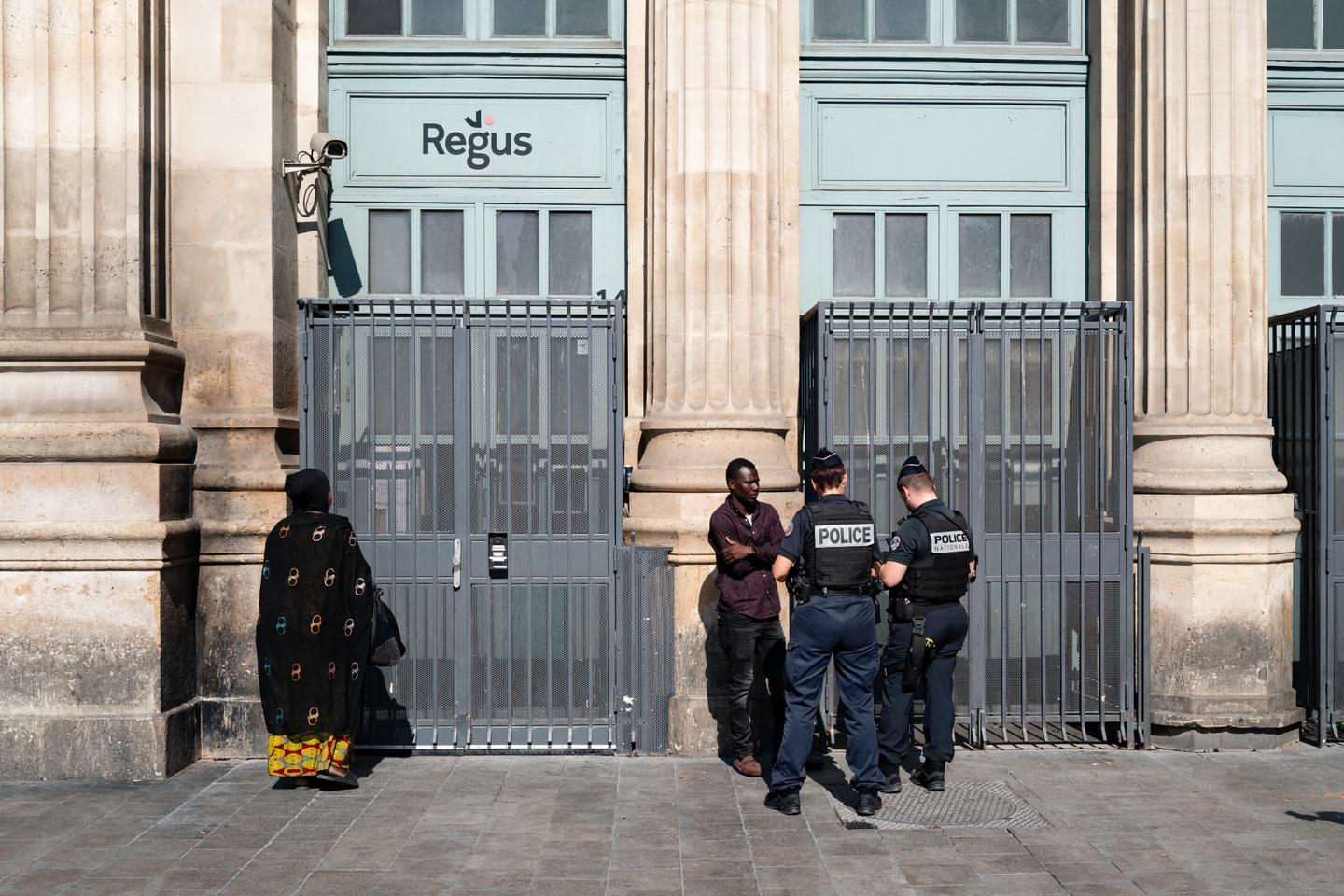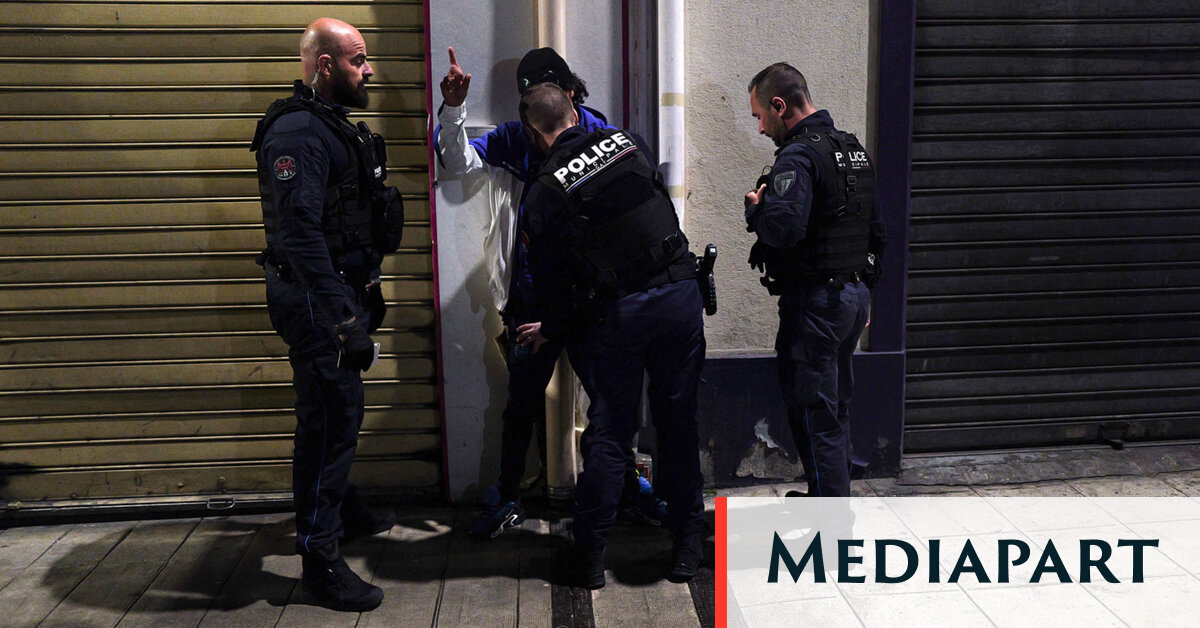
Sitting at the living room table in her Paris apartment, Khady Mané opens one white envelope after another, scanning the notices and adding them to a growing pile of fines and late payment reminders. "They arrive almost every day, it doesn’t stop," she said. Over the years, police have issued countless fines to her three sons, for alleged offences ranging from loitering to disturbing the peace. Mané stopped counting when the total owing surpassed 20,000 euros ($32,200 Cdn)."At first I thought [my sons] were doing things they shouldn’t be doing or were hanging out in places they shouldn’t be," she said. "But I heard other mothers talking about the huge fines they were receiving, too."Fines initially range from 11 to 135 euros, but can rapidly rise upon non-payment to hundreds, even thousands of euros, with some families owing close to 40,000 euros.Mané says the stress caused by repeated police checks and mounting debt pushed her eldest son, who suffers from bipolar disorder, over the edge. He began struggling with his mental health, and is hospitalized again in a psychiatric ward.Khady Mané says the stress caused by repeated police checks and mounting debt pushed her eldest son over the edge, landing him in a psychiatric ward. (Kyle G. Brown/CBC)"I hardly sleep anymore," said Mané, who is from Senegal. "If you see the discrimination happening in our neighbourhoods, you grasp the scale of the injustice. You start to wonder, am I a part of this society?"Grandmother of teen killed in police traffic stop in France pleads for halt to riotingFrance deploys 45,000 officers amid riots over teen's killing by policeMané's youngest son, 21-year-old Ismaël, says he’s been receiving fines since he was 11 or 12, when he played outside or chatted with friends outside of his building. "I don’t have a single friend who hasn't received a fine," he said.'Discriminatory' finesAccording to a report released last week by Human Rights Watch, (RE)Claim and the Community Centre for Development and Solidarity (MCDS), French police systematically target Black and Arab youth, conducting identity checks and issuing on-the-spot fines to young people. "The same people who were targeted by discriminatory stops, frisks and searches are now receiving a stream of fines for supposed public disturbance infractions," said Lanna Hollo, (RE)Claim director and co-author of the report. Boys and young men in working-class areas are "accused of littering, spitting or speaking too loudly, and they say they were talking with friends, sitting on a bench or playing basketball," she said. The report, "Paying the Price of Police Harassment," is based on more than 40 interviews with young men and parents in the Paris, Lyon and Grenoble metropolitan areas. It follows another report released earlier this year by the Court of Auditors, which found that between 2019 and 2024, the number of fines for misdemeanours rose ninefold, from 57,000 to almost 500,000. Police say they are often called to respond to complaints about everything from noise disturbances to drug dealing. In 2023, then-Paris police chief Laurent Nuñez told French radio that "when there are suspicions of discriminatory checks, we are notified, and I request reports from the officers."Working-class boys and young men are 'accused of littering, spitting or speaking too loudly, and they say they were talking with friends, sitting on a bench or playing basketball,' said Lanna Hollo, co-author of a new report on discriminatory fines in France. (Kyle G. Brown/CBC)Meanwhile, numerous people report receiving fines by mail without ever being contacted by police. "The HRW-(RE)Claim report makes clear you can get these fines without being stopped by police," said Sebastian Roché, a political scientist at Sciences Po Grenoble, who did not contribute to the report. "That's not legal…. There has to be contact."Hollo said that "in some cases, [the youth] weren’t even in the locations cited" in their fines. Last year, the phone location data of a 16-year-old boy served with a fine proved he was nowhere near the location of the alleged offences, leading to the conviction of a police officer for forgery. In a separate case, two officers were found to have remotely issued false fines and forged the victims’ signatures. Broadened police powersInitially intended for traffic code violations, on-the-spot fines were expanded in the 2010s to offences such as noise complaints or littering.The change was meant to ease pressure on France’s judicial system and speed up court proceedings, by allowing police to deal directly with minor offences. But observers say it gave police broad powers to determine people’s guilt or innocence on the spot."This effectively transfers judicial responsibilities to the police," the rights' group report states, "in a manner that undermines [people’s] fair trial rights.""This is not about individual police officers misusing the law," said Hollo. "This is a system where police decide whether an offence occurred, and immediately issue a sentence in the form of fines."A police officer is seen southeast France in April. A change in the law meant to ease pressure on France’s judicial system and speed up court proceedings allows police to deal directly with minor offences. (Nicolas Guyonnet/Hans Lucas/AFP via Getty Images)Laurent Nuñez, who is now France's interior minister, disputed the contention that the fines constitute any form of harassment. In a written response to Human Rights Watch, Nuñez stated that anyone fined has a right of appeal, adding that the citations are "indispensable tools for restoring everyday security."Racial profilingFrance’s top courts and the UN Committee on the Elimination of Racial Discrimination have also found that police checks disproportionately target young men from ethnic minorities in low-income neighbourhoods. In 2017, France’s Rights Ombudsperson revealed that police are 20 times more likely to stop and search Black and Arab young men. In 2025, it said discriminatory checks remained widespread, and that stops and fines formed part of an "institutional policy of ‘evicting’ from public spaces populations labelled ‘undesirable.’" Another report by the Court of Auditors showed that many fines were marred by procedural errors and lacked independent oversight. Young men interviewed for the rights' group report said they closed their bank accounts and are working for cash to prevent their salaries from being seized, which can block future employment opportunities. Omer Mas Capitolin, a community organizer, says he knows many young men who have quit their jobs because they no longer want to see their wages garnished in order to pay off police fines. (Kyle G. Brown/CBC)When Ismael Mané was unable to pay the mounting fines, the government’s treasury department garnished his wages at a Michelin-starred restaurant where he was starting out as a sous-chef. The repeated notices raised questions at work, and Ismaël decided to leave. "I know people who have quit their jobs because they're sick of seeing their wages taken away," said Omer Mas Capitolin, an organizer with MCDS. "Some who were getting their lives back on track have abandoned studies or turned to illegal activities to try to repay their debts. We’re seeing more and more young people who feel backed into a corner."Some, with the support of youth organizations, are fighting back. Two collective lawsuits in Essonne, south of Paris, seek to overturn more than 400,000 euros in fines issued to 19 young men. For his part, Ismaël Mané is patiently putting off payment."Maybe you could ask for a payment plan?" his mother suggested as she sorted through the bills. "If I pay," Ismaël replied, "it’s like admitting I did something wrong."
French police accused of targeting Black and Arab men with discriminatory fines | CBC News
According to a report released last week by Human Rights Watch, (RE)Claim and the Community Centre for Development and Solidarity, French police systematically target Black and Arab youth, conducting identity checks and issuing on-the-spot fines.
1,229 words~6 min read