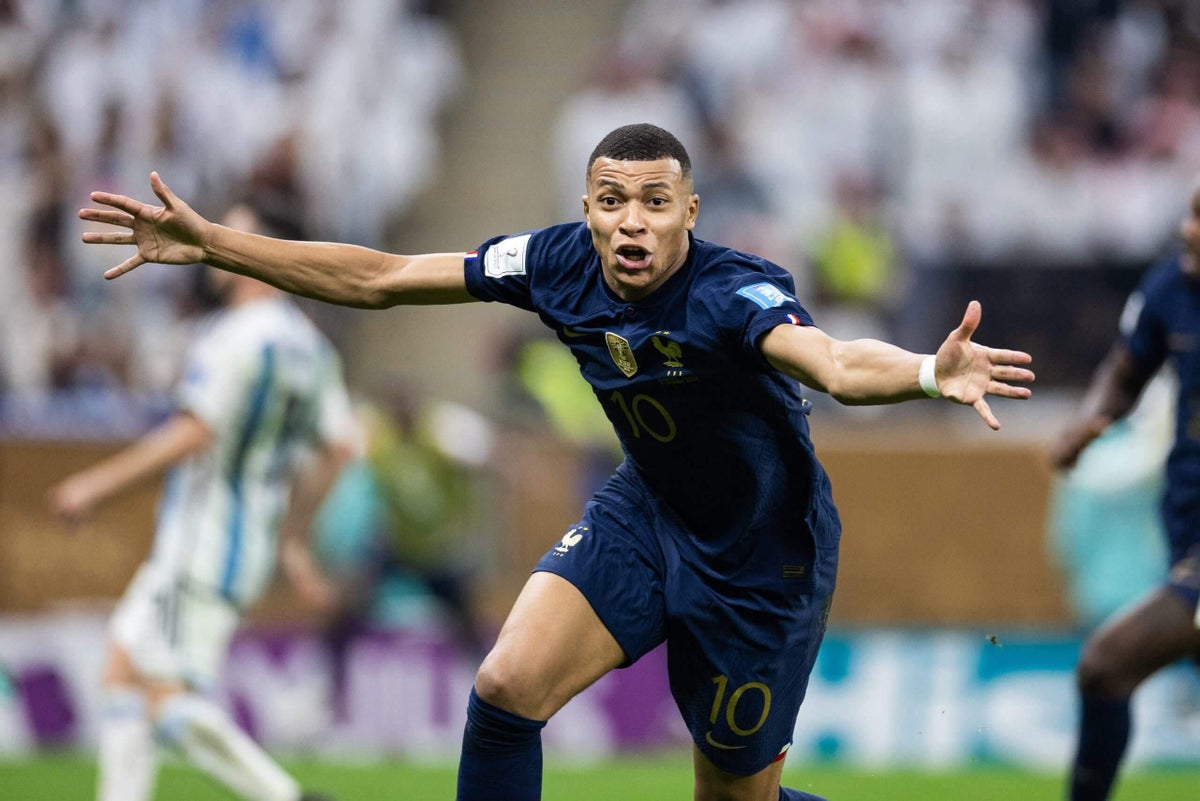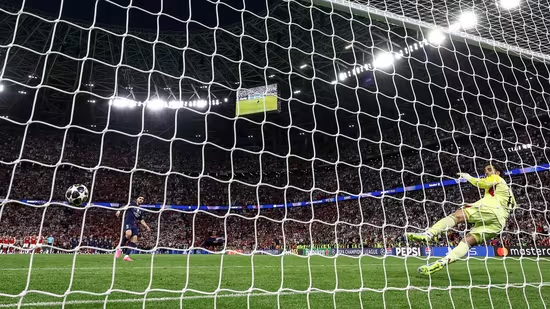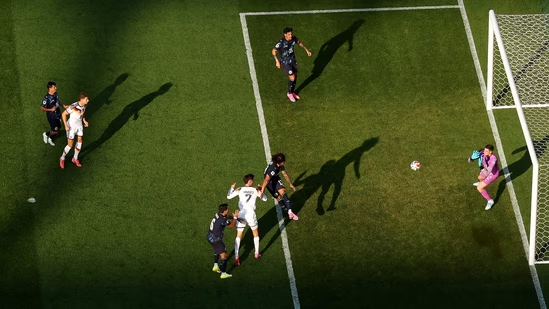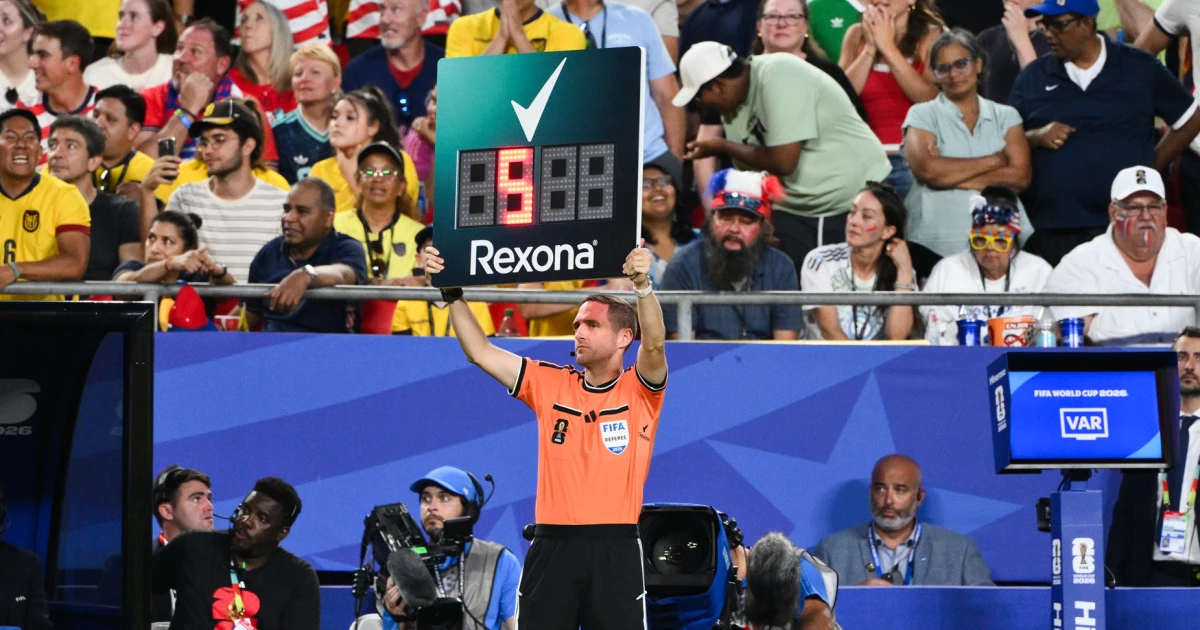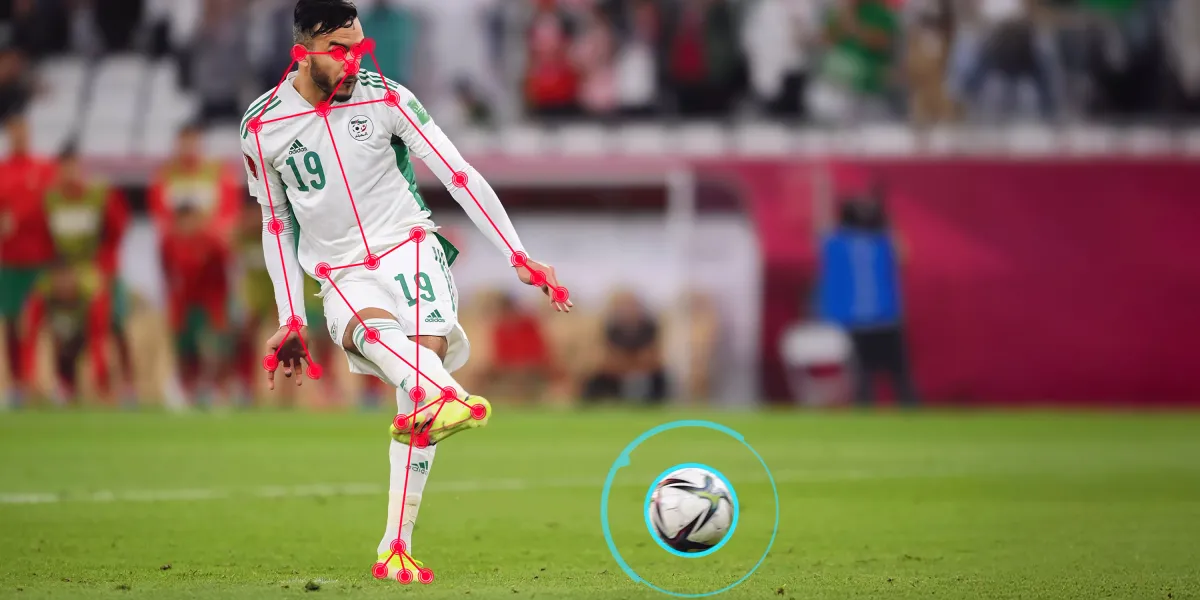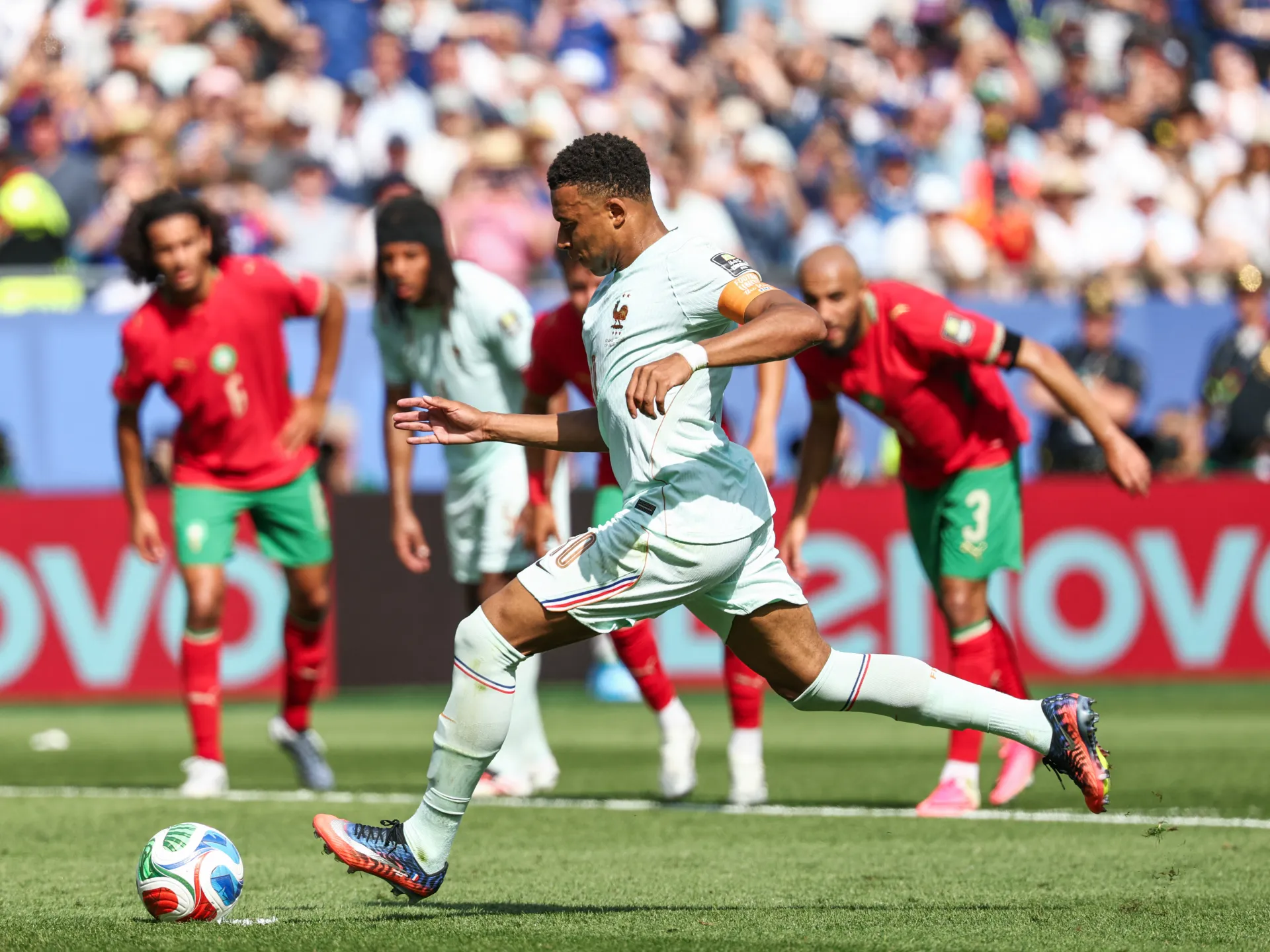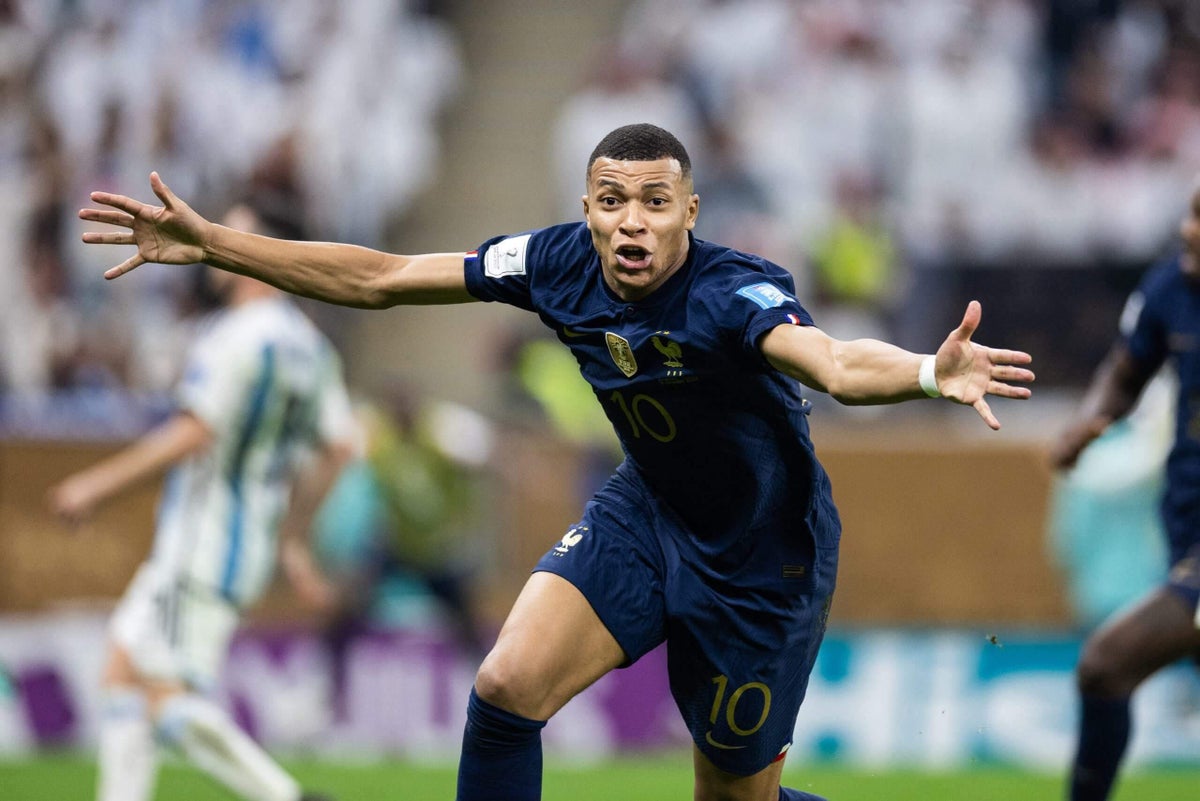
Lionel Messi scored his second goal of the game in the 108th minute. Kylian Mbappe converted a penalty for a hat-trick 10 minutes later. And there was still time for Randal Kolo Muani to be denied a winner by a magnificent Emiliano Martinez save.All of that occurred during extra time of the 2022 World Cup final in Qatar between France and Argentina. After the 90-minute match ended 2-2, soccer turned to its way of breaking stalemates, producing a 120-minute spectacle that showed the global pinnacle of the sport.As the knockout stages of the 2026 World Cup are now upon us, games will no longer be able to finish level, with an extra 30 minutes of play tacked on to try to find a winner. If that does not work, as happened in Qatar, then it’s time for a penalty shootout.So, how does extra time work, and is it always entertaining?Get free access to the most comprehensive World Cup coverage in The Athletic appWhat is extra time?Extra time occurs in knockout matches when the 90 minutes of regulation play fail to produce a winner.Soccer’s ‘overtime’ is a 30-minute period of extra play, divided into two 15-minute halves, which can also include stoppage-time add-ons at the end of each of those halves.At the midway point of extra time, the teams swap sides just as they would between the halves of 90-minute matches, and they are granted an extra substitution for this half-hour period, meaning six changes can be made across the eventual 120-minute match.If the scores are still level after extra time, the game goes to penalties, where five players from each side alternate taking an initial five spot kicks per team. If the match is still tied after that, the shootout becomes ‘sudden death’ — the first team to score with a penalty when the opponent doesn’t wins and progresses (or, if it’s in the final, lifts the trophy).Mario Gotze scores Germany’s extra-time winner against Argentina in the 2014 World Cup final (Simon Stacpoole/Offside/Getty Images).Extra time and penalties are not needed in group-stage matches because points can be shared, one each, if the teams are level after 90 minutes, but once the knockout phase begins, there must always be a winner on the day.Thirty minutes is longer than is used in the big North American sports leagues, with the NHL having a five-minute sudden-death add-on, the NBA playing five-minute overtime periods until one side is leading when one of them ends, the NFL opting for 10 minutes of further action and MLB going to extra innings.Is this different to stoppage time?Yes.Stoppage or added time, known to many as injury time, is a period of play added to every regulation half of football, to make up for the minutes lost across the half because of substitution windows, goal celebrations, time-wasting and injured players receiving treatment. And now, as of this World Cup, hydration breaks.
What is extra time in the World Cup knockout stage? Complete rules explained
When a match ends in a draw in the single-elimination phase of a soccer tournament, an additional 30 minutes of play are required
1,310 words~6 min read