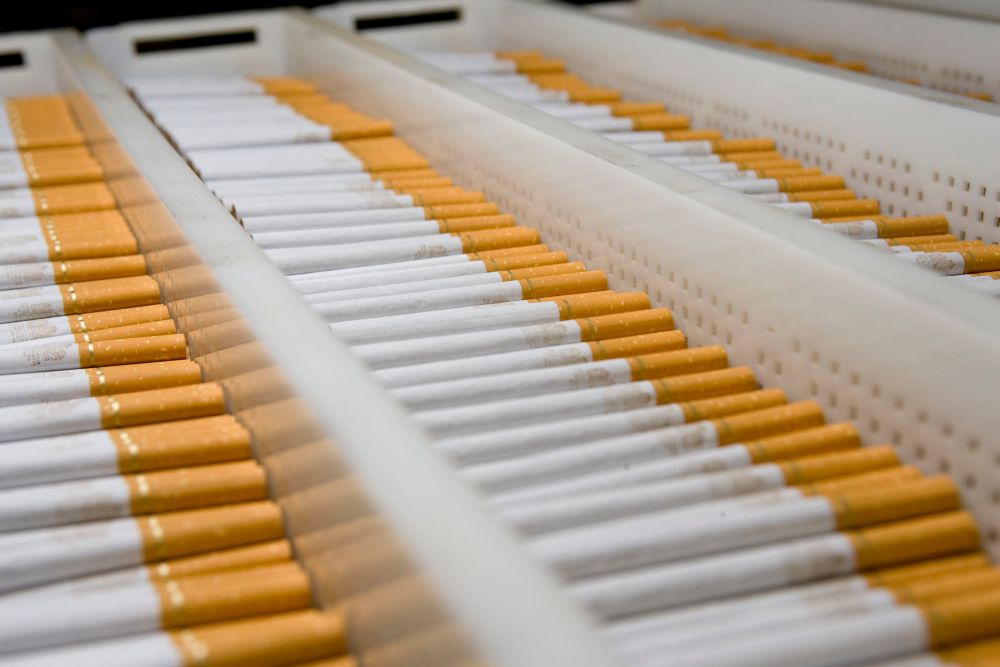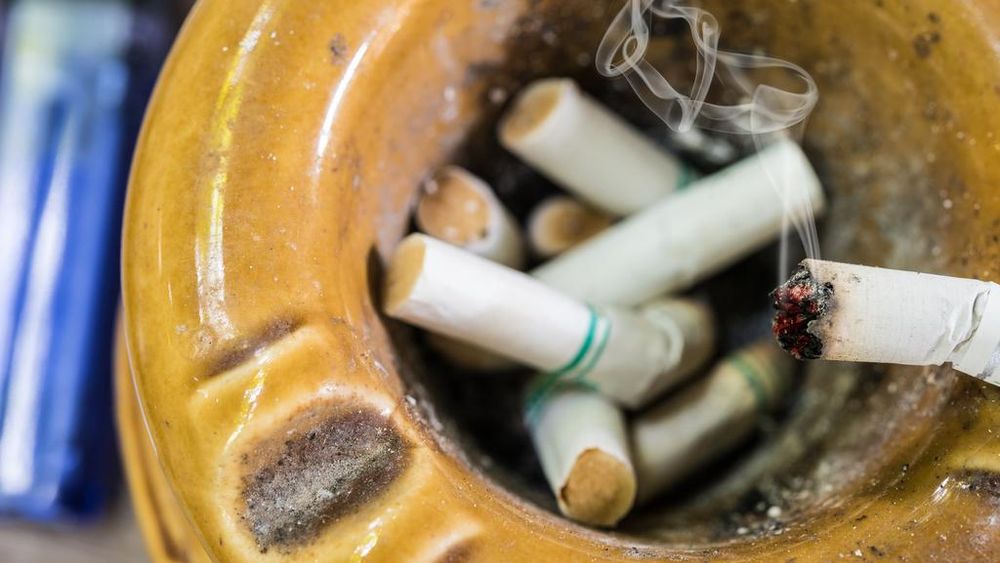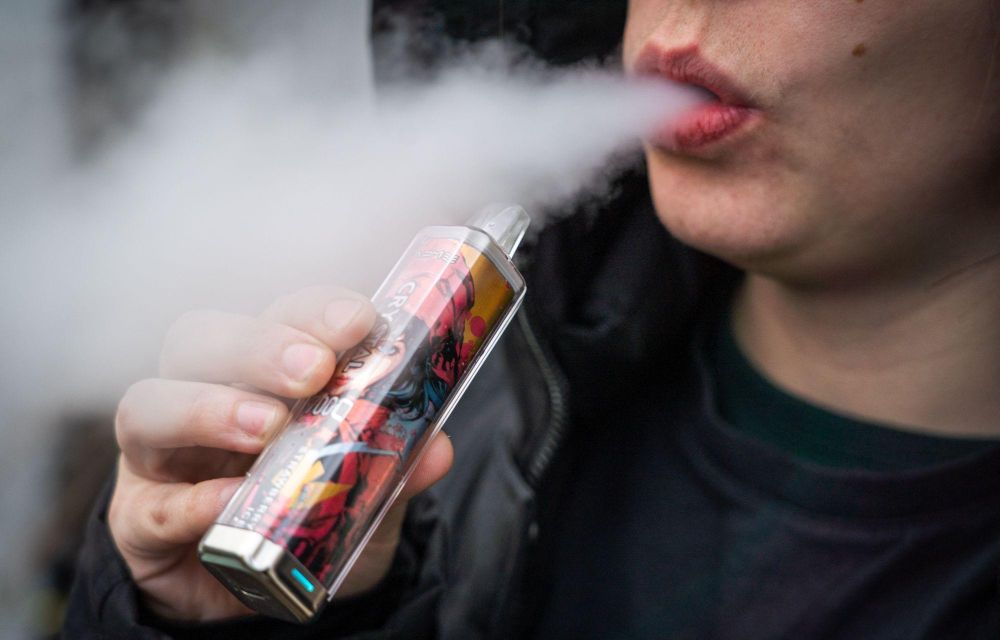
Trade union federation Cosatu has called on MPs to amend the Tobacco and Electronic Delivery Systems Control Bill to include tough new measures to counter South Africa’s soaring trade in illicit cigarettes.Parliament’s health portfolio committee voted in support of the desirability of the bill last week, paving the way for MPs to begin line-by-line deliberation of the draft legislation. MPs from across the political spectrum expressed dissatisfaction with the bill, suggesting an array of amendments are set for discussion. Cosatu said it was “beyond disappointing” that the health department had failed to include provisions in the bill to empower the state to tackle the illicit trade in cigarettes by requiring the tracking and tracing of tobacco and related products.“Cosatu urges parliament to add bold provisions to ensure that the state is not only empowered but compelled to tackle these highly sophisticated and dangerous criminal syndicates,” it said. Close to 60% of the cigarettes sold in South Africa are illicit, according to UCT’s research unit on the economics of excisable products, with excise duties partially or completely unpaid. The illicit trade in cigarettes threatened to collapse the legal industry and its jobs, said Cosatu. Illicit cigarettes retail for, on average, 25% of the price of legally sold products and accounted for more than R30bn in lost tax revenue, it said. The tobacco bill, submitted to parliament in 2022, proposes tough new controls on tobacco products and brings new generation devices such as e-cigarettes into the regulatory net for the first time. The committee conducted public hearings on the bill in all nine provinces and in parliament and received more than 40,000 written submissions. Last week 10 MPs voted in support of the desirability of the bill, while one voted against it. During their meeting, it emerged that the committee had bowed to industry pressure and agreed to amend the bill to differentiate between products based on their public health risk. This means combustible products such as cigarettes will in some instances be subject to stricter controls than non-combustible products such as vapes.
Cosatu urges MPs to tackle illicit cigarette trade
Union federation demands tracking and tracing measures in pending tobacco control law
341 words~2 min read