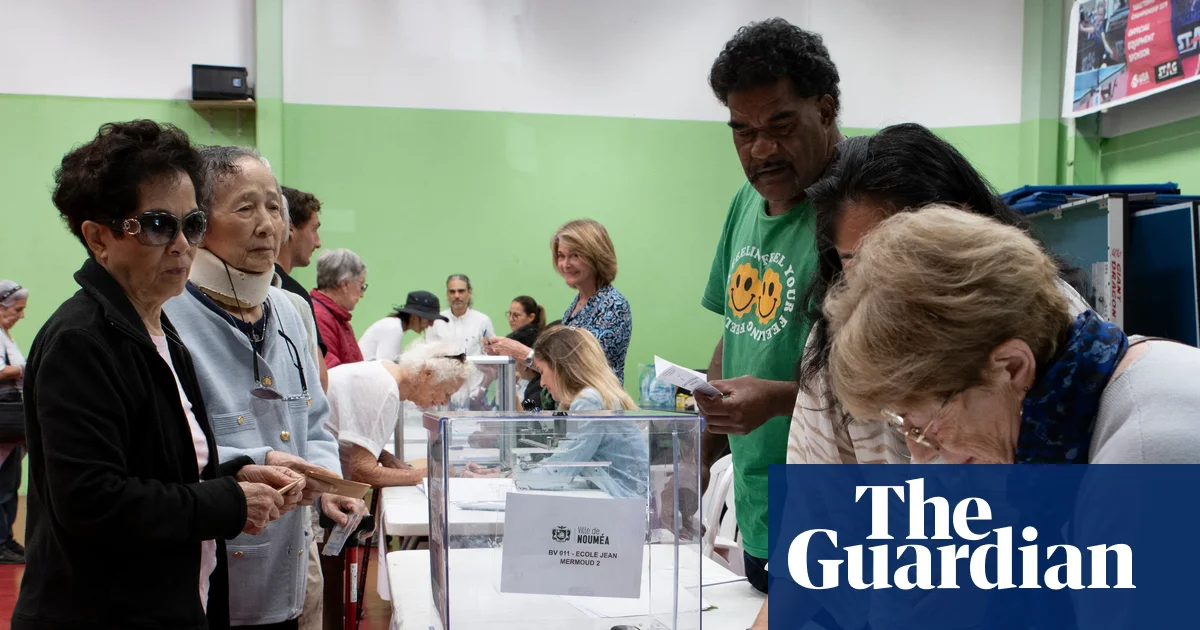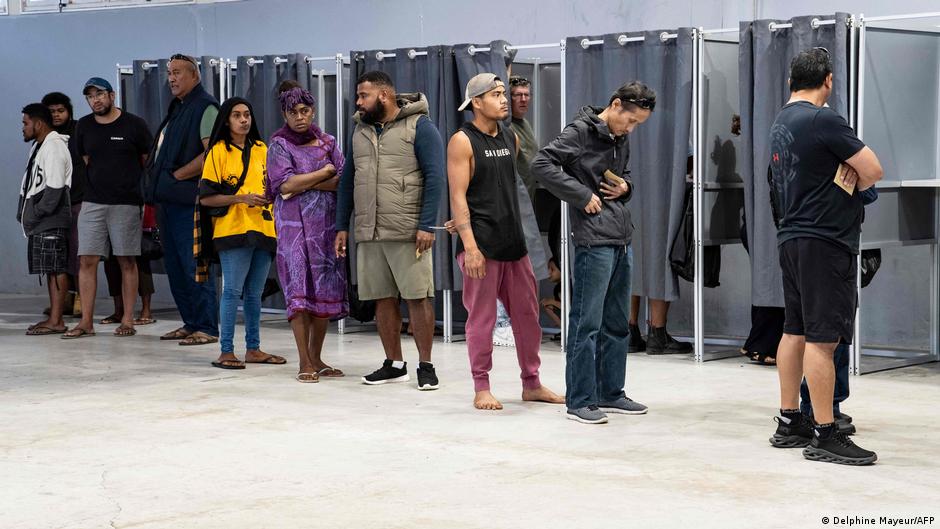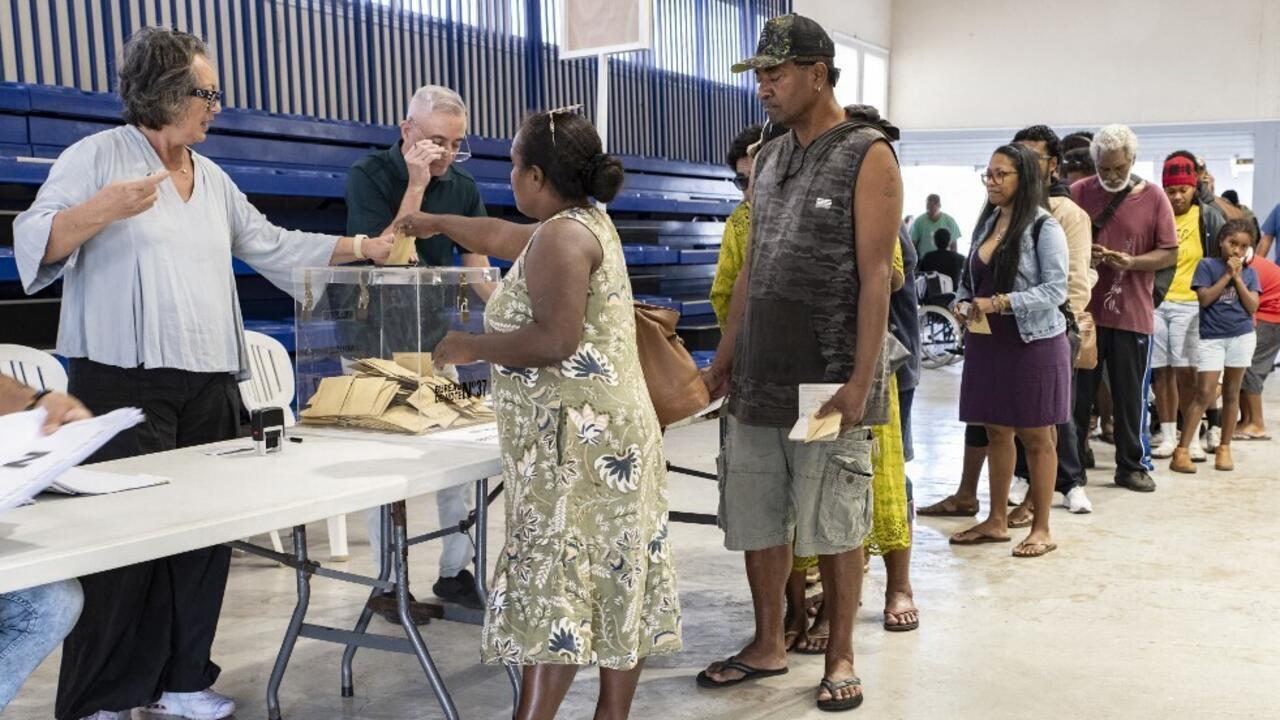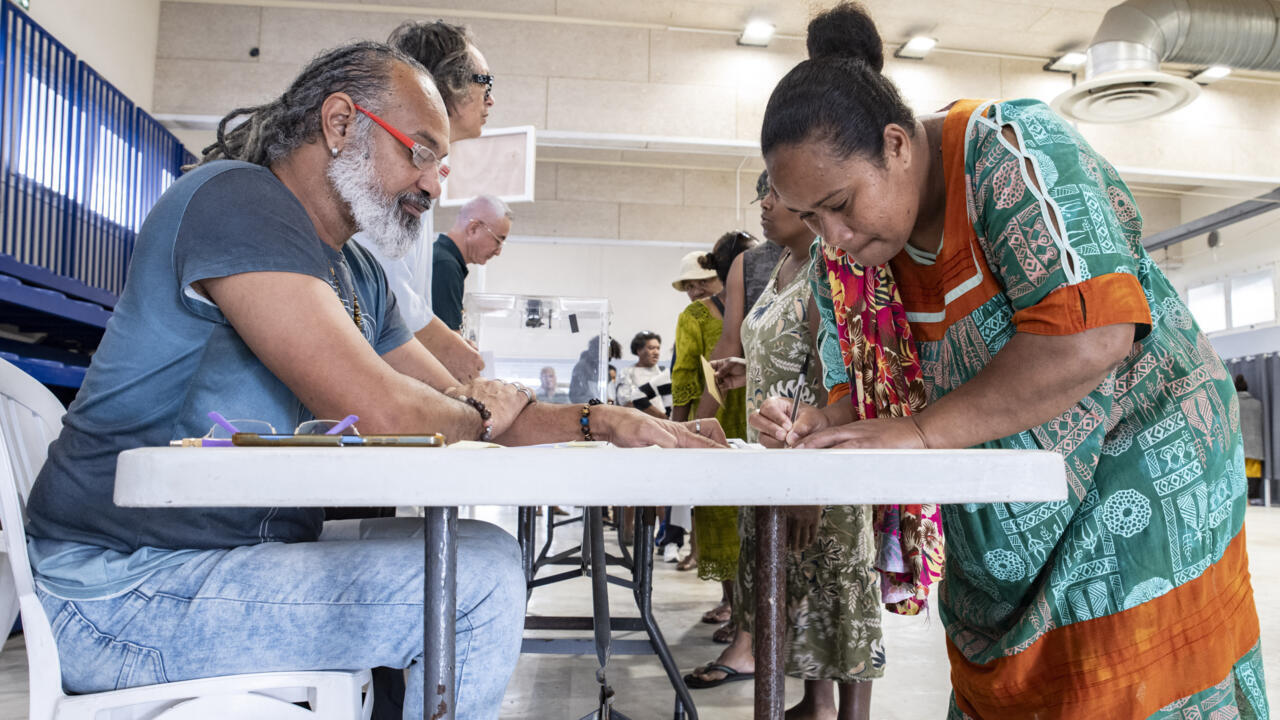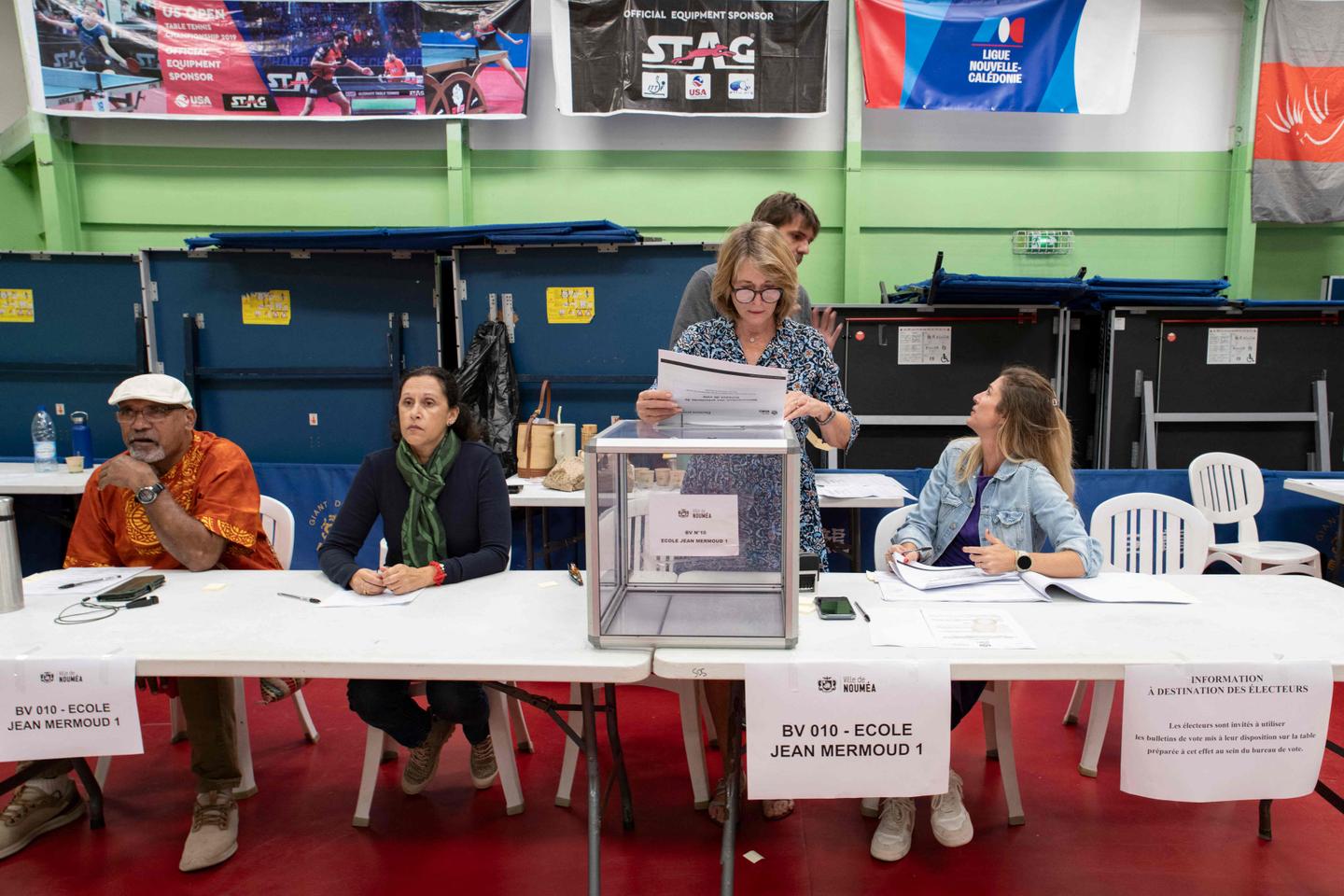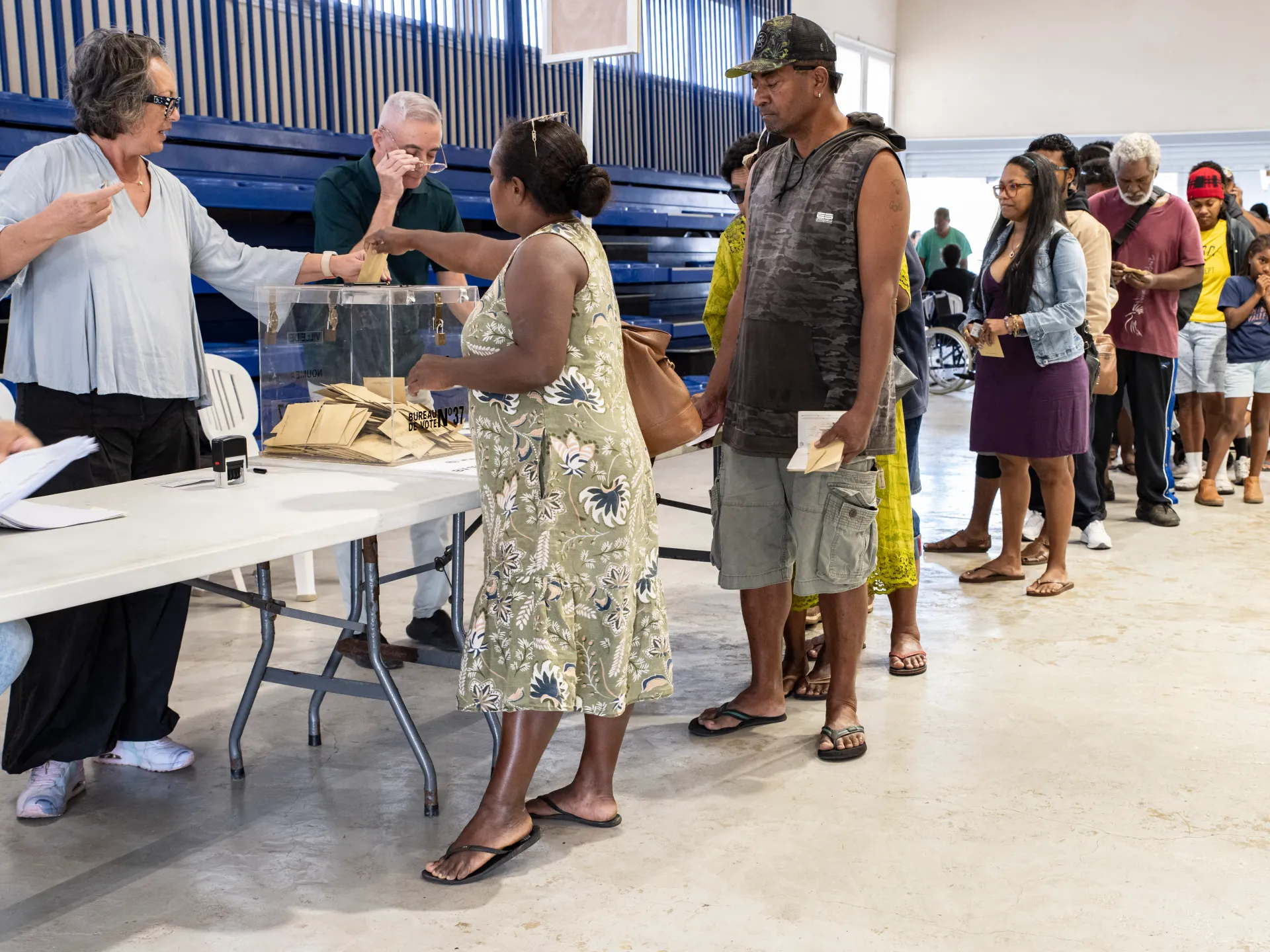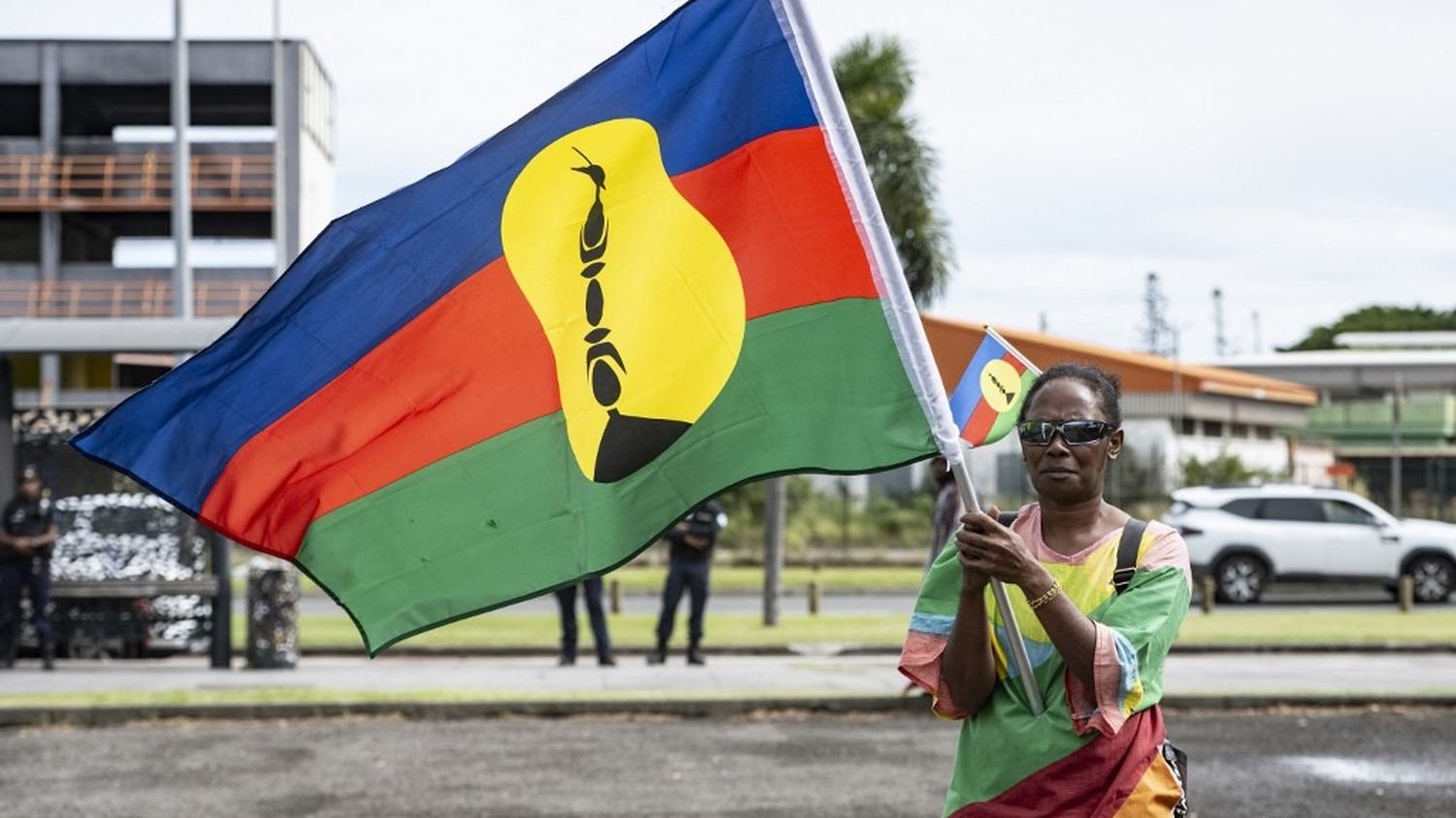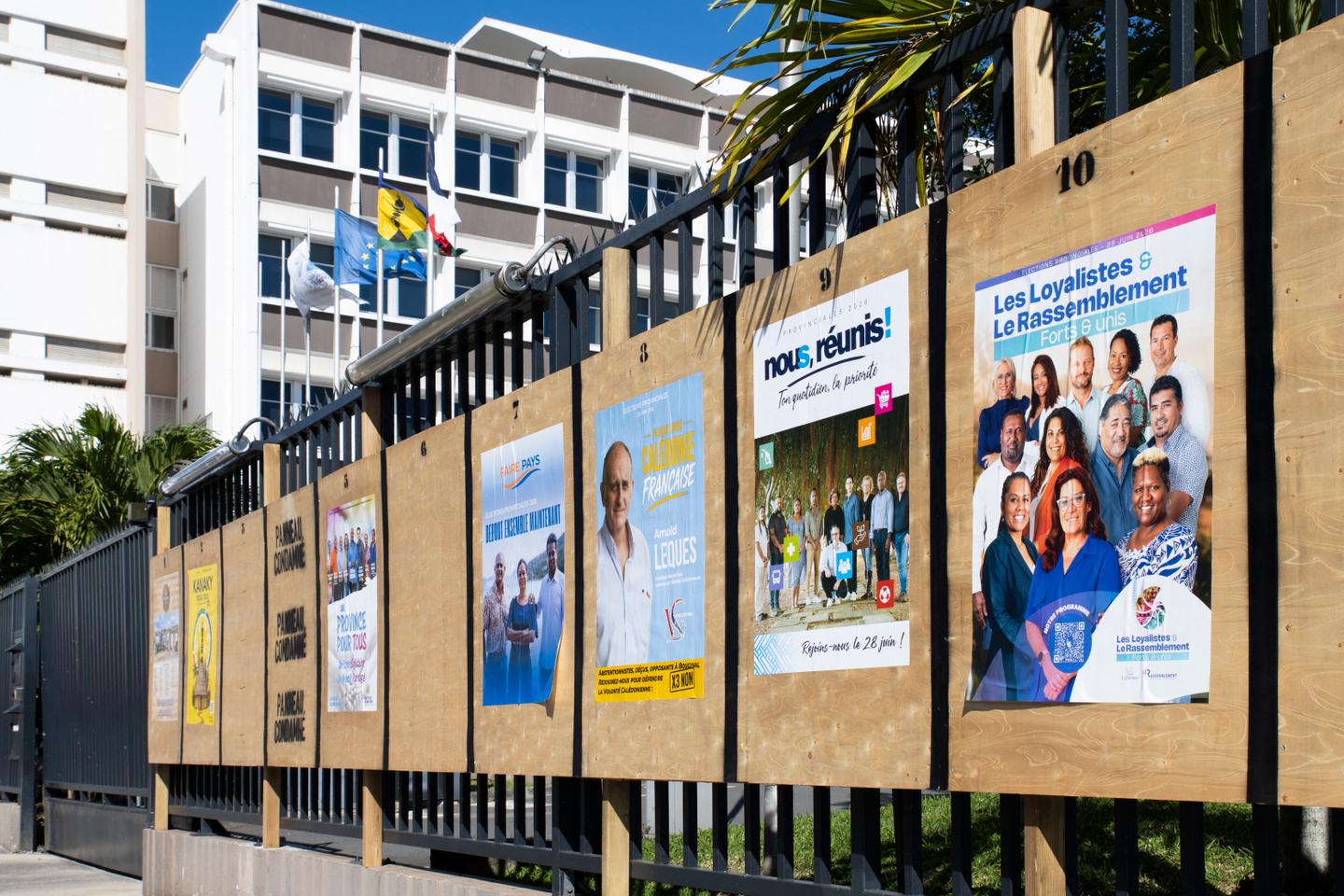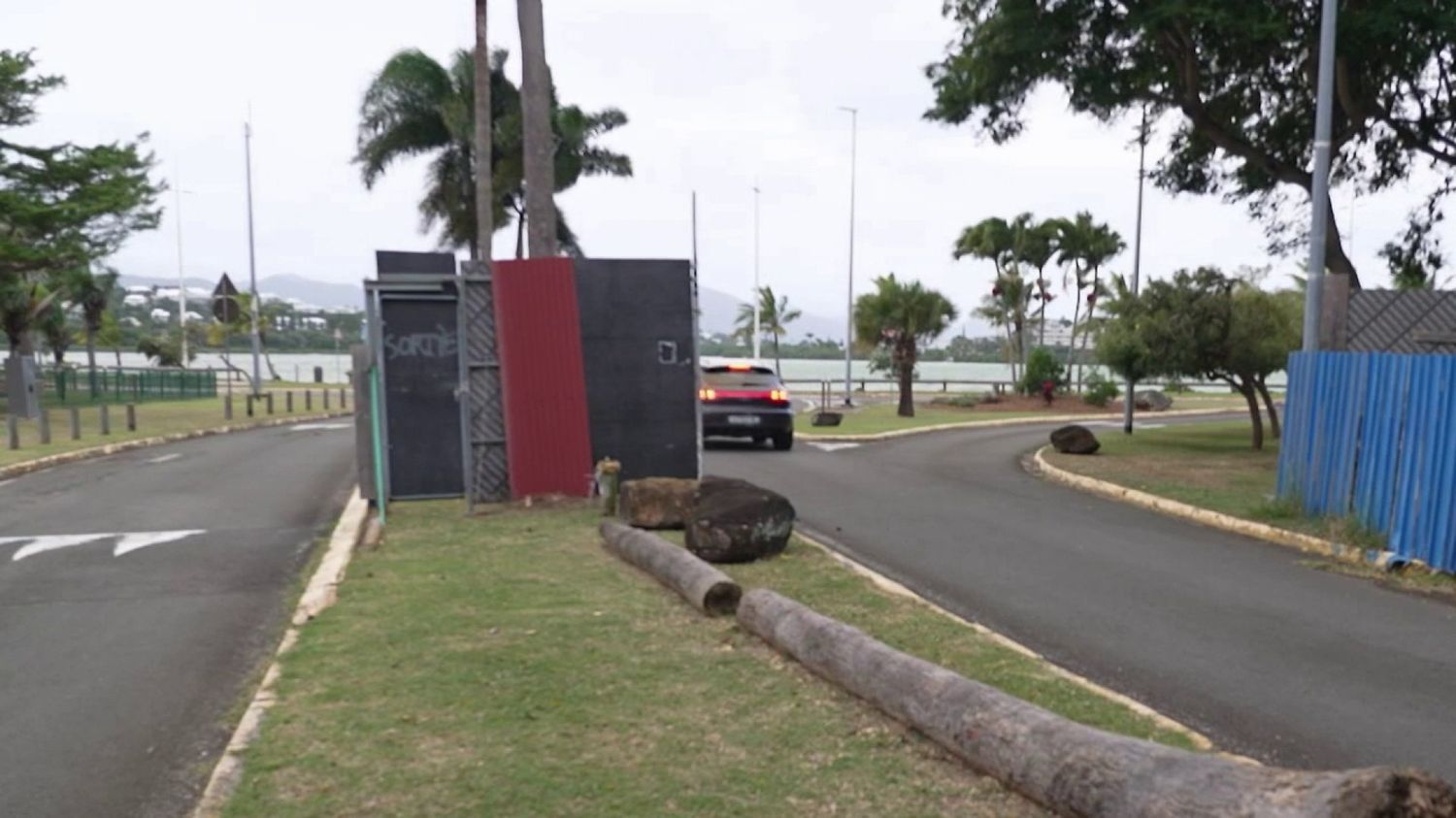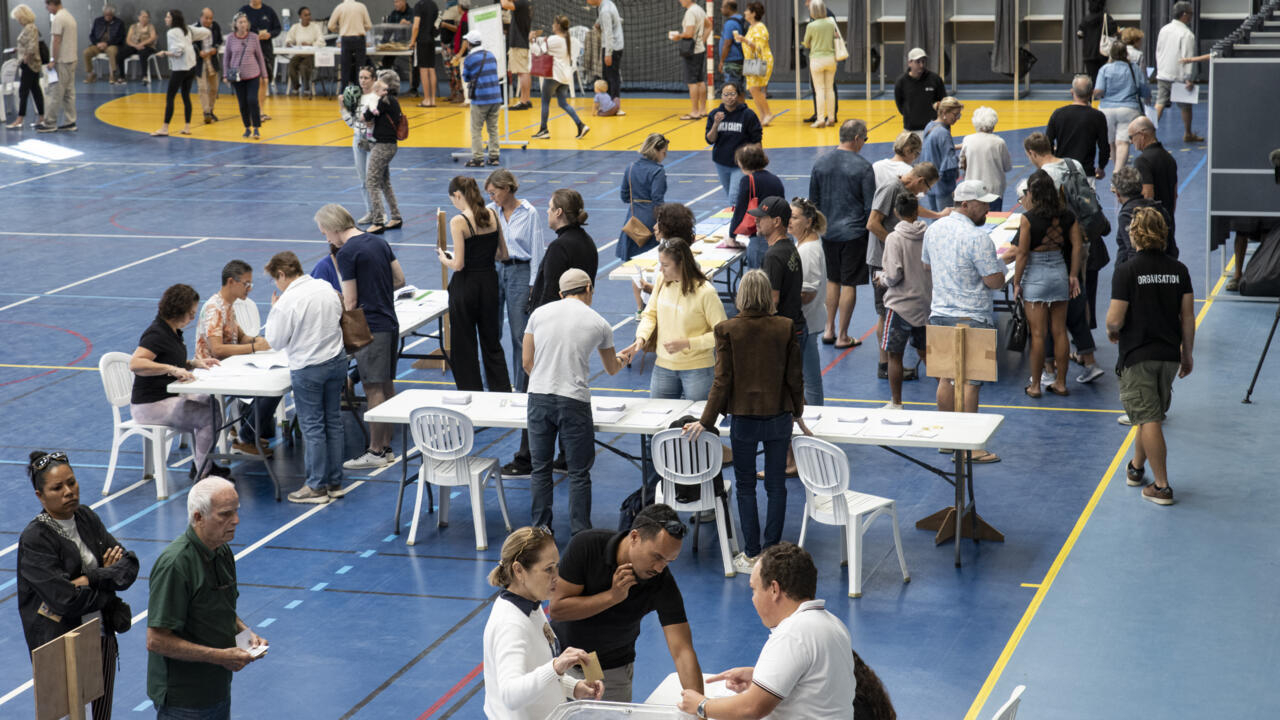
Voters in the French overseas territory of New Caledonia cast ballots Sunday in the archipelago's first provincial elections since 2019, after the vote was delayed as talks stalled over its political future. The results of the election, initially planned for 2024, will determine the balance of power in New Caledonia ahead of fresh negotiations with France on the territory's status, with independence remaining the defining political issue. The poll took place peacefully, an AFP journalist in the capital Noumea observed, with additional security deployed two years after deadly riots erupted over a plan to extend voting rights in the territory. An hour before the polling stations closed at 6pm (0700 GMT), turnout stood at 54.42 per cent – down slightly from 58.49 per cent at the same point in 2019, according to local authorities.
To display this content from YouTube, you must enable advertisement tracking and audience measurement.
One of your browser extensions seems to be blocking the video player from loading. To watch this content, you may need to disable it on this site.
Cover image: © France 24
Some 192,500 voters were eligible to elect 76 councillors for three provincial assemblies – 40 in the South Province, 22 in the North Province and 14 in the Loyalty Islands. Fifty-four of those elected will become members of the Pacific archipelago's Congress, the territory's main governing institution and the only body authorised to pass local laws. Members of Congress will then elect up to 11 members to the executive branch known as the collegial government. "My grandparents fought hard to secure the right" to vote, said Cedric Ixeco, a 43-year-old who hails from the indigenous Kanak group, adding he "wants to see things change" in people's day-to-day lives. For Barbara Meylan, 53, the election was a crucial moment for the archipelago, which she said is in need of a way forward. "Above all, I hope we can stabilise the country and manage to find common ground," she said. Negotiations ahead The elections come after the main pro-independence group rejected a deal with France intended to bring stability to the overseas territory. The so-called Bougival Accord would have created a Caledonian state and established a Caledonian nationality enshrined in the French constitution, but would have scrapped any future referendums on independence. Three referendums held in 2018, 2020 and 2021 returned majorities in favour of remaining part of France, although pro-independence groups boycotted the third vote, which was held during the Covid-19 pandemic. But the independence movement retains strong support, particularly among the indigenous Melanesian Kanak population.