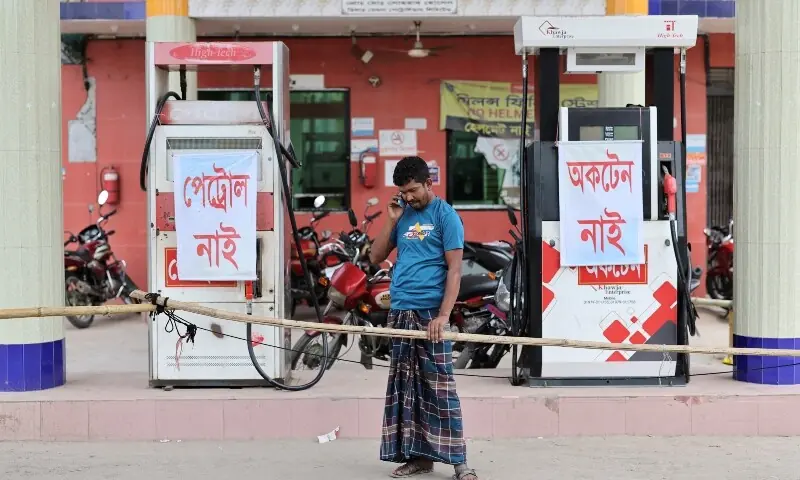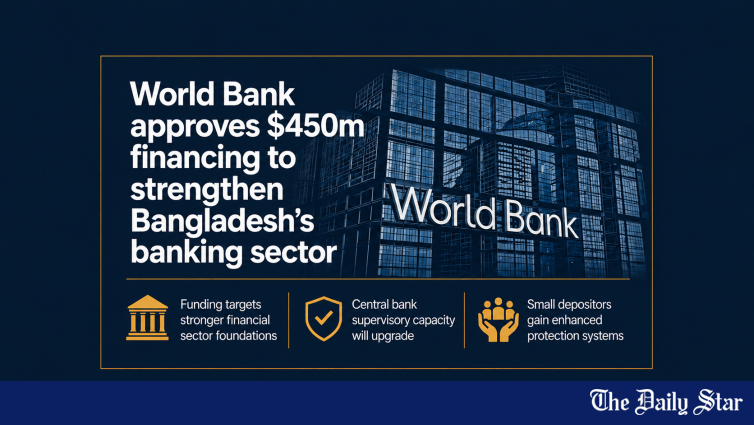
The World Bank authorized some $1.1 billion in emergency funding for Bangladesh to help secure food supplies, support vulnerable households and businesses due to the rising prices of fertilizers, fuel and food from the Middle East conflict.
Bangladesh is also seeking additional external financing from development partners, including the International Monetary Fund (IMF), to shore up foreign exchange reserves and ease pressure on public finances following a surge in energy import costs and broader economic challenges.
The World Bank package comprises two projects aimed at helping the country manage external shocks and maintain economic stability.
Of the total, $300 million will be provided under the Emergency Support for Food Security Project to finance imports of 600,000 metric tons of fertilizer for the upcoming rice seasons. Bangladesh imports more than 85% of its fertilizer requirements, making it vulnerable to disruptions in global supply chains.
"Rising food, fertilizer and fuel prices stemming from the Middle East conflict, coupled with tighter fiscal space, have deeply affected Bangladesh's economy, particularly smallholder farmers and poor and vulnerable households," Jean Pesme, the World Bank's division director for Bangladesh and Bhutan, said in a statement.